Antique Brass Hardware Cleaning Without Damaging Patina
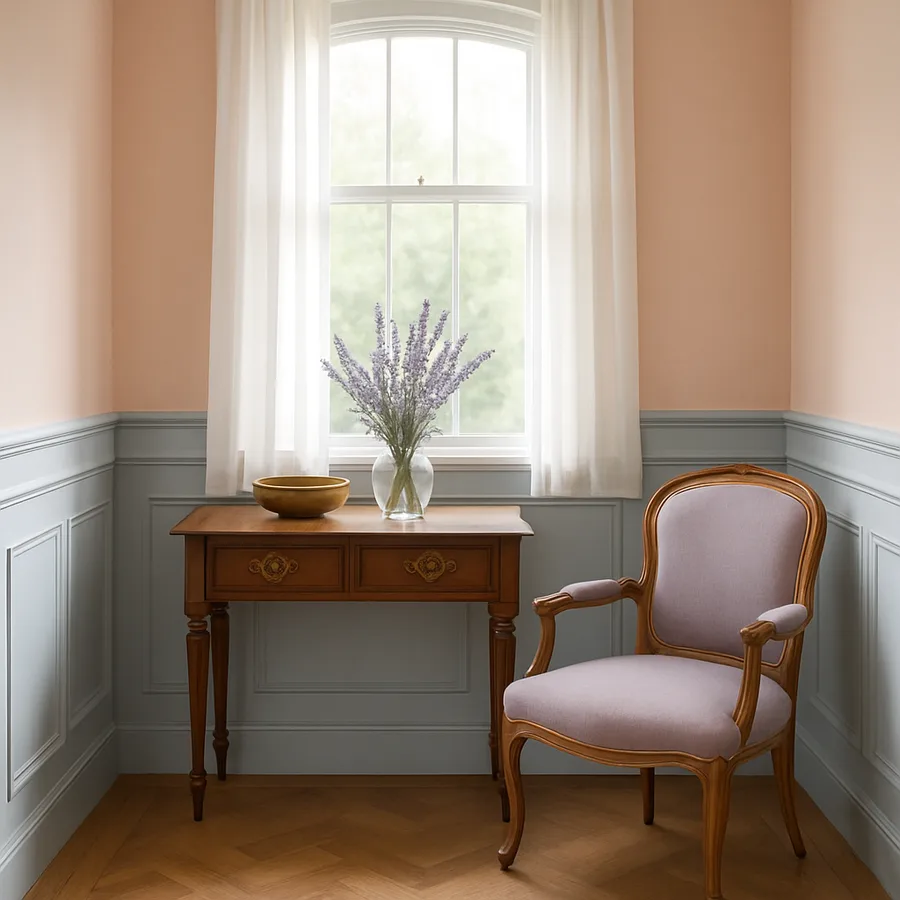
Anyone who has inherited a chest of drawers from a grandparent has eventually faced the same small dilemma. The brass pulls have darkened to a rich, mottled brown with green flecks at the recesses, and the modern impulse is to scrub them back to a uniform yellow glow. That impulse is almost always wrong. The patina on antique brass hardware is not dirt waiting to be removed. It is a chemical record of decades of oxidation, handling, and household chemistry that, once stripped, cannot be recreated without artificial aging that experienced eyes detect instantly. The American Institute for Conservation estimates that more than 60 percent of antique furniture brought into professional restoration studios has had its original hardware improperly cleaned at some point in the past century, often reducing the piece's value by 20 to 40 percent in the secondary market.
So how do you actually clean antique brass hardware? When is intervention appropriate, and when does doing nothing serve the piece better? Which products quietly destroy patina even when their labels promise otherwise? This guide walks through the conservation-minded approach used by museum collections care departments, adapted for a homeowner working at a kitchen table with hand tools and household supplies.
What Patina Actually Is
Patina on brass is a thin layer of copper and zinc oxides, sulfides, and carbonates that forms slowly as the metal reacts with oxygen, moisture, sulfur compounds in the air, and the oils from human hands. On a piece of hardware that has spent a century on a dresser, this layer is not uniform. The high points where fingers gripped a drawer pull are slightly polished by friction, while the recessed areas have built up darker deposits that may shade into green where moisture pooled or where the brass touched iron screws and produced galvanic interactions.
This variation is what conservators call differential patina, and it is the single most important visual cue separating a genuine antique from a reproduction. A reproduction can be chemically aged to look uniformly dark, but reproducing the specific contrast between worn high points and accumulated low points takes decades of actual use. When you polish all the patina off, you also erase this differential, and the hardware reads instantly as either new or as antique that has been over-restored. According to the Smithsonian Institution conservation guidelines for metalwork, the goal of cleaning antique brass is to remove only active corrosion and surface contamination while preserving the stable oxide layer underneath.
When To Clean And When To Leave Alone
Cleaning is appropriate when the hardware shows active corrosion: bright green powdery deposits, white crystalline efflorescence, or black flaky scale that lifts off when touched. These are signs that the metal is still reacting chemically and that material is being lost. Left alone, active corrosion can pit the underlying brass permanently and may spread to surrounding wood by leaching corrosive compounds.
Cleaning is also appropriate when the hardware has accumulated non-original contamination: paint overspray from a careless decade in the 1970s, sticky residue from masking tape, household oils and waxes that have darkened unevenly, or modern polish residue that has dried into a gummy film. These contaminants are not patina and removing them improves both the appearance and the long term stability of the brass.
Cleaning is inappropriate when the hardware shows only stable darkening, a uniform dark brown or bronze color with no powdery or flaky deposits, and the surface is hard and slightly waxy to the touch. This is the patina you want to keep. Resist any impulse to brighten it. Architectural Digest has published multiple features in recent years on the resurgence of valuing aged hardware as a design element, with antique dealers reporting that pieces with original untouched patina command 30 to 50 percent premiums over comparable pieces that have been polished.
The distinction between intervention and restraint becomes especially important when the same piece of furniture combines stable patina across most of its hardware with active corrosion on just one or two pieces. The conservation principle is to treat the active corrosion specifically without uniformly cleaning the rest, even when the result will be that the treated pieces look noticeably different from their neighbors for a year or two as the new patina develops. Uniform appearance achieved through uniform cleaning permanently sacrifices character that cannot be recovered.
Products To Avoid Completely
Most commercial brass polishes are formulated for new or recently polished brass and are far too aggressive for antique work. Brasso, Wright's Brass Polish, and similar mass market products contain ammonia, abrasive particles, and chelating agents that strip patina indiscriminately. They will leave antique hardware looking uniformly yellow within minutes and the damage cannot be undone. Likewise, avoid steel wool of any grade, brass wire brushes, and Dremel tools with polishing wheels. The amount of material these tools remove in a few seconds represents decades of accumulated character.
Ketchup, lemon juice, and vinegar mixed with salt are popular internet remedies that work by dissolving copper oxides through acid attack. They work well on tarnished new brass and are catastrophic on antique brass. The acid does not distinguish between recent tarnish and century-old patina, and it tends to leave the surface microscopically etched, which both looks wrong and accelerates future corrosion.
Electrolytic cleaning, which uses a low voltage current to reverse oxidation, is sometimes recommended by online sources for badly corroded brass. The process can work in skilled hands on archaeological metalwork, but in a home setting it is almost impossible to control precisely enough to preserve patina differentially. The National Park Service conservation training materials explicitly warn against home electrolytic treatment of antique brass for this reason.
The Conservation-Minded Cleaning Method
Start by removing the hardware from the furniture if possible. Note the original orientation with a small pencil mark on the wood, and keep each piece of hardware in a labeled bag with its original screws. Antique screws are themselves historically significant, often hand-filed with slightly off-center slots, and replacing them with modern screws is a common but avoidable loss.
Dust the hardware with a soft natural bristle brush, working in the direction of any decorative lines rather than across them. A soft toothbrush works well for recessed areas. The goal at this stage is only to remove loose surface dust and any flaking material that comes away without pressure. Set aside any flakes that include green or white deposits in a sealed bag, since those indicate active corrosion that will need targeted treatment.
For surface contamination, prepare a solution of distilled water and a few drops of pH neutral soap such as Orvus paste, which is widely used in museum textile and metals conservation and is available through quilting suppliers. Dampen a cotton swab or soft cloth, wring it out so it is barely moist, and gently roll it over the hardware. Do not scrub. The rolling motion lifts loose contamination without abrading the patina. Change swabs frequently and rinse with a second swab dampened with distilled water alone.
For stubborn waxy residue or old polish films, mineral spirits applied with a cotton swab can dissolve the residue without affecting the brass underneath. Work in a well ventilated space, use small quantities, and follow with a distilled water rinse to remove any solvent traces. The American Institute for Conservation training materials describe this two-stage approach as the foundation of safe metalwork cleaning.
Treating Active Corrosion Without Going Too Far
When the hardware shows active green or white deposits, the deposits must be removed to stop further metal loss, but the surrounding stable patina should be preserved. The classic conservation approach is mechanical removal under magnification. Use a wooden toothpick, bamboo skewer, or fiberglass pen to lift the active corrosion off the surface, working under a desk lamp and a magnifying glass. This is slow, careful work, and it should target only the bright green or white areas, not the surrounding brown patina.
Once the active corrosion is mechanically removed, the exposed area will likely be a brighter, lighter color than the surrounding patina. This is acceptable and will gradually darken over the coming years to blend with the rest of the hardware. Resist the temptation to artificially age the exposed metal with chemical treatments, which rarely match the surrounding color convincingly and tend to look worse over time as the artificial aging fades unevenly.
If active corrosion covers a large percentage of the hardware, the piece is a candidate for professional conservation rather than home treatment. A trained conservator can stabilize the corrosion in a controlled environment and apply protective coatings that home conditions cannot match. Expect to pay 75 to 200 dollars per piece for professional brass conservation in the United States, depending on size and complexity, which is often justified for hardware on a significant antique.
Protecting The Hardware Going Forward
After cleaning, the brass benefits from a thin protective coating that slows future oxidation without changing the visible color. The traditional museum choice is microcrystalline wax, sold under brand names like Renaissance Wax, which forms a barely visible film that excludes air and moisture. Apply a small amount with a soft cloth, buff lightly after a few minutes, and expect the coating to last several years before reapplication is needed.
Avoid lacquer coatings, which were common in the mid twentieth century and which fail badly over time by yellowing, cracking, and trapping corrosion underneath. If the hardware already has an old lacquer coating that is failing, removing it carefully with acetone before applying a wax coating is a worthwhile project that will substantially improve long term stability.
Once the hardware is back on the furniture, environmental factors matter. The Indoor Air Quality Association has documented that household humidity levels above 60 percent accelerate brass corrosion significantly, and homes with gas appliances or wood burning fireplaces accumulate sulfur compounds that attack brass over time. A whole house dehumidifier, regular HVAC filter changes, and avoiding placement of antique furniture against exterior walls in humid climates all help preserve the work you have just completed. According to This Old House guidance on antique furniture care, maintaining indoor humidity between 40 and 55 percent year-round is the single most effective preservation step a homeowner can take.
Conclusion
Cleaning antique brass hardware without damaging patina is less about the right product and more about the right mindset. The work begins with restraint, recognizing that decades of accumulated character cannot be replaced if removed, and proceeds through gentle, reversible steps that target only contamination and active corrosion. The brass that emerges should look almost exactly as it did before, only stabilized and free of the contaminants that were threatening its long term survival. That is success, even though it can feel anticlimactic compared to the dramatic before and after photos that polish manufacturers favor.
If you have hardware on a significant piece and you are uncertain whether intervention is appropriate, consult a professional conservator before doing anything. A twenty minute phone conversation often clarifies the right approach, and many conservators are happy to advise on small projects in exchange for the relationship. Your local historical society, antique dealers' association, or museum conservation department can point you toward qualified practitioners in your region. Treat the brass with the same patience that produced its patina in the first place, and the hardware will outlast you as it has already outlasted its first several owners.
More Articles You May Like



Comments
Post a Comment