Understanding Interior Design: Transform Your Space with Expert Tips
Have you ever walked into a room and felt instantly at ease, as if the space was tailor-made for comfort and functionality? That's the power of expert interior design. According to a survey by the American Society of Interior Designers (ASID), 68% of homeowners believe that their well-designed interiors have significantly improved their quality of life. If you're eager to transform your space into one that enhances both style and function, this article will guide you through the essential aspects of interior design. We'll explore foundational concepts, delve into industry data, offer actionable strategies, and provide expert-level insights to elevate your home's aesthetic. Ready to transform your space? Let's dive in.
Foundational Concepts of Interior Design
Interior design is more than just arranging furniture or picking paint colors. At its core, it involves creating functional spaces that enhance the quality of life for those using them. The process begins with concept development, where designers assess the needs and lifestyle of the inhabitants. This phase is crucial because it sets the tone for the entire project, ensuring that every design decision aligns with the client's goals.
One of the fundamental principles of interior design is balance. This can be achieved through symmetrical, asymmetrical, or radial arrangements, each bringing a different feel to a space. For example, a symmetrical layout, often seen in traditional designs, provides a formal and orderly feel, while asymmetrical layouts lend a more dynamic and casual vibe. Understanding these principles allows homeowners and designers to create spaces that feel cohesive and intentional.
Another key aspect is functionality. A well-designed space should accommodate the daily activities of its users, from cooking and dining to relaxing and entertaining. This involves careful planning of the layout, furniture placement, and traffic flow. By mapping out how you actually use each room - where you drop your keys, where the kids do homework, where you relax at day's end - you can make informed decisions that enhance both form and function.
Analyzing Design Trends and Data
Understanding current design trends can significantly influence the outcome of a project. According to the latest data from Houzz, biophilic design, which incorporates natural materials and living plants, is gaining popularity as homeowners seek to bring the tranquility of nature indoors. This trend not only enhances aesthetic appeal but also promotes well-being by reducing stress and improving air quality.
Smart home integration is another trend reshaping interior spaces. With technology becoming more accessible, features like automated lighting, climate control, and security systems can be seamlessly integrated into the design. A survey by the International Interior Design Association (IIDA) found that 57% of designers report an increase in demand for smart home features. This shift not only modernizes homes but also adds convenience and efficiency to daily life.
Moreover, sustainability continues to be a driving force in design choices. The use of reclaimed materials and energy-efficient appliances aligns with the growing consumer demand for eco-friendly solutions. Industry professionals often note that incorporating sustainable elements can increase a property's resale value by 5-15%. Are you considering eco-friendly upgrades in your home? These choices could prove beneficial both for the environment and your wallet.
Actionable Strategies for Transforming Your Space
Ready to transform your space with actionable strategies? Start with a clear plan. Before making any purchases, create a detailed floor plan that includes measurements of your room and existing furniture. This step helps avoid costly mistakes and ensures that new pieces fit seamlessly into your design.
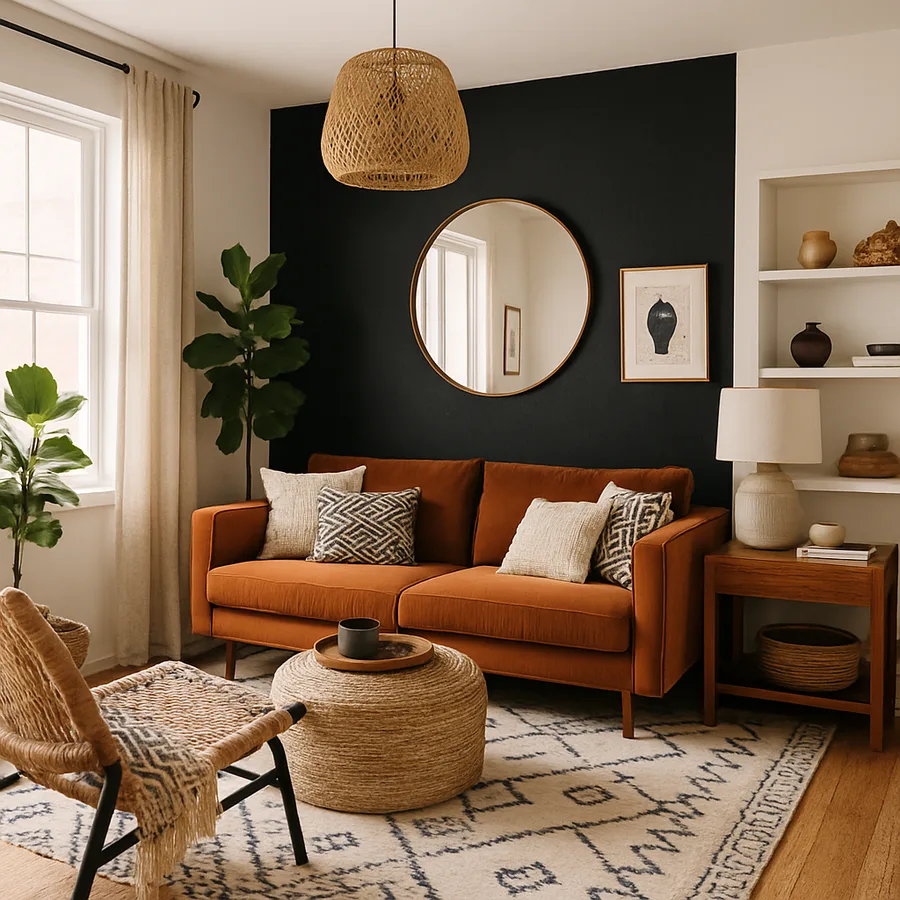
Next, consider your color palette. Color has a profound impact on mood and perception. Light colors can make a small space feel larger, while dark hues create a cozy ambiance. When selecting colors, experienced professionals often recommend starting with a neutral base and adding pops of color through accessories like pillows, rugs, and artwork. This approach provides flexibility to change the look of a room without a complete overhaul.
Lighting is another critical element. Layered lighting, which includes ambient, task, and accent lighting, can dramatically alter the mood and functionality of a space. For instance, dimmable overhead lights paired with focused task lighting in a kitchen can provide both general illumination and specialized light for cooking. Have you evaluated your current lighting setup? Small adjustments could make a big difference.
Expert-Level Insights for Advanced Design
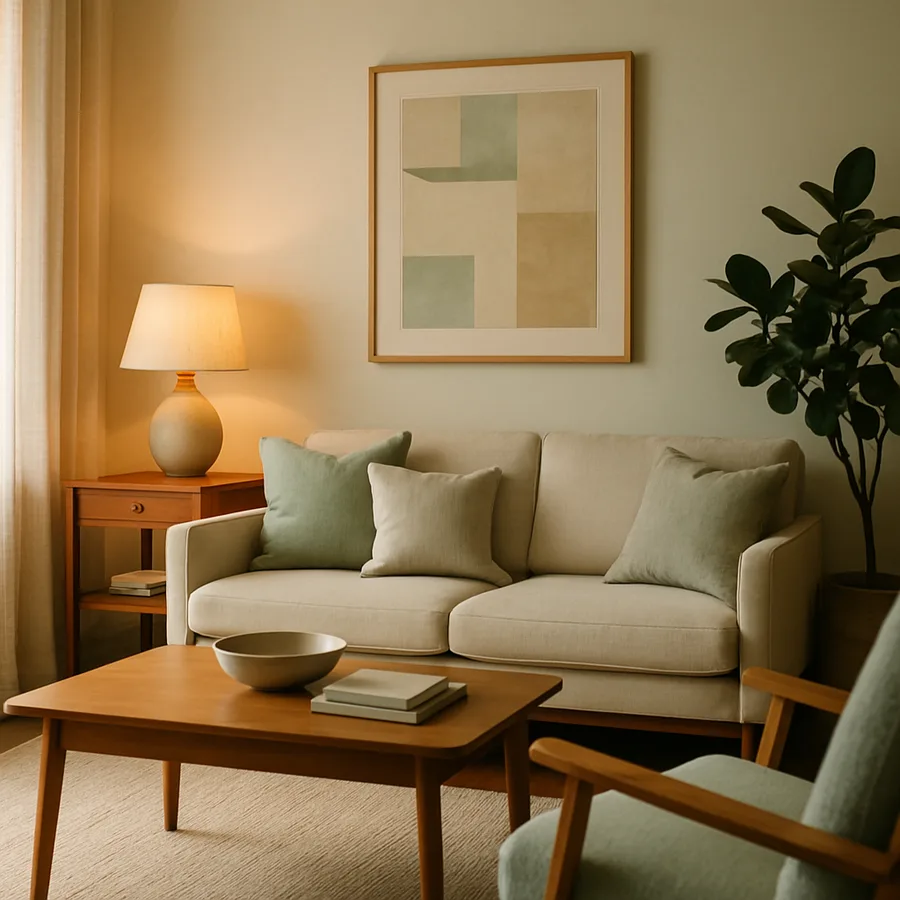
For those looking to dive deeper into the world of interior design, understanding the nuances of advanced design techniques is essential. One such technique is the use of focal points, which draw attention and create visual interest. A statement piece of furniture, a bold piece of art, or even a dramatic architectural feature can serve as a focal point. The key is to ensure that it complements the overall design without overwhelming the space.
Scale and proportion are also vital considerations. These principles ensure that furniture and decor are appropriately sized for the space. A large sectional might dominate a small room, while a petite sofa could get lost in a spacious living area. Experienced designers use scale drawings and mood boards to visualize how different elements will work together, ensuring harmony and balance.
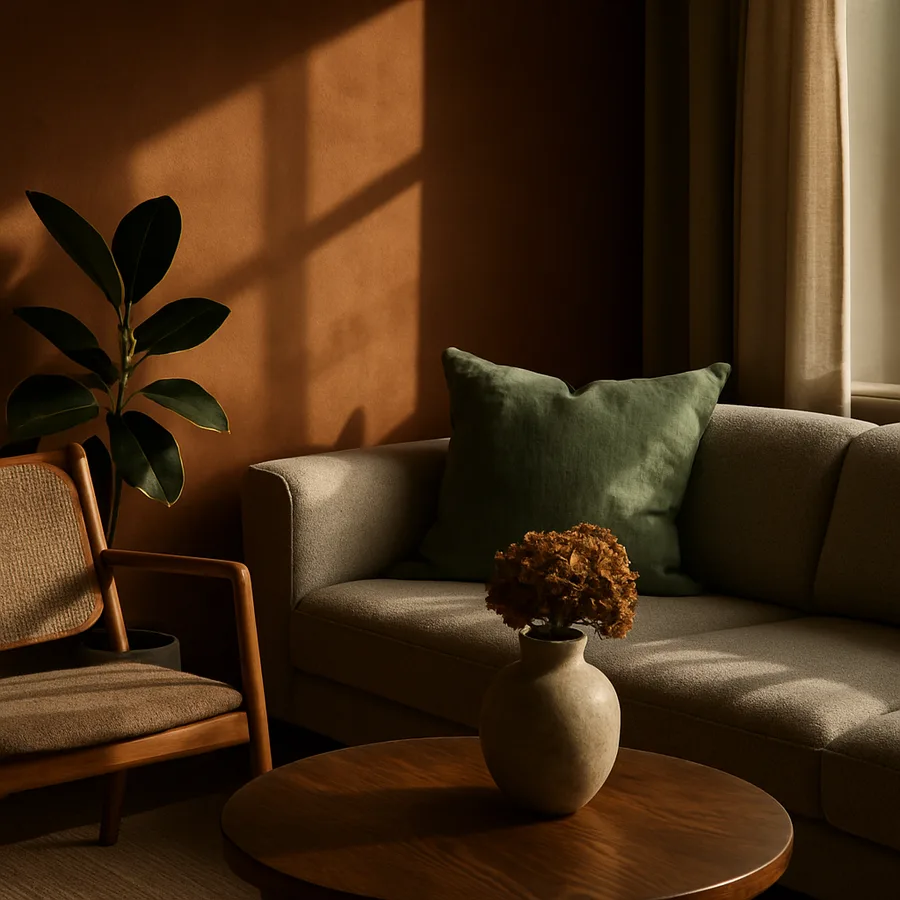
Finally, consider the role of texture. Mixing textures, such as smooth leather, soft velvet, and rough-hewn wood, can add depth and interest to a room. This technique is particularly effective in monochromatic spaces, where varied textures prevent the design from feeling flat. Are you experimenting with textures in your home? Even small changes can create a richer, more inviting environment.
Additional Depth: Understanding the Design Process
The interior design process involves several key phases: concept development, design presentation, procurement, installation, and styling. Each phase is integral to achieving a successful outcome. During concept development, designers collaborate with clients to establish a vision and outline project parameters. This phase often includes initial sketches and mood boards, which help clients visualize the proposed design.
Design presentation follows, where detailed plans and 3D renderings are used to refine the concept. This stage is crucial for ensuring that every aspect of the design aligns with the client's expectations. Tools like AR/VR room visualization are becoming increasingly popular, allowing clients to explore their redesigned space virtually before any physical changes are made.
Once the design is finalized, the procurement phase begins. This involves sourcing furniture, fixtures, and materials, often leveraging relationships with vendors to secure the best options. Installation and styling bring the design to life, as each element is carefully placed and adjusted to achieve the desired effect. These phases require meticulous attention to detail, ensuring that the final result meets the highest standards.
Final Perspectives on Transforming Your Space
Transforming your space with interior design expertise is a journey that combines creativity, technical skill, and meticulous planning. By understanding foundational concepts, staying informed about trends, and applying actionable strategies, you can create spaces that are both beautiful and functional.
Remember, design is personal. What works for one person may not suit another. Take the time to explore different styles, experiment with layouts, and embrace the process. As you transform your space, consider how each decision enhances your lifestyle and brings joy to daily life. Are you ready to start your design journey?
Conclusion
Incorporating expert interior design tips can truly transform your space into one that reflects your style and enhances your daily life. From understanding foundational concepts to applying advanced techniques, the journey of redesigning your home is both rewarding and enlightening. As you embark on this transformation, remember to plan meticulously, stay informed about trends, and seek out professional insights when needed.
Now is the perfect time to take action. Start by browsing designer portfolios on platforms like Houzz this week. Even 20 minutes of research can sharpen your eye for what you want and inspire your next steps. Whether you're redecorating a single room or tackling a full-home renovation, the possibilities are endless. Happy designing!
More Articles You May Like


Comments
Post a Comment