Master Interior Design: Transform Your Space with Expert Techniques and Tips
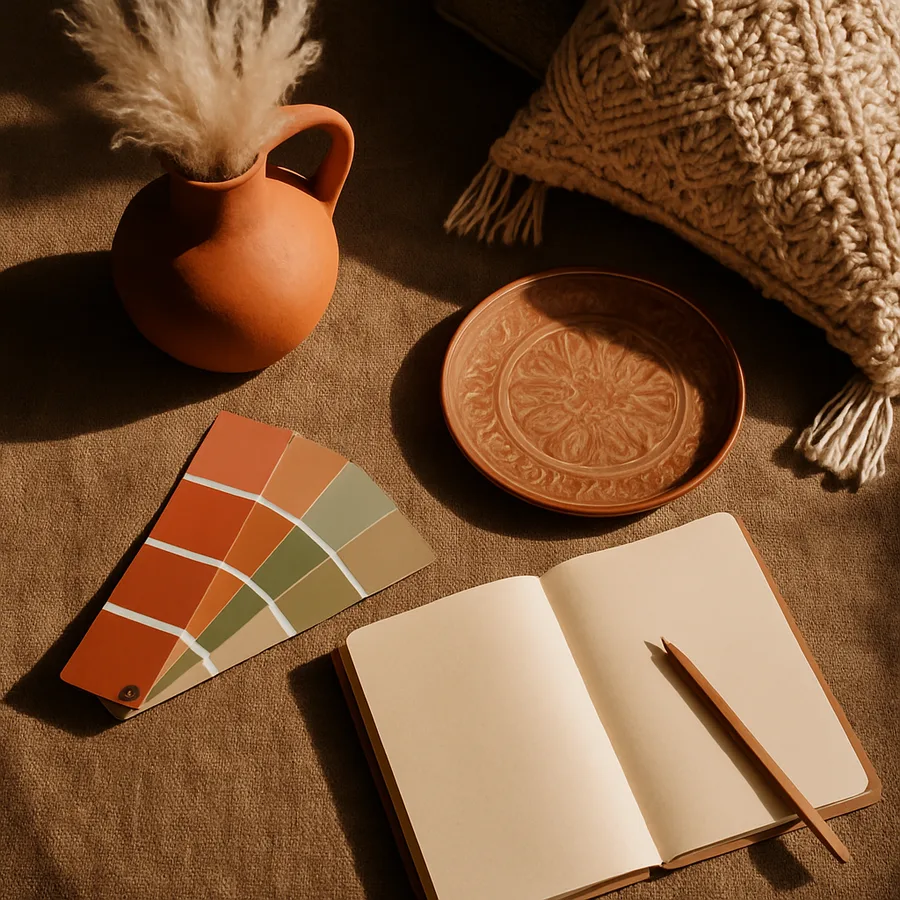
Have you ever walked into a room and felt an inexplicable sense of harmony and style? That transformative power is what expert interior design can bring to your space. According to the American Society of Interior Designers (ASID), a well-designed interior can boost your home's resale value by 5-15%. But how do you achieve such an impactful transformation in your own home? This article will explore the current landscape of interior design, the key factors driving change, what research reveals, practical implications for you, expert perspectives, and what the future holds for this dynamic field.
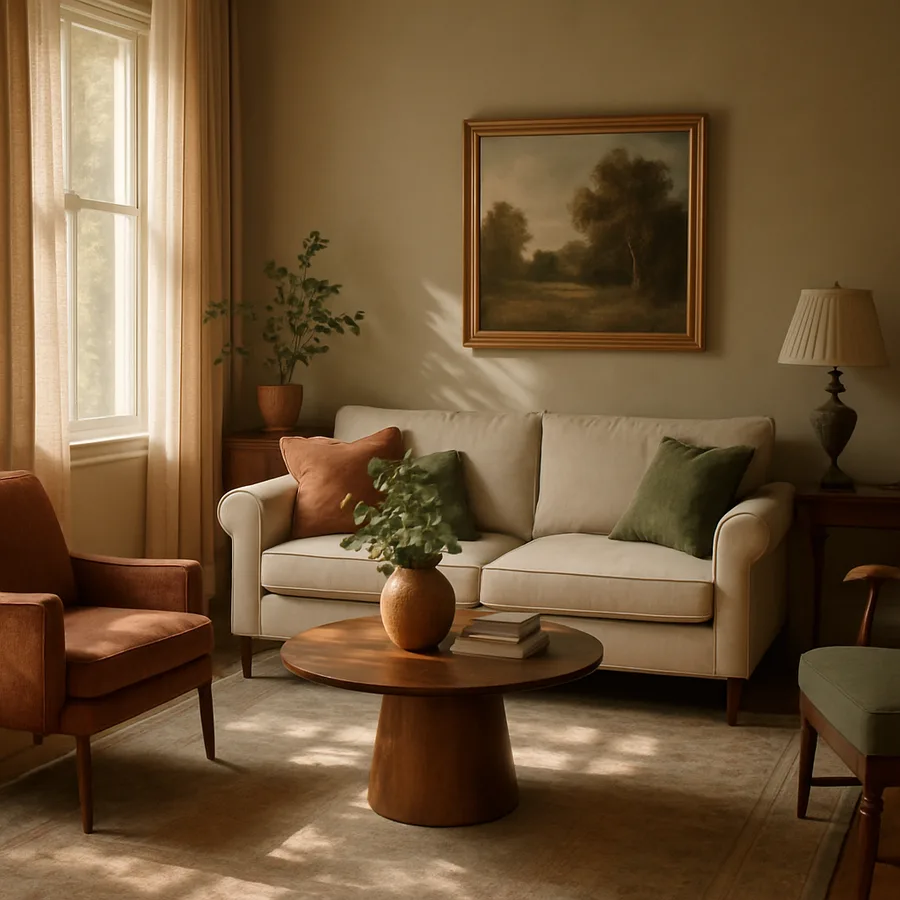
The Current Landscape
The realm of interior design has expanded significantly, with an increasing number of homeowners recognizing the value of professional input. Today, more than ever, people are turning to certified interior designers to create spaces that are both functional and aesthetically pleasing. This surge is partly due to the accessibility of platforms like Houzz, where homeowners can browse designer portfolios and project photos, gaining inspiration and clarity on available services.
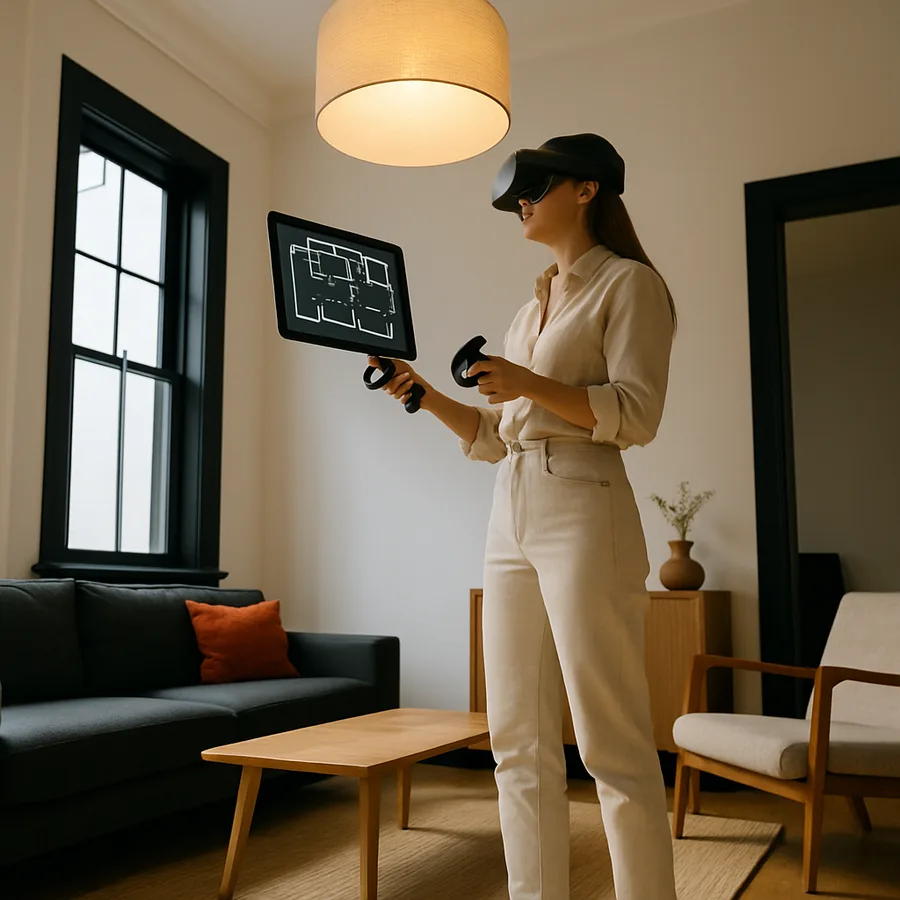
Furthermore, the integration of technology in interior design has transformed how projects are conceptualized and executed. Designers now use advanced tools such as AR/VR visualization to provide clients with a virtual walk-through of their redesigned spaces before any physical changes occur. This not only helps in aligning client expectations but also in refining design choices early in the process.
Design trends are also evolving, with biophilic design, quiet luxury, and smart home integration leading the charge. These trends reflect a growing desire for sustainable and technologically advanced living spaces. As more homeowners opt for these styles, the demand for knowledgeable and skilled interior designers continues to rise, setting the stage for the next big changes in the industry.
Key Factors Driving Change
Several key factors are driving the evolution of interior design, one of which is the shift towards sustainability. The use of sustainable and reclaimed materials has become a priority for many design professionals. Organizations like the International Interior Design Association (IIDA) emphasize the importance of eco-friendly practices in their guidelines and certifications, encouraging designers to adopt greener solutions.
Additionally, the incorporation of smart technology in homes is reshaping interior design. Smart lighting, climate control, and automated window treatments are no longer luxuries but essentials in modern home design. This trend is supported by data from industry surveys, which indicate that a significant percentage of new home projects include smart home features as a standard offering, enhancing both convenience and energy efficiency.
Another factor is the changing demographics of homeowners. Millennials, who are now the largest group of homebuyers, prioritize personalization and unique design elements that reflect their lifestyles. This has led to an increase in demand for bespoke design solutions that cater to individual tastes and preferences, further pushing the boundaries of traditional interior design approaches.
What the Research Shows
Research conducted by the American Society of Interior Designers reveals that homeowners who invest in professional interior design report higher satisfaction levels with their living spaces. A recent survey indicated that 84% of respondents felt that their redesigned homes significantly enhanced their quality of life, underscoring the tangible benefits of expert design intervention.
Moreover, Houzz's annual survey data highlights that spending on home renovations has consistently increased over the past few years, with a notable rise in investment per project. The average spend on kitchen remodels, for example, has jumped by 20%, reflecting homeowners' willingness to allocate substantial budgets for quality design and materials.
These findings are consistent with industry observations that well-designed interiors not only improve day-to-day living but also contribute to long-term financial gains. As such, understanding the impact of design decisions and the value they add is crucial for anyone considering a home renovation project.
Practical Implications for You
How can you apply these insights to your own living space? Start by evaluating the functionality of each room. Consider where you spend most of your time and what activities you engage in. Once you have a clear understanding of how your space is used, you can begin to make informed design choices that enhance both form and function.
Incorporating elements of biophilic design can create a calming and rejuvenating atmosphere. Introduce natural materials like wood and stone, and consider adding a living wall or indoor plants to bring the outdoors in. These elements not only improve air quality but also promote well-being and a connection to nature.
For those interested in smart home features, prioritize areas that offer the most convenience and energy savings. Installing smart lighting systems that adjust based on natural light levels can significantly reduce energy consumption while creating the perfect ambiance at any time of day. Would this be a feature that enhances your living experience?
Expert Perspectives
Experienced professionals often note that one of the most critical aspects of successful interior design is understanding the client's vision and lifestyle. This is where certified interior designers, holding credentials like the NCIDQ (National Council for Interior Design Qualification), truly excel. They possess the expertise to translate your ideas into practical, stylish solutions while ensuring compliance with safety and building codes.
According to industry experts, another key to mastering interior design is staying abreast of trends without becoming a slave to them. Trends like Japandi, which blends Japanese minimalism with Scandinavian warmth, offer timeless elegance and can be adapted to suit various tastes. How can you incorporate such trends while maintaining your personal style?
Collaboration with professionals is also highly recommended. By engaging with designers on platforms like Houzz, you can access a wealth of ideas and expertise that can significantly elevate your project's outcome. Even if you choose a DIY approach, consulting with a professional can provide invaluable insights.
Looking Ahead
As we look to the future, the field of interior design is poised for continued innovation and growth. The integration of augmented reality and virtual reality tools is expected to become even more sophisticated, offering clients immersive design experiences that were once unimaginable. This technology will likely become a staple in the designer's toolkit, revolutionizing how spaces are conceptualized and brought to life.
Moreover, the focus on sustainable and smart design is anticipated to intensify, driven by both consumer demand and regulatory requirements. Designers will need to continuously adapt, embracing new materials and technologies to meet the evolving needs of environmentally conscious homeowners.
What does this mean for you as a homeowner? Staying informed about these trends and technological advancements will empower you to make better design choices and ensure your home remains a sanctuary that reflects both your values and lifestyle.
Conclusion
Mastering interior design involves more than just selecting the right colors and furniture. It requires a deep understanding of current trends, technological advancements, and sustainable practices. By leveraging expert techniques and insights from professionals, you can transform your space into a functional and stylish environment that enhances your quality of life.
Are you ready to embark on your interior design journey? Start by browsing designer portfolios on Houzz this week. Even dedicating just 20 minutes to research can sharpen your eye for what you truly want. With the right guidance and inspiration, your dream space is within reach.
More Articles You May Like


Comments
Post a Comment