Top 10 Interior Designers: Transform Your Space with Expert Tips
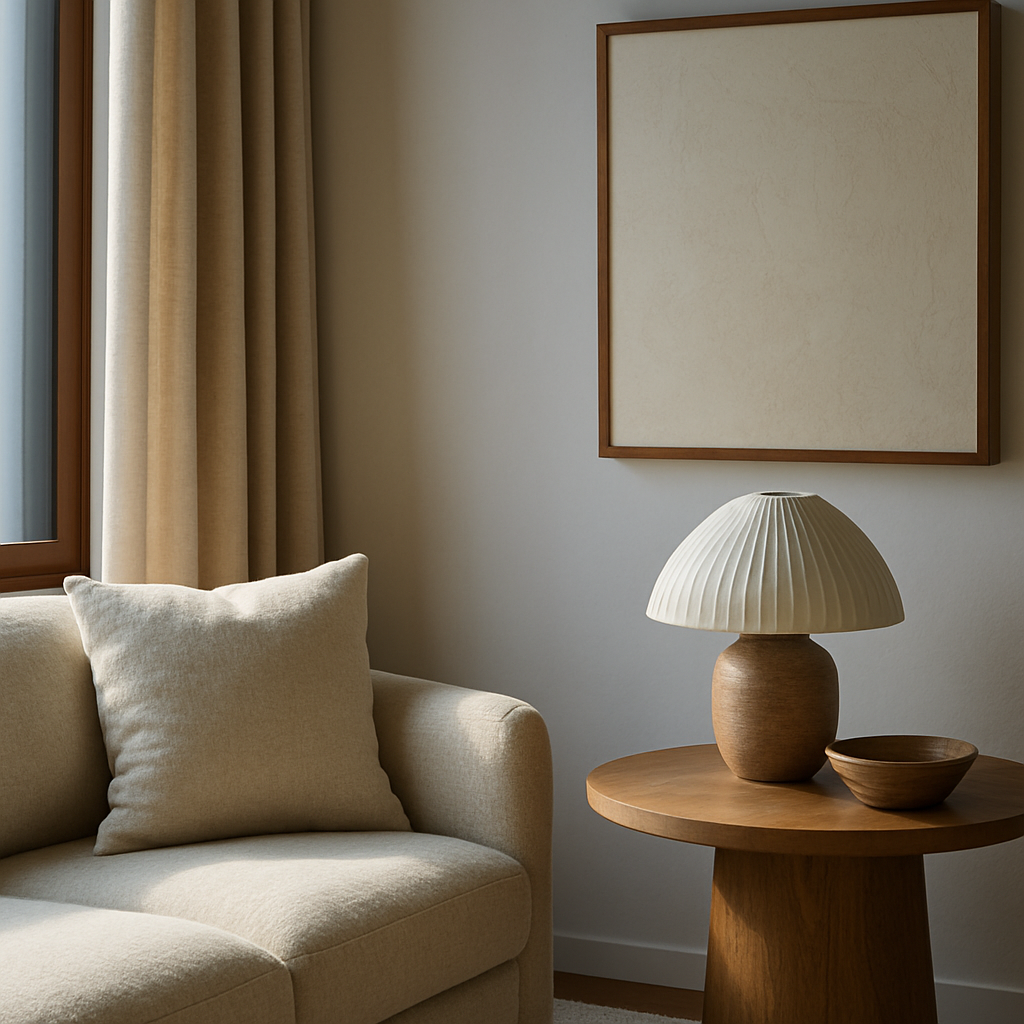
The difference between a room that functions and a room that transforms is almost always the presence of professional design intelligence. Top interior designers do not simply select pretty objects and arrange them attractively; they solve spatial problems, anticipate how people move and live within environments, orchestrate sensory experiences through light, texture, color, and proportion, and create homes that feel simultaneously effortless and extraordinary. Learning from the approaches and philosophies of leading design professionals provides a shortcut to understanding what makes great interiors work. The American Society of Interior Designers (ASID) represents thousands of qualified professionals whose collective expertise shapes the residential and commercial landscapes globally. According to Houzz industry data, homeowners who work with professional designers report significantly higher satisfaction with their completed projects compared to those who undertake design decisions without professional guidance. This exploration of expert principles and practical tips distills the wisdom of elite design practice into actionable advice you can apply in your own home. Which professional insight might unlock the transformation you have been seeking?
Master the Art of Spatial Proportion and Flow
Elite designers understand that the success of any interior begins with spatial proportion and circulation flow, decisions made long before a single piece of furniture is purchased or a paint color selected. Proportion refers to the size relationships among elements within a room: the height of furniture relative to ceiling height, the scale of artwork relative to the wall it occupies, the width of a dining table relative to the room dimensions. When these relationships are correct, a room feels balanced and comfortable even before you consciously register why. When they are wrong, no amount of decorative effort can overcome the underlying spatial discomfort. Professional designers develop an instinctive sense of proportion through education and experience, and they apply it as the foundational layer upon which all aesthetic decisions are built.
Circulation flow, the pathways people naturally follow as they move through and within rooms, is equally critical. Designers plan furniture layouts by first mapping the primary traffic routes from door to door, from entry to seating, from kitchen to dining table, and ensuring that these paths are clear, intuitive, and generously proportioned. A minimum of 36 inches for major traffic lanes and 18 inches for minor pathways between furniture pieces ensures comfortable movement without squeezing or awkward navigation. The placement of furniture should gently direct flow rather than obstruct it, creating a sense of ease that occupants feel physically even if they never articulate it consciously. The NCIDQ examination tests these spatial planning competencies rigorously because they are fundamental to professional practice and occupant safety.
You can apply proportion and flow principles in your own home with a measuring tape and a critical eye. Start by measuring your room dimensions and ceiling height, then evaluate whether your largest furniture pieces are appropriately scaled. A sofa that occupies more than one-third of a living room wall will dominate the space uncomfortably; artwork hung too high or too small for its wall will float disconnected from the room composition. Walk your natural paths through each room and identify any points where you habitually sidestep furniture, squeeze between objects, or navigate awkwardly. These friction points indicate flow problems that can be resolved through furniture repositioning, often at zero cost. The transformation that results from correcting proportion and flow issues is frequently dramatic, making rooms feel simultaneously more spacious and more cohesive without changing a single material or color.
Layer Textures to Create Visual and Tactile Depth
One of the most distinctive skills that separates professional designers from enthusiastic amateurs is the mastery of textural layering. In any well-designed room, you will find a deliberate composition of smooth and rough, matte and reflective, soft and structured surfaces that creates visual richness and invites physical interaction. A polished marble coffee table gains presence when placed on a nubby wool rug, beside a velvet sofa, with a hammered brass lamp nearby. Each surface interacts with light differently, creating subtle visual movement throughout the day as natural illumination shifts. This layered approach produces the intangible quality that designers describe as depth, the sense that a room has complexity and interest that rewards sustained attention and makes occupants feel genuinely comfortable.
The quiet luxury movement has elevated textural awareness to the center of contemporary design philosophy. When color palettes are restrained, as they are in Japandi and minimalist interiors, texture becomes the primary vehicle for visual interest and emotional warmth. A monochromatic room in shades of cream and warm white could feel clinical and flat, or it could feel rich, enveloping, and sophisticated. The difference lies entirely in the textural composition: linen curtains with a visible weave, a plaster wall finish with subtle tonal variation, a bouclé upholstered chair with dimensional yarn loops, a stone-top side table with honed rather than polished surface, and a hand-knotted wool rug with varied pile heights. Each element is neutral in color but distinct in texture, and their combination creates an environment that is quietly thrilling to inhabit. Architectural Digest and AD PRO feature textural layering as a hallmark of the most admired contemporary residential projects.
To develop your own textural literacy, begin by touching everything in your room and categorizing each surface. You will likely discover that many of your furnishings share similar textural qualities, smooth, uniform, and synthetic, which produces the visual flatness that makes rooms feel uninspired. Introduce contrast deliberately: if your sofa is smooth leather, add cushions in chunky knit or raw linen. If your floors are polished hardwood, layer a textured natural fiber rug. If your walls are smooth drywall, consider a textured wallcovering, limewash paint, or a featured section of natural stone or reclaimed wood. The International Interior Design Association (IIDA) emphasizes material and texture knowledge in its professional development programs because these elements are as fundamental to successful design as color and proportion. Do you notice which textures in your current home bring you the most sensory satisfaction?
Use Color With Strategic Intention
Professional designers approach color not as a matter of personal preference alone but as a strategic tool that shapes spatial perception, emotional response, and visual coherence. Color can make a small room feel expansive or an oversized room feel intimate. It can energize a workspace, calm a bedroom, stimulate appetite in a dining room, or create a sense of sanctuary in a bathroom. The most effective color strategies begin with understanding the existing fixed elements in a space, including flooring, cabinetry, architectural stone, and exterior views, and building a palette that harmonizes with these immovable assets. Designers who attempt to impose a color scheme that fights the existing context create tension that occupants feel instinctively, even if they cannot identify its source.
The 60-30-10 rule provides a reliable framework for color distribution that designers have used for generations. Approximately 60 percent of a room's visible surface area should be the dominant color, typically walls and large furniture pieces, creating a cohesive backdrop. Thirty percent should be a secondary color, applied through upholstery, window treatments, and substantial accessories, providing visual interest and contrast. The remaining ten percent is reserved for accent colors that punctuate the composition through small objects, artwork, and decorative elements. This proportional distribution creates a sense of intentional design without formula-driven rigidity. Within this framework, the specific colors selected can range from bold and saturated to subtle and tonal, depending on the atmosphere you wish to create. ASID resources on color theory provide homeowners with accessible guidance on building palettes that achieve specific emotional and spatial objectives.
One expert tip that transforms amateur color application is the strategic use of undertones. Every paint color carries an undertone, a subtle secondary hue that becomes visible when the color is applied to a large surface and viewed under different lighting conditions. A white paint may have blue, yellow, pink, or green undertones that dramatically affect how it reads in a room. A gray can lean warm with brown or taupe undertones, or cool with blue or violet undertones. Mismatched undertones between adjacent surfaces create a subtle visual discord that makes rooms feel unresolved. Designers resolve this by testing colors under the specific lighting conditions of each room, evaluating large samples on actual walls rather than relying on small swatches viewed under store lighting. This single practice of undertone matching, simple but frequently overlooked, accounts for much of the color success that distinguishes professionally designed spaces from well-intentioned but visually uncoordinated rooms.
Curate Art and Accessories With Restraint
The curation of art and accessories is where many homeowners struggle most, oscillating between spartan minimalism and overwhelming accumulation. Professional designers navigate this tension through a principle of intentional restraint: every displayed object should earn its place through aesthetic merit, emotional significance, or functional purpose, and ideally through a combination of all three. A shelf displaying three carefully chosen ceramic vessels of varying heights and textures makes a more powerful visual statement than the same shelf crowded with twelve unrelated decorative objects competing for attention. This editing discipline is perhaps the most valuable skill that designers bring to residential projects, and it is the one that clients most frequently cite as transformative.
Art selection and placement follow principles that designers apply with precision but that homeowners can learn to replicate. Artwork should be hung at eye level, with the center of the piece approximately 57 to 60 inches from the floor, a standard derived from gallery practice. In rooms with high ceilings, art can be positioned slightly higher, but the relationship between the artwork and the furniture below it should be visually connected, with no more than six to eight inches of wall space between the bottom of the frame and the top of the furniture piece. Groupings of multiple artworks should be planned as a unified composition, with consistent spacing between pieces and a deliberate relationship in scale, color palette, or subject matter. The total width of an art grouping should be approximately two-thirds to three-quarters of the width of the furniture below it, creating visual proportion. These are not rigid rules but reliable guidelines that prevent the most common placement errors.
Accessories, including decorative objects, books, plants, candles, and sculptural elements, should be arranged in intentional vignettes rather than scattered randomly across surfaces. Professional designers compose these arrangements using principles borrowed from still life painting: varying heights create dynamic visual movement, groupings of odd numbers feel more natural than even pairs, and a mix of materials, including ceramic, glass, metal, wood, and organic elements, creates the textural richness discussed earlier. Negative space, the empty surface around and between objects, is as important as the objects themselves because it provides visual rest and allows each element to be appreciated individually. Houzz editorial features regularly demonstrate how effective accessory curation transforms rooms from cluttered to curated, and the principle always involves removing rather than adding. Begin your own curation process by removing half the accessories from a surface, then evaluating whether the result feels more impactful than the original arrangement.
Design Lighting as Architecture Rather Than Decoration
Elite designers treat lighting not as an afterthought or a decorative flourish but as a fundamental architectural element that shapes the perception of every surface, color, and spatial proportion in a room. The quality, direction, intensity, and color temperature of light determine how materials are perceived, how large a room feels, where attention is drawn, and what emotional atmosphere is established. A room with a single overhead fixture casting flat, even illumination from above will always feel institutional regardless of how beautiful its furnishings are. The same room with layered lighting, including indirect ambient light washing walls from concealed sources, focused task light at work and reading positions, and accent light highlighting art and architectural features, becomes a rich, dimensional, emotionally engaging environment.
The most transformative lighting technique that professionals employ is the use of multiple light sources at varying heights. Floor lamps, table lamps, wall sconces, pendant fixtures, under-cabinet strips, and concealed architectural lighting each occupy a different vertical position in the room, creating a three-dimensional light composition that eliminates harsh shadows and provides depth. Designers typically specify a minimum of three to five light sources per room, each on its own switch or dimmer circuit, allowing the composition to be adjusted for different activities and times of day. Morning light for energized activity might engage bright task fixtures and cool-toned ambient sources. Evening light for relaxation might rely on warm table lamps, sconces, and candlelight. The ability to shift the lighting composition dramatically changes the room's character without moving a single piece of furniture, which is why designers consider lighting control the most versatile design tool available.
Smart home lighting technology has expanded the possibilities for architectural lighting design exponentially. Tunable LED systems that adjust color temperature from cool daylight to warm candlelight throughout the day support circadian health while providing aesthetic flexibility. Scene programming allows homeowners to save favorite lighting compositions and recall them instantly. Motion-activated lighting in hallways, closets, and bathrooms provides convenience while reducing energy waste. Integrated lighting within cabinetry, shelving, and architectural millwork creates a sense of luxury that recessed cans alone cannot achieve. Designers working at the high end of residential practice, where consultation fees range from $250 to $500 per hour, consider lighting design a core deliverable that receives as much creative attention as furniture selection and material specification. The investment in professional lighting design consistently ranks among the highest-return improvements in client satisfaction surveys.
Prioritize Comfort as the Foundation of Luxury
The most important insight shared by top designers across every aesthetic specialization is that true luxury is defined by comfort, not by price tags, brand names, or visual drama. A room filled with expensive furniture that looks impressive but feels uncomfortable to sit in, walk through, or relax within has failed at its most fundamental purpose. Elite designers test every piece of seating personally, evaluating seat depth, back support, cushion firmness, and arm height before specifying it for a client. They measure dining chair heights against table surfaces to ensure comfortable ergonomic relationships. They evaluate rug textures underfoot, bedding softness against skin, and hardware grip in the hand. This tactile, experiential approach to selection is what distinguishes spaces designed by true professionals from those assembled primarily for visual impact.
Comfort extends beyond furniture to encompass the complete sensory environment. Acoustic comfort, the quality of sound within a room, is profoundly affected by material selections. Hard surfaces such as glass, stone, and polished wood reflect sound waves and create echoing, fatiguing environments, while soft surfaces such as upholstery, drapery, rugs, and acoustic panels absorb sound and create the quiet intimacy that makes conversation pleasant and relaxation possible. Thermal comfort depends on material choices including window treatments that moderate solar heat gain, area rugs that insulate cold floors, and seating positioned away from drafts. Olfactory comfort involves selecting materials that contribute positively to indoor air quality rather than off-gassing chemical odors. The IIDA recognizes sensory comfort as a core dimension of design quality, reflecting the profession's understanding that occupant experience is the ultimate measure of design success.
Applying the comfort-first principle in your own home begins with honest self-observation. Sit in every chair and on every sofa in your home and notice which ones you naturally gravitate toward and which ones you avoid. The pieces you avoid are failing the comfort test regardless of how they look. Walk barefoot through each room and notice how different floor surfaces feel. Stand in each space and listen to how sound behaves, whether voices echo or are absorbed into comfortable quiet. Identify the spots where temperature is uncomfortable due to drafts, radiant heat, or inadequate insulation. These physical observations reveal the comfort gaps in your current environment and provide a prioritized improvement agenda. Addressing comfort deficiencies often costs less than aesthetic upgrades and delivers dramatically higher returns in daily satisfaction and wellbeing. Have you audited your home for comfort as deliberately as you have considered its visual appearance?
Conclusion
The expert principles explored here, from spatial proportion and textural layering to strategic color use, restrained curation, architectural lighting, and comfort-first luxury, represent the collective wisdom of the interior design profession distilled into actionable guidance. These are not fleeting trends but enduring fundamentals that top designers apply to every project regardless of style, budget, or scale. Organizations including ASID, NCIDQ, and IIDA maintain these professional standards because they consistently produce spaces that function better, look more cohesive, and feel more satisfying than spaces designed without this disciplined foundation. The most encouraging aspect of professional design knowledge is that much of it can be applied by motivated homeowners who are willing to observe, measure, edit, and iterate with patience and intention. Begin with the principle that resonates most strongly with your current challenges, whether that is correcting proportion, adding textural depth, refining color, editing accessories, improving lighting, or prioritizing comfort, and apply it to a single room as a learning exercise. The transformation that results will motivate you to continue, and with each application your design instincts will sharpen. Your home deserves the benefit of professional thinking, and you are more capable of providing it than you may realize.
More Articles You May Like


Comments
Post a Comment