Unlocking Neil Interior Design: Transform Your Space with These Expert Tips
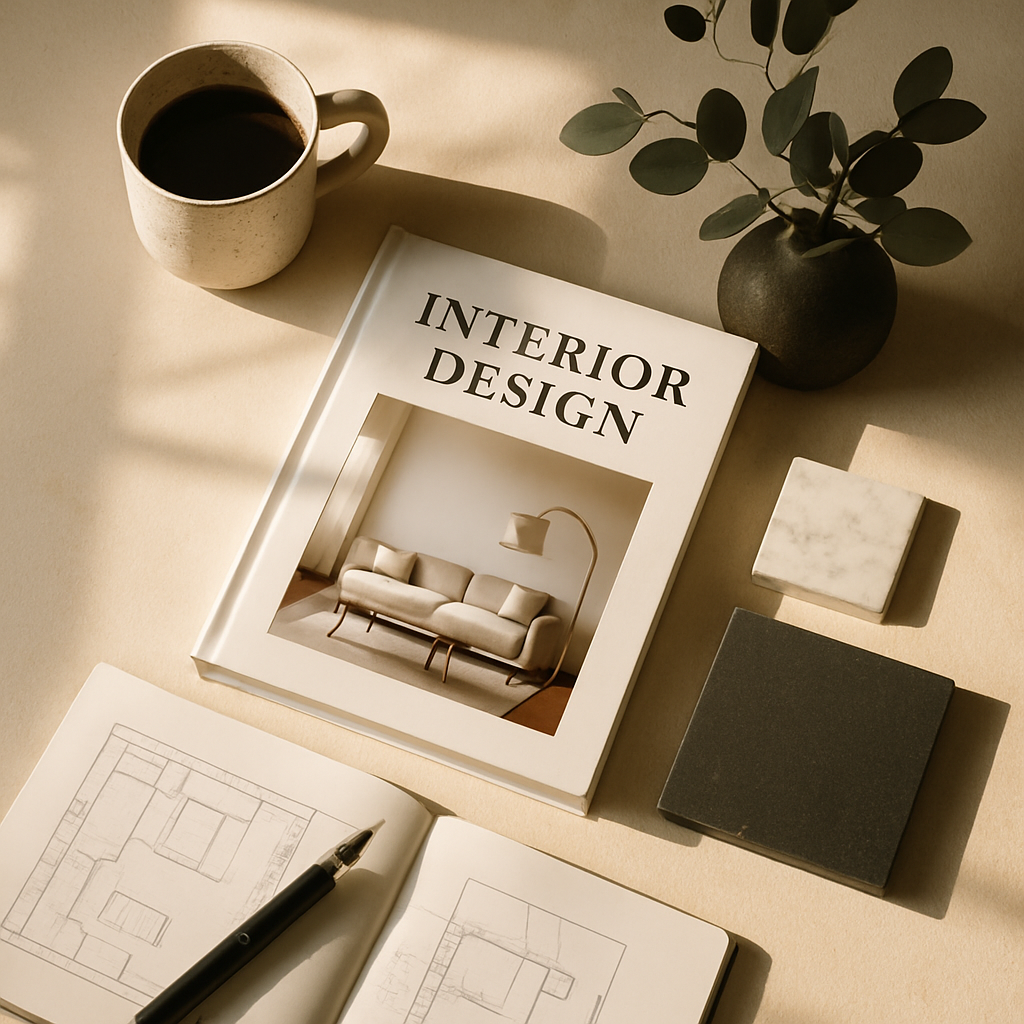
Have you ever walked into a room that felt just right, where every detail seemed perfectly orchestrated? That's the magic of well-executed interior design. According to Houzz's annual survey, homeowners who invest in professional interior design often report a 5-15% increase in their home's resale value. This statistic underscores the significant impact that thoughtful design can have. In this article, we'll explore the core principles of Neil interior design and provide you with expert tips to transform your space into a harmonious and functional haven. We'll delve into foundational concepts, analyze design trends, offer actionable strategies, and present expert-level insights. Whether you're redesigning a single room or your entire home, these tips will guide you in creating a space that truly reflects your style and needs.
The Foundations of Neil Interior Design
The foundation of Neil interior design rests on the seamless integration of functionality and aesthetics. This design philosophy emphasizes the importance of understanding how a space is used daily. For instance, mapping out where you drop your keys, where the kids do homework, and where you relax at the end of the day can significantly influence design decisions. Experienced professionals often note that this practical approach ensures that every design element serves a purpose beyond mere decoration.
Moreover, Neil interior design prioritizes the balance between personal expression and timeless style. Incorporating elements that reflect your personality while adhering to classic design principles can result in a space that feels both fresh and enduring. This might mean using a favorite color palette in a way that complements the room's architecture or selecting furniture that offers both comfort and style.
Understanding spatial flow is another critical aspect of this design approach. How you move through a room can dictate furniture placement and traffic patterns. By considering these factors, Neil interior design creates spaces that are easy to navigate and visually appealing. This foundational understanding sets the stage for more detailed design decisions, which we will explore in the next section.
Analyzing Current Design Trends
Staying abreast of current design trends is crucial for anyone looking to implement Neil interior design principles. One trend that continues to gain momentum is biophilic design, which integrates natural elements into the home. This can include using natural materials like wood and stone, incorporating living plants, or designing with an indoor-outdoor flow in mind. According to the American Society of Interior Designers (ASID), biophilic design not only enhances aesthetics but also improves mental well-being.
Another trend that's making waves is the integration of smart home technology. From automated lighting and climate control to smart window treatments, these innovations offer both convenience and energy efficiency. A survey by ASID found that over 50% of homeowners are now considering smart integrations during their renovations, reflecting a growing demand for technology in interior spaces.
Quiet luxury and understated elegance are also gaining popularity. This trend emphasizes quality over quantity, focusing on high-end materials and craftsmanship without overt showiness. The idea is to create a luxurious feel that whispers rather than shouts. As we explore actionable strategies in the next section, consider how these trends might align with your personal design goals.
Actionable Strategies for Implementing Design
Implementing Neil interior design in your home involves a series of strategic decisions. Start by setting a clear budget. For a single room redesign, professionals typically recommend allocating between $5,000 and $15,000, while a full-home renovation might require $50,000 to $150,000 or more. This budget should account for design fees, materials, and potential contingencies. Knowing your financial parameters will help guide your decision-making process.
Next, consider working with a certified interior designer. Look for credentials such as NCIDQ (National Council for Interior Design Qualification) or membership in organizations like the International Interior Design Association (IIDA). These professionals bring a wealth of knowledge and experience, ensuring that your project is executed to the highest standards.
Finally, involve yourself in the design process. Use platforms like Houzz and Pinterest to gather inspiration and communicate your vision with your designer. These tools allow you to create mood boards and visualize different concepts. As you move forward, keep an open line of communication with your designer to ensure that your space reflects your evolving tastes and needs.
Expert Insights into Neil Interior Design
Experienced interior designers often emphasize the importance of flexibility and adaptability in the design process. As your lifestyle changes, so too should your space. For instance, a room that once served as a nursery might need to transform into a study or guest room. By selecting versatile furniture and decor, you can easily adapt your space to meet new demands.
Another key insight is the use of color and lighting to influence mood and perception. Warm colors and soft lighting can create a cozy, inviting atmosphere, while cool tones and brighter lights might be better suited for workspaces. According to research from Architectural Digest's AD PRO network, thoughtful color and lighting choices can significantly enhance both the functionality and aesthetic appeal of a room.
Finally, don't underestimate the power of texture and layering. Incorporating various textures, such as plush rugs, smooth glass, and rough-hewn wood, adds depth and interest to a space. Layering these elements can create a cohesive yet dynamic environment. With these expert insights in mind, let's delve deeper into additional details that can elevate your design project.
Additional Depth: Integrating Advanced Techniques
Advanced design techniques can further enhance the Neil interior design approach. One such technique is the use of AR/VR room visualization tools. These technologies allow you to virtually explore design options and make informed decisions before any physical changes occur. Many designers now offer these services, providing a cutting-edge way to plan your space with confidence.
Sustainable design is another area where Neil interior design can shine. Consider using reclaimed materials or sourcing furniture from sustainable brands. The International Interior Design Association (IIDA) notes that sustainable choices not only benefit the environment but also often lead to cost savings over time.
Lastly, think about creating a narrative with your design. Each room should tell a story that reflects your personal journey and values. Whether it's through a curated art collection or a unique blend of cultural influences, your home should feel like an extension of your identity. As we wrap up our exploration, consider how these advanced techniques can bring your design vision to life.
Final Perspectives on Interior Design
As you embark on your design journey, remember that the process is as important as the outcome. Engaging with the design process allows you to create a space that truly resonates with your lifestyle and preferences. Don't be afraid to experiment and take risks; sometimes the most unexpected choices lead to the most stunning results.
Reflect on the various elements we've discussed, from foundational concepts to advanced techniques. How can you apply these insights to your own home? Whether you're drawn to biophilic design or the allure of quiet luxury, there's no one-size-fits-all solution. The beauty of Neil interior design lies in its ability to be personalized and adaptive. With this knowledge, you're well-equipped to transform your space into a reflection of who you are.
Conclusion
In conclusion, unlocking the potential of Neil interior design requires a blend of thoughtful planning, expert guidance, and personal expression. By understanding the foundational principles, analyzing current trends, and employing actionable strategies, you can create a space that is both beautiful and functional. As you move forward, consider starting your journey by exploring designer portfolios on Houzz or researching sustainable design options. Even dedicating just 20 minutes a week to this research can make a significant difference. Now is the time to take the first step toward transforming your environment. Your dream space is within reach, and with these expert tips, you have the tools to make it a reality.



Comments
Post a Comment