What is Interior Design? A Comprehensive Guide to Style and Function
What is Interior Design? A Comprehensive Guide to Style and Function
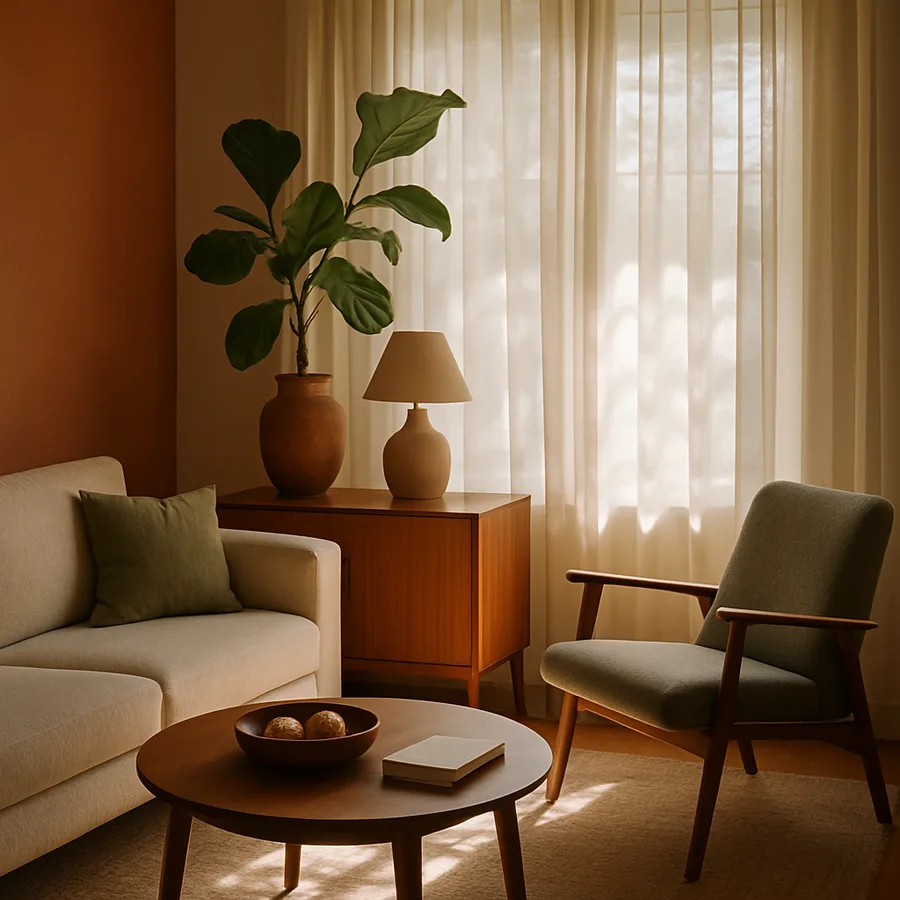
Have you ever walked into a room and felt an immediate sense of calm or excitement? That's the power of interior design at work. Interior design is more than just decorating a space; it is a harmonious blend of aesthetics and functionality that shapes how we experience our environments. According to the American Society of Interior Designers (ASID), well-designed interiors can increase a property's resale value by 5-15%. In this comprehensive guide, we will explore the current landscape of interior design, key factors driving its evolution, cutting-edge research, practical tips for your home, expert opinions, and a look into the future of this dynamic field.
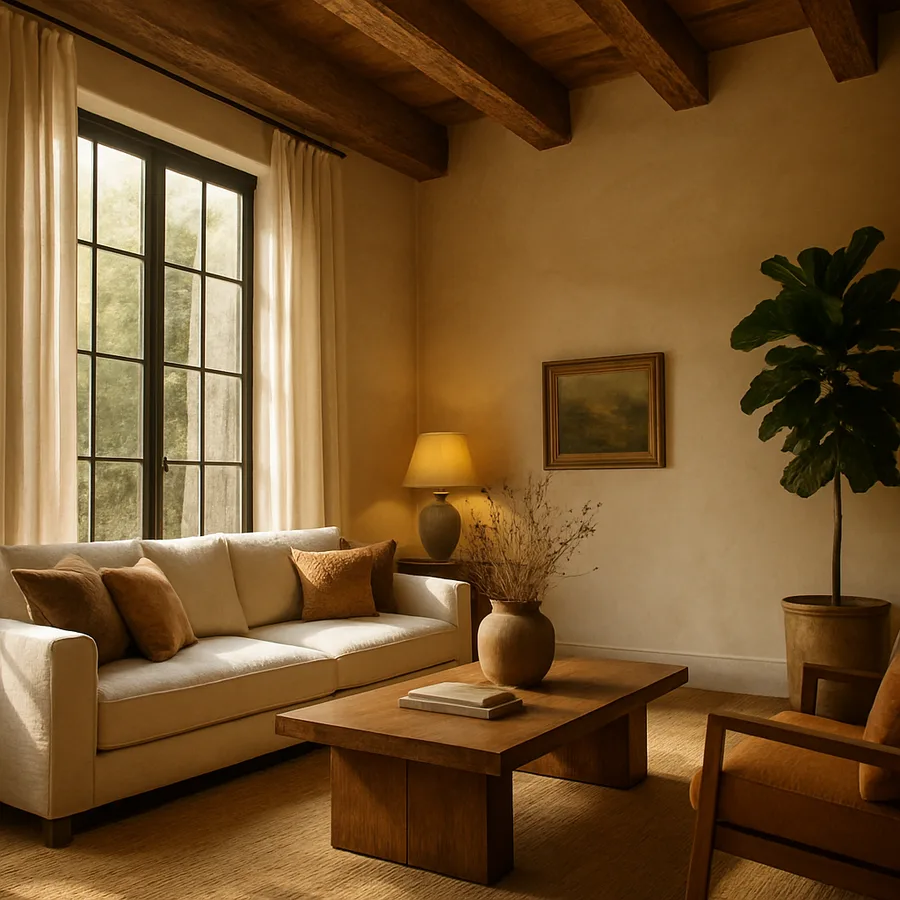
The Current Landscape
Today's interior design landscape is characterized by an eclectic mix of styles, driven by both innovation and tradition. The rise of biophilic design, which integrates natural elements like plants and sunlight into interiors, exemplifies the growing demand for spaces that nurture well-being. This trend is not just about aesthetics; it is rooted in research showing that natural elements can reduce stress and improve mood. Additionally, the quiet luxury movement prioritizes understated elegance over ostentatious displays, focusing on quality materials and craftsmanship.
Furthermore, the incorporation of smart home technology is reshaping how we interact with our living spaces. From automated lighting and climate control to advanced security systems, technology enhances convenience and energy efficiency. According to a survey by Houzz, nearly 45% of homeowners consider smart home integration a priority in their renovation projects. As technology continues to evolve, its role in interior design will only become more pronounced.
However, with these advancements comes the challenge of sustainability. Designers are increasingly turning to sustainable and reclaimed materials to minimize environmental impact. This shift is supported by organizations like the International Interior Design Association (IIDA), which advocates for environmentally responsible design practices. As we delve deeper into the factors driving these changes, you'll see how they impact both designers and homeowners alike.
Key Factors Driving Change
Several factors are driving the evolution of interior design, chief among them being changing lifestyles and technological advancements. The COVID-19 pandemic has fundamentally altered how we utilize our spaces, with many people now working from home. This shift has led to a greater emphasis on multifunctional spaces that can adapt to various needs throughout the day. For instance, living rooms are doubling as home offices, while spare bedrooms are transformed into fitness areas.
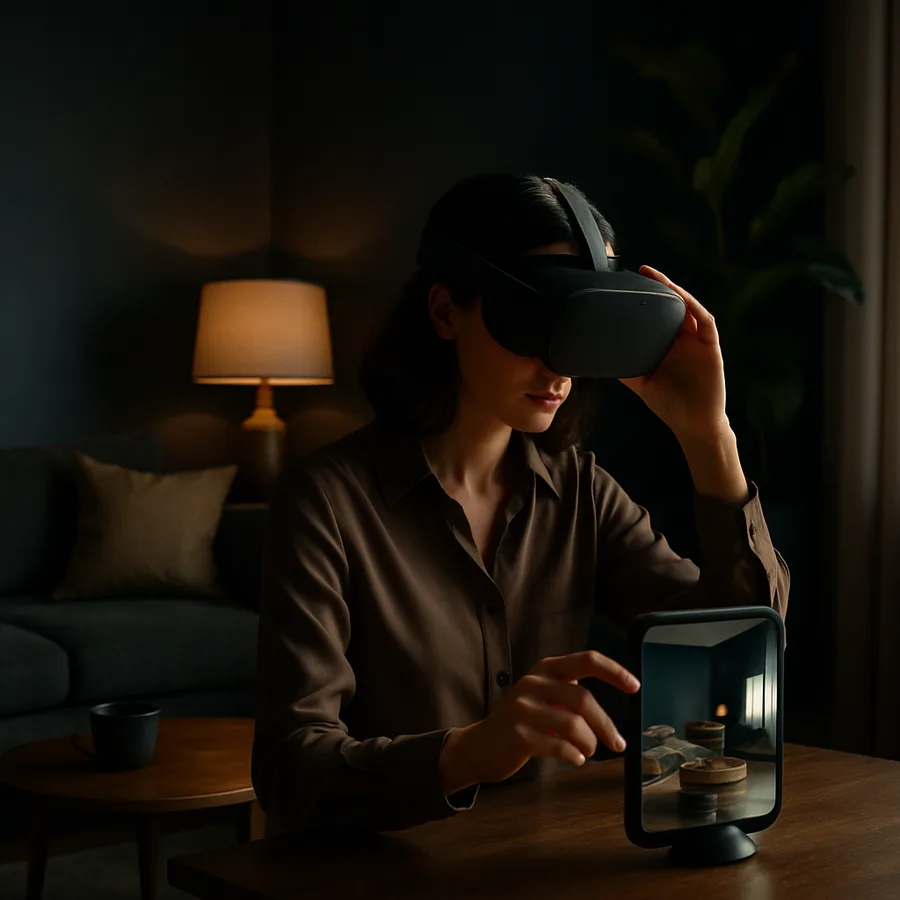
Technological innovation is another significant factor. Augmented reality (AR) and virtual reality (VR) tools are becoming crucial in the design process, allowing clients to visualize changes before they are implemented. This technology not only enhances client satisfaction but also streamlines the decision-making process. According to industry surveys, more than 60% of designers use AR/VR tools to improve client communication and project outcomes.
Finally, cultural shifts and globalization have broadened the palette of design inspirations. The Japandi style, a fusion of Japanese minimalism and Scandinavian warmth, exemplifies this trend. This style highlights simplicity and functionality, appealing to the growing consumer preference for spaces that are both beautiful and practical. As we examine the research behind these trends, consider how they might influence your own design decisions.
What the Research Shows
Research in interior design is increasingly focused on understanding the psychological and emotional impacts of our surroundings. Studies have shown that design elements like color, lighting, and spatial arrangement significantly affect our mental and emotional well-being. For example, a study published in the Journal of Environmental Psychology found that natural light and open spaces can reduce stress levels and enhance productivity.
Data from the ASID indicates that incorporating sustainable materials is not just environmentally beneficial but also financially advantageous. Homeowners report a higher return on investment when eco-friendly materials are used, reflecting a growing consumer demand for sustainable design solutions. This trend underscores the importance of informed material choices in elevating both the aesthetic and functional aspects of a space.
Moreover, the Houzz annual survey highlights that homeowners who engage professional designers report higher satisfaction with their renovation outcomes. The survey notes that professional input can optimize the use of space and budget, leading to more successful projects. As we move to practical implications, think about how these insights could translate into actionable steps for your own home.
Practical Implications for You
Integrating these design insights into your home can transform your living experience. Start by assessing how you use each space in your home. Are there areas that feel underutilized or cluttered? Mapping out the functionality of each room can reveal opportunities for improvement. Consider investing in multifunctional furniture pieces that adapt to different uses throughout the day.
Lighting is another critical element. Natural light can drastically improve the ambiance of a room, so maximize it whenever possible. If your space lacks sufficient natural light, consider using layered lighting solutions, such as a combination of ambient, task, and accent lighting. This approach not only enhances the mood but also increases the space's functionality.
Finally, incorporate technology thoughtfully. While gadgets can enhance convenience, overloading a space with tech can detract from its warmth and personality. Focus on integrating smart solutions that genuinely improve your daily life, such as programmable thermostats or automated blinds. As we explore expert perspectives, you'll find more tailored advice for refining your design approach.
Expert Perspectives
Experienced professionals often note that successful interior design is about balance. According to experts from the National Council for Interior Design Qualification (NCIDQ), achieving this balance requires a deep understanding of both the client's needs and the design principles that serve them best. Certified interior designers, holding credentials like NCIDQ certification, are trained to merge aesthetics with function effectively.
Industry veterans also emphasize the value of collaboration. Engaging with a professional designer can unlock new possibilities for your space. Designers bring a wealth of knowledge about the latest trends and materials, ensuring that your project is both current and timeless. They also navigate the complexities of procurement and installation, saving you time and potential frustration.
As you consider your design journey, ask yourself: How can I best leverage professional expertise to realize my vision? Whether you opt for full-service design or consultation, aligning with experts can elevate your project's outcome. Looking ahead, this collaboration will become even more central to successful design ventures.
Looking Ahead
The future of interior design is poised to become even more integrated with technology and sustainability. As AR/VR tools become more sophisticated, they will offer even more immersive design experiences, allowing for unprecedented customization and precision. This technological evolution will empower both designers and clients to explore new creative possibilities.
Sustainability will continue to be a driving force in design innovation. As consumers become more environmentally conscious, the demand for sustainable materials and practices is expected to rise. Designers will need to stay informed about the latest eco-friendly solutions to meet this growing demand.
Ultimately, the future of interior design will be shaped by a blend of tradition and innovation. As we conclude, consider how you might incorporate these evolving elements into your own space to create an environment that is both stylish and functional.
Conclusion
Interior design is a vibrant and continually evolving field that balances style and function to create spaces that enhance our lives. By understanding current trends, the factors driving change, and the research-backed benefits of professional design, you can make informed decisions that elevate your home. Whether you're planning a major renovation or a subtle refresh, consider starting by browsing portfolios on Houzz this week. Even a short session of research can sharpen your eye for what you want. Embrace the journey of design transformation and watch as your space comes to life with purpose and style.


Comments
Post a Comment