The Psychology of Color in Modern Interior Design: Creating Harmony at Home
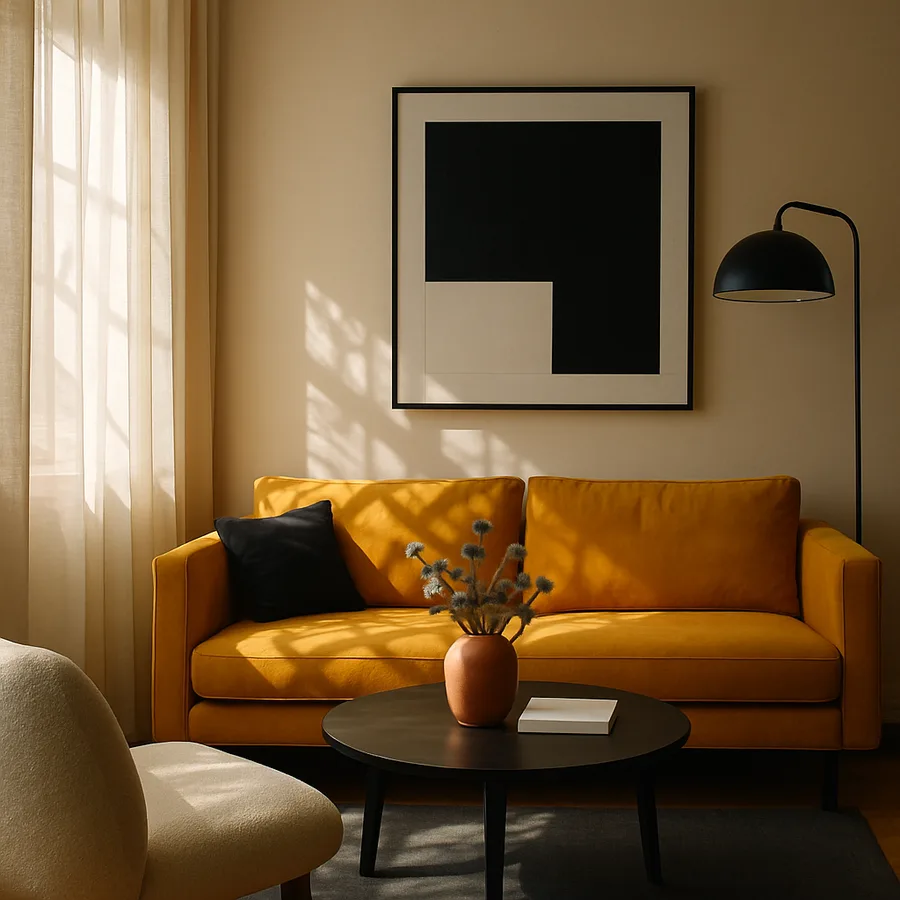
Have you ever walked into a room and immediately felt at ease, or conversely, slightly on edge? Often, these reactions are not just about the furniture or layout but the colors enveloping the space. The psychology of color in modern interior design is a crucial factor in creating harmony at home. Color can affect our moods, perceptions, and even behaviors, making it an essential consideration for any design project. Whether you're an enthusiast looking to refresh your living room or a professional designer seeking to deepen your expertise, understanding the interplay of color and emotion can transform your approach to interiors.
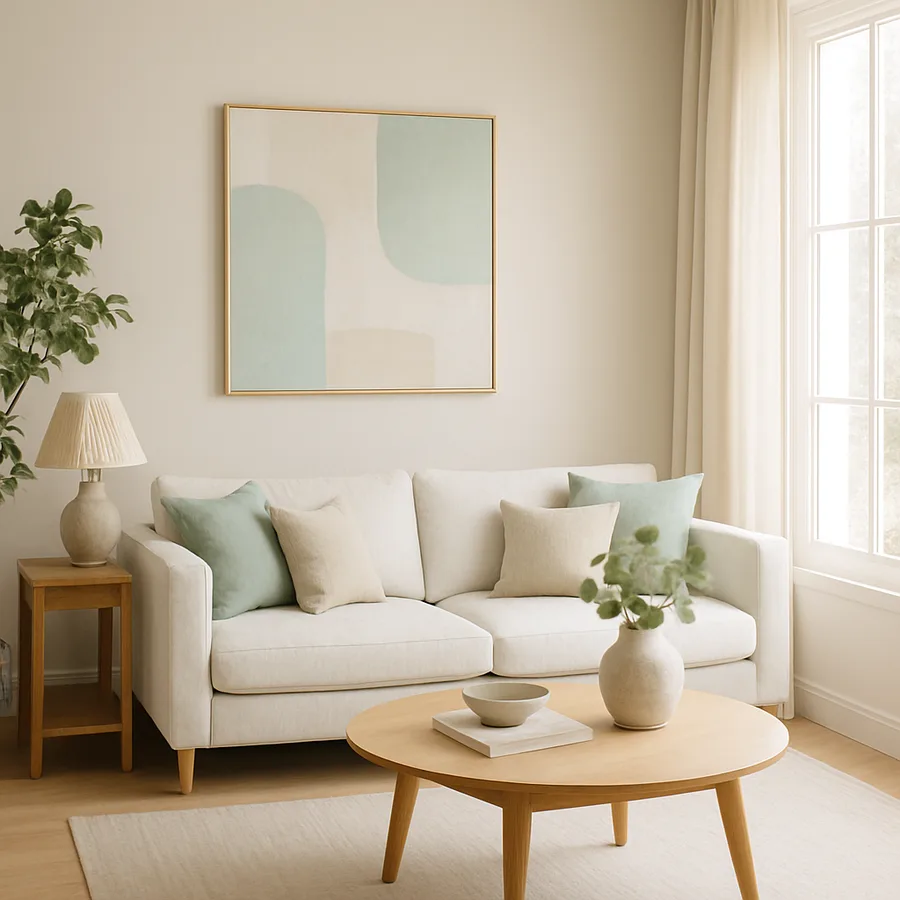
Why This Problem Matters
The significance of color in interior design transcends aesthetics. According to research, color accounts for 60% of our response to a place or object. This percentage illustrates just how impactful color choice can be in the overall perception of a space. When colors clash or fail to resonate with the intended mood, it can create discomfort and undermine the intended atmosphere. For homeowners, this can mean unproductive spaces or a lack of enjoyment in their own homes.
Moreover, the wrong color palette can affect mental health. Studies suggest that certain hues can induce stress or fatigue, while others promote calmness and relaxation. For instance, while red can invigorate and stimulate, it can also raise energy levels and potentially increase anxiety if overused. On the other hand, blues and greens are known to have a calming effect, making them ideal for spaces meant for relaxation. Understanding these nuances is crucial in crafting environments that are both beautiful and functional.
For designers, mastering the psychology of color can be a game-changer. It allows them to tailor environments to the specific needs and desires of their clients, enhancing the client's satisfaction and the project's success. Failure to consider the psychological impact of color can lead to spaces that look good on paper but feel off in real life. This underscores the importance of integrating color psychology into the design process.
Understanding the Root Causes
Why does color have such a profound effect on us? The answer lies in both biological and cultural factors. Biologically, humans have evolved to respond to colors as a survival mechanism. For example, the sight of ripe red fruits would trigger excitement and alertness, while blue skies and green landscapes signal tranquility and safety. These evolutionary traits still influence our emotional responses to color today.
Culturally, color holds various meanings that can affect our perceptions and reactions. In Western cultures, white is often associated with purity and cleanliness, whereas in some Eastern cultures, it signifies mourning. These cultural interpretations can greatly influence how different colors are perceived in interior design. For a truly harmonious space, it's essential to consider both the biological and cultural implications of color choices.
The psychology of color also ties into personal experiences and preferences. Past experiences, such as a memorable vacation to a seaside town, can imbue certain colors with positive connotations. Designers must consider these personal associations to create spaces that resonate with the occupants on a deeper level. This personalized approach can transform a house into a home, rich with meaning and comfort.
Solution #1: Embracing Color Theory
A foundational approach to solving the color conundrum in interior design is to embrace and understand color theory. This involves studying the color wheel, which shows the relationships between colors and helps in selecting harmonious combinations. Complementary colors, found opposite each other on the wheel, create vibrant looks, while analogous colors, located next to each other, offer a more subdued and harmonious feel.
For those unsure about where to start, consulting with tools like Adobe Color can be invaluable. These platforms allow you to experiment with different color schemes digitally before applying them to your space. By exploring various palettes, you can find combinations that evoke the desired mood, whether it's energetic, calming, or balanced. This exploratory phase is crucial in ensuring that the colors chosen will work well together in the final design.
Experienced professionals often note that balance is key when applying color theory. While bold colors can make a statement, they should be used sparingly to avoid overwhelming the space. Instead, they should serve as accents, drawing attention to focal points and enhancing the overall aesthetic without dominating it. This strategic use of color can create a cohesive design that feels intentional and thoughtfully curated.
Solution #2: Incorporating Biophilic Design
An alternative approach involves incorporating biophilic design principles, which emphasize the use of natural elements and colors in interior spaces. Biophilic design draws inspiration from nature, using color palettes that mimic the natural world to create calming and restorative environments. Think earthy tones like greens, browns, and blues, which can bring a sense of the outdoors inside.
The trend towards biophilic design is supported by increasing awareness of the health benefits associated with connecting indoor spaces to nature. According to the International WELL Building Institute, biophilic design elements can reduce stress, enhance creativity, and improve well-being. By using colors that reflect natural elements, designers can create spaces that promote mental and physical health.
For homeowners, incorporating biophilic design doesn't require a major overhaul. Simple steps like introducing houseplants, using natural textiles like linen and wool, and selecting colors inspired by nature can have a substantial impact. These changes can transform a sterile environment into a sanctuary that supports relaxation and rejuvenation, aligning with the principles of color psychology.
Comparing Your Options
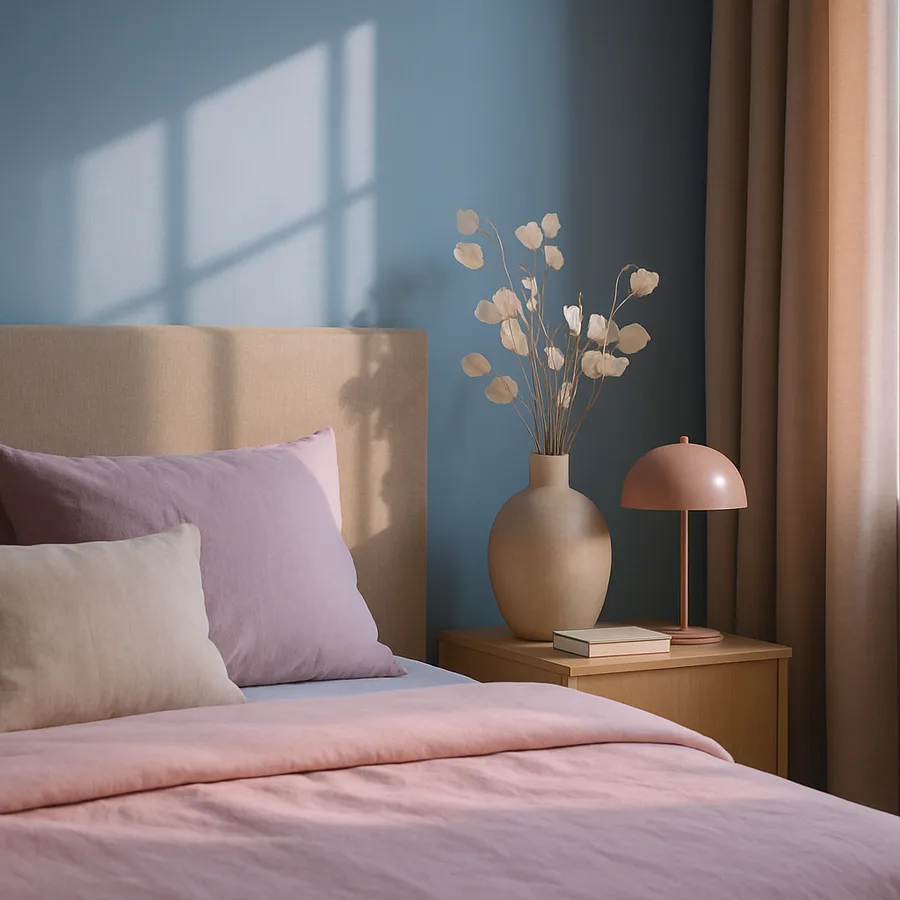
When comparing the two approaches-color theory and biophilic design-it's important to weigh their respective pros and cons. Color theory offers a more structured approach, providing a clear framework for selecting and combining colors. This method is particularly beneficial for those who thrive on order and precision, as it involves logical principles and established guidelines.
On the other hand, biophilic design allows for a more intuitive and organic process. It embraces imperfection and encourages creativity, which can be liberating for those who prefer a more fluid design style. However, it may challenge those accustomed to more traditional color schemes, as it often involves blending textures and materials in unconventional ways.
Cost is another factor to consider. Incorporating biophilic elements might involve investments in natural materials and living plants, which can add to the initial expense. Conversely, applying color theory may require fewer material changes but could necessitate professional guidance to achieve the desired effect. Both approaches have their merits and can be tailored to fit various budgets and design preferences.
Implementation Guide
Ready to implement these strategies into your home? Start by assessing your current color palette and identifying which areas could benefit from a refresh. Begin with a single room, perhaps a living area or bedroom, and decide which approach aligns with your vision. Is it the structured path of color theory or the natural allure of biophilic design?
If you opt for color theory, create a mood board to visualize your ideas. Tools like Pinterest can be helpful for gathering inspiration. Select a base color and two to three complementary or analogous colors to create a cohesive palette. Remember to consider the room's function and the mood you want to evoke.
For those leaning towards biophilic design, start incorporating nature-inspired elements gradually. Introduce greenery with potted plants or botanical prints. Use natural materials for furnishings and decor, and choose paint colors that reflect the hues of the sky, forest, or ocean. This approach not only enhances the aesthetic but also contributes to a healthier living environment.
Conclusion
The psychology of color in modern interior design is a powerful tool for creating harmonious spaces that reflect both personal taste and emotional needs. Whether you choose to follow the structured path of color theory or embrace the natural inspiration of biophilic design, both strategies offer unique benefits. Ultimately, the goal is to create a home that feels both visually appealing and emotionally supportive.
Are you ready to transform your space with the power of color? Start by browsing portfolios on Houzz this week-spending even 20 minutes exploring design ideas will sharpen your eye for what you want. Investing time in understanding the psychology of color can elevate your design projects and bring a newfound sense of harmony to your home.
More Articles You May Like



Comments
Post a Comment