Curb Appeal on a Budget: Front Door and Porch Staging Ideas
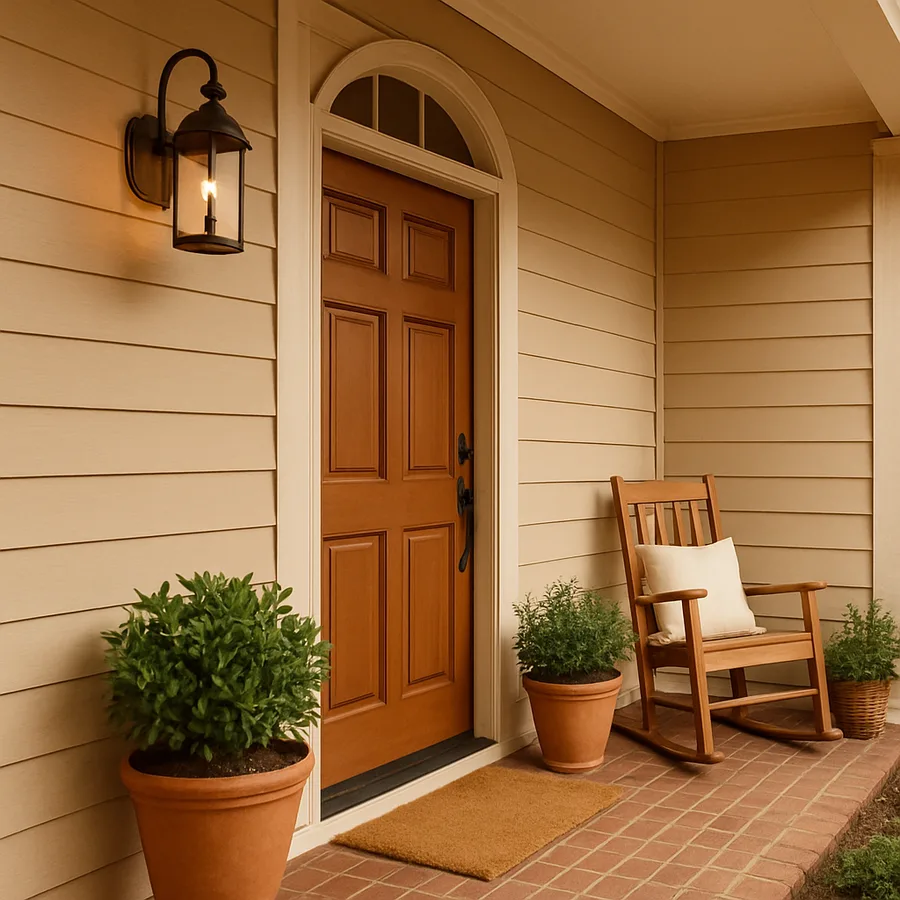
Why First Impressions Start at the Front Door
The front door is the single most scrutinized element of any home's exterior, and real estate professionals have long understood its outsized influence on buyer perception. According to a study published by the National Association of Realtors, improving curb appeal can add up to 7 percent to a home's resale value, with the front entry being the focal point of that impression. Buyers form their initial opinion within the first seven to ten seconds of arriving at a property, and that judgment often begins before they even step out of the car. A neglected front door communicates deferred maintenance, while a polished one signals pride of ownership throughout the entire home.
The psychology behind this reaction is straightforward but powerful. A well-staged front entry creates a visual promise that the interior will deliver the same level of care and attention. The American Society of Interior Designers (ASID) has noted that exterior presentation directly shapes expectations about the spaces beyond the threshold. When a buyer sees a freshly painted door, clean hardware, and intentional decor, they unconsciously raise their estimate of the home's overall condition and value.
What makes front door staging particularly appealing for budget-conscious homeowners is the extraordinary return on investment relative to cost. Most front door improvements fall in the fifty to three hundred dollar range, yet they can influence offers by thousands of dollars. Compare that to a kitchen renovation costing tens of thousands, and the math becomes compelling. A gallon of high-quality exterior paint, a new door knocker, and a seasonal wreath can collectively transform the entire feel of a home's facade in a single afternoon.
Have you ever driven through a neighborhood and noticed how one house seems to pull your eye toward it while others fade into the background? That magnetic quality almost always traces back to deliberate curb appeal choices at the front entry. The good news is that achieving this effect does not require an unlimited budget or professional contractors. It requires intention, a few strategic purchases, and a willingness to see your own front porch through the eyes of someone arriving for the very first time.
Choosing the Right Front Door Color for Maximum Impact
Color selection is the single highest-impact, lowest-cost change you can make to a front door. Research from Zillow has shown that homes with black or charcoal front doors sold for up to $6,271 more than expected, making color choice a genuinely strategic decision rather than a purely aesthetic one. The key is selecting a hue that contrasts meaningfully with the surrounding siding and trim while complementing the home's overall architectural style. A bold red door on a white colonial creates classic drama, while a deep navy on a craftsman bungalow reads as sophisticated and grounded.
When selecting paint, invest in a high-quality exterior enamel rated for direct sun exposure and temperature fluctuation. Benjamin Moore's Aura Grand Entrance and Sherwin-Williams Emerald Urethane Trim Enamel are both professional-grade options that resist chipping, fading, and moisture damage. The difference between a forty-dollar gallon and a seventy-dollar gallon shows dramatically after twelve months of weather exposure. Proper surface preparation matters equally: sand the existing finish lightly, clean with a degreaser, apply a bonding primer if the surface is slick, and use two thin coats rather than one heavy coat.
Consider the orientation of your front door when choosing color depth and finish. North-facing doors receive less direct sunlight and can handle darker, richer tones without the accelerated fading that south-facing doors experience. East-facing entries catch morning light beautifully with warm-toned colors like terracotta, mustard, or sage green. The National Kitchen and Bath Association (NKBA) recommends testing paint samples directly on the door surface and observing them at different times of day before committing, since exterior colors shift dramatically between morning shade and afternoon sun.
Do not overlook the power of a semi-gloss or high-gloss finish on the front door even if the rest of the exterior uses flat or satin paint. The slight sheen on the door creates a visual distinction that reads as intentional and polished. It catches light in a way that draws the eye forward, reinforcing the front entry as the home's centerpiece. This subtle finish contrast costs nothing extra yet creates a noticeably more curated appearance from the street.
Affordable Porch Lighting That Sets the Mood
Lighting transforms a porch from a passthrough into a destination, and it does so at every hour of the day. During daytime showings, attractive light fixtures serve as decorative hardware that signals quality. During evening visits, they create an inviting warmth that makes the entire facade feel welcoming and safe. The American Lighting Association recommends that porch fixtures be approximately one-quarter to one-third the height of the door they flank, a proportion that creates visual balance without overwhelming the entry.
Budget-friendly porch lighting options have expanded dramatically in recent years. Solar-powered path lights now deliver reliable illumination for fifteen dollars or less per fixture, and they require zero wiring or ongoing electrical costs. For wall-mounted sconces flanking the door, consider hardwired LED fixtures in the sixty to one hundred dollar range that offer warm-toned light between 2700K and 3000K. This color temperature mimics candlelight and creates an emotional response of comfort and hospitality that cooler-toned lights simply cannot achieve.
Layered lighting creates the most compelling porch presentation. Start with a primary overhead or wall-mounted fixture for general illumination, then add accent lighting to highlight architectural details or landscaping. Battery-operated LED strip lights tucked under railings or along stair treads add a polished layer for under twenty dollars. Solar-powered spotlights aimed upward at columns or textured walls create dramatic shadow play that makes even modest porches feel architectural and considered.
Replacing outdated brass or weathered fixtures with clean, modern alternatives is one of the fastest visual upgrades available. Most porch lights require only a screwdriver and fifteen minutes to swap. Choose finishes that coordinate with your door hardware, such as matching matte black sconces with a matte black door handle and kick plate. This hardware coordination creates a sense of intentional design that buyers and visitors register immediately, even if they cannot articulate exactly why the entry feels so put-together.
Planters, Greenery, and Seasonal Arrangements
Flanking planters are the porch equivalent of bookends on a shelf, providing symmetry, color, and life to an otherwise static architectural element. The most effective porch plantings follow a simple formula: one tall thriller plant for height, one mounding filler plant for volume, and one trailing spiller plant to cascade over the container's edge. This combination works in containers of virtually any size and creates a lush, professional appearance that garden centers and staging professionals rely on consistently.
Container selection matters as much as what goes in them. Matching planters in a scale appropriate to your porch width create formal symmetry, while a curated cluster of varied sizes and materials suggests a more relaxed, collected aesthetic. Concrete and fiberglass planters offer the look of stone at a fraction of the weight and cost, typically ranging from twenty-five to seventy-five dollars per piece. Better Homes and Gardens (BHG) frequently highlights matte black and terracotta-toned containers as versatile choices that complement nearly any exterior color palette.
For homeowners staging a sale, opt for low-maintenance evergreen plants that look presentable throughout the entire listing period without constant watering and deadheading. Boxwood topiaries, ornamental grasses, and ferns provide consistent structure that photographs well and survives periods of neglect. Seasonal color can be added with inexpensive annuals tucked around the base of structural plants, but the evergreen backbone ensures the porch never looks bare or neglected between maintenance visits.
Beyond living plants, consider a seasonal wreath on the door and a clean, textured doormat as part of the greenery composition. A wreath adds circular visual interest that contrasts with the rectangular lines of the door, frame, and surrounding architecture. Natural materials like dried eucalyptus, lavender, or preserved magnolia leaves create wreaths that last for months and avoid the artificial appearance of silk flower arrangements. The doormat anchors the entire composition and should be scaled to cover at least two-thirds of the door's width for proper visual proportion.
Hardware Upgrades and Small Details That Buyers Notice
Door hardware is the jewelry of your home's exterior, and mismatched or corroded pieces undermine even the best paint job and landscaping. A coordinated hardware suite including handle set, deadbolt, kick plate, and house numbers in a single finish creates an impression of thoughtful renovation that far exceeds its actual cost. Complete front door hardware sets are available from reputable manufacturers for under two hundred dollars, and installation requires only basic tools and about thirty minutes of focused effort.
House numbers deserve special attention because they serve both functional and decorative purposes. Oversized floating numbers mounted directly to siding or a contrasting plaque have become a signature element of updated home exteriors. Choose a font that matches the home's architectural character, such as a clean sans-serif for modern builds or a serif with subtle flourishes for traditional styles. The numbers should be visible from the street, which typically means four to six inches in height, and mounted at a consistent height that aligns with other horizontal elements on the facade.
A new mailbox, updated porch railing paint, and refreshed address plaques are all sub-fifty-dollar improvements that communicate attention to detail. Buyers conducting drive-by evaluations notice these elements because they represent the accumulated finish quality of a property. A single rusted mailbox post or peeling railing can undo the positive impression created by a freshly painted door and new lighting. Consistency across all visible hardware and fixtures is the principle that separates staged entries from merely cleaned-up ones.
Consider adding a doorbell camera or smart lock as both a practical upgrade and a staging signal. These devices suggest a technologically current homeowner who has invested in the property's infrastructure, not just its cosmetics. Ring and similar doorbell cameras are available for under one hundred dollars and install in minutes over existing doorbell wiring. Even if the buyer plans to use their own smart home ecosystem, the presence of connected hardware during showings reinforces the impression of a well-maintained, modern home.
Porch Furniture and Staging Vignettes
Even a small porch benefits from a single piece of furniture that suggests the space is used and enjoyed rather than merely passed through. A wooden bench, a pair of rocking chairs, or a small bistro set transforms a porch from a transitional zone into a living space, and that transformation directly impacts how buyers perceive the home's usable square footage. The National Association of Home Builders has reported that outdoor living spaces consistently rank among the top features buyers seek, and the front porch is the most visible expression of that desire.
Scale is critical when furnishing a porch for staging. Overcrowded porches feel smaller than empty ones, so select one primary seating piece and one or two accessories rather than attempting to create a full outdoor room on a six-foot-deep surface. A bench with a single outdoor pillow and a small side table with a potted plant creates a complete vignette that reads as comfortable without encroaching on the walkway. All furniture should be pulled slightly away from walls to create breathing room and prevent the cluttered appearance that comes from pushing everything to the perimeter.
Color coordination between porch furniture, door color, and planter selections creates a unified composition that photographers and buyers respond to instinctively. If the door is painted navy, consider white or natural wood furniture with navy-accented cushions. If the door is a warm red, opt for black metal furniture and green plantings that complement without competing. This intentional color story is what separates professional staging from casual decorating, and it costs nothing extra when planned before purchasing individual pieces.
Seasonal props add personality but should be used sparingly during a sale. A small stack of pumpkins in autumn, a simple green garland during winter holidays, or a colorful spring doormat provides warmth without overwhelming the space or alienating buyers with strong thematic preferences. The goal is to suggest a lifestyle, to make the arriving visitor imagine themselves sitting on that bench with a morning coffee, watching the neighborhood wake up. That emotional connection, more than any single upgrade, is what converts a showing into an offer.
Walkway and Landscaping Finishing Touches
The path from the curb to the front door is a narrative journey, and every element along it either builds anticipation or creates doubt. Power washing the walkway, driveway apron, and porch surface is perhaps the single most dramatic before-and-after transformation available for the cost of a rental machine, typically forty to sixty dollars for a half-day. Years of accumulated dirt, moss, and staining disappear in minutes, revealing clean concrete or stone that looks freshly installed. This one task can make a twenty-year-old walkway look five years old.
Edge definition along walkways and garden beds creates the crisp geometry that signals professional maintenance. A sharp spade edge cut along the lawn border takes about an hour for an average front yard and costs nothing beyond the effort. Pair this with a fresh two to three inch layer of mulch in planting beds, and the entire front landscape reads as recently maintained by professionals. Dark brown or black mulch provides the most dramatic contrast against green foliage and creates a clean, finished appearance that lasts eight to twelve weeks before fading.
Addressing bare or patchy lawn areas near the walkway prevents the unfinished appearance that undermines other improvements. Quick-germinating grass seed blends designed for sun or shade conditions can fill thin spots within two to three weeks during growing season. For immediate coverage during a listing, consider sod patches for high-visibility areas near the front entry. A twenty-dollar roll of sod cut to fit a bare spot beside the walkway provides instant gratification that seed cannot match on a seller's timeline.
If your budget allows one final investment, consider adding solar-powered pathway lights along the walkway between the curb and front door. These fixtures, available in packs of six to ten for under thirty dollars, create an illuminated approach that is particularly compelling for evening showings and listing photographs. They define the intended path, add a sense of scale and rhythm to the journey, and make the front door feel like a deliberate destination rather than simply the point where the sidewalk ends. Ready to transform your front porch this weekend? Start with a single gallon of bold door paint and a fresh doormat, then build outward from that foundation as your time and budget allow.
More Articles You May Like



Comments
Post a Comment