Color Trends in Modern Interior Design: How to Refresh Your Home Today
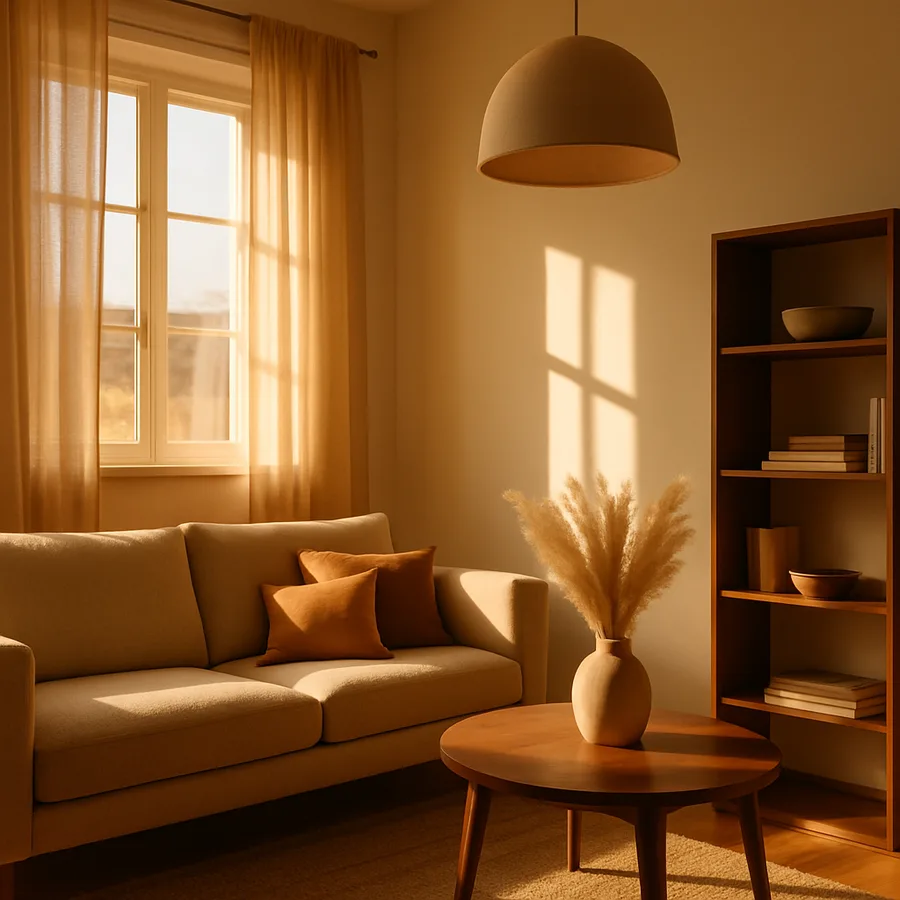
Have you ever walked into a room and felt instantly uplifted or, conversely, inexplicably weighed down? The colors surrounding you might hold the key. Today's modern interior design isn't just about aesthetics; it's about creating an environment that resonates with your lifestyle and emotions. According to a Houzz survey, 58% of homeowners who recently renovated cited color as a top factor in their design satisfaction. So, if your home feels a bit lackluster lately, it might be time to dive into the latest color trends to breathe new life into your space. In this article, we'll explore the significance of color in design, understand what drives these trends, and offer practical solutions to refresh your home.
Why This Problem Matters
Color plays a crucial role in our daily lives, influencing our mood and well-being. In the realm of interior design, the stakes are even higher. A well-chosen palette can transform a mundane space into a sanctuary that reflects your personality while enhancing your mental health. According to the American Society of Interior Designers (ASID), color has a profound impact on emotions and perceptions, which can affect your productivity and relaxation levels. When colors clash or fail to create harmony, the result can be an unsettling environment that undermines your quality of life.
Furthermore, outdated or poorly chosen colors can detract from your home's overall aesthetic and even its resale value. Real estate experts often note that potential buyers are less attracted to homes with garish or outdated color schemes. In fact, a modern and cohesive color palette can increase a home's resale value by 5-15%. This underscores the importance of staying abreast of current trends and ensuring your home's colors are both timeless and contemporary.
For those who take pride in their living spaces, an outdated color scheme can feel like a personal reflection of stagnation. Is your environment supporting the lifestyle and mood you desire? If not, it's time to address this issue head-on. Understanding the impact of color not only enhances your home's appeal but also aligns your living space with your evolving needs.
Understanding the Root Causes
Color trends in modern interior design are shaped by several factors, including cultural shifts, technological advances, and environmental concerns. One driving force behind current trends is the growing emphasis on sustainability. Designers are increasingly drawn to hues inspired by nature, such as earthy greens and tranquil blues, which align with the eco-conscious movement. This biophilic approach, which promotes connectivity to the natural world, is gaining traction among homeowners seeking serenity and sustainability in their homes.
Technological advancements also play a role in color trend development. With smart home integration becoming more prevalent, colors that complement tech-friendly environments, like muted metallics and soft grays, are gaining popularity. These colors not only enhance modern gadgets but also provide a sleek backdrop for the high-tech lifestyle. According to the International Interior Design Association (IIDA), integrating color with technology is a growing trend that reflects the modern consumer's desire for seamless, functional design.
Finally, cultural influences cannot be overlooked. Globalization and the blending of cultural aesthetics have introduced diverse palettes to Western interiors. The Japandi style, which fuses Japanese minimalism with Scandinavian warmth, exemplifies this trend. Its neutral tones and simple lines are not just visually appealing but also cater to the minimalist lifestyle many are adopting. Understanding these root causes is essential for selecting a color scheme that feels relevant and forward-thinking.
Solution #1: Embrace Biophilic Design
Biophilic design is a trend that emphasizes the integration of natural elements into our living spaces. To refresh your home, consider incorporating colors inspired by the natural world. Think of lush greens, calming blues, and earthy browns. These hues not only enhance the aesthetic appeal of a room but also promote a sense of tranquility and well-being. According to research, exposure to nature-inspired environments can reduce stress and improve cognitive function.
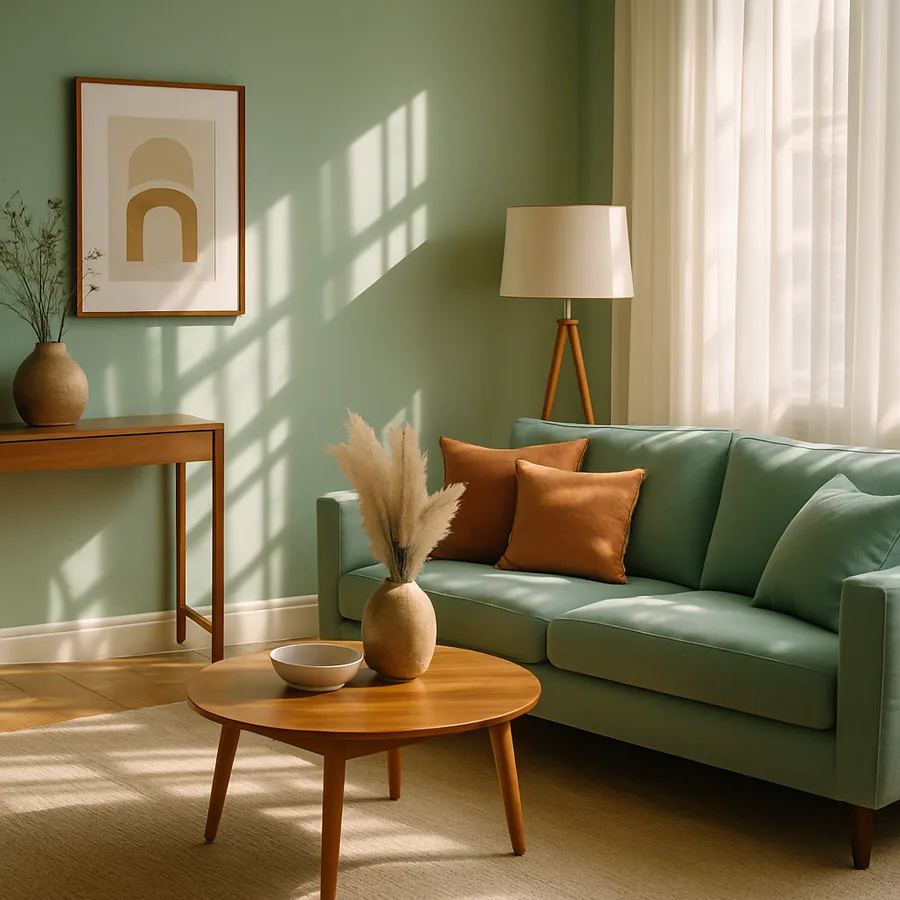
To implement this approach, start by evaluating your space. Which areas feel disconnected from nature? Introduce elements like indoor plants, natural textures, and a color palette that mimics the outdoors. For example, a living room could feature walls painted in a soft sage green, complemented by wooden furniture and leafy plants. This creates a cohesive and calming environment that feels like a natural extension of the outside world.
Professionals often recommend starting small to avoid overwhelming the space. Begin with accent walls or decorative items, gradually building up to larger pieces like furniture or floor coverings. This approach allows you to experiment with different shades and textures without committing to a full redesign. Once you've found a balance that works, you can expand the concept throughout your home. This method not only revitalizes your space but also aligns it with modern design principles.
Solution #2: Explore the Japandi Style
The Japandi style is a harmonious blend of Japanese and Scandinavian design elements, focusing on simplicity, functionality, and natural materials. This style offers a perfect solution for those seeking a modern yet timeless interior. The color palette typically includes muted earth tones, soft whites, and gentle pastels, providing a soothing and uncluttered atmosphere.
To achieve a Japandi look, focus on decluttering and selecting furniture and decor with clean lines and minimal ornamentation. Opt for a color scheme that highlights the natural beauty of materials such as wood, stone, and linen. For instance, a dining room could feature a wooden table with minimalist chairs, accented by neutral-colored tableware and a simple, elegant centerpiece.
Experienced professionals suggest layering textures to add depth and interest to the space without compromising its simplicity. Consider mixing different materials, such as a woolen rug on a wooden floor or linen cushions on a leather sofa. This approach not only enhances the aesthetic appeal but also creates a cozy, welcoming environment. The Japandi style emphasizes the importance of functionality and serenity, making it an excellent choice for modern living spaces.
Comparing Your Options
When deciding between biophilic design and Japandi style, consider the specific needs and characteristics of your space. Biophilic design is ideal for those who wish to create a natural, tranquil environment with a strong connection to the outdoors. It works well in homes with large windows and access to natural light, enhancing the overall ambiance. However, it may require more maintenance due to the inclusion of plants and other natural elements.
On the other hand, Japandi style is perfect for those who prefer a minimalist, clutter-free aesthetic. It suits smaller spaces and urban environments, where simplicity and functionality are paramount. The muted color palette and emphasis on natural materials create a calming atmosphere that can make even the smallest spaces feel open and airy.
Cost is another factor to consider. Biophilic design may involve additional expenses for plants and natural materials, while Japandi style focuses on minimalism, which might be more budget-friendly if you already have some suitable furnishings. Assess your priorities and budget to determine which style best aligns with your vision for your home. Understanding these options will help you make a more informed decision about how to proceed with your interior design project.
Implementation Guide
Ready to refresh your home with these color trends? Start by assessing your current space and identifying areas that need improvement. Consider the mood you wish to create in each room and how color can enhance that atmosphere. Once you've decided on a style, gather inspiration from platforms like Pinterest or designer portfolios on Houzz. This will help you visualize the end result and ensure your design aligns with your goals.
Next, create a mood board to organize your ideas and plan your color scheme. Include paint swatches, fabric samples, and images of furniture and decor that fit your chosen style. This visual tool will guide your purchasing decisions and keep your project on track. Don't hesitate to seek advice from certified interior designers, particularly those with NCIDQ (National Council for Interior Design Qualification) credentials, to ensure your design meets professional standards.
Finally, execute your plan step by step. Start with smaller projects, such as repainting a single room or updating decor, before tackling larger renovations. This phased approach allows you to adjust your design as needed and ensures each element complements the overall theme. Remember, transforming your home is a journey, not a race. Take your time to enjoy the process and create a space that truly reflects your style and personality.
Conclusion
Refreshing your home with modern interior design color trends is more than a cosmetic update; it's an opportunity to enhance your living environment and well-being. Whether you choose the serene nature of biophilic design or the minimalist elegance of Japandi style, both options offer the potential to create a space that feels uniquely yours. Evaluate your needs, budget, and personal style to determine the best approach for your home.
Ready to start your transformation? Begin by browsing portfolios on platforms like Houzz this week. Even 20 minutes of research will sharpen your eye for what you want. Don't wait to create the home you've always envisioned. With the right colors and design principles, your space can become a true reflection of your personality and lifestyle.
More Articles You May Like



Comments
Post a Comment