The Evolution of Interior Design: Understanding Its Core Principles
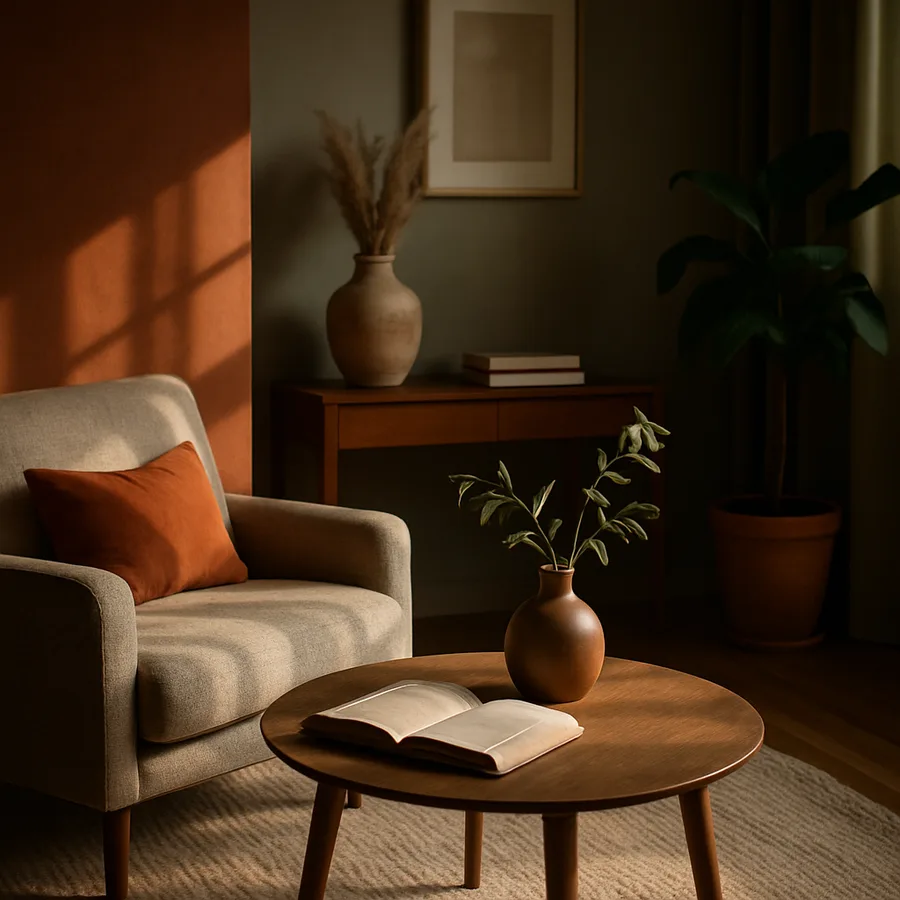
What makes a space truly inviting and functional? In the realm of interior design, the answer lies not just in aesthetics but in the core principles that have evolved over time. According to the ASID, a well-designed interior can increase a property's value by 5-15%, underscoring the significant impact that design principles can have. This article will unravel the evolution of interior design, examining the current landscape, key factors driving change, insightful research findings, practical implications for homeowners, expert perspectives, and predictions for the future. Let's explore how these principles shape the spaces we inhabit.
The Current Landscape
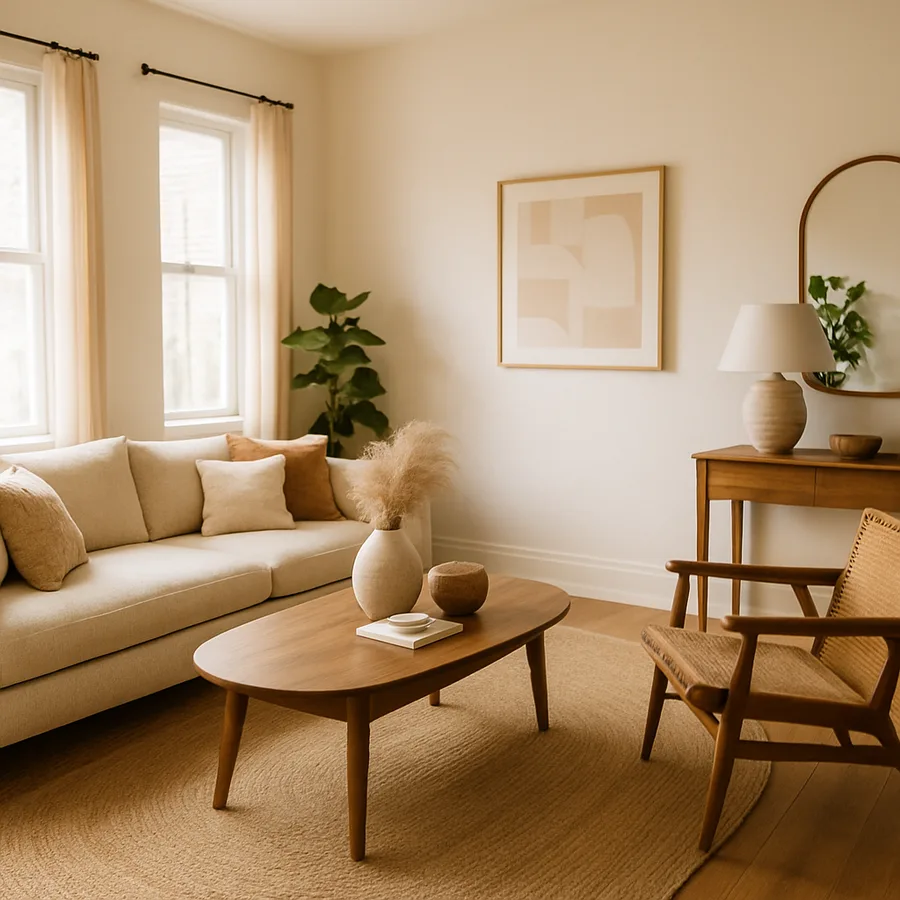
Interior design today is a dynamic field influenced by cultural shifts, technological advancements, and an increased awareness of sustainability. The rise of biophilic design, which integrates natural elements into indoor spaces, reflects a growing desire for environments that promote well-being. Houzz reports that homeowners are increasingly prioritizing natural materials and indoor-outdoor flows in their projects, indicating a shift towards more organic and harmonious living spaces.
Additionally, the concept of "quiet luxury" has gained traction, emphasizing understated elegance over opulence. This trend highlights a preference for quality materials and craftsmanship that offer timeless appeal rather than fleeting trends. Smart home integration also plays a pivotal role, with automated lighting, climate control, and window treatments becoming standard features in modern designs. This technology not only enhances convenience but also contributes to energy efficiency.
Sustainability remains at the forefront, with designers opting for reclaimed and eco-friendly materials. The IIDA notes that sustainable practices in design are not just a trend but an essential component of responsible living. As consumers become more environmentally conscious, the demand for sustainable design solutions continues to grow. This evolving landscape sets the stage for further transformation driven by innovation and consumer expectations.
Key Factors Driving Change
Several key factors are driving the evolution of interior design. One significant factor is the increasing influence of technology. Virtual and augmented reality tools are now commonplace in the design process, allowing clients to visualize potential outcomes before any physical changes occur. This technological integration not only enhances client satisfaction but also streamlines the design process, reducing the likelihood of costly modifications.
Another driving force is the shift in consumer values. Homeowners today are more informed and discerning, seeking spaces that reflect personal style while providing functionality. The ASID highlights that consumers are looking for designs that enhance their quality of life, such as improved acoustics for concentration or layouts that facilitate better family interactions. This demand for personalized spaces pushes designers to innovate continually.
Lastly, the global emphasis on sustainability is reshaping design priorities. As climate change becomes an urgent issue, designers are tasked with creating spaces that minimize environmental impact. This includes using energy-efficient appliances, integrating renewable energy solutions, and selecting materials with lower carbon footprints. These factors are pivotal in redefining the principles of interior design, aligning them more closely with contemporary values and needs.
What the Research Shows
Research in the field of interior design reveals fascinating insights into the impact of design choices on human behavior and well-being. According to a recent survey by Houzz, 75% of homeowners reported feeling happier at home after completing a renovation project. This statistic underscores the profound psychological benefits that well-designed spaces can offer, from reducing stress to boosting productivity.
Further studies, such as those conducted by the NCIDQ (National Council for Interior Design Qualification), have shown that strategic lighting and color schemes can significantly influence mood and energy levels. For instance, natural light and warm color palettes are associated with increased feelings of relaxation and comfort. This data-driven approach allows designers to tailor environments to support the emotional and physical health of inhabitants.
Moreover, the economic advantages of thoughtful design cannot be overlooked. The ASID reports that homes with professionally designed interiors can sell for 5-15% more than those without. This compelling statistic highlights the tangible return on investment that quality design can provide, making it a worthwhile consideration for homeowners seeking to enhance their property's market value. Understanding these research findings can guide you in making informed decisions about your own living spaces.
Practical Implications for You
So, how can you apply these evolving principles of interior design to your own home? Start by assessing how you use each space. Do you find yourself gravitating towards certain rooms for relaxation or productivity? Are there areas that feel underutilized or uncomfortable? Mapping out the functionality of your space is the first step towards creating a more harmonious environment.
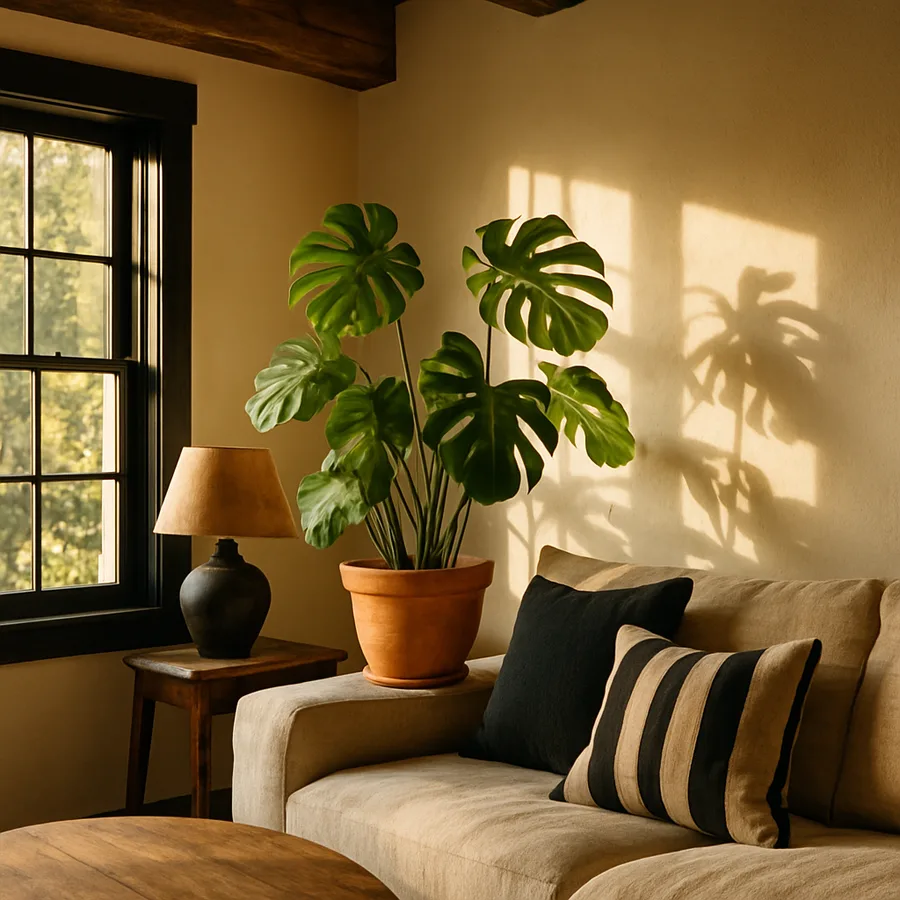
Next, consider incorporating biophilic design elements. Bringing in natural materials such as wood, stone, and plants can create a calming atmosphere and enhance your connection to nature. This doesn't mean a complete overhaul is necessary; even small additions like potted plants or wooden accents can make a significant difference.
Finally, explore smart home technologies that align with your lifestyle. Automated lighting and climate control systems can improve energy efficiency and convenience. For instance, programmable thermostats and app-controlled lighting solutions offer both comfort and cost savings. What small changes can you make today to start aligning your home with these modern design principles?
Expert Perspectives
Experienced professionals often note that the essence of great design lies in understanding the client's needs and lifestyle. According to industry leaders featured in Architectural Digest's AD PRO network, successful projects begin with a deep dive into the client's daily routines and preferences. This personalized approach ensures that the final design not only looks stunning but also functions seamlessly for those who live in it.
Moreover, experts emphasize the importance of staying informed about emerging trends and technologies. Attending design conferences, participating in workshops, and engaging with professional organizations like the ASID and IIDA can provide valuable insights and networking opportunities. These connections often lead to collaborations and innovations that benefit both designers and clients.
Another key perspective shared by seasoned designers is the balance between aesthetics and functionality. While beauty is subjective, functionality is measurable and essential for a successful design. Professionals argue that a space must first serve its intended purpose before aesthetics are considered. This principle ensures that the design remains practical and sustainable long after trends have shifted.
Looking Ahead
The future of interior design promises to be as dynamic as its past. One emerging trend is the integration of artificial intelligence in the design process. AI tools are beginning to assist designers with everything from layout planning to material selection, offering data-driven insights that enhance creativity and efficiency.
Another exciting development is the increasing accessibility of virtual reality for interior design. VR allows clients to experience a fully immersive preview of their redesigned space, facilitating better decision-making and reducing the risk of buyer's remorse. How might these technologies alter your approach to home design?
As we look ahead, sustainability will continue to be a driving force in design innovation. Expect to see more emphasis on energy-efficient designs, sustainable materials, and eco-friendly practices. These trends not only meet consumer demands but also address the global necessity for environmentally responsible living. The evolution of interior design is poised to continue its journey towards more personalized and sustainable solutions.
Conclusion
Understanding the evolution of interior design and its core principles offers valuable insights into creating spaces that are both beautiful and functional. By staying informed about current trends, leveraging technological advancements, and considering expert perspectives, you can transform your living spaces into environments that reflect your style and enhance your well-being. As you embark on your design journey, start by researching portfolios on platforms like Houzz and seeking out professional guidance if needed. Even dedicating 20 minutes a week to exploring design ideas can sharpen your vision and help bring your ideal space to life. What steps will you take today to begin this transformative process?
More Articles You May Like



Comments
Post a Comment