Choosing the Right Interior Design Studio: Key Questions to Ask Before Hiring
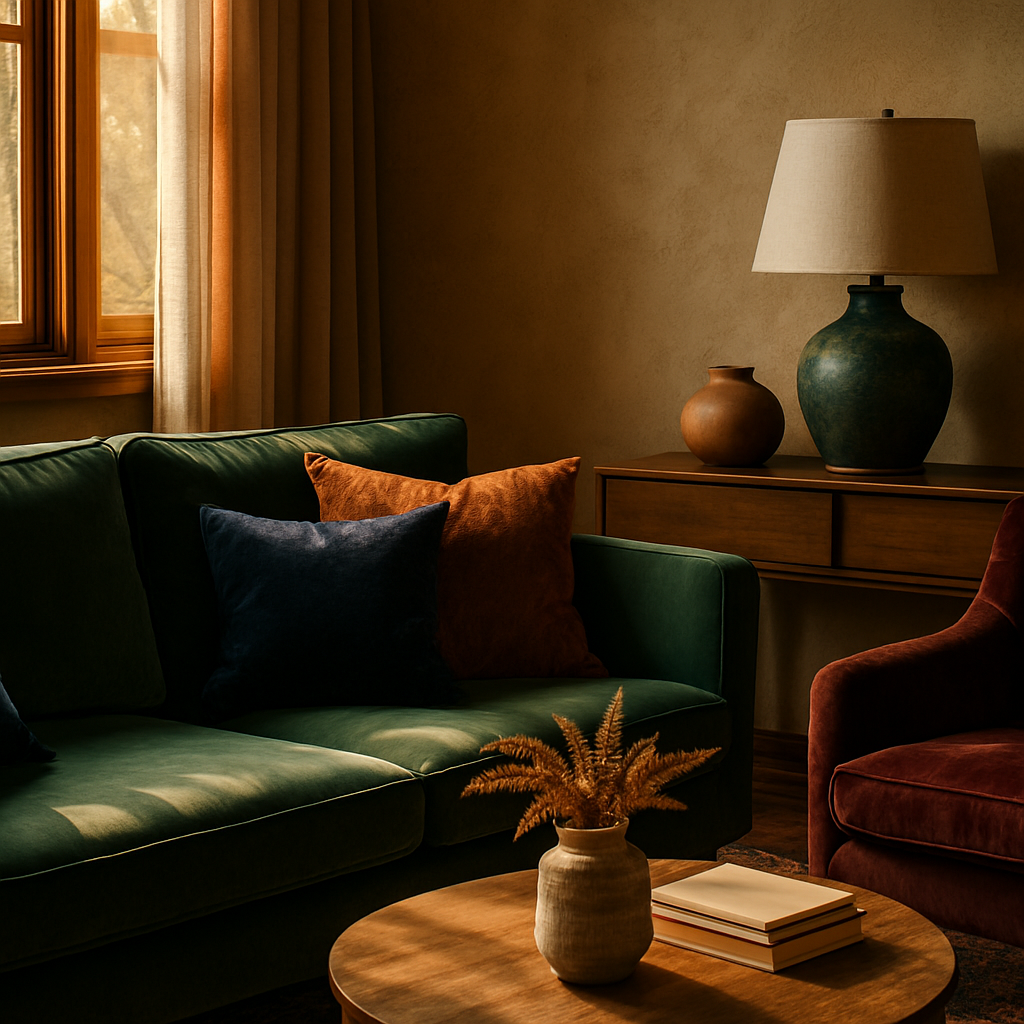
Hiring an interior design studio is one of the most consequential decisions you will make during a renovation or new build. The right studio becomes a trusted partner that translates your vision into a cohesive, functional, and beautiful environment. The wrong one can drain your budget, extend your timeline, and leave you with a space that looks impressive in photographs but does not feel like home. The difference between these outcomes often comes down to the questions you ask before signing a contract. According to the American Society of Interior Designers (ASID), homeowners who conduct structured interviews with at least three studios before making a selection report significantly higher satisfaction with the finished project. This article equips you with the essential questions to ask, explains why each one matters, and helps you interpret the answers so you can choose a studio with confidence. The process requires more than browsing portfolios on a website; it demands a genuine conversation about values, process, and expectations.
What Is Your Design Process from First Meeting to Final Installation?
Understanding a studio's process before you engage them is critical because it sets expectations for how your project will unfold. A reputable studio should be able to articulate a clear sequence of phases: initial consultation, concept development, design development, documentation, procurement, and installation oversight. Each phase should have defined deliverables, review points where you provide feedback, and milestones that keep the project on track. Studios that struggle to explain their process or describe it in vague terms may lack the organizational rigor needed to manage a complex project effectively. Ask them to walk you through a recent project from start to finish, noting how they handled unexpected challenges along the way.
The National Council for Interior Design Qualification (NCIDQ) emphasizes process as a core competency because it directly affects project outcomes. A studio that presents concept boards before receiving your feedback on the initial space analysis is skipping a critical step; they are designing in a vacuum rather than responding to your specific needs and the unique conditions of your space. Similarly, a studio that moves directly from concept approval to ordering without producing detailed specification documents leaves too much to chance during the procurement phase. The best studios operate with a level of documentation that would allow a different professional to take over the project at any point and understand exactly where things stand.
Pay attention to how the studio describes the revision process within their workflow. Some studios include a fixed number of revision rounds at each phase, while others offer unlimited revisions within a defined timeline. Neither approach is inherently better, but you need to understand which model you are committing to so there are no surprises when you request changes. Ask specifically how they handle situations where a client's preferences evolve mid-project, a common occurrence as homeowners see their space taking shape and refine their vision. A studio that reacts to mid-course adjustments with flexibility and professionalism rather than frustration is one that values the collaborative nature of the design relationship.
How Do You Structure Your Fees and What Is Included?
Fee transparency is essential to a healthy designer-client relationship, and the question of how a studio charges should be asked directly and early. The most common fee structures in the industry are hourly billing, flat fees per project phase, percentage of total project cost, and cost-plus arrangements where the designer purchases products at trade pricing and adds a markup. Each model has advantages and potential drawbacks depending on your project scope. Hourly billing, which typically ranges from $150 to $500 per hour depending on the studio's location and reputation, offers flexibility for projects with evolving scopes but can feel unpredictable if hours are not tracked transparently. Flat fees provide budget certainty but may limit the number of revisions or the scope of services included.
ASID recommends that homeowners request a detailed proposal that itemizes what is included in the quoted fee and what would trigger additional charges. A comprehensive proposal should specify whether services like site visits, contractor coordination, shopping trips, and installation supervision are covered or billed separately. It should also clarify who pays for shipping, receiving, and warehousing of furnishings, as these costs can add up quickly on large projects. Studios that present clear, detailed proposals demonstrate respect for your budget and confidence in their ability to estimate the scope of work accurately. Vague or overly simplified proposals can indicate either inexperience with project budgeting or an intentional strategy to add charges later.
The question of product procurement deserves particular attention. Some studios require that all furnishings and materials be purchased through them, applying a markup that represents a significant portion of their revenue. Others allow you to purchase directly from vendors, charging only for the time spent specifying and sourcing. Both models are legitimate, but you should understand which one your studio uses and how it affects your total budget. Ask whether they receive commissions or incentives from specific vendors, as this can introduce bias into product recommendations. A studio that is transparent about its financial relationships with vendors is one that prioritizes your interests alongside its own business needs. Have you ever been surprised by hidden fees in a service engagement, and what would it have taken to prevent that surprise?
Can You Share References and Walk Me Through a Comparable Project?
A portfolio tells you what a studio's work looks like, but references tell you what the studio is like to work with. Requesting references from three to five past clients whose projects are similar in scope and style to yours provides insight that no website or social media feed can offer. When speaking with references, ask about the studio's communication habits: did they respond to emails and calls promptly, did they keep the client informed about delays or changes, and did they manage the budget honestly? Ask whether the project was completed on time and within the agreed budget, and if not, what caused the deviations and how the studio handled them. These conversations reveal the operational reality behind the polished imagery.
IIDA encourages prospective clients to visit a completed project in person when possible, as photographs cannot convey the tactile quality of materials, the acoustic character of a room, or the way light moves through a space at different times of day. A studio that is proud of its work will welcome this request and may offer to introduce you to the homeowner during the visit. Walking through a finished project also gives you a sense of the studio's attention to detail: are switch plates aligned precisely, are tile grout lines consistent, are built-in shelves perfectly level? These details may seem minor individually, but cumulatively they distinguish professional-grade work from competent but unremarkable execution.
When reviewing the studio's portfolio, look beyond individual room images to understand how they handle transitions between spaces. A great living room that connects awkwardly to a mediocre hallway suggests a designer who focuses on showcase moments rather than holistic spatial flow. The best studios design homes as continuous experiences where each room flows naturally into the next, with material palettes, lighting strategies, and proportional relationships that maintain coherence throughout. Ask the studio to show you a whole-home project rather than a curated selection of individual rooms, and observe whether the design language remains consistent from the entry foyer to the most private bedroom. This holistic perspective is a hallmark of studio-level design thinking.
What Are Your Credentials and Professional Affiliations?
Interior design is a field where credentialing varies significantly by jurisdiction, and understanding a studio's qualifications helps you assess the level of expertise you are engaging. In many states, the title "interior designer" is legally protected and requires passing the NCIDQ examination, which tests competency in space planning, building codes, construction standards, and professional ethics. Studios whose principals hold NCIDQ certification have demonstrated a baseline of knowledge that protects your safety and ensures compliance with building regulations. This distinction matters particularly for projects that involve structural modifications, electrical work, or changes to egress pathways, where code compliance is not optional.
Professional affiliations with organizations like ASID, IIDA, and the Design Society of America provide additional assurance of a studio's commitment to professional standards and continuing education. ASID membership, for example, requires adherence to a code of ethics that addresses client confidentiality, conflict of interest, and professional conduct. Members also have access to continuing education programs that keep their knowledge current with evolving building codes, material technologies, and design practices. Ask the studio not just whether they hold memberships but whether they actively participate in these organizations through committee work, conference attendance, or teaching, as engagement indicates a depth of professional commitment that goes beyond paying annual dues.
Licensing and insurance are practical matters that deserve direct questions. A licensed studio carries professional liability insurance that protects you if a design error results in financial loss, and general liability insurance that covers damage to your property during the project. Ask to see proof of current coverage before work begins. Similarly, confirm whether the studio or its contractors hold the specific trade licenses required in your municipality for electrical, plumbing, and structural work. Studios that handle these questions confidently and provide documentation without hesitation demonstrate the professionalism that distinguishes established firms from unqualified operators. According to Houzz survey data, nearly 30 percent of homeowners who experienced significant problems during a renovation later discovered that their designer or contractor lacked proper licensing for the work performed.
How Do You Handle Communication and Decision-Making During a Project?
Communication style is often the factor that determines whether a designer-client relationship feels collaborative or contentious, yet it is one of the least discussed topics during the selection process. Ask the studio how frequently they provide project updates, what format those updates take, and who your primary point of contact will be throughout the project. Some studios assign a dedicated project manager who handles day-to-day communication while the lead designer focuses on creative decisions; others operate with a flatter structure where the principal designer manages all client interactions personally. Neither model is superior, but you need to know which one you are getting and whether it matches your communication preferences.
Decision-making cadence is another area where alignment between studio and client is essential. Studios that present too many options at once can overwhelm a client, leading to decision fatigue and project delays. Studios that present too few options can make the client feel excluded from the creative process. The ideal approach varies by client personality, and a skilled studio will calibrate their presentation style to your preferences. During the interview, ask how they typically present options for major selections like flooring, cabinetry, and upholstery. Do they bring three carefully vetted choices, or do they share a broader range and narrow collaboratively? The answer tells you whether the studio's working style is compatible with yours.
Conflict resolution deserves an honest conversation before any conflict arises. Ask the studio how they have handled disagreements with clients in the past. A mature studio will answer this question candidly, perhaps describing a situation where a client's preferred fabric failed a performance test and the designer had to recommend an alternative, or where a budget overrun required reprioritizing the remaining selections. The willingness to discuss past challenges demonstrates emotional intelligence and professional resilience. Studios that claim they have never experienced a disagreement are either inexperienced or disingenuous, as complex creative projects inevitably involve moments of tension that must be navigated with skill and good faith. Do you know what communication frequency would make you feel most comfortable during a months-long renovation project?
What Is Your Approach to Sustainability and Wellness in Design?
Sustainability and wellness have become defining concerns for a significant segment of the homeowner market, and a studio's approach to these issues reveals much about their values and expertise. Ask specifically how they address indoor air quality in their material selections: do they specify low-VOC paints and adhesives as standard practice, or only when a client requests them? Do they prioritize natural and renewable materials over synthetic alternatives, and can they explain the trade-offs involved in those choices? A studio with genuine sustainability expertise will discuss the topic with nuance, acknowledging that no material is perfect and that responsible design involves informed compromises rather than absolute rules.
AD PRO has reported that studios with documented sustainability practices attract clients who are willing to invest more in their projects, recognizing that responsible sourcing often comes with a price premium that is justified by longevity and health benefits. Biophilic design principles, which integrate natural elements to support psychological well-being, represent one of the most visible expressions of wellness-oriented design. Ask the studio whether they have experience with biophilic projects and how they balance the maintenance requirements of living elements like plants and water features with the practical realities of daily life. A studio that integrates smart home technology with biophilic elements can automate the care of living walls and indoor gardens, reducing the maintenance burden that might otherwise discourage homeowners from embracing these features.
Wellness extends beyond material selection to encompass spatial planning, lighting design, and acoustic management. Studios at the forefront of wellness design consider how room proportions affect psychological comfort, how circadian-responsive lighting supports healthy sleep patterns, and how acoustic treatments create environments conducive to concentration and relaxation. IIDA has been instrumental in promoting wellness-oriented design standards, and studios that align their practice with these standards offer a level of service that goes beyond decorating to address the fundamental relationship between the built environment and human health. When interviewing a studio, ask what specific wellness strategies they have implemented in recent projects and how they measure the effectiveness of those interventions. The answers will distinguish studios that treat wellness as a marketing buzzword from those that integrate it as a genuine design discipline.
Conclusion
Choosing the right interior design studio is a decision that deserves the same rigor and care you would apply to hiring any professional who will have a significant impact on your daily life. The questions outlined in this article, covering process, fees, references, credentials, communication, and sustainability, provide a comprehensive framework for evaluating potential partners. Organizations like ASID, IIDA, and NCIDQ exist in part to help consumers identify qualified professionals, and studios that hold these affiliations have demonstrated a commitment to standards that protect your interests. Take the time to interview at least three studios, speak with their past clients, visit completed projects when possible, and trust your instincts about whether the personal chemistry feels right. A renovation or new build is a journey that can last months or even years, and the studio you choose will be your companion throughout that process. Invest in that decision now, and the return will be a home that reflects not just your taste but the quality of the collaboration that brought it to life.
More Articles You May Like



Comments
Post a Comment