The Evolution of Interior Design: Understanding Its Impact on Modern Living
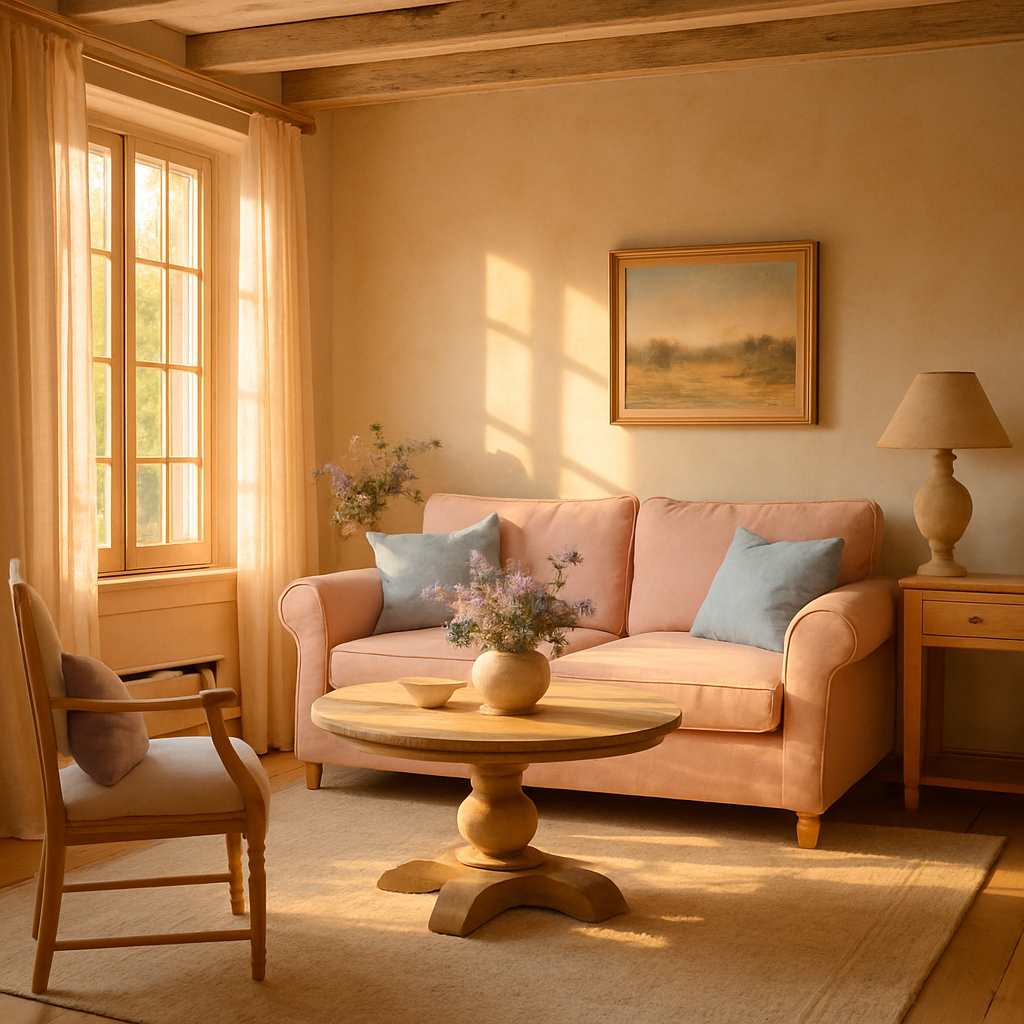

How often have you walked into a room and felt an immediate sense of peace or tension? This reaction is no accident. Interior design has evolved from mere decoration to a powerful tool that shapes our daily experiences. According to the American Society of Interior Designers (ASID), well-designed interiors can increase a home's resale value by 5-15%. This statistic highlights the tangible impact of good design. In this article, we'll explore the evolution of interior design, its influence on modern living, and how you can harness these insights for your own space. We'll delve into foundational concepts, analyze current trends with data, offer actionable strategies, and provide expert-level insights. Whether you're planning a home renovation or simply curious about design's transformative power, this guide is for you.
The Foundation of Interior Design
Understanding the evolution of interior design requires a look back at its historical roots. Initially, interior design was primarily about aesthetics, focusing on creating visually pleasing spaces. However, as societies evolved, so did the role of design, transforming from decorative arts to a complex discipline that intersects with architecture, psychology, and sociology. The International Interior Design Association (IIDA) notes that early 20th-century movements, such as the Bauhaus, fundamentally changed how interiors were conceived. These movements emphasized function over form, leading to open floor plans and integrated living spaces that reflect today's needs.
Fast forward to the present, and the lines between interior design and architecture continue to blur. Today's designers are not just about choosing colors and furniture but are involved in the spatial planning of homes and commercial spaces. This shift is evident in the rise of design-build firms and the increased demand for certified interior designers who hold credentials such as the NCIDQ (National Council for Interior Design Qualification). These professionals are trained to consider structural elements alongside aesthetic ones, ensuring a seamless blend of form and function.
Moreover, sustainability has become a cornerstone of modern design. The push for eco-friendly materials and sustainable practices reflects a broader societal shift towards environmental responsibility. From reclaimed wood to energy-efficient lighting, these elements are not just trends but essential components of any modern interior. As we transition to the next section, we'll examine how these foundational changes are quantified and analyzed within the industry.
Analyzing Trends with Data
In recent years, data-driven design has emerged as a vital tool in the evolution of interior design. Industry surveys, such as those conducted by Houzz, provide invaluable insights into homeowner preferences and spending habits. Houzz's annual survey data reveals that an increasing number of homeowners prioritize smart home integration, with 28% investing in automated lighting and climate control. This trend highlights a shift towards technology-driven solutions that enhance comfort and efficiency.
Another significant trend is the rise of biophilic design, which incorporates natural elements to improve well-being. Research from the University of Exeter suggests that incorporating plants and natural light into interiors can boost productivity by 15% and significantly reduce stress levels. This data underscores the growing recognition of design's impact on mental health, prompting designers to create spaces that nurture both body and mind.
Furthermore, the concept of "quiet luxury" or understated elegance has gained traction, characterized by minimalist designs with high-quality materials. This trend reflects a broader cultural shift towards valuing experiences over possessions. As we move forward, we'll explore actionable strategies that leverage these insights to create spaces that are both beautiful and functional.
Actionable Strategies for Modern Living
Ready to transform your living space with the latest design trends? Start by assessing your current environment. Consider how you use each room daily and identify areas that could benefit from a design update. For instance, integrating smart home technologies can simplify your life and enhance your home's resale value. Platforms like AD PRO offer a wealth of resources on the latest smart home products and integrations that can be tailored to your needs.
Next, explore the use of sustainable materials in your design projects. Reclaimed wood, recycled metals, and non-toxic paints are just a few examples of eco-friendly options that add character and sustainability to your home. Many designers now offer virtual consultations, allowing you to explore these materials and see how they fit into your space using AR/VR visualization tools. These tools provide a realistic preview, helping you make informed decisions without committing to costly mistakes.
Finally, embrace biophilic design by incorporating elements such as indoor plants, natural textures, and ample natural light. These features not only enhance the aesthetic appeal but also promote well-being by connecting your interior environment with nature. Transitioning to expert perspectives, we'll delve deeper into how industry leaders implement these strategies effectively.
Expert Perspectives on Design Implementation
Experienced professionals often note that successful interior design is about more than just following trends-it's about creating a cohesive narrative within a space. Certified designers with NCIDQ credentials emphasize the importance of a well-thought-out design plan that considers both the client's needs and the architectural context. This approach ensures that every design decision supports the overall vision.
Many experts advocate for a phased approach to design projects, typically encompassing concept development, design presentation, procurement, installation, and styling. This structured process allows for thoughtful progression and minimizes disruptions. For instance, during the procurement phase, designers often source furnishings and materials that align with the project's aesthetic and functional goals. Platforms like Houzz and Pinterest are invaluable resources for finding inspiration and sourcing products.
Moreover, industry leaders stress the importance of client collaboration throughout the design process. Regular check-ins and updates ensure that the project remains aligned with the client's vision and budget. By maintaining open communication, designers can address potential issues early on, leading to a smoother project execution. Transitioning to additional insights, we'll explore further considerations that can elevate your design projects.
Additional Insights and Considerations
Budget is a critical factor in any design project, and understanding the different fee structures can help you make informed decisions. Designers typically charge either a flat fee, an hourly rate (ranging from $150-$500 per hour), or a percentage of the total project cost. Additionally, procurement markups on furniture are common. Being aware of these structures can help you plan your budget effectively.
Another consideration is the role of color psychology in design. Colors can significantly affect mood and perception, influencing how a space is experienced. For example, blues and greens are known for their calming effects, while reds and oranges can energize a room. Experienced designers use these principles to create environments that match the intended function of each space.
Finally, staying informed about current design trends can inspire your projects. The 2026 design trends, such as Japandi-a blend of Japanese minimalism and Scandinavian warmth-offer fresh perspectives that can be adapted to various spaces. As we move to the final perspectives, consider how these insights can be applied to your own living environment.
Final Perspectives on Interior Design's Impact
The evolution of interior design highlights its significant impact on modern living. By understanding historical influences, current trends, and expert strategies, you can create spaces that not only look beautiful but also function effectively. As you consider renovations or redesigns, remember that effective design is not just about aesthetics-it's about enhancing your quality of life. How do your current spaces reflect your lifestyle, and where is there room for improvement?
Reflecting on these insights, it's clear that interior design is a powerful tool for shaping our environments and, by extension, our lives. Investing in thoughtful design can lead to improved well-being, increased property value, and a more harmonious living space. As we conclude, consider the changes you can make to your own home to harness these benefits.
Conclusion
In conclusion, the evolution of interior design is more than a chronological journey-it's a testament to the discipline's capacity to transform lives. By embracing current trends and expert strategies, you can create a home that reflects your personality and meets your functional needs. As you embark on your design journey, start by browsing portfolios on platforms like Houzz or Pinterest this week. Even 20 minutes of research can sharpen your eye for what you want. How will you begin reshaping your living space to better suit your life?
Remember, design is a dynamic field that continually adapts to societal changes and technological advancements. By staying informed and open to new ideas, you can ensure that your living spaces remain both timeless and innovative. Make your space a reflection of the life you aspire to lead.



Comments
Post a Comment