Picket Fence Spacing for Cottage Style Front Yards
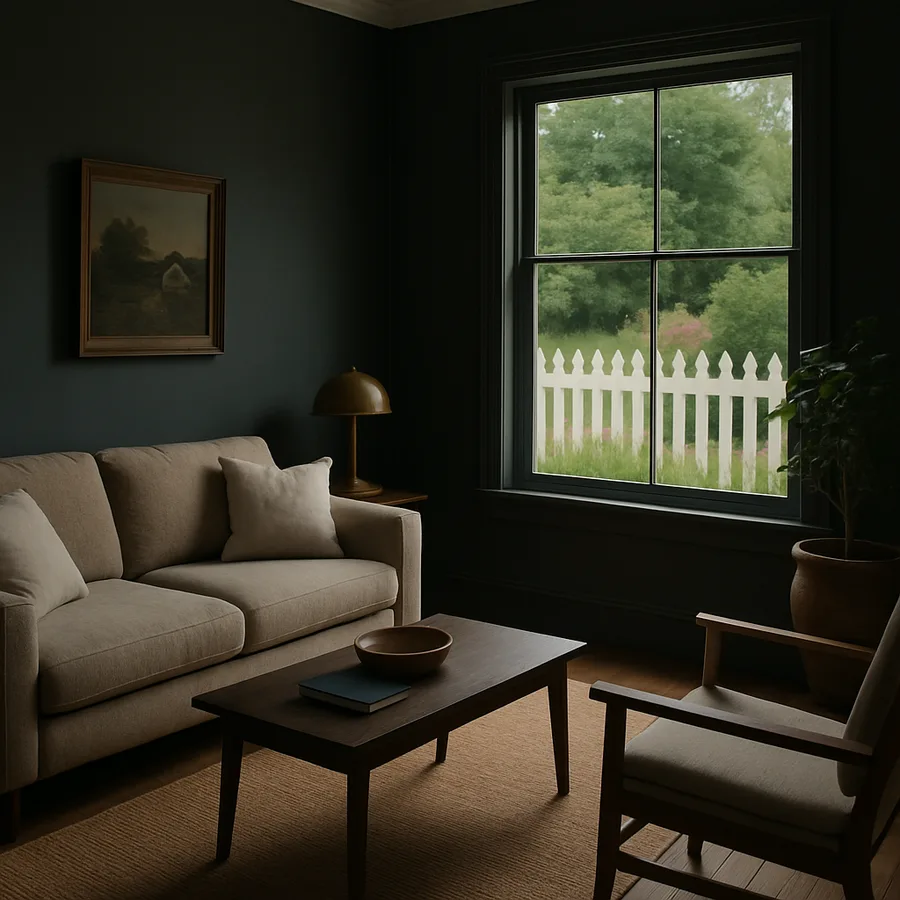
The picket fence is one of the most photographed objects in residential architecture, and somehow most modern installations get the spacing wrong. Pickets are too far apart and the fence reads sparse and unfinished; pickets are too close and the fence reads heavy and suburban. The cottage-style picket fence depends on a very specific proportional relationship between picket width, gap width, and overall height that earlier carpenters absorbed by tradition and that homeowners today often have to reconstruct from first principles.
This guide walks through the spacing math, the historical references that produced it, the height conventions that keep front yards inviting rather than fortified, and the planting choices that complete the cottage look. The American Society of Landscape Architects regularly publishes residential case studies showing front-yard picket assemblies, and the ones that consistently photograph well share specific dimensional rules. Get the rules right and a picket fence makes a small cottage look settled; get them wrong and the same fence makes the cottage look like a builder-grade subdivision.
Where the Cottage Picket Tradition Comes From
The picket fence as we know it traces to early American vernacular building, where a fence had to keep livestock out of a kitchen garden without blocking the breeze, the view, or the conversation a homeowner might have with someone walking past. That functional brief produced a specific geometry: pickets narrow enough to be cheap and easy to mill, gaps wide enough for air movement and partial views, height low enough to talk over.
The geometry that survived is roughly a 1:1 picket-to-gap ratio at a height of 36 to 42 inches, with pickets often pointed or arched on top to shed water. The earliest pickets were riven from logs and varied in width because of the splitting process; later sawmill pickets were uniform but kept the proportional rhythm. By the time wood mills industrialized in the 19th century, the standard 3-and-a-half-inch picket with a 3-inch gap had become the default that English and American cottage gardens still use today.
Why does this matter for spacing decisions? Because cottage style is fundamentally a historical reference. A picket fence with three-inch pickets and one-inch gaps does not read as cottage; it reads as cheap privacy fence. A picket fence with two-inch pickets and four-inch gaps does not read as cottage; it reads as garden trellis. The cottage register is narrow, and the spacing rules are the way you stay inside it.
The Math: Picket Width, Gap Width, and Why 1:1 Wins
The most reliable cottage spacing rule is to make your gap equal to your picket width. With 3.5-inch pickets, run a 3.5-inch gap. With 2.5-inch pickets, run a 2.5-inch gap. The eye reads this rhythm as classical, and the fence neither closes off the yard nor disappears entirely.
Variations that still feel right include the slight push toward solidity, where gaps are narrowed to roughly 75 percent of picket width. This produces a more substantial fence that still feels open. The opposite move, where gaps are widened to 1.25 to 1.5 times the picket width, reads more delicate and works well in front of dense planting because the planting fills in what the fence does not.
Where the math goes wrong is at the extremes. Gap-to-picket ratios above 2:1 produce a fence that no longer functions as a visual frame for the yard; the yard simply reads as having no frame. Ratios below 0.5:1 produce a near-solid wall, which works for privacy fencing but loses the open, welcoming character that makes a cottage front yard feel hospitable. Have you ever passed a cottage with a picket fence so tight you could not see the garden? That is the failure mode of the wrong ratio.
One small additional rule: the gap between the bottom of the picket and the ground should be 2 to 3 inches. This keeps grass trimming manageable, prevents wood rot at the picket base, and lets small wildlife pass without trapping debris. Pickets that touch the ground rot within five to seven years; pickets with a 3-inch lift can last more than 20 with proper finishing.
Height That Welcomes Rather Than Fortifies
Cottage front-yard fences are short by modern standards. The traditional range is 36 to 42 inches at the picket peak, with rails sitting at roughly the one-third and two-thirds height marks. Most municipalities allow front-yard fences up to 4 feet without permit, and some go to 4.5 feet, but cottage style rarely benefits from going taller. A fence at 36 inches lets you talk to a neighbor over the top; a fence at 42 inches frames the yard but still presents your face above the line; a fence at 48 inches starts to feel barrier-like and shifts the read from cottage to colonial.
The specific height matters in relation to your house. A small one-story cottage looks proportional behind a 36-inch fence. A two-story farmhouse with a tall front porch can support a 42-inch fence without it feeling small. A one-and-a-half-story cottage with dormers usually looks best at 38 to 40 inches, splitting the difference. Stand at the curb with cardboard at different heights before you commit; the proportion either works or does not, and a 4-inch difference is enough to change everything.
Stepping the fence with grade is the cottage detail that catches photographers' eyes. A fence that follows the slope rather than running level produces a soft, organic line that suits cottage planting. A level run on a sloped lot produces a triangle of exposed framing at the low end that no amount of paint hides. The International Code Council documents typical residential fence height limits in ICC publications, but local zoning often overrides the general code, and a quick call to your municipal planning office before you start saves expensive corrections later.
Posts, Spacing, and the Sections Between Them
Picket fences span between posts, and post spacing determines both the structural integrity and the visual rhythm. The standard is 6-foot or 8-foot post centers, with 8 feet being the maximum for most cedar or pine pickets without sag concerns. Going wider than 8 feet introduces deflection at the top rail that makes the fence look tired within five years.
Within a section, you need to do simple division to make the spacing work out evenly. For an 8-foot section with 3.5-inch pickets and 3.5-inch gaps, you have a 7-inch repeating unit, and 96 inches divided by 7 gives 13.7 units. That fractional remainder is where careless installs end up with a single oversized gap or a half-picket against a post. The fix is to adjust gap width slightly, use a 3.25-inch gap with 3.5-inch pickets, or accept a slightly different first-and-last gap that hides against the post.
Post style is where cottage fences earn their character. A square post with a simple bevel cap reads classical. A turned post with a finial reads more decorative and suits Victorian-leaning cottages. A post that matches the picket width and rises only an inch or two above the picket peak reads contemporary cottage and works well with newer construction. The National Association of Home Builders data on residential fence specifications shows that turned posts with finials remain the most-installed cottage post style, but the simpler bevel cap has been gaining share among architects working on cottage and craftsman renovations. NAHB resources include builder surveys worth reviewing if you are working with a contractor.
Picket Top Profiles and the Subtle Differences
The top of the picket is where regional cottage traditions diverge. The flat-top picket with a slight bevel is the simplest and most modern reading. The pointed picket with two saw cuts at the top is the classic American cottage profile. The arched-top picket, with a curved cut on each side meeting at a central point, is the English cottage profile, more decorative and slightly more expensive to mill.
Profiles affect how a fence weathers. Pointed and arched tops shed water faster than flat tops, which extends paint life by a year or two on average. The trade-off is splitting risk: pointed tops with sharp peaks can crack at the apex during the first hard freeze if the wood is too wet at install. Pre-priming the cut ends and giving the fence a full day to dry between paint coats prevents most of this.
The fence as a whole gets visual interest from variation that respects rhythm. Some traditional designs use a sequence of three pointed pickets followed by one taller central picket, repeating across each section. Others use scallops where the picket height rises and falls in a gentle wave between posts. Both moves photograph well in cottage gardens and break up the relentless verticality of straight-topped pickets. They are also the kind of detail a custom carpenter handles in an afternoon and that no big-box panel offers.
Planting and the Front Walk That Complete the Look
A cottage picket fence without cottage planting is half a design. The picket fence frames a planted front yard the way a frame surrounds a painting. The planting is the subject. Densely planted perennials spilling slightly over the fence into the sidewalk, climbing roses on the gate posts, and a stone or brick walk meandering rather than running straight to the door are the elements that complete the cottage register.
Three plant categories handle most cottage front yards. Mid-height perennials like catmint, salvia, and lavender produce the soft, blue-purple haze that cottage gardens are famous for and stay below the picket line so they do not hide the fence. Climbing roses on the gate or at the corners punctuate the yard with vertical accents and tie the fence into the garden. Self-seeding annuals like cosmos, larkspur, and California poppy fill gaps each season and produce the slightly wild, abundant feel that distinguishes a cottage garden from a manicured one.
Two stats worth knowing: ASLA case studies of cottage-style residential landscapes consistently report that planting beds extending from the fence base to the inside of the front walk are the single most photographed element, ahead of the fence itself; and NAHB consumer surveys show that homes with cottage-style picket fences and planted front yards sell at meaningfully higher prices than otherwise comparable homes without the curb-appeal investment. The fence pays for itself in many markets if the planting is part of the package. Have you ever stopped to photograph a particular cottage on a walk? Look at what made you stop. It was almost certainly the combination of fence, planting, and walk reading as one composition.
Conclusion
A picket fence done right is one of the highest-leverage exterior investments a small home can make. The cottage register is narrow but learnable: equal picket and gap widths, height in the 36 to 42 inch range, simple posts at 6 or 8 foot centers, and proper bottom clearance from the ground. Get those four numbers right and the rest of the design choices, profile, paint, and post style, become matters of taste rather than risk.
Most homeowners regret cutting the picket fence budget rather than the planting budget. A premium cedar picket fence with proper post setting and a solid paint or stain job costs more upfront, but it will look right at year ten and still be standing at year twenty. A pressure-treated builder-grade fence at the same height looks similar on day one and rougher every season, with paint failure typically beginning around year four and post movement appearing by year seven. The lifetime cost difference is smaller than the sticker prices suggest because you pay to install fence twice in twenty years instead of once.
The other regret most homeowners report is going too tall. A 48-inch fence on a small lot can compress the yard visually, while the same yard with a 36-inch fence reads as more spacious because the eye can travel across the picket line into the planting beyond. If you are uncertain, build the lower fence; you can always add a topper or trellis later, but you cannot easily lower a fence that turned out to be too tall.
Start with a chalk line in the grass at the proposed fence location. Stand inside the line, then outside it. Walk the front sidewalk past it. Notice how the line changes your read of the yard, the porch, and the front door. The right fence at the right height with the right spacing should make the house feel more itself, not less. When the line feels right, measure the run, do the picket math, order materials, and call your local planning office to confirm height limits. The cottage tradition has been working for two centuries because the proportions are correct; respecting them is the entire job.
More Articles You May Like
Comments
Post a Comment