Outdoor Patio Heater Selection From Propane to Electric Infrared
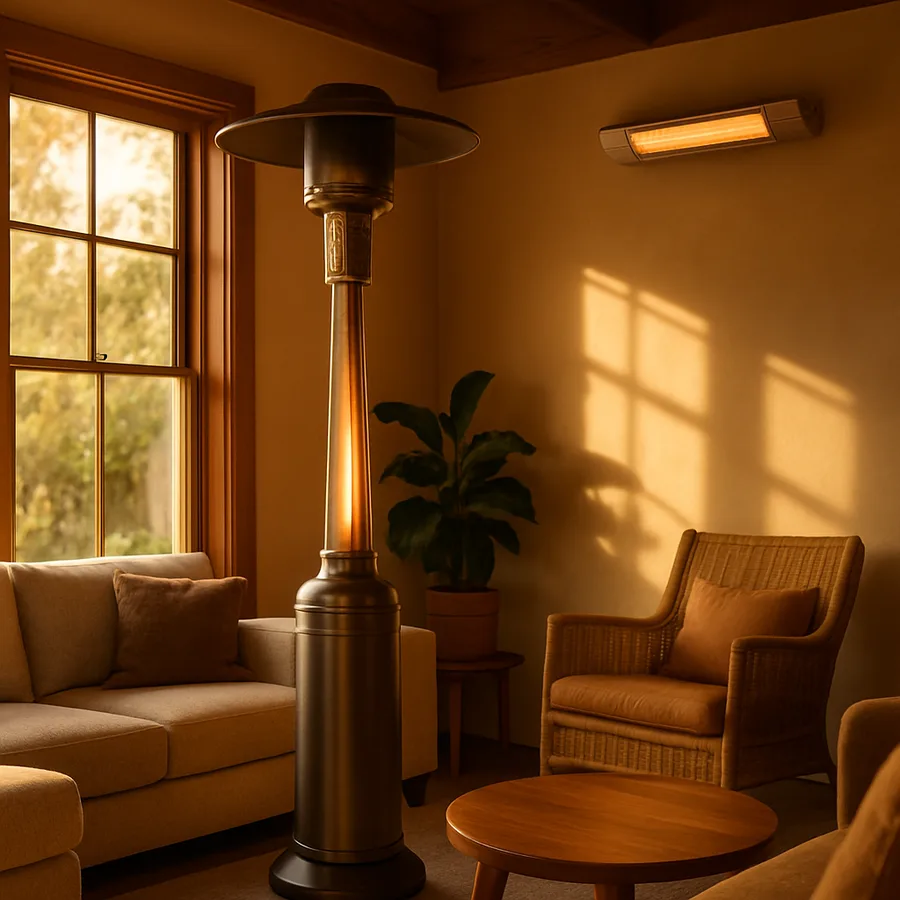
The patio heater has graduated from a restaurant accessory into a defining feature of the outdoor room. A well-chosen heater extends the usable season of a deck or terrace by months, transforms a dinner party into a destination, and turns what was once a fair-weather space into something closer to a third living room. The choice between propane, natural gas, and electric infrared systems is genuinely consequential, however, because each technology heats people in fundamentally different ways and carries a distinct profile of cost, installation complexity, and aesthetic impact. Understanding those differences before the purchase decision saves both money and the disappointment of standing under a heater that warms the air above it but never the guests beneath it. The Hearth, Patio and Barbecue Association tracks consumer demand in this category and reports continued growth as homeowners invest more deeply in outdoor living.
The Three Technologies, Translated Into Plain English
A propane patio heater burns a refined hydrocarbon fuel at a high flame temperature inside a steel emitter, which then radiates heat down and outward toward seated guests. A typical 40,000 BTU mushroom-style unit will warm a circle roughly 18 to 20 feet in diameter under calm conditions. The advantages are mobility, no installation cost, and dramatic visual presence; the disadvantages are tank refilling, the safety logistics of storing a 20-pound cylinder, and the windsensitivity of an open flame.
A natural gas heater operates on the same combustion principle but draws fuel from a permanent underground line, which eliminates tank handling and ensures a steady supply during long evenings. Output is similar at 40,000 to 50,000 BTU for a single unit, but the unit itself can be wall-mounted, ceiling-suspended, or integrated into a permanent pillar. Installation costs run higher because the gas line, shutoff valve, and final connection require a licensed plumber and a code inspection.
An electric infrared heater takes a different approach entirely. Rather than burning fuel, it passes electrical current through a high-resistance element that emits long-wave infrared radiation, which is absorbed by skin, clothing, and surrounding surfaces rather than the air. This means the heater warms people directly, with little energy wasted on warming wind that promptly carries it away. Output is rated in watts rather than BTUs, and a 1,500 to 3,000 watt panel covers a comfortable conversation grouping. Have you ever stood under a propane heater on a windy night and felt almost no warmth? That experience is exactly what infrared technology is engineered to solve.
Calculating the Right Output for the Space
Manufacturers publish coverage areas in square feet, but those numbers assume a sheltered patio with little wind and a single-story ceiling. Real-world coverage is reduced by overhead exposure to the night sky, ambient wind, and the relative warmth of surrounding masonry. A useful rule of thumb is to start with the published coverage and apply a 30 percent derate for a partially open patio, a 50 percent derate for a fully open deck, and an additional 20 percent derate for any consistent wind path.
For combustion heaters, the BTU specification tells the whole story. A small bistro patio with a four-person table generally needs 30,000 to 40,000 BTU, while a six- to eight-person dining terrace benefits from 50,000 BTU, and a long lounge sectional may justify two units of 40,000 BTU positioned to overlap their coverage zones. For electric infrared, watts are the comparable metric: 1,500 watts for a small two-person reading nook, 3,000 watts for a four-person seating cluster, and 6,000 watts spread across two or three panels for a generous outdoor dining table. The Hearth, Patio and Barbecue Association publishes guidance on residential outdoor heater sizing that aligns with these working numbers.
Quick Sizing Reference
- Bistro for 2 to 4: 30,000 to 40,000 BTU or 1,500 to 2,500 watts
- Dining for 6 to 8: 50,000 BTU or 3,000 to 4,500 watts
- Lounge sectional for 6 to 10: two units of 40,000 BTU or 6,000 watts spread across panels
- Outdoor kitchen: 50,000 BTU plus a directional wall-mounted infrared at the cook station
Installation, Clearances, and the Code Conversation
Combustion heaters must respect generous clearances from combustible surfaces. A typical freestanding propane mushroom heater requires 36 inches from a wall and 96 inches of vertical clearance to a ceiling or pergola beam. Wall-mounted natural gas heaters publish their own clearance tables and often demand a non-combustible backing plate beneath the burner. Always check the unit's installation manual against the local building code, which may impose stricter limits in dry-climate or wildfire-prone jurisdictions. The National Fire Protection Association publishes residential fuel-gas codes that most jurisdictions adopt with local amendments.
Electric infrared installation centers on the electrical service rather than the fuel line. A 1,500-watt unit can plug into a standard 120-volt 15-amp circuit, while a 3,000- to 6,000-watt panel typically requires a dedicated 240-volt 20- or 30-amp circuit pulled from the panel by a licensed electrician. Outdoor installations must follow the National Electrical Code requirements for GFCI protection, weather-resistant enclosures, and wet-location-rated wiring. For a patio without an existing exterior subpanel, a single new circuit run can cost 400 to 1,200 dollars depending on the wall finish and the distance from the service panel. Have you confirmed available capacity in your existing panel before specifying a 6,000-watt heater?
Operating Cost and the Quiet Math of Comfort
Operating cost varies more than buyers expect, because fuel pricing, regional electricity rates, and unit efficiency interact in non-obvious ways. A 40,000 BTU propane heater consumes roughly 1.7 pounds of fuel per hour, which translates to about 8 to 10 hours of run time per 20-pound tank. At typical retail propane prices, that yields an hourly operating cost of roughly 2 to 3 dollars. Natural gas, where available, is significantly cheaper per BTU and runs around 0.50 to 1 dollar per hour for the same heat output, plus the fixed monthly utility connection.
Electric infrared looks expensive at first glance because electricity priced per kilowatt-hour appears costly, but the heaters convert nearly all of that input into directed radiant warmth on guests rather than wasted ambient heating. A 3,000-watt panel running for four hours at typical residential electricity rates costs roughly 1.50 to 2.50 dollars per evening. Because the heat is directional, smaller wattage often delivers comparable comfort to a higher-BTU combustion unit. The U.S. Energy Information Administration publishes regional residential electricity rate data, with the national average in the 14 to 17 cent per kilowatt-hour range, varying widely by state.
Aesthetics, Sound, and How the Heater Reads in the Space
Patio heaters are visible. Even the most utilitarian buyer eventually cares how the unit reads in the space, because outdoor rooms invest heavily in lighting, planters, and architectural detail that a misaligned heater can disrupt. Mushroom propane units are unmistakable and somewhat institutional; pyramid flame towers offer a more decorative profile with a visible flame column behind glass. Natural gas wall sconces can be specified in finishes from matte black to brushed brass, which lets the heater disappear into the architecture or assert itself as a feature.
Electric infrared panels typically read as architectural elements. The slimmer profiles can be ceiling-mounted between rafters or along the underside of a pergola, often with the emitter glowing a soft amber when active and disappearing visually when off. Sound is another factor: combustion heaters produce a soft hiss from the burner and an occasional pilot click, while electric infrared is silent. For a property that hosts evening conversations or audio-rich gatherings, the silence of infrared adds a subtle but real luxury. Some homeowners pair the technologies, using a natural gas pyramid for visual centerpiece and overhead infrared panels for actual comfort during use.
Smart Controls, Zoning, and the Modern Comfort Layer
The patio heater has quietly inherited the same smart-control wave that transformed the indoor thermostat. Many electric infrared panels now ship with onboard Wi-Fi, allowing schedule-based pre-heating thirty minutes before guests arrive, occupancy-based shutoff after the patio empties, and energy-use reports that finally make outdoor heating costs legible to the household. Combustion units can also be brought into the smart-control conversation through a dedicated gas-rated motorized valve and a wall-mounted controller, though the install is more involved.
Zoning is the underappreciated companion concept. A long patio with both a dining table and a separate lounge cluster is rarely well served by a single high-output heater; it ends up overheating the diners and underwarming the loungers, or vice versa. Splitting the heat into two zones, each with its own thermostat or smart switch, lets each cluster fine-tune the comfort without affecting the other. The U.S. Department of Energy has published guidance on zoning principles that, while written for indoor systems, apply with surprising fidelity to large outdoor rooms.
Safety, Wind, and Seasonal Storage
Combustion heaters demand respect because they generate carbon monoxide and depend on adequate combustion air. Most freestanding propane heaters include a tip-over shutoff and an oxygen depletion sensor, but those features only function if maintained. The unit should be inspected annually for spider webs in the venturi tube, dirt in the burner ports, and integrity of the flexible regulator hose. Wind is the operational enemy: any unit installed in a consistent wind path will burn inefficiently, sooting the emitter screen and reducing heat output dramatically.
Electric infrared systems are inherently safer for unattended operation because there is no flame and no combustion byproduct. They still benefit from a smart switch or programmable timer that prevents accidental all-night operation. All outdoor electrical components should carry an IP65 weather rating or higher and be placed where rain runoff cannot pool around the housing. The Hearth, Patio and Barbecue Association publishes consumer-facing safety guidance, while the National Fire Protection Association maintains the residential fuel-gas codes most jurisdictions adopt. For electrical detailing, the National Electrical Code defines the GFCI and wet-location requirements every installer should follow.
Seasonal Storage Reminders
- Propane tanks: never store indoors, especially not in basements, attached garages, or sheds with appliances
- Natural gas heaters: shut off the supply valve during off-season and cover the emitter
- Electric infrared: remove or cover the panels in winter to extend element life and protect against ice damage
- All units: inspect electrical cords and gas hoses each spring for cracks, brittleness, or rodent damage
Conclusion: Matching the Heater to How You Actually Live Outside
The right patio heater is the one that disappears into the evening, leaving only the warmth and the conversation it makes possible. That sounds romantic, but it reduces to a few practical questions: how often will the patio be used between October and April, how exposed is the space to wind, what fuel is already at the property, and how much visual presence is welcome. A heater that fails any one of these tests becomes the dust-collecting eyesore in the corner, while a heater that passes all of them quietly transforms the home.
For renters, occasional users, and properties without a gas line, propane remains the most accessible answer. The up-front cost is low, the installation is zero, and the unit can move with the household. For owners who entertain regularly on a fixed patio, natural gas offers reliability and lower per-hour cost in exchange for a one-time plumbing investment. For modern outdoor rooms with a strong architectural intent, electric infrared delivers silent, directed warmth that integrates into the ceiling or wall and operates with the responsiveness of a light switch.
Mixed setups are increasingly common and often the most satisfying. A central pyramid or fire feature provides the visual ritual that humans have gathered around for millennia, while overhead infrared panels do the quiet work of keeping shoulders and necks warm during a long meal. The combined cost is higher, but the comfort is meaningfully better than any single-technology approach.
Take the time to walk the patio with a tape measure and a notebook before shopping. Mark the seating clusters, identify the prevailing wind direction, and locate the nearest gas stub or electrical panel access. With those measurements in hand, a thirty-minute conversation with a hearth retailer or licensed contractor will narrow the field to two or three viable units. Make the call, schedule the install before the first cold weekend of fall, and reclaim the outdoor room for the second half of the year.
More Articles You May Like



Comments
Post a Comment