Outdoor Shower Enclosure Designs for Pool and Beach Houses
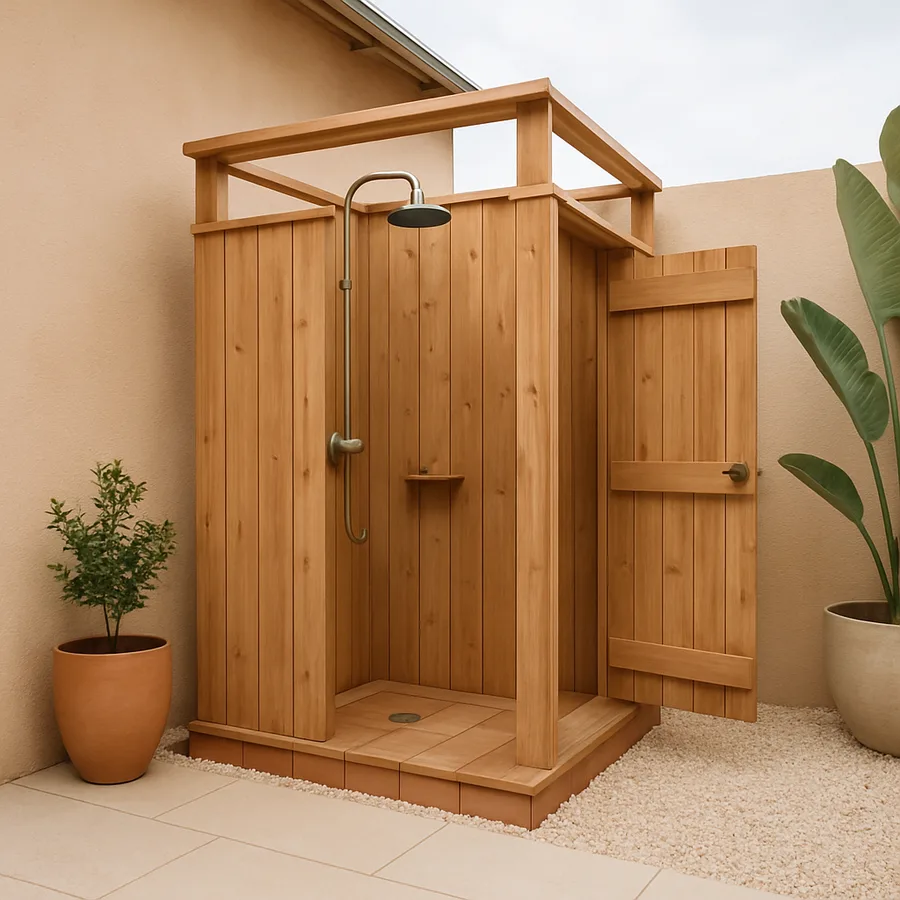
An outdoor shower is one of those rare architectural moves that pays dividends across hospitality, hygiene, and atmosphere. At a beach house, it rinses sand and saltwater off skin and swimsuits before guests track grit into the great room. At a poolside cabana, it doubles as a chlorine washoff and a transitional moment between swimming and the rest of the day. Designed well, an outdoor shower becomes one of the most photographed corners of the property; designed poorly, it becomes a moldy plywood box that nobody uses by year three. The difference lies in materials, drainage, privacy, and a clear understanding of how saltwater, UV, and humidity behave over a decade of exposure. According to the National Oceanic and Atmospheric Administration, coastal counties experience corrosion rates several times higher than inland averages, which means the outdoor shower is not a casual finish project but a serious envelope detail.
Reading the Site Before Drawing the Enclosure
The first decision is location, and it is more nuanced than picking a wall and stubbing a pipe. A successful outdoor shower needs proximity to the pool deck or beach path, screening from neighbors and street views, drainage that does not undermine the foundation, and enough sun to dry the floor between uses. Many homeowners default to placing the shower on an exterior bedroom wall to minimize plumbing runs, only to discover that the shower drain backsplash now points directly at a ground-floor window. A site walk with masking tape and a bucket of water can reveal these issues before the framer arrives.
Soil drainage is the other quiet constraint. Sandy beach lots tend to absorb gray water quickly, while clay-heavy inland sites pool water for hours. A French drain or dry well sized to handle the peak gallon-per-minute output of the shower head, plus a margin for storms, is essential where municipal codes do not require a tied-in sanitary connection. The U.S. Environmental Protection Agency publishes guidance on gray water that varies sharply by state, so the local building department is always the first phone call. Have you walked the site after a heavy rain to see where puddles actually form? That five-minute observation will reshape the floor plan.
Privacy Strategies That Feel Generous, Not Defensive
The point of an outdoor shower is the outdoors. Over-enclosing it defeats the purpose; under-enclosing it makes guests uncomfortable. The sweet spot is usually a three-sided enclosure with the open side facing the most private direction, a wall height of around 72 inches, and slatted construction that allows light and air to pass while breaking sight lines. Cedar, ipe, and thermally modified ash are the perennial choices because they shrug off humidity and develop a graceful silver patina without paint maintenance.
For taller showers or sloped sites where a 72-inch wall fails to screen properly, the enclosure can step up to 84 inches or include a privacy lattice cap. Where neighbors are close, a planted vine on copper wire can soften the wall and add a fragrant screen; star jasmine, climbing hydrangea, and confederate jasmine all thrive in coastal humidity. A door is optional but useful where small children or pets share the property, and a simple gravity latch in marine-grade stainless steel will outlast nearly any spring mechanism. Have you walked the property line at twilight to see where porch lights actually shine into the shower zone?
Materials That Survive Salt Air and Pool Chemistry
Material choice is where outdoor showers either thrive or fail. Standard galvanized hardware corrodes within two seasons in a salt environment; chrome plating bubbles and flakes; and even some so-called marine-grade fittings degrade if they contain mixed alloys. The reliable specifications are 316 stainless steel for exposed hardware, solid brass with a living finish for fixtures, and PEX or copper for supply lines protected by insulation against winter freeze-thaw. ASTM International publishes corrosion-resistance standards that guide manufacturers, and reputable suppliers will print the standard on the box.
Wall and Floor Material Cheat Sheet
- Cedar: aromatic, naturally rot resistant, weathers to silver if untreated
- Ipe: dense tropical hardwood, decades of life, requires pre-drilled stainless fasteners
- Thermally modified ash: domestic alternative to ipe, lighter, dimensionally stable
- Composite slats: low maintenance, cooler underfoot than dark woods, finite color palette
- Stone tile floor: bluestone or sandstone with flame-finished surface for slip resistance
- Cedar duckboard floor: floats above a sloped concrete pad, easy to lift for cleaning
Floor construction deserves its own attention. A concrete pad sloped one-quarter inch per foot toward a center drain is the most durable foundation. Above it, a removable cedar duckboard provides warmth and forgiveness underfoot, while a stone tile inset offers a luxurious, easily cleaned surface. Whatever the finish, the surface should pass the ASTM C1028 friction threshold for wet conditions, since slips on a soaped floor are the most common outdoor-shower injury.
Plumbing, Hot Water, and Freeze-Proofing
An outdoor shower can be cold-only, mixed, or fully hot-and-cold; the choice depends on use case and climate. A beach house used only in summer can survive on cold water alone, especially if the supply line runs through a black-painted exposed loop that solar-warms the water as it sits. Pool houses used three seasons demand a tempered mix, both for guest comfort and to prevent shock-induced cardiac events in older swimmers. Year-round properties in any climate with a freeze risk require either a frost-free hose bib stub or a fully insulated and heat-traced supply system that drains down at the end of each season.
Demand for the shower is usually short and intense, which makes a small dedicated tankless water heater an attractive option. A 4 to 6 gallon-per-minute tankless unit serves two adjacent fixtures comfortably and avoids the standby losses of a tank heater that sits idle most of the day. Code in many jurisdictions requires a vacuum breaker and an anti-scald thermostatic valve, both of which are inexpensive and protect the system from cross-contamination and burn injury. Plumbing inspectors generally want to see the rough-in before the finish carpentry begins, so the schedule should reflect that sequence.
Lighting, Hooks, and the Small Comforts That Get Used
The fixtures that get used every day are usually the cheapest line items. A pair of marine-grade towel hooks at 60 inches off the floor handles wet swimsuits and towels; a teak corner shelf holds shampoo bottles and a bar of soap without warping; a small wall-mounted basket catches goggles and snorkels. A rinse-only handheld wand on a slide bar lets a parent rinse a child or wash sand off feet without forcing everyone to undress. These details cost a few hundred dollars combined and dramatically increase the daily use of the shower.
Lighting transforms the enclosure after sunset. A single warm 2700K wall sconce at head height, IP65 rated for outdoor wet locations, is enough for a quick post-swim rinse. For showers used as a destination, a downlight aimed at the floor and a low-level path light outside the enclosure read as resort-quality. Photovoltaic options simplify the wiring, but hardwired LED with a photocell switch yields more consistent output and a longer lifespan in salt environments. The National Electrical Code requires GFCI protection for any outdoor receptacle within reach of the shower zone, and that protection should be tested monthly during the season.
Cabana Layout, Storage Niches, and the Functional Edges
An outdoor shower lives at the intersection of architecture and choreography, and the small storage niches built into the enclosure determine whether the experience feels resort-grade or merely adequate. A built-in teak shelf at shoulder height holds a shampoo, conditioner, and a beach-bound sunscreen without requiring guests to crouch. A small stainless rod for hand towels lives just outside the splash zone but inside the privacy walls. A bench cut into one side of the enclosure provides a perch for changing out of a wet swimsuit; treated with a slip-resistant finish, it doubles as a foot rest for rinsing sand off ankles after a long beach walk.
The threshold between the shower and the rest of the house deserves equal thought. A teak duckboard or bluestone landing pad outside the shower captures water that drips from suits, and a marine-rated mat catches the sand that survives the rinse. For pool houses, a pass-through to a small changing room with hooks and a basket for dry clothes is the detail that separates the truly functional from the merely beautiful. National Kitchen and Bath Association guidelines on accessible bathing spaces translate directly to outdoor showers, particularly the recommendation for grab points on slip-prone surfaces.
Maintenance, Seasonal Closing, and Long-Term Care
Outdoor showers reward routine over heroics. A weekly rinse with fresh water flushes salt residue from valves and fixtures, slowing the corrosion clock. A monthly inspection of the gasket seals, drain screen, and visible fasteners catches small failures before they become wood rot. Cedar walls benefit from an annual cleaning with a soft brush and oxygen bleach to prevent gray mildew bands; ipe and thermally modified woods generally need only a hose-down. Metal fixtures benefit from a thin wipe of food-grade mineral oil at the start of each season to slow tarnish.
Winter closing in cold-climate properties is the moment when a poorly designed shower fails. Every section of supply line above the frost depth must drain fully, which means installing the lowest point with a drain valve and a removable threaded cap. A small compressed-air fitting at the supply isolation valve allows a homeowner to blow out residual water in three minutes, the same technique used for irrigation systems. The National Oceanic and Atmospheric Administration climate data for the property's specific zone is the most reliable guide to the closing date, while the EPA WaterSense program offers fixture flow-rate guidance for new construction. For technical material standards, the ASTM International library catalogs the corrosion and slip-resistance specifications that should appear on every product datasheet for coastal projects.
One often-overlooked maintenance task is checking the freshness of the carbon filters and aerator screens during the shoulder seasons. Salt deposits build up on aerator faces faster than most homeowners expect, and a shower head that delivered seven gallons per minute when new can drop to four within two seasons of coastal use. A simple overnight soak in white vinegar restores most of the flow, and removing the head once a year for a deeper descale extends its life dramatically.
Conclusion: Designing a Shower That Becomes the Best Spot on the Property
The outdoor shower is rarely the most expensive room on a beach or pool property, but it is often the most loved. Children remember the smell of cedar and warm water rinsing off ocean salt; adults remember the moment of stepping out of a sun-warmed shower into the breeze. The design choices that produce those memories are not exotic. They are simply the result of pairing the right materials with honest detailing, prioritizing privacy without enclosing the sky, and respecting the relentless arithmetic of salt and humidity.
Every successful enclosure shares a few traits. It sits in the right spot for its users, with a clear path from pool or beach. It drains quickly enough that the floor dries between uses. It uses fasteners and fittings that match the corrosion environment they live in. It offers enough hooks, shelves, and lighting that guests reach for it without thinking. And it was sized for the actual flow rates and use frequency of the household, not a generic spec from a magazine.
For homeowners weighing whether to add an outdoor shower or remodel an existing one, the planning sequence is straightforward: confirm code, walk the site at different times of day, pick materials based on the corrosion zone, and lay out the plumbing rough-in before any wall goes up. Spend the budget on the elements that touch skin and water, namely the valve, the head, and the floor; economize on the fashion-forward extras that age in less than a decade.
Ready to begin? Sketch the enclosure footprint with chalk on the proposed slab location, measure the privacy sight lines from neighboring windows, and run a hose for two minutes to test where water actually flows. Bring that information to a licensed plumber for the rough-in conversation and a local lumberyard for cedar or ipe pricing. With a clear plan in hand, the shower can move from concept to first rinse in a single off-season, ready to anchor the next decade of summers.
More Articles You May Like



Comments
Post a Comment