Essential Elements of Modern Office Interior Design: A Complete Guide
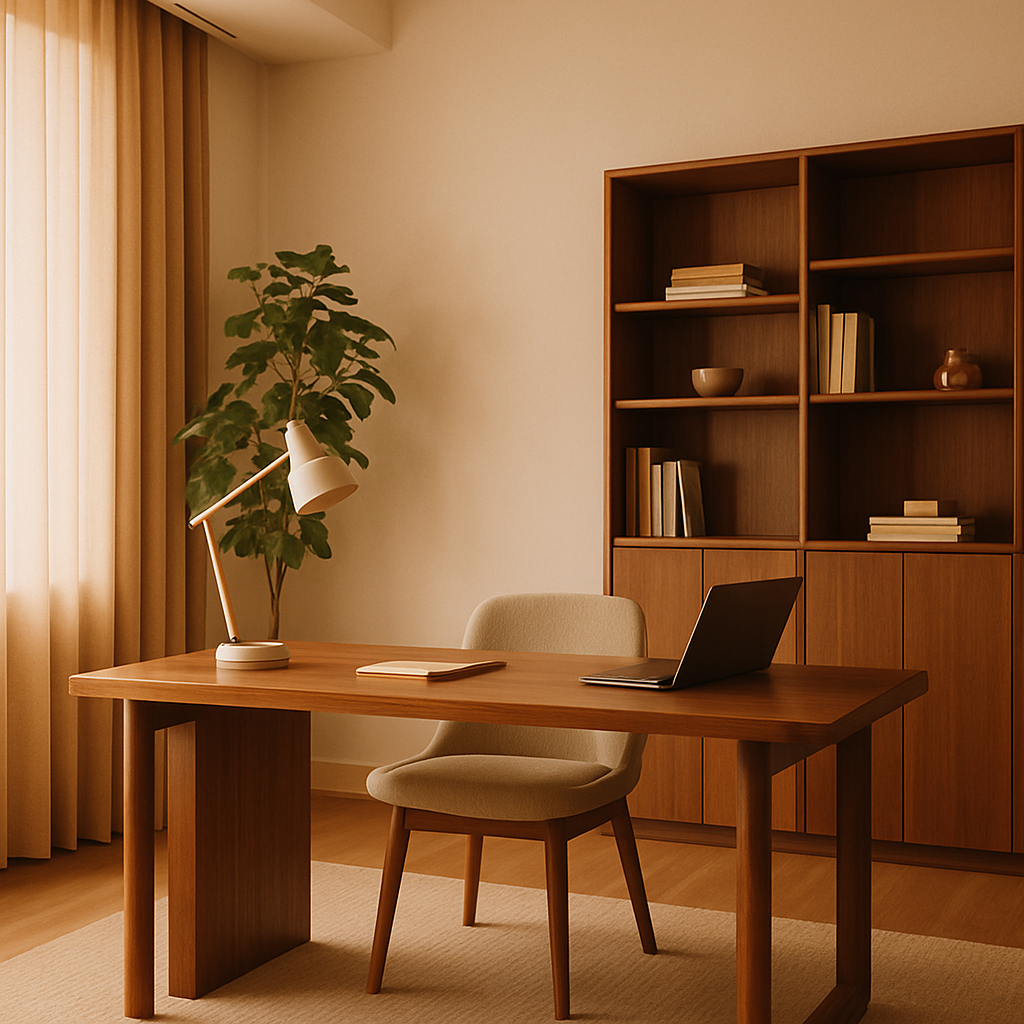
Creating an office that performs as beautifully as it looks requires far more than selecting paint colors and arranging furniture. Modern office interior design operates at the intersection of human psychology, building science, technology integration, and brand expression, demanding a holistic approach that considers every surface, system, and spatial relationship. The stakes are high: a poorly designed office can drain productivity, increase turnover, and silently communicate organizational dysfunction to every client who walks through the door. Conversely, a thoughtfully designed workspace can become a company's most powerful recruiting tool, a catalyst for innovation, and a daily source of pride for the people who use it. The American Society of Interior Designers (ASID) reports that businesses investing in evidence-based workplace design consistently outperform peers on employee engagement metrics. This guide breaks down the essential elements that distinguish an adequate office from an exceptional one, providing a framework you can apply whether you are fitting out a startup suite or reimagining a corporate headquarters.
Space Planning and Zoning for Optimal Flow
Every successful office design begins with space planning, the disciplined process of allocating square footage to activities based on how people actually work rather than how an organizational chart suggests they should. Effective zoning separates loud, collaborative areas from quiet, focused zones, creating a gradient of energy that employees can navigate according to the task at hand. Reception areas set the tone and guide visitors seamlessly toward their destinations. Open workstation clusters sit adjacent to enclosed meeting rooms, while social hubs anchor the perimeter where their energy cannot disturb concentrated work. Circulation paths are wide enough to encourage movement but efficient enough to avoid wasted real estate. The best plans feel intuitive, as though the building itself understands where people need to be.
Adjacency mapping is a critical tool in the space planner's kit. By charting which teams interact most frequently and placing them within easy reach of one another, designers reduce the friction of collaboration without resorting to a fully open floor plate that sacrifices privacy. Support functions such as print stations, storage rooms, and kitchenettes are distributed to minimize walking distances without cluttering prime real estate. Transition zones, the thresholds between public and private areas, benefit from shifts in flooring material, ceiling height, or lighting intensity that subconsciously signal a change in behavioral expectation. These subtle cues reduce the social awkwardness of open plans, where the absence of physical boundaries can leave people uncertain about noise levels and conduct.
How often do you find yourself walking the long way around your office to avoid disrupting a colleague? That friction is a symptom of poor zoning, and it accumulates into measurable productivity losses over time. A well-zoned office eliminates those daily detours by giving every activity a designated home. Whether you are working with a professional credentialed by the National Council for Interior Design Qualification (NCIDQ) or tackling the layout internally, start by observing movement patterns and conversation flows before committing to a plan. The data gathered during a single week of observation can save months of post-occupancy complaints and costly furniture rearrangements down the line.
Ergonomic Furniture as a Health Investment
Ergonomic furniture is not a luxury add-on; it is a foundational health investment that pays dividends in reduced absenteeism, fewer workers' compensation claims, and sustained cognitive performance throughout the workday. Adjustable-height desks that transition between sitting and standing positions, task chairs with lumbar support and seat-depth adjustment, and monitor arms that position screens at eye level form the baseline of a responsible workstation setup. The International Interior Design Association (IIDA) has published extensive guidelines linking proper ergonomic support to reductions in musculoskeletal complaints, noting that the cost of a high-quality task chair is a fraction of a single employee's annual healthcare claim for chronic back pain.
Beyond the individual workstation, ergonomic thinking extends to every surface employees interact with during the day. Conference tables at appropriate heights, lounge seating that supports posture without sacrificing comfort, and standing-height counters in break areas all contribute to a workplace that respects the human body. Keyboard trays, footrests, and document holders are small accessories that make a measurable difference when provided as standard rather than requested as exceptions. The quiet luxury aesthetic embraced by many contemporary offices aligns naturally with ergonomic excellence; beautifully crafted chairs wrapped in premium textiles signal care for both appearance and well-being without drawing attention to their clinical origins.
Selecting ergonomic furniture is not a one-size-fits-all exercise. Body dimensions vary widely, and a chair that supports one person perfectly may be uncomfortable for another. Adjustability is the non-negotiable feature: seat height, armrest width, backrest tilt, and headrest position should all accommodate the full range of users likely to occupy the workspace. Do your current chairs adjust to fit every person on your team, or have they been set once and never touched again? An ergonomic audit, often available from furniture dealers or independent consultants charging between $150 and $500 per hour, can identify quick wins that dramatically improve comfort and reduce injury risk across the entire office.
Lighting Strategies That Support Well-Being
Lighting is arguably the single most influential element in any interior, yet it remains one of the most frequently underinvested areas of office design. The goal is a layered system that combines ambient, task, and accent lighting to create a flexible, comfortable visual environment. Circadian-responsive fixtures that shift color temperature from cool blue-white in the morning to warm amber in the afternoon align with the body's natural rhythms, supporting alertness during peak hours and easing the transition toward evening. Studies referenced by AD PRO indicate that employees exposed to circadian lighting report better sleep quality and higher daytime energy levels, a benefit that extends well beyond office walls.
Glare control is an equally important consideration, particularly in screen-intensive environments. Anti-glare coatings on windows, indirect lighting that bounces off ceilings rather than shining directly into eyes, and individually adjustable task lamps give occupants control over their immediate visual comfort. Daylight harvesting systems use sensors to dim artificial lights as natural light levels increase, reducing energy consumption while maintaining consistent illumination. The placement of workstations relative to windows matters enormously: perpendicular orientation avoids both direct glare and the harsh silhouette effect that occurs when screens face incoming sunlight. These decisions are best made during the space planning phase rather than retroactively corrected with stick-on films and desk-clamp shields.
Accent lighting brings personality and warmth to an office that might otherwise feel clinical. Pendant fixtures over social areas, LED strip lighting beneath floating shelves, and wall-wash fixtures highlighting artwork or textured surfaces create visual anchors that draw the eye and soften the overall atmosphere. Have you noticed how different your mood feels in a warmly lit restaurant compared to a brightly lit supermarket? That same principle applies to the workplace, and the most effective designers wield it deliberately. Investing in a comprehensive lighting plan, one that addresses physiology, function, and ambiance simultaneously, is one of the highest-return decisions available to anyone shaping a modern office environment.
Acoustic Design for Focus and Collaboration
Sound management is the invisible architecture of a productive office. Without deliberate acoustic planning, open workspaces devolve into cacophonous environments where phone conversations, keyboard clatter, and impromptu discussions blend into a persistent haze of distraction. The solution is not silence; it is sonic zoning, the creation of distinct acoustic environments tailored to the activities they host. Absorptive materials such as felt ceiling baffles, upholstered partition panels, and carpet tiles dampen reverberation in open areas, while sound-masking systems introduce a gentle wash of broadband noise that raises the ambient floor just enough to render distant conversations unintelligible. Houzz design professionals frequently note that acoustic interventions rank among the most impactful improvements clients can make to an existing office, often surpassing visual upgrades in employee satisfaction impact.
Enclosed spaces require their own acoustic treatment. Meeting rooms need sufficient isolation to contain confidential discussions, which means attention to door seals, wall construction, and ceiling continuity above partition walls. A common and costly mistake is building meeting rooms to the drop ceiling rather than the structural deck above, creating a sound path that broadcasts every word to adjacent spaces through the shared plenum. Phone booths and focus pods, increasingly popular in hybrid offices, must balance acoustic isolation with ventilation and thermal comfort, a tricky engineering challenge that cheap prefabricated units often fail to meet. Investing in well-engineered pods from reputable manufacturers prevents the frustration of booths that are quiet but stuffy or well-ventilated but acoustically transparent.
What does your office sound like at peak hours? If the answer involves raised voices competing with background noise, acoustic design should be your next priority. The good news is that many acoustic improvements can be retrofitted without major construction. Suspended baffles, freestanding screens, and even strategically placed bookshelves filled with irregular objects can significantly reduce reverberation. Carpet tiles outperform hard floors in noise reduction and offer the practical advantage of individual tile replacement when stained or worn. A professional acoustic assessment, typically included in the scope of any NCIDQ-certified designer's workplace project, identifies problem frequencies and recommends targeted interventions that deliver measurable results within weeks of installation.
Brand Expression Through Material and Color
An office is a three-dimensional expression of an organization's identity, and the materials and colors chosen for its interior should reinforce that identity at every turn. Brand expression in office design goes far beyond painting a wall in corporate colors or hanging a logo in the lobby. It involves embedding values, culture, and personality into the tactile and visual experience of the space. A technology company might express innovation through exposed structural elements, raw concrete, and interactive digital installations. A law firm might communicate trustworthiness through rich timber paneling, deep-toned leather, and a curated collection of legal artwork. The Japandi aesthetic, with its emphasis on craftsmanship and restraint, appeals to organizations whose brand rests on precision and mindfulness.
Color theory provides a scientific foundation for palette decisions. Cool blues and greens promote concentration and calm, making them ideal for focus areas and client meeting rooms. Warm yellows and oranges stimulate energy and sociability, supporting break rooms and brainstorming zones. Neutral tones provide a versatile backbone that prevents visual fatigue and allows accent colors to do their work without competition. The proportion matters as much as the hue: the widely referenced 60-30-10 rule suggests dedicating 60% of visual area to a dominant neutral, 30% to a secondary tone, and 10% to an accent that provides contrast and interest. This framework prevents the common pitfall of over-saturating a space with branded color, which can feel oppressive rather than inspiring.
Material selection is where brand expression becomes tangible. Visitors and employees do not just see a workspace; they touch door handles, walk across floors, lean against counters, and feel the texture of seating upholstery. Each of those interactions communicates something about the organization. Biophilic materials like stone and reclaimed timber convey authenticity and environmental responsibility. Polished metals and glass signal modernity and transparency. Textured fabrics add warmth and approachability. Does the material palette in your office tell the story you intend? A focused material audit, reviewing every surface a person contacts during a typical visit, often reveals disconnects between brand intention and spatial reality that are straightforward to correct with targeted interventions.
Technology Integration and Future-Proofing
Technology in the modern office extends well beyond reliable Wi-Fi and a functioning printer. Seamless integration of audiovisual systems, wireless presentation platforms, room-scheduling displays, and smart building controls defines the baseline expectation for any newly designed workspace. The key principle is invisibility: technology should enable activities without demanding attention. Cables disappear into furniture grommets and floor boxes, projectors give way to flush-mounted display panels, and climate controls respond to occupancy sensors rather than manual thermostats. ASID standards increasingly emphasize the role of interior designers in coordinating technology infrastructure, recognizing that device placement, cable routing, and interface design are as much spatial concerns as they are engineering ones.
Future-proofing is the art of designing for technologies that do not yet exist. Raised access floors that allow cable reconfiguration without demolition, ceiling grids with accessible pathways for new sensor installations, and furniture with integrated power and data ports that accept modular upgrades all extend the useful life of an office fitout. The cost of future-proofing during initial construction is typically a fraction of the retrofit cost incurred when inflexible infrastructure meets evolving requirements. Smart home principles adapted for commercial use, such as centralized building management systems that integrate HVAC, lighting, security, and AV into a single dashboard, provide the operational backbone that keeps a modern office running efficiently as organizational needs shift.
Security and data privacy must be woven into technology decisions from the outset. Screen-privacy filters, directional speakers that contain audio within meeting zones, and network segmentation that isolates guest Wi-Fi from corporate systems are design considerations, not afterthoughts. How prepared is your current office infrastructure for the next generation of workplace technology? Designers who collaborate closely with IT and facilities teams during the planning phase produce spaces that adapt gracefully to new tools, avoiding the expensive and disruptive mid-lease retrofits that plague organizations caught off guard by technological change. The investment in flexible infrastructure pays for itself many times over across the typical seven-to-ten-year lifecycle of an office interior.
Conclusion
Modern office interior design is a multi-layered discipline that demands attention to space planning, ergonomics, lighting, acoustics, brand expression, and technology in equal measure. None of these elements operates in isolation; the most successful workplaces are those where each component reinforces the others, creating an environment that is greater than the sum of its parts. Ergonomic furniture loses much of its value in a space plagued by acoustic distraction, just as beautiful brand expression rings hollow when the lighting makes people squint and the layout forces unnecessary detours. The essential elements outlined in this guide provide a comprehensive framework for evaluating your current workspace and identifying the interventions most likely to deliver meaningful improvement. Begin by assessing which of these areas represents the greatest gap between your current reality and your aspirations. Engage a professional certified by IIDA or NCIDQ to translate your priorities into a cohesive design strategy, and approach the project as an investment in the people whose talent and energy ultimately determine your organization's success. The office that results will not merely house your team; it will actively help them thrive.
More Articles You May Like



Comments
Post a Comment