Maximizing Small Spaces: Innovative Interior Design Ideas for Cozy Homes
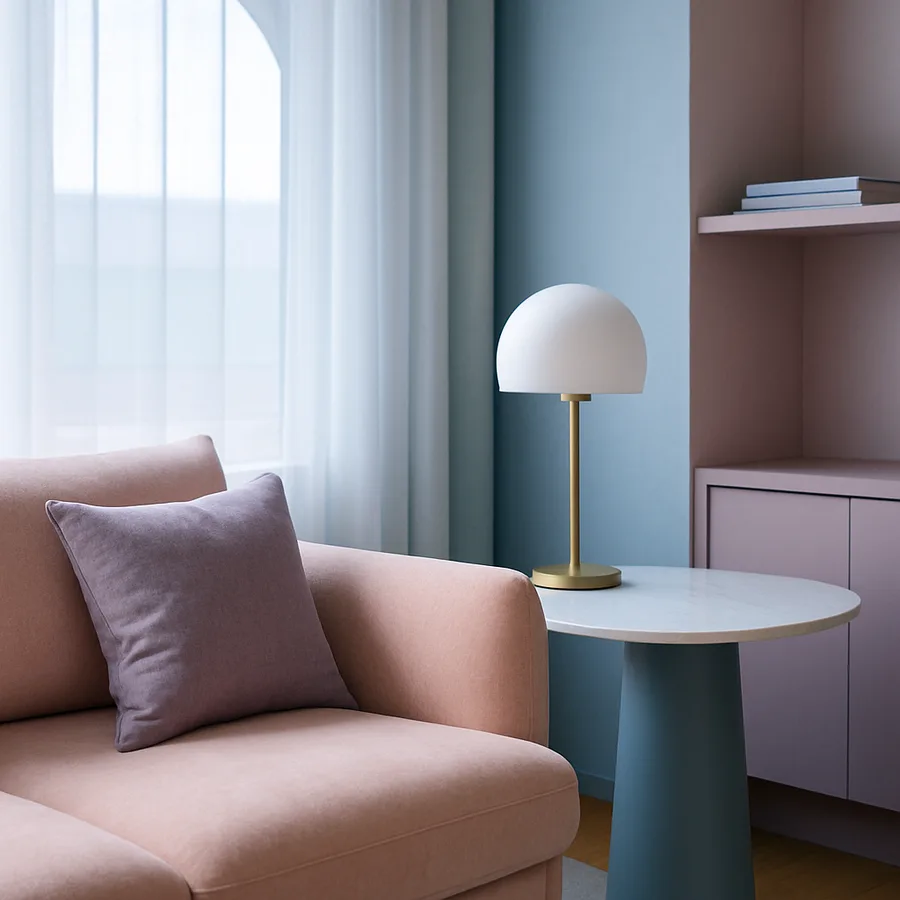
Living in a small space can feel like a never-ending puzzle. Where do you store your winter coats? How do you fit a dining table into an already cramped living room? According to a study by the American Institute of Architects (AIA), more homeowners are downsizing, leading to an increased demand for effective space optimization. This trend is pushing people to reimagine how they live and interact with their environments. In this article, we'll explore why small space design matters, delve into the root causes of spatial inefficiency, and offer practical solutions to transform your cozy home into a haven of functionality and style.
Why This Problem Matters
The importance of maximizing small spaces extends beyond mere aesthetics. For many, the challenge is more than just arranging furniture-it's about creating a livable environment that supports daily activities without feeling cluttered. According to a survey by Houzz, 72% of homeowners report that clutter negatively impacts their mood, making efficient design crucial for mental well-being. A well-thought-out space can reduce stress, improve productivity, and even enhance relationships by providing areas for both communal activities and personal retreat.
Furthermore, the financial implications of small space living are significant. Real estate in urban areas is at a premium, and many are opting for smaller homes to keep costs manageable. The National Kitchen & Bath Association (NKBA) notes that well-designed interiors can increase property values by 5-15%, making smart design not just a necessity, but a savvy investment. Effective space utilization can thus boost resale value, providing a financial cushion for future endeavors.
Lastly, the environmental impact of maximizing space should not be overlooked. Smaller homes typically boast a lower carbon footprint, yet the demand for more storage and functionality can lead to unsustainable choices. By employing eco-friendly design principles, such as using reclaimed materials or integrating energy-efficient appliances, homeowners can enjoy both expanded living space and a clear conscience. This sets the stage for understanding what causes spatial inefficiency and how to effectively address it.
Understanding the Root Causes
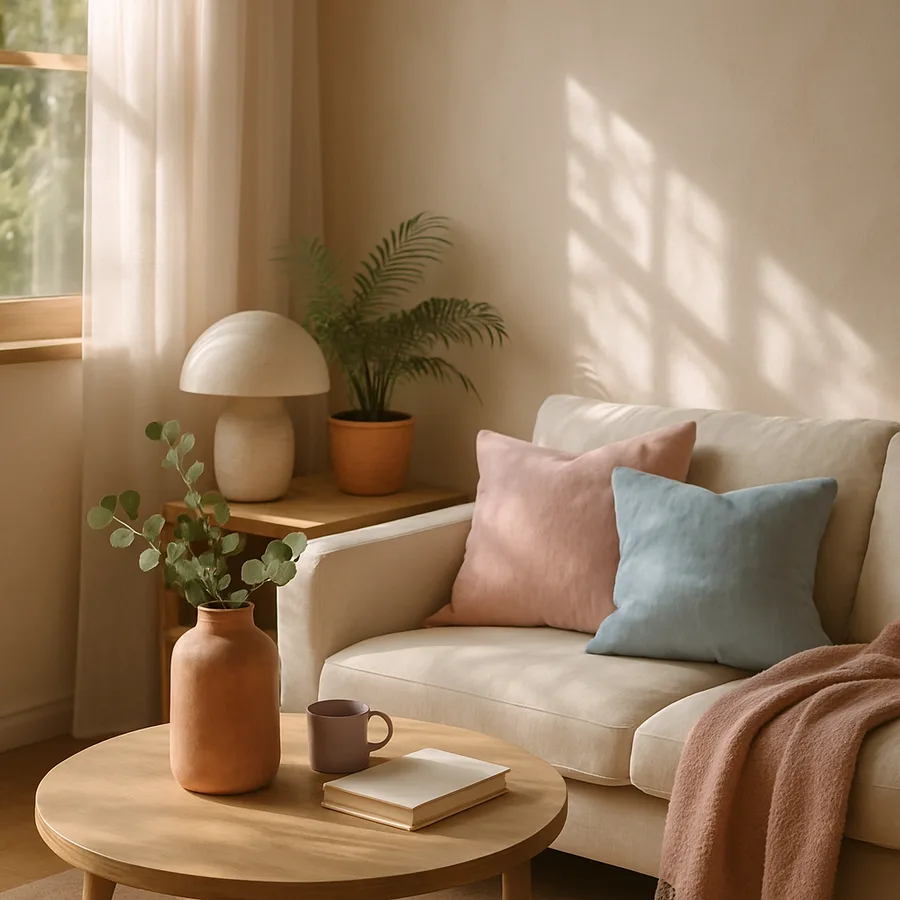
Addressing the root causes of spatial inefficiency begins with understanding the typical obstacles in small home layouts. Many homes suffer from poor initial design, with awkward corners and wasted spaces that fail to accommodate furniture or storage units effectively. Open floor plans, while trendy, can sometimes exacerbate these issues, leaving homeowners with undefined spaces that do not serve specific functions. Experienced professionals often note that a lack of functional zones is a common pitfall in small home design.
Another significant factor is the accumulation of too much "stuff." Over time, homes naturally gather items that may not serve a purpose but occupy valuable real estate. According to industry surveys, 67% of homeowners feel overwhelmed by their possessions. This clutter not only takes up physical space but also impacts mental clarity, making it hard to envision a more organized and functional living area. Minimalist design philosophies, such as Japandi-combining Japanese minimalism with Scandinavian warmth-can provide a solution by emphasizing intentional living and decluttering.
Lastly, many homeowners lack the knowledge or resources to implement effective storage solutions. Traditional shelving and cabinets often fall short in maximizing vertical space or providing easy access to stored items. The introduction of smart home technology, such as automated storage solutions, can help alleviate these issues, yet many remain unaware of these innovations. Understanding these root causes allows for the development of targeted solutions that can transform even the smallest spaces into efficient and stylish homes.
Solution #1: Multi-Functional Furniture
One of the most effective strategies for maximizing small spaces is the use of multi-functional furniture. Pieces that serve more than one purpose can significantly increase the utility of a room without adding clutter. For instance, consider a sofa bed that transforms your living room into a guest room, or a dining table that doubles as a desk. Such furniture not only saves space but also money, as you invest in fewer items overall. According to Architectural Digest, integrating multi-functional pieces is a top trend among urban dwellers.
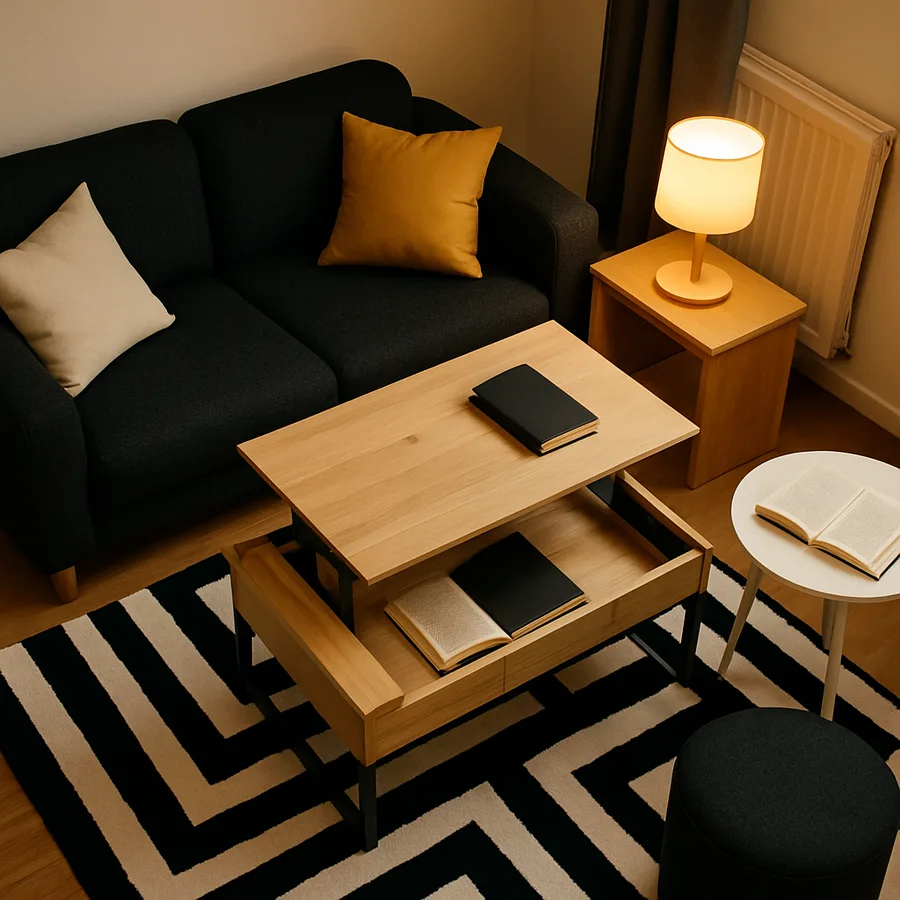
When selecting multi-functional furniture, quality and design are paramount. Look for pieces that are durable and easy to transition between uses. A sturdy coffee table with a lift-top can provide additional storage for books or games, while also serving as a work surface. Similarly, ottomans with hidden storage can tuck away blankets or seasonal decor, keeping the area tidy. Experienced designers suggest opting for neutral colors or sleek finishes to ensure these pieces blend seamlessly into the existing decor.
Moreover, multi-functional furniture supports a minimalist lifestyle by encouraging mindful purchases. By focusing on essential pieces that offer versatility, you can maintain a clutter-free environment that adapts to your needs. This approach not only maximizes space but also enhances your home's aesthetic appeal. As you explore furniture options, consider how each piece can contribute to your overall design vision while solving specific space constraints.
Solution #2: Vertical Storage Solutions
Another innovative approach to maximizing small spaces involves utilizing vertical storage solutions. By taking advantage of the often-overlooked vertical plane, you can significantly increase storage capacity without consuming precious floor space. This can be particularly effective in rooms with high ceilings, where tall shelving units or wall-mounted cabinets can create additional storage opportunities. The key is to think upward, not outward.
Vertical storage is especially beneficial in small kitchens and bathrooms. Installing wall-mounted shelves or pegboards can keep essential items within reach while maintaining a clean countertop. In living rooms, floating shelves or tall bookcases not only provide storage but also add visual interest. To enhance accessibility and organization, consider incorporating labeled baskets or clear containers to store smaller items. This method ensures that everything has its place, reducing the likelihood of clutter.
Moreover, vertical storage can be aesthetically pleasing, adding to the decor rather than detracting from it. Decorative hooks for hanging items or artfully arranged shelves can turn storage into a design feature. When planning vertical storage, it's important to balance functionality with form, ensuring the additions complement the room's overall style. This solution seamlessly integrates storage and design, making it a powerful tool in small space living.
Comparing Your Options
When choosing between multi-functional furniture and vertical storage, it's crucial to consider both the advantages and potential drawbacks of each option. Multi-functional furniture offers flexibility, allowing spaces to serve multiple purposes, which can be ideal for dynamic living areas. However, these pieces often require a higher initial investment, with prices ranging from $500 to $2,000 depending on the quality and complexity of the item.
Vertical storage solutions, on the other hand, offer a cost-effective way to increase capacity without consuming floor space. They are generally more affordable, with shelving units starting around $50. However, they may require installation skills or additional tools, which could be a barrier for some homeowners. Additionally, while vertical solutions are effective in maximizing space, they may not provide the same level of flexibility as multi-functional furniture.
Ultimately, the choice between these options depends on your specific needs and budget. If your primary concern is maximizing space in a frequently used room, multi-functional furniture may be worth the investment. For those looking to add storage in a cost-effective manner, vertical solutions could be more appropriate. Understanding your priorities will guide you in making the most effective decision for your home design.
Implementation Guide
Implementing these solutions involves careful planning and execution. Start by assessing your current space: measure rooms and identify areas with potential for improvement. Are there unused corners or blank walls that could support vertical storage? Could a room benefit from a piece of multi-functional furniture? Mapping out your space will help you visualize the changes needed.
Next, set a budget that aligns with your priorities. Allocate funds toward pieces that will have the most impact and explore options from various retailers to find the best fit for your aesthetic and functional needs. Remember to factor in any additional costs, such as installation for shelving or assembly for furniture. Platforms like Houzz offer resources and reviews to help you make informed purchasing decisions.
Once you've acquired the necessary pieces, plan the implementation process. Begin with the installation of vertical storage, ensuring each item is securely mounted. For multi-functional furniture, consider the flow of the room and how the piece will transition between uses. As you integrate these elements, continually assess the space to ensure it meets your needs and enhances daily living. This thoughtful approach will lead to a more organized, functional home.
Conclusion
Maximizing small spaces requires a blend of creativity and practicality. By embracing multi-functional furniture and vertical storage solutions, you can transform your cozy home into a space of efficiency and style. These strategies not only optimize your living area but also contribute to a more sustainable and enjoyable environment. As you embark on this design journey, ask yourself: What changes will have the most impact on my daily life?
For those ready to take the next step, start by browsing designer portfolios on platforms like Houzz this week. Even 20 minutes of research can sharpen your eye for what you want and need in your space. With thoughtful planning and execution, your small space can become a testament to innovative design and personal comfort.
More Articles You May Like



Comments
Post a Comment