Maximize Small Spaces: Innovative Interior Design Ideas for Cozy Homes
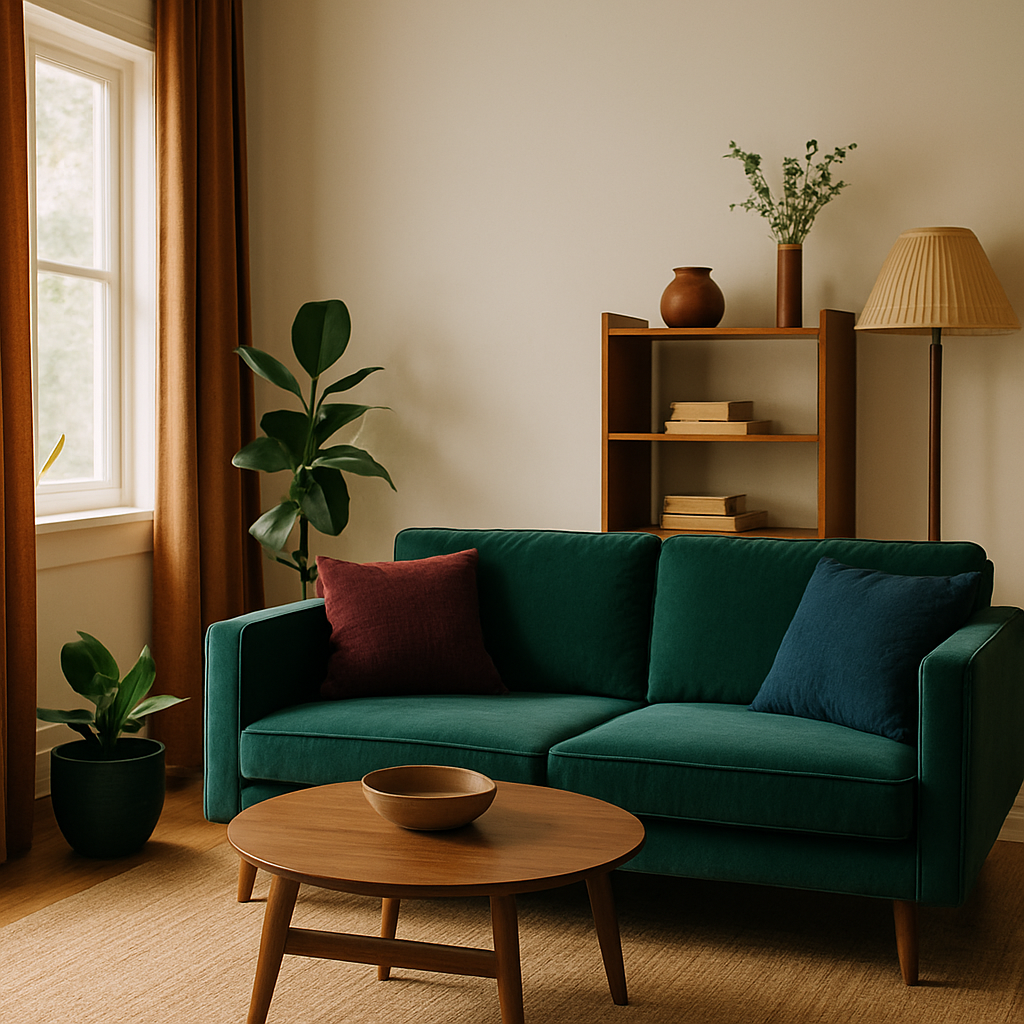
With urban living spaces shrinking, the challenge of maximizing small spaces has become a pressing concern for many homeowners. Did you know that according to the American Institute of Architects (AIA), the average size of new homes has decreased by nearly 10% over the past decade? This trend has prompted a wave of innovation in interior design, with professionals devising creative solutions to optimize every square foot. In this article, we'll explore foundational concepts, dive into data-backed strategies, and provide expert insights to help you transform your cozy home into a functional and stylish haven.
Understanding the Basics of Small Space Design
At the core of maximizing small spaces is the concept of multi-functionality. This approach involves selecting furniture and decor that serve more than one purpose, an idea supported by the International Interior Design Association (IIDA). For example, consider a sofa bed that transforms a living room into a guest room, or a dining table that doubles as a workspace. Such choices are essential in creating a home that adapts to your needs without feeling cluttered.
Another foundational concept is vertical space utilization. Most people focus on floor space, neglecting the potential of walls and ceilings. By installing shelves or hanging plants, you can draw the eye upward, creating the illusion of a taller space. This technique is particularly effective in rooms with high ceilings, where vertical design elements can add depth and interest.
Lighting also plays a crucial role in small space design. Natural light can make a room appear larger and more inviting. If your home lacks sufficient daylight, consider installing mirrors to reflect light and broaden the spatial perception. Experienced professionals often note that layering light sources, such as combining overhead lighting with floor lamps, can significantly enhance the ambiance of a small room. Understanding these basics sets the stage for more detailed strategies.
Insights from Data: Small Spaces by the Numbers
Recent data from Houzz, a leading platform for home renovation and design, reveals that 75% of homeowners report higher satisfaction with their small space designs when they incorporate multi-functional elements. This statistic underscores the importance of integrating versatile furnishings into your home. By prioritizing adaptability, you're more likely to create a space that meets your evolving needs.
Additionally, a survey conducted by the American Society of Interior Designers (ASID) found that well-designed small spaces can increase a property's resale value by 5-15%. This finding highlights the potential financial benefits of investing in thoughtful design solutions. By focusing on aesthetics and functionality, you not only enhance your living experience but also contribute to your home's long-term value.
In terms of budget, transforming a single room in a small home can range from $5,000 to $15,000, depending on the complexity of the redesign and the quality of materials used. For full-home projects, this figure can climb to over $50,000. Understanding these financial benchmarks helps in planning your design initiatives effectively. As we move forward, how can you implement these insights to maximize your space?
Actionable Strategies for Small Space Maximization
To effectively maximize small spaces, start by assessing your current layout. Map out how each room is used daily: where you drop your keys, where meals are shared, and where relaxation happens. This exercise provides clarity on what changes are necessary and where multifunctional furniture can be most impactful. Do you find certain areas underutilized or cluttered? Prioritize these zones as you plan your redesign.
Next, embrace the power of decluttering. The National Council for Interior Design Qualification (NCIDQ) suggests that removing unnecessary items can instantly make a room feel more spacious and serene. Consider adopting a minimalist approach, focusing on quality over quantity. This doesn't mean sacrificing style; rather, it encourages thoughtful curation of pieces that bring joy and utility.
Incorporating smart storage solutions is another effective strategy. Think about utilizing under-bed storage, built-in cabinets, and convertible furniture to keep belongings organized yet accessible. These solutions not only save space but also enhance the overall aesthetic by reducing visual clutter. As you implement these strategies, keep in mind the importance of personalizing your space to reflect your style.
Expert-Level Details for Designing Cozy Homes
For those seeking a professional edge in their small space design, consider hiring a certified interior designer. Professionals with credentials such as the NCIDQ, ASID, or IIDA bring a wealth of knowledge and experience to the table, often offering insights that go beyond basic design principles. They can provide tailored solutions based on the latest trends and technologies in the industry.
One trend gaining traction is biophilic design, which integrates natural elements into interiors. This approach not only enhances aesthetic appeal but also contributes to improved well-being. By incorporating natural materials, living walls, and indoor-outdoor flow, you can create a tranquil environment that feels expansive despite limited square footage.
Another expert recommendation is to utilize AR/VR room visualization tools, which allow you to see potential designs in a realistic 3D format before committing to changes. These tools are increasingly used by designers to help clients make informed decisions, reducing the likelihood of costly mistakes. Exploring these advanced options can elevate your design process and outcomes.
Additional Insights on Enhancing Small Spaces
Beyond the foundational and expert-level strategies, there are additional ways to enrich your small space design. For instance, consider the impact of color. Lighter shades can make a room appear larger, while strategic pops of color can add personality without overwhelming the space. According to Houzz, homeowners who use a neutral base with vibrant accents often achieve a balanced and inviting atmosphere.
Texture also plays a significant role in small space design. Incorporating diverse materials-such as wood, metal, and fabric-can add depth and interest to a room. Experienced professionals often suggest layering different textures to create a rich and multi-dimensional look that captivates the eye.
Finally, don't underestimate the power of personal touches. Displaying artwork, photos, or mementos can make a space feel uniquely yours. The key is to curate these items carefully, ensuring they complement the overall design rather than clutter it. As we conclude, consider how these additional insights can further enhance your cozy home.
Final Perspectives on Small Space Design
Maximizing small spaces requires a thoughtful blend of creativity, functionality, and personalization. By understanding and implementing the strategies discussed, you can transform your cozy home into a highly functional and visually appealing environment. Remember, the goal is not just to create a beautiful space but one that enhances your daily life.
As you move forward with your design journey, consider how each decision impacts the overall flow and feel of your home. Are there areas that could benefit from more light, or perhaps a fresh coat of paint? These seemingly small changes can have a significant impact on how your space is perceived and enjoyed.
In the end, your home should be a reflection of your lifestyle and preferences. By maximizing your space thoughtfully, you're not only improving its functionality but also creating a sanctuary that caters to your needs and aspirations. With this understanding, you're ready to take the next step in your design journey.
Conclusion: Transform Your Space Today
In conclusion, maximizing small spaces is about more than just fitting furniture into a room; it's about creating an environment that supports your lifestyle and enhances your well-being. We've explored foundational concepts, data-driven insights, and expert strategies to help you design a cozy home that is both functional and beautiful.
Now, it's time to put these ideas into action. Start by browsing portfolios on platforms like Houzz and Instagram to gather inspiration for your project. Even spending 20 minutes a day on research can sharpen your eye for design and help you make informed decisions. What will be your first step towards transforming your cozy home into the space of your dreams?



Comments
Post a Comment