Maximizing Small Spaces: Innovative Interior Design Ideas for Cozy Living
Have you ever walked into a small apartment and felt like the walls were closing in on you? With urban living on the rise, making the most out of limited space has become an essential skill for many homeowners. According to the American Institute of Architects (AIA), more than 30% of home projects in recent years have focused on making small spaces more functional. This trend highlights a growing need for innovative interior design solutions that can transform compact areas into inviting and efficient homes. In this article, we will dive into foundational concepts of space maximization, explore data-driven insights, and provide actionable strategies, all while offering expert-level advice tailored to small living spaces.
Understanding the Foundations of Small Space Design
At the heart of successful small space design lies a deep understanding of foundational principles that prioritize function without sacrificing aesthetics. One of the key concepts is *zoning*, which involves clearly defining areas within a single room to serve different purposes. For example, a living area can double as a home office by thoughtfully arranging furniture to delineate work and leisure spaces. This approach not only maximizes utility but also maintains a sense of order and purpose.
Another foundational principle is the use of *multi-functional furniture*. Pieces like a sofa bed or an extendable dining table can adapt to different needs, making them invaluable in compact settings. The International Interior Design Association (IIDA) suggests that incorporating furniture that serves multiple purposes can increase room functionality by up to 50%. Such versatility ensures that every square foot is utilized to its fullest potential.
Lastly, embracing vertical space is crucial in small interiors. By installing tall shelving units or hanging storage solutions, you can free up floor space and create a visually appealing display. According to Houzz, using vertical storage can enhance room organization and accessibility, offering a practical solution to clutter. With these foundational elements, you can begin to reimagine your small space into a more functional and inviting environment.
But how do these concepts translate into concrete, data-driven strategies? Let's explore further.
Data-Driven Insights on Small Space Utilization
Understanding the impact of design choices on space utilization can be significantly enhanced by examining real data. According to a Houzz survey, 60% of homeowners reported a boost in home satisfaction after implementing small space design strategies. This statistic underscores the importance of making informed decisions to optimize your living area. Have you considered how a simple layout change could dramatically improve your daily life?
Lighting, both natural and artificial, plays a pivotal role in how a space is perceived. Studies have shown that well-lit spaces appear larger, even when the square footage is limited. Leveraging natural light by using sheer curtains or strategically placing mirrors can amplify the light and create an open atmosphere. Additionally, selecting the right artificial lighting can add depth and warmth to small rooms, enhancing their appeal.
Storage solutions are another critical factor. Data from the American Society of Interior Designers (ASID) highlights that efficient storage systems can improve space utilization by as much as 40%. Built-in cabinetry and custom shelving tailored to your specific needs prevent clutter and streamline the use of available space. With these insights, you can make informed choices that significantly enhance your living environment.
Now that we've explored the numbers, how can you apply these insights practically in your own home? Let's delve into actionable strategies.
Actionable Strategies for Maximizing Space
When it comes to turning small spaces into functional havens, actionable strategies are essential. One effective approach is to adopt a minimalist mindset. This doesn't mean stripping your space bare, but rather curating your belongings to prioritize quality over quantity. By removing unnecessary items, you can create a more open and welcoming environment. Have you taken inventory of what you truly need and what you can part with?
Incorporating mirrors is another straightforward strategy. Mirrors reflect light and can visually expand a room. Placing a large mirror opposite a window maximizes natural light and adds depth, creating an illusion of more space. This simple technique is a favorite among interior designers for its ability to transform even the tiniest of rooms.
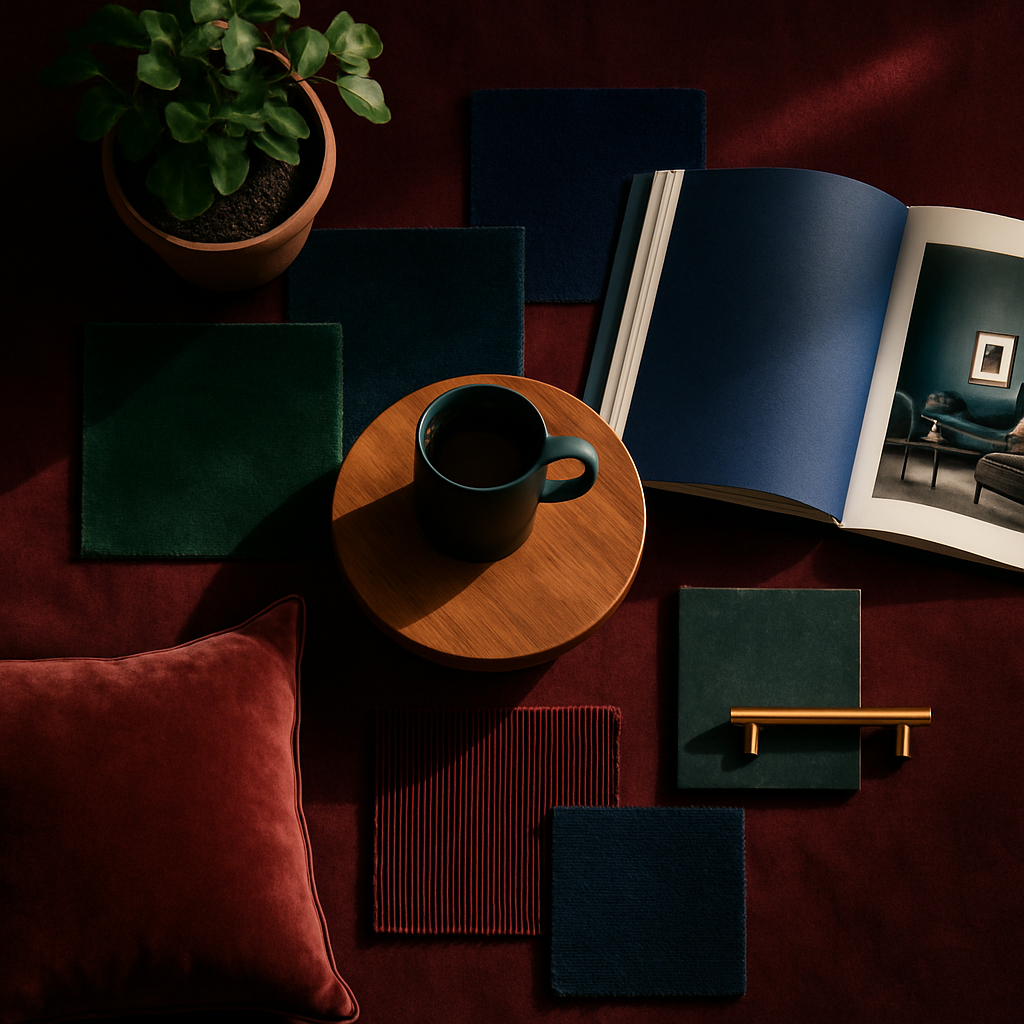
Finally, consider the strategic use of color. Lighter hues can make a room feel more open and airy, while darker shades bring warmth and coziness. Using a monochromatic color palette can further enhance this effect, as it minimizes visual clutter and creates a seamless flow throughout the space. With these strategies, you can take practical steps to maximize your small living area.
For those seeking expert-level advice, there are additional layers to explore.
Expert Insights into Small Space Design
Experienced professionals often note that the key to exceptional small space design lies in the details. For instance, choosing furniture with exposed legs can create a sense of openness by allowing light to flow underneath, as opposed to bulky pieces that sit flat on the floor. This subtle choice can make a significant difference in how spacious a room feels.
Another expert tip involves incorporating biophilic design elements, such as plants or natural materials, to bring a sense of tranquility to your home. These elements not only enhance aesthetic appeal but also promote well-being, which is particularly valuable in smaller, more confined spaces. The International Interior Design Association (IIDA) emphasizes that integrating nature into interiors can improve mental health and increase productivity.
Additionally, leveraging technology can streamline your design process. AR/VR room visualization tools allow you to experiment with different layouts and designs before making any permanent changes. This technology provides a cost-effective way to explore possibilities and find the best solutions for your space. With these expert insights, you can elevate your small space design to new heights.
But what if you're looking for even more depth? Let's uncover additional expert details.
Diving Deeper into Advanced Techniques
For those who want to push the boundaries of small space design, advanced techniques offer further opportunities for creativity and innovation. One such technique involves the thoughtful layering of textures and materials. Combining different fabrics, woods, and metals can add depth and interest to a room without overwhelming it. This approach requires a keen eye for balance and harmony, ensuring that each element complements the others.
Another advanced strategy is the use of custom-built furniture. Tailoring pieces to fit your specific dimensions allows for optimal use of every nook and cranny. Custom solutions like built-in banquettes or modular shelving can transform awkward spaces into functional areas. According to NCIDQ (National Council for Interior Design Qualification) professionals, custom-built solutions often yield the highest satisfaction rates among clients due to their tailored fit and unique aesthetic.
Finally, consider the strategic integration of smart home technology. Automated lighting, climate control, and window treatments not only enhance convenience but also contribute to a sleek and modern aesthetic. By incorporating these technologies, you can create a home that's not only efficient but also future-ready. With these advanced techniques, you can achieve a level of sophistication and functionality that sets your small space apart.
As we wrap up, let's reflect on the broader perspectives of small space design.
Final Perspectives on Small Space Living
Living in a small space presents unique challenges, but it also offers a canvas for creativity and innovation. By embracing the constraints, you can discover new ways to express your style and optimize your environment. The journey of transforming a compact area into a cozy, functional home is as rewarding as it is challenging.
Remember, the goal is not just to make do with less, but to make the most of what you have. Whether through thoughtful design choices, strategic use of technology, or the incorporation of nature, you have the power to redefine your living space into something truly special. How will you take these ideas and make them your own?
As we conclude, consider the steps you can take today to start your transformation.
Conclusion: Start Your Small Space Transformation Today
In summary, maximizing small spaces requires a blend of foundational understanding, data-driven insights, and creative strategies. From zoning and multi-functional furniture to expert techniques like biophilic design and custom solutions, there's no shortage of ways to enhance your living area. Now is the time to start applying these ideas to your own home.
Begin by identifying one area that could benefit from a redesign and explore the tools and resources available to you, such as Houzz for inspiration or AR/VR visualization tools for planning. Start by browsing designer portfolios on Houzz this week-even 20 minutes of research will sharpen your eye for what you want. By taking these steps, you can transform your small space into a cozy haven that reflects your personality and meets your needs.
So, what are you waiting for? Embrace the possibilities and create a space that you'll love to call home.



Comments
Post a Comment