Maximizing Small Spaces: Innovative Home Interior Design Ideas You Need
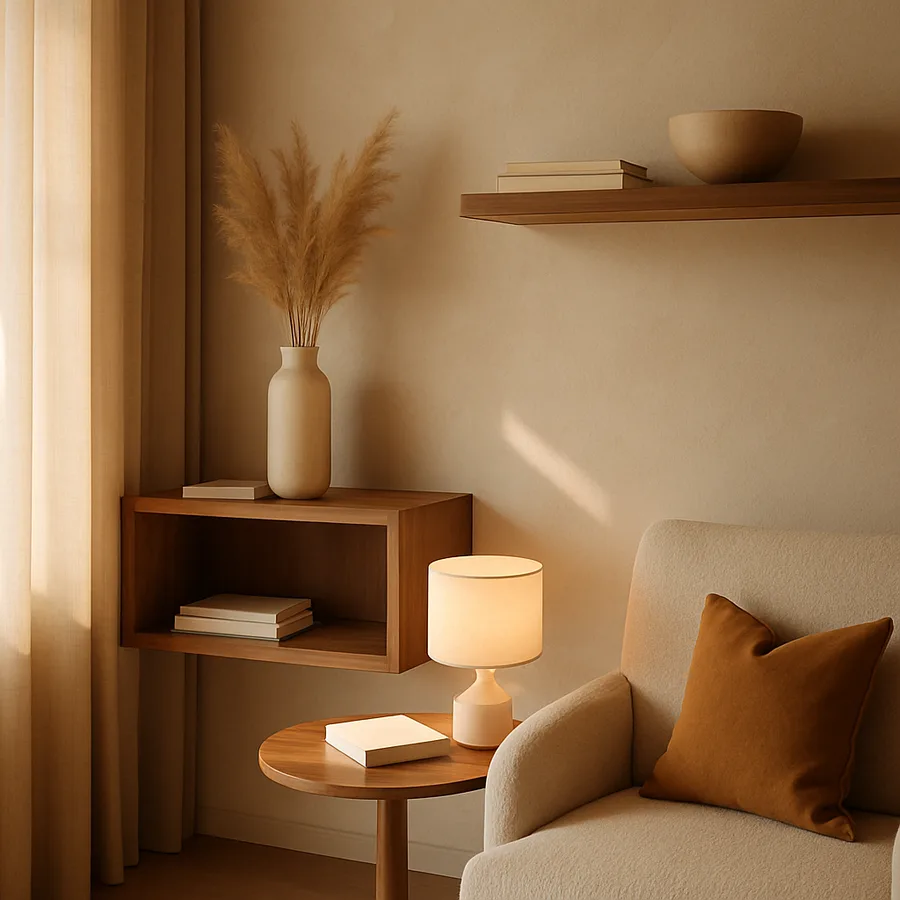
Living in a small space does not mean living a small life. Whether your home is a compact studio apartment, a tiny urban condo, or a cozy cottage with modest square footage, the right design strategies can make every room feel open, organized, and full of possibility. The challenge of limited space is ultimately a design problem, and design problems have design solutions. According to the National Association of Home Builders (NAHB), the average size of newly built single-family homes has decreased for the third consecutive year, reflecting a broader cultural shift toward smaller, more efficient living. This means that small-space design is not a niche concern but a mainstream necessity affecting millions of households.
The secret to successful small-space design is not about making things smaller. It is about making things smarter. Multifunctional furniture, strategic storage, optical illusions with color and light, and vertical thinking can make a 600-square-foot apartment feel more spacious and livable than a 1,200-square-foot home designed without intention. Professional designers who specialize in compact living consistently demonstrate that constraint breeds creativity, and the most innovative design solutions often emerge from the tightest spaces. The American Society of Interior Designers (ASID) recognizes small-space design as one of the fastest-growing specializations within the profession.
This article presents a problem-solution approach to the most common challenges faced by small-space dwellers. Each section identifies a specific pain point and then offers multiple tested strategies for addressing it. Whether you own your space or rent it, whether your budget is generous or tight, the principles here adapt to your circumstances. The goal is not to pretend your home is bigger than it is but to ensure that every square foot works as hard as possible for the way you actually live.
The Clutter Problem: Storage Solutions That Actually Work
Clutter is the mortal enemy of small spaces. In a large home, excess belongings can spread out and go unnoticed, but in a compact space, every misplaced item erodes the sense of order and openness. The first step toward conquering clutter is an honest reckoning with how much stuff you actually need. The National Association of Productivity and Organizing Professionals (NAPO) estimates that the average American home contains roughly 300,000 items, a staggering number that becomes untenable when square footage shrinks. Before investing in storage solutions, invest time in editing your possessions down to what you use, love, and need.
Once you have pared down, the next step is giving everything a designated home. The principle is simple: if an item does not have a specific place where it belongs, it will end up contributing to visual chaos. In small spaces, this means thinking creatively about where storage can live. The space under your bed can hold flat storage containers for off-season clothing. The inside of cabinet doors can accommodate hooks for measuring cups, jewelry, or cleaning supplies. The dead space above doorframes can support narrow shelves for books or decorative items that are accessed infrequently.
Built-in storage is the gold standard for small spaces because it maximizes capacity while minimizing the visual footprint. Window seats with hinged tops, platform beds with drawer systems, banquette seating in dining nooks with lift-up benches, and floor-to-ceiling closet systems all exploit otherwise wasted space. If built-ins are beyond your budget or not permitted by your lease, freestanding alternatives like tall narrow bookcases, over-toilet shelving units, and hanging closet organizers achieve similar results. The key is choosing storage pieces that extend to the ceiling to capture every vertical inch.
Visible storage requires discipline but offers the advantage of accessibility. Open shelving in kitchens, pegboard systems in workshops and craft rooms, and wall-mounted rail systems in entryways keep frequently used items within reach while eliminating the need for deep cabinets that swallow things whole. The trade-off is that visible storage demands organization and a degree of visual curation. Matching containers, consistent color palettes, and deliberate spacing transform open shelving from messy to magazine-worthy. Is there a closet, cabinet, or corner in your home right now that could be reorganized to reclaim usable space?
The Furniture Dilemma: Pieces That Pull Double Duty
In a small home, every piece of furniture needs to justify its footprint. Single-purpose furniture is a luxury that compact spaces cannot afford. Multifunctional furniture has evolved dramatically in recent years, moving well beyond the basic futon to include sophisticated pieces that perform two or three roles without compromising on aesthetics or comfort. A coffee table with built-in storage, a dining table that folds flat against the wall, or an ottoman that contains a pull-out bed are not compromises but rather smart solutions that let you live fully in limited square footage.
The Murphy bed, once associated with cramped bachelor apartments, has been completely reinvented by modern manufacturers. Contemporary Murphy bed systems integrate desks, sofas, shelving, and even second beds into wall units that look like custom cabinetry when closed. Companies like Resource Furniture and Clei have pioneered designs where a home office transforms into a guest bedroom in seconds with minimal effort. The investment is significant, often between two thousand and five thousand dollars, but in a studio or one-bedroom apartment, a Murphy bed system effectively adds an entire room's worth of functionality.
For more budget-friendly options, look for nesting and expandable furniture. Nesting tables serve as a compact side table arrangement that can be separated and distributed around a room when guests arrive. Extendable dining tables accommodate two for daily meals and six for dinner parties, then fold back to their compact size. Stackable chairs store in a closet or corner when not needed. Even something as simple as a folding tray table that serves as a laptop desk, breakfast tray, and bedside table delivers versatility that justifies its presence in a small home.
Scale matters enormously in small spaces. Oversized furniture makes rooms feel cramped and creates dead zones of inaccessible space. Choose sofas with slim arms and raised legs, which allow light to flow underneath and make the room feel airier. Select dining chairs that tuck completely under the table when not in use. Opt for round tables in tight dining areas, as the absence of corners improves traffic flow and allows more flexible seating. The Houzz small-space design section offers extensive galleries of properly scaled furniture in real homes, providing useful reference for proportions and placement.
The Visual Squeeze: Making Rooms Feel Larger Than They Are
Optical illusions are a powerful tool in the small-space designer's kit. The way we perceive the size of a room depends on far more than its actual dimensions. Light, color, proportion, and sightlines all contribute to our sense of spaciousness, and each of these factors can be manipulated through design. Light colors on walls and ceilings reflect more light and make surfaces appear to recede, which is why small rooms painted in pale tones consistently feel larger than those painted in dark colors. This does not mean you are limited to white: soft grays, pale blues, light greens, and warm creams all achieve the expansive effect while adding personality.
Mirrors are the oldest and most reliable trick for visually doubling a small space. A large mirror placed opposite a window reflects both the light and the view, creating the illusion of an additional window and significantly brightening the room. Floor-to-ceiling mirrors on closet doors or wall-mounted panels can make a narrow hallway feel twice its width. The key is placement: mirrors should reflect something worth seeing, whether that is a window, a piece of art, or an attractive vignette. A mirror facing a blank wall or a pile of clutter simply doubles the problem.
Continuity of materials and colors creates visual flow that makes spaces feel larger. When flooring changes between rooms or patterns shift abruptly, the eye registers each transition as a boundary, mentally subdividing the space into smaller units. Using the same flooring throughout a small home, carrying wall colors from room to room, and maintaining a consistent furniture style creates a sense of unity that the brain interprets as spaciousness. This does not mean everything must match precisely, but a cohesive palette and material story should run through the entire home.
Sightlines deserve careful attention in compact floor plans. When you can see from the entrance of a room through to the back wall, the room reads as its full depth. Tall furniture placed in the middle of that sightline breaks the view and makes the room feel shallower. Arrange taller pieces along walls and keep the center of the room relatively low. In open-plan spaces, low-profile dividers like bench-height bookcases or half-walls maintain sightlines while still defining zones. Glass and lucite furniture contributes function without visual weight, allowing the eye to pass through them as if they were not there.
The Vertical Frontier: Thinking Upward Instead of Outward
When floor space is limited, the most underutilized resource in your home is the space between your furniture and your ceiling. Vertical design strategies dramatically increase storage capacity, display area, and visual interest without consuming a single additional square foot of floor space. Floor-to-ceiling bookshelves, wall-mounted cabinets that reach the ceiling, and tall, narrow storage units exploit this vertical frontier effectively. The International Interior Design Association (IIDA) emphasizes vertical thinking as one of the foundational principles of effective small-space design.
Wall-mounted shelving systems offer exceptional flexibility in vertical storage. Bracket-and-shelf systems like those from IKEA's ELVARLI or Container Store's Elfa lines allow you to configure storage that precisely fits your needs and adjust it as those needs change. In a home office, shelving above the desk holds reference materials and supplies without consuming desk space. In a kitchen, open shelving above the counter replaces upper cabinets with a more visually open alternative that still provides ample storage. In a bedroom, shelving flanking and above the headboard creates a built-in-look nightstand and display system.
Hanging and ceiling-mounted solutions represent the next evolution of vertical thinking. Pot racks in kitchens free up cabinet space for other items. Ceiling-mounted bike hooks store bicycles overhead in entryways or garages. Hanging planters and suspended shelves add greenery and storage without any floor footprint at all. Even clothing storage can go vertical: wall-mounted garment racks and hook systems can replace or supplement a small closet, turning a bare wall into a functional wardrobe display. The visual effect of items floating on walls can actually make a room feel more spacious than hiding everything behind closed doors.
Lofting is the most dramatic vertical strategy, physically elevating one function to create space for another underneath. Loft beds with desks, lounges, or storage beneath them are standard in dormitories and have been adopted enthusiastically by urban apartment dwellers. In spaces with high ceilings, custom-built loft platforms can accommodate a full sleeping area with a home office, living area, or walk-in closet below. Even in rooms with standard eight-foot ceilings, a raised platform bed with integrated drawer storage beneath captures useful space that a conventional bed frame wastes.
The Zone Challenge: Creating Distinct Areas in Open Plans
Open-plan and studio layouts present a unique design challenge: how do you create functional zones for sleeping, working, eating, and relaxing in a space without walls? The answer lies in visual and psychological boundaries that define areas without physically enclosing them. Area rugs are the most straightforward zoning tool, with each rug defining a distinct functional area. A rug under the sofa and coffee table marks the living zone. A rug under the dining table marks the eating zone. A rug beside the bed marks the sleeping zone. The brain reads these floor changes as room boundaries, even in a completely open space.
Furniture placement serves as the primary structural divider in open plans. The back of a sofa, turned perpendicular to a wall, creates a natural boundary between living and dining areas. A bookshelf placed as a room divider simultaneously stores belongings and defines separate zones. A console table behind a sofa provides a surface for the living area on one side and a visual edge for the dining area on the other. These furniture-as-architecture strategies maintain the open feel that makes studio living viable while preventing the space from feeling like one undifferentiated box.
Lighting is a subtle but effective zoning tool that is often overlooked. When each functional area has its own light source, independent of the others, you can illuminate the zone you are using while keeping the rest dim. This creates focus and intimacy within the active zone and makes the surrounding space recede. A pendant light over the dining table, a floor lamp beside the reading chair, a desk lamp in the work area, and ambient bedside lighting each serve their zone independently. Do you currently rely on a single overhead light for your entire living space, or have you already begun creating distinct lighting zones?
Curtains and screens offer flexible zoning that can be deployed when needed and retracted when not. A ceiling-mounted curtain track around a sleeping area in a studio provides privacy at night without permanently closing off the space during the day. Folding screens can define a home office during work hours and be tucked away in the evening. Even plants arranged in a row can create a natural divider that adds life and air quality benefits while gently separating zones. The best small-space zoning solutions are those that are reversible and adaptable, allowing the space to reconfigure as activities change throughout the day.
The Psychological Dimension: Living Well in Less Space
Beyond the physical strategies of furniture, storage, and layout, there is a psychological dimension to small-space living that deserves attention. Our relationship with our living space affects our mental health, creativity, and overall well-being, and learning to thrive in a compact home requires a shift in mindset as much as a shift in furniture. The IIDA has published research connecting well-designed small spaces with higher reported satisfaction levels than larger spaces designed without intention. It is the quality of the square footage, not the quantity, that determines how a home makes you feel.
Embracing small-space living starts with releasing the cultural narrative that bigger is always better. Some of the most admired homes in design history have been remarkably compact. The enduring popularity of Japanese residential design, Scandinavian apartment living, and Parisian pieds-a-terre demonstrates that small spaces can be not just adequate but deeply aspirational. These traditions share common values: simplicity, quality over quantity, intentional curation, and a preference for experiences over possessions. Adopting even a few of these principles can transform your relationship with your home.
Sensory experience matters disproportionately in small spaces because you are always close to your surroundings. This proximity means that the texture of your sofa fabric, the scent of a candle, the sound quality of your speakers, and the feel of the floor under your feet all register more intensely. Investing in sensory quality, even on a budget, yields significant returns in a compact home. A soft, high-thread-count pillowcase costs only slightly more than a rough one but affects your comfort every night. A small essential oil diffuser can make an entire studio feel like a spa. These micro-investments in sensory experience make small spaces feel luxurious rather than cramped.
Finally, regular editing is essential for maintaining the functionality and emotional comfort of a small home. What works in a large home, where excess can be absorbed, creates chaos in a compact space. Commit to reviewing your belongings seasonally and honestly releasing items that no longer serve your current life. This ongoing practice keeps your home light and functional, prevents the suffocating feeling that can come from overcrowding, and ensures that every object in your space is there because it contributes something meaningful to your daily experience.
Conclusion: Small Space, Boundless Potential
The strategies presented throughout this article share a fundamental truth: small-space living is not a limitation to be endured but a discipline that, when practiced well, produces homes of remarkable efficiency, beauty, and comfort. From storage innovations and multifunctional furniture to visual tricks and vertical thinking, every technique here has been proven effective in real homes by real people working within real constraints. The NAHB's data on shrinking home sizes tells us that this is not a passing trend but a permanent shift in how millions of people will live.
The most successful small-space homes are those where every decision is intentional. Every piece of furniture is chosen for its function and scale. Every storage solution is designed for the specific items it holds. Every color and material serves the goal of spaciousness and cohesion. This level of intentionality requires more thought than furnishing a large home, but it produces spaces that are more personal, more efficient, and often more beautiful. Constraints do not limit creativity; they channel it toward better solutions.
Your small space is not something to apologize for. It is an opportunity to design with precision and purpose, to surround yourself only with things that matter, and to create a home that works exactly the way you need it to. The best designed small homes inspire the question "how did they fit all this in here?" followed by the realization that the answer is simply thoughtful design.
Pick the biggest pain point in your current space, whether it is storage overflow, a lack of zones, or visual cramping, and apply one strategy from this article this week. Measure the results, then move on to the next challenge. Piece by piece, you can build a small home that lives very, very large.
More Articles You May Like



Comments
Post a Comment