Eco-Friendly Interior Design: Sustainable Tips for a Stylish and Green House
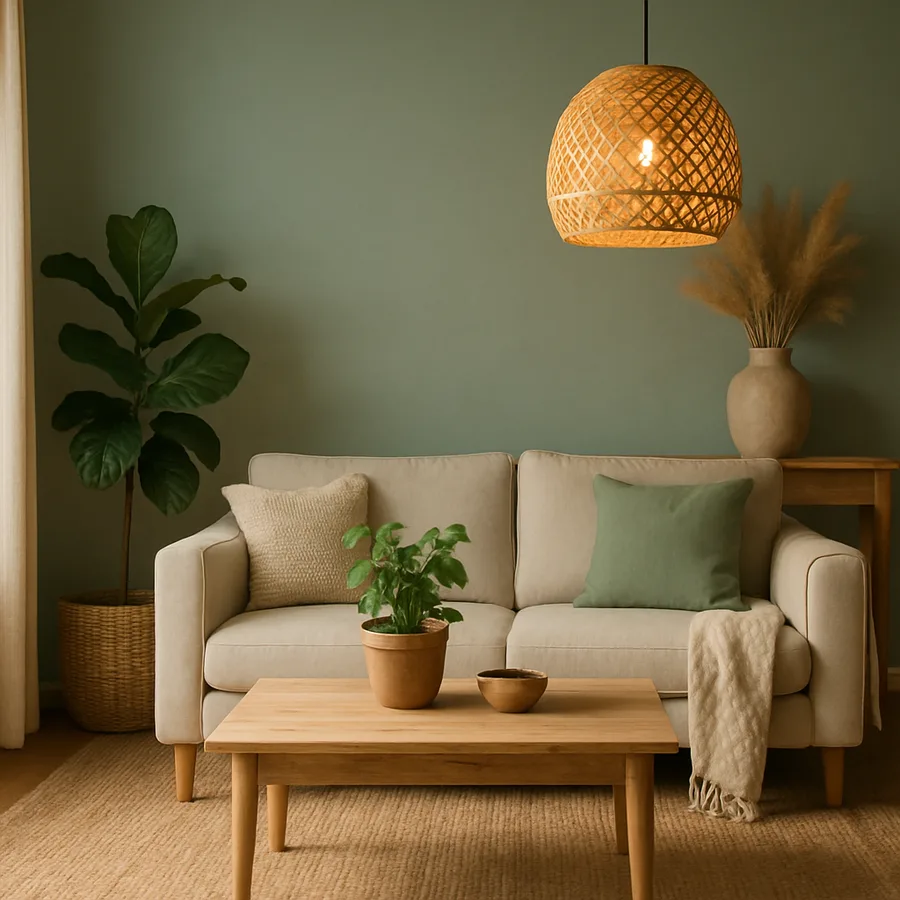
Have you ever wondered how your home design choices impact the environment? As the world increasingly turns its attention to sustainability, eco-friendly interior design has become a hot topic. Homeowners are seeking ways to combine aesthetics with environmental responsibility. This article explores the current landscape of sustainable design, the factors driving change, and practical tips for transforming your home into a stylish, green oasis. We'll delve into expert perspectives and anticipate future trends in this dynamic field.
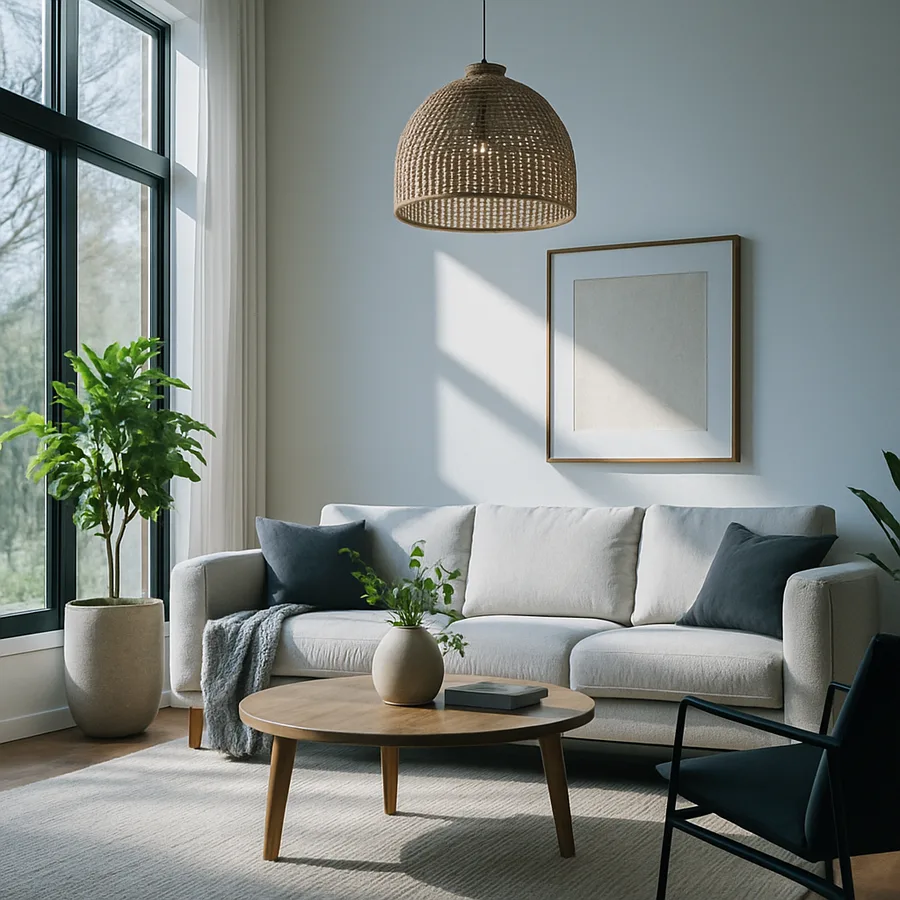
The Current Landscape
Today, eco-friendly interior design is not just a niche interest but a mainstream movement. According to a survey by the American Society of Interior Designers (ASID), over 70% of interior designers have seen a significant increase in client demands for sustainable options. This shift reflects a growing awareness of environmental issues and a desire to reduce personal carbon footprints. From using reclaimed wood to incorporating energy-efficient lighting, homeowners are actively seeking methods to integrate sustainability into their living spaces.
One of the most notable trends is the use of sustainable materials. Natural fibers, recycled metals, and sustainably harvested wood are becoming staples in modern design. Biophilic design, which emphasizes the connection between people and nature, is gaining traction. This approach not only enhances the aesthetic appeal of a space but also contributes to improved well-being. By integrating elements like living walls and natural light, designers are creating environments that promote health and sustainability.
Furthermore, the rise of smart home technology is revolutionizing how we think about energy consumption. Automated systems for lighting, climate control, and window treatments allow for more efficient energy use, reducing both environmental impact and utility costs. As we continue to embrace technology, the intersection of smart home capabilities and eco-friendly design offers exciting opportunities for innovation.
Key Factors Driving Change
The push for eco-friendly interior design is driven by several key factors. Firstly, there is an increasing body of research highlighting the environmental impact of traditional building and design practices. According to the International Energy Agency, buildings account for nearly 40% of global carbon emissions. This statistic underscores the urgent need for sustainable design solutions.
Consumer demand is another powerful driver. As people become more informed about environmental issues, they are seeking out products and services that align with their values. A 2024 survey by the Houzz platform found that 68% of homeowners prioritized sustainability when planning renovations. This trend is pushing designers and manufacturers to innovate and offer more eco-friendly options.
Lastly, government regulations and incentives are playing a significant role in promoting sustainable practices. Policies that encourage energy efficiency and the use of renewable resources are becoming more common. These initiatives not only help mitigate environmental impact but also provide financial benefits to homeowners who invest in green design solutions.
What the Research Shows
Research consistently shows the benefits of eco-friendly interior design, both for the environment and for homeowners. A study by the National Renewable Energy Laboratory found that homes with energy-efficient designs can reduce energy consumption by up to 30%. This not only lowers utility bills but also decreases reliance on fossil fuels, contributing to a reduction in greenhouse gas emissions.
Additionally, sustainable design enhances property value. Well-designed eco-friendly interiors can increase a home's resale value by 5-15%, according to industry experts. This financial incentive is compelling for homeowners looking to make smart investments in their properties. A focus on sustainability can make homes more attractive to potential buyers who are increasingly valuing green features.
Moreover, sustainable design improves indoor air quality. The use of non-toxic materials and natural ventilation systems reduces the presence of harmful chemicals, creating healthier living environments. The Environmental Protection Agency has noted that indoor air quality can be two to five times worse than outdoor air, making this an important consideration for health-conscious homeowners.
Practical Implications for You
So, how can you incorporate eco-friendly interior design into your home? Start by evaluating your current space and identifying areas for improvement. Consider the materials used in your furniture and decor. Opt for items made from sustainably sourced materials or recycled content. The International Interior Design Association (IIDA) suggests choosing textiles made from organic cotton or bamboo, which are both sustainable and stylish.
Energy efficiency is another crucial aspect. Replace incandescent bulbs with LED lighting, which uses up to 80% less energy. Invest in smart thermostats and appliances to optimize energy use throughout your home. These changes not only reduce your carbon footprint but also save you money in the long run. Have you considered the impact of your home's energy consumption?
Finally, embrace the concept of upcycling. Instead of discarding old furniture, give it a new life with a fresh coat of paint or new upholstery. This not only reduces waste but also allows for creative expression. By taking these steps, you can create a home that is both beautiful and environmentally responsible.
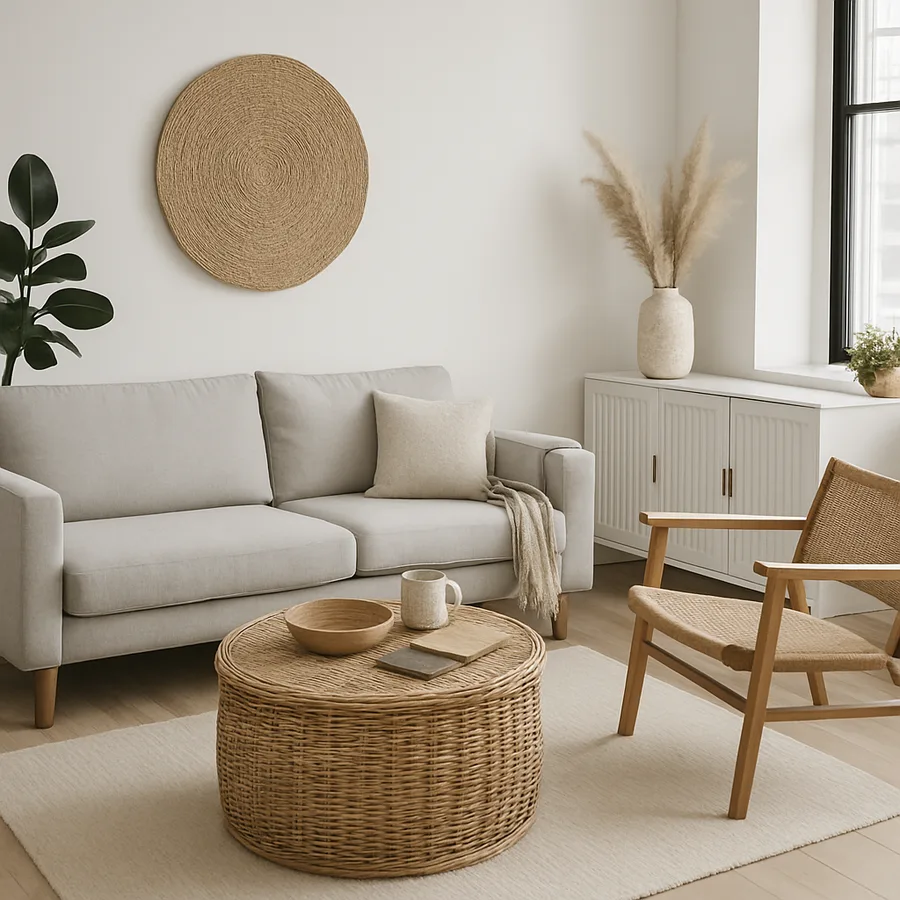
Expert Perspectives
Experienced professionals often note that eco-friendly design is as much about mindset as it is about material choices. According to ASID, a growing number of designers are educating clients on the long-term benefits of sustainable design. They emphasize that initial investments in quality and sustainability pay off through durability, reduced maintenance costs, and increased comfort.
Industry leaders are also advocating for a holistic approach to design. This means considering the entire lifecycle of materials, from production to disposal. By selecting products that are made responsibly and can be recycled or composted at the end of their life, homeowners contribute to a circular economy. This approach not only reduces environmental impact but also supports sustainable business practices.
Furthermore, designers are increasingly using technology to advance eco-friendly practices. Virtual reality and augmented reality tools allow clients to visualize how sustainable options will look in their space, making it easier to make informed decisions. These technologies are transforming client engagement, providing a more immersive and interactive design experience.
Looking Ahead
The future of eco-friendly interior design is promising. As technology continues to evolve, we can expect even greater advancements in sustainable practices. The integration of smart home systems with sustainable design will likely become standard, offering seamless energy efficiency and convenience.
Moreover, the trend towards biophilic design is expected to grow. As people seek to reconnect with nature, incorporating natural elements into home design will remain popular. This not only enhances aesthetic appeal but also supports well-being by reducing stress and improving mental health.
Ultimately, the move towards sustainable design is more than just a trend; it's a necessary evolution. As awareness grows, so too does the demand for innovative solutions that balance beauty with responsibility. The interior design industry is poised to lead the way in creating homes that are as kind to the planet as they are to their inhabitants.
Conclusion
Incorporating eco-friendly interior design into your home is a rewarding endeavor that benefits both you and the environment. By understanding the current trends, key drivers, and practical implications, you can make informed choices that reflect your values and enhance your living space. As you explore sustainable options, consider the long-term impacts of your design decisions. Ready to start your eco-friendly transformation? Begin by exploring portfolios on Houzz or consulting with certified professionals through ASID. Even a small step can lead to meaningful change.
More Articles You May Like



Comments
Post a Comment