Sustainable Modern Interior Design: Eco-Friendly Tips for a Stylish Home
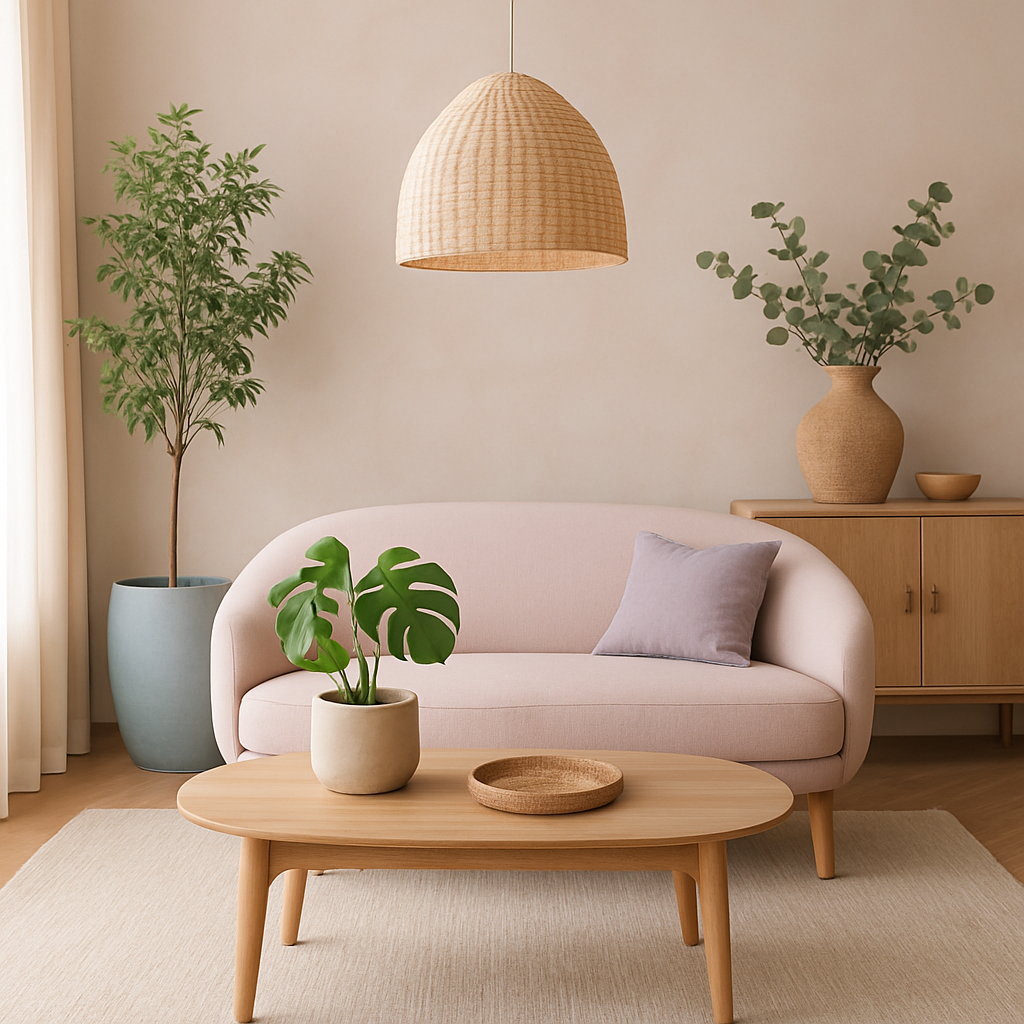
Imagine transforming your living space into a sanctuary that not only exudes style but also honors the planet. Today, sustainable modern interior design is more than just a trend; it's a conscious choice that many homeowners are embracing. According to the American Society of Interior Designers (ASID), nearly 70% of their members report increased client interest in eco-friendly designs. This growing demand for sustainable solutions comes as no surprise, given the environmental challenges we face. In this article, we'll explore foundational concepts of sustainable design, delve into data-driven insights, provide actionable strategies, and offer expert advice to help you create a stylish and eco-friendly home.
Understanding the Core Principles of Sustainable Design
Sustainable design is anchored in the principle of reducing environmental impact while enhancing the quality of life within a space. At its core, this design philosophy emphasizes the use of materials that are renewable, recyclable, and responsibly sourced. Certified interior designers, often holding credentials like the National Council for Interior Design Qualification (NCIDQ), prioritize these elements to ensure that spaces are both beautiful and sustainable. By selecting such materials, you contribute to a reduction in waste and a decrease in the depletion of natural resources.
Another key aspect of sustainable design is energy efficiency. This includes integrating features like energy-efficient lighting, smart home systems for climate control, and appliances that minimize water and electricity usage. The International Interior Design Association (IIDA) highlights that energy-efficient homes can lower utility bills by up to 30%. This not only benefits the environment but also offers long-term cost savings for homeowners. Implementing these systems requires an upfront investment, but the return on savings and environmental impact is substantial.
Finally, sustainable design incorporates elements of biophilic design, which connects occupants with nature through natural light, ventilation, and the inclusion of plants. This approach not only improves air quality but also enhances well-being and productivity. The American Institute of Architects (AIA) notes that biophilic design can reduce stress and increase comfort, making it an essential component of modern sustainable interiors. As we transition into more detailed strategies, consider how these foundational principles may already be present-or absent-in your home.
Why Sustainable Design Matters: Data-Driven Insights
Why should you care about sustainable design? The answer lies in both environmental and economic benefits. According to the U.S. Green Building Council, buildings account for 39% of CO2 emissions. By adopting sustainable design practices, you can significantly reduce your home's carbon footprint. Homeowners who implement energy-efficient systems and sustainable materials report up to a 30% reduction in their environmental impact, as indicated by various industry surveys.
Beyond environmental concerns, sustainable design also enhances property value. A well-designed sustainable home can yield a 5-15% higher resale value, as noted by the National Association of Realtors. This is because buyers increasingly prioritize eco-friendly features, viewing them as both financially and ethically beneficial. Investing in sustainable design not only aligns with global efforts to combat climate change but also increases your home's market appeal.
Another compelling reason to consider sustainable design is the potential for government incentives. Many states offer tax credits, rebates, and grants for homeowners who incorporate energy-efficient designs. These financial incentives can offset initial costs and make sustainable upgrades more accessible. As we move forward, let's explore actionable strategies you can employ to incorporate these benefits into your home design.
Actionable Strategies for Eco-Friendly Interior Design
Ready to transform your home into a sustainable haven? Start by assessing your current space and identifying areas where eco-friendly changes can be made. For instance, replacing traditional light bulbs with LED alternatives can significantly reduce energy consumption. LED bulbs use up to 75% less energy and last 25 times longer than incandescent bulbs, according to the Department of Energy. This simple switch can lead to substantial savings on your electricity bill over time.
Another effective strategy is to choose sustainable furniture. Seek out pieces made from reclaimed or FSC-certified wood (Forest Stewardship Council). These options ensure that your furniture is sourced responsibly and contributes less to deforestation. In addition, consider second-hand or vintage pieces, which not only add character to your home but also reduce demand for new resources. Platforms like Houzz and Pinterest can be excellent resources for finding and researching sustainable furniture options.
Incorporating plants is another powerful way to enhance both the aesthetics and sustainability of your home. Plants improve air quality by filtering toxins and increasing oxygen levels. Select species known for their air-purifying qualities, such as spider plants or peace lilies. Not only do these plants contribute to a healthier indoor environment, but they also bring a touch of nature into your living space. As we delve into expert advice, think about how these strategies might fit into your design vision.
Expert Insights on Sustainable Design
Experienced professionals often note that collaboration with certified interior designers can significantly elevate your sustainable design project. Designers with NCIDQ or ASID credentials have the expertise to guide you through the complexities of sustainable materials and technologies. They can help you navigate the balance between aesthetics and functionality, ensuring that your design choices meet both your style preferences and sustainability goals.
Another expert recommendation is to incorporate smart home technology. This modern approach to sustainability involves automated systems that control lighting, heating, and cooling based on occupancy and time of day. The integration of these technologies not only enhances energy efficiency but also adds convenience to daily living. Imagine a home that adjusts its climate settings in response to the weather or your schedule-a true blend of intelligence and efficiency.
Lastly, experts suggest focusing on quality over quantity when selecting materials and furnishings. Investing in high-quality, durable items reduces the need for frequent replacements, thereby minimizing waste. The International Federation of Interior Architects/Designers (IFI) emphasizes that choosing timeless designs and superior craftsmanship can significantly impact your home's sustainability over time. With these insights, you're better equipped to make informed decisions that align with your eco-friendly aspirations.
Expanding Your Knowledge on Sustainable Options
To further deepen your understanding of sustainable design, engage with resources that offer the latest trends and innovations. Subscribing to platforms like Architectural Digest's AD PRO network can keep you informed about cutting-edge materials and practices. Additionally, attending workshops or webinars hosted by local AIA chapters can provide valuable insights and networking opportunities with like-minded individuals.
Exploring international design influences can also expand your perspective. The Japandi trend, a fusion of Japanese minimalism and Scandinavian warmth, is gaining popularity for its emphasis on simplicity and functionality. This design ethos aligns perfectly with sustainability principles, focusing on natural materials and uncluttered spaces. By incorporating such global trends, you can create a home that's both stylish and responsible.
As we wrap up, consider how these expanded resources and influences might inspire new ideas for your home. Whether you're looking into the latest sustainable materials or seeking inspiration from global design trends, there's always something new to discover in the world of eco-friendly design.
Final Perspectives on Sustainable Interior Design
As you embark on your sustainable interior design journey, remember that every small change contributes to a larger impact. Whether it's choosing energy-efficient lighting or selecting furniture from sustainable sources, your decisions play a crucial role in shaping a more environmentally friendly future. Sustainable modern interior design is not just about aesthetics; it's about creating spaces that reflect your values and commitment to the planet.
Moreover, embracing sustainable design fosters a deeper connection with your living space. When your home aligns with your environmental values, it becomes more than just a place to live-it becomes a manifestation of your principles. This alignment can lead to greater satisfaction and pride in your home, knowing that it supports both your lifestyle and the environment.
With these final perspectives, you are now ready to take informed steps towards creating a home that is as sustainable as it is stylish. In the conclusion, we'll summarize the key points and offer a clear path forward.
Conclusion: Taking the Next Steps
In summary, sustainable modern interior design offers a powerful way to create a stylish home that respects the planet. From understanding foundational principles and leveraging data-driven insights to applying actionable strategies and expert advice, the journey towards an eco-friendly home is both rewarding and impactful. By embracing sustainability, you not only enhance your living space but also contribute to a better future for our planet.
Are you ready to start your sustainable design journey? Begin by exploring designer portfolios on platforms like Houzz this week. Even dedicating just 20 minutes to research can sharpen your eye for eco-friendly styles and materials. As you gather inspiration, consider how each choice aligns with your commitment to sustainability and style. Your home is a canvas, and with informed decisions, it can beautifully reflect your values and aspirations.



Comments
Post a Comment