Top 5 Online Interior Design Tools to Elevate Your Home Aesthetics
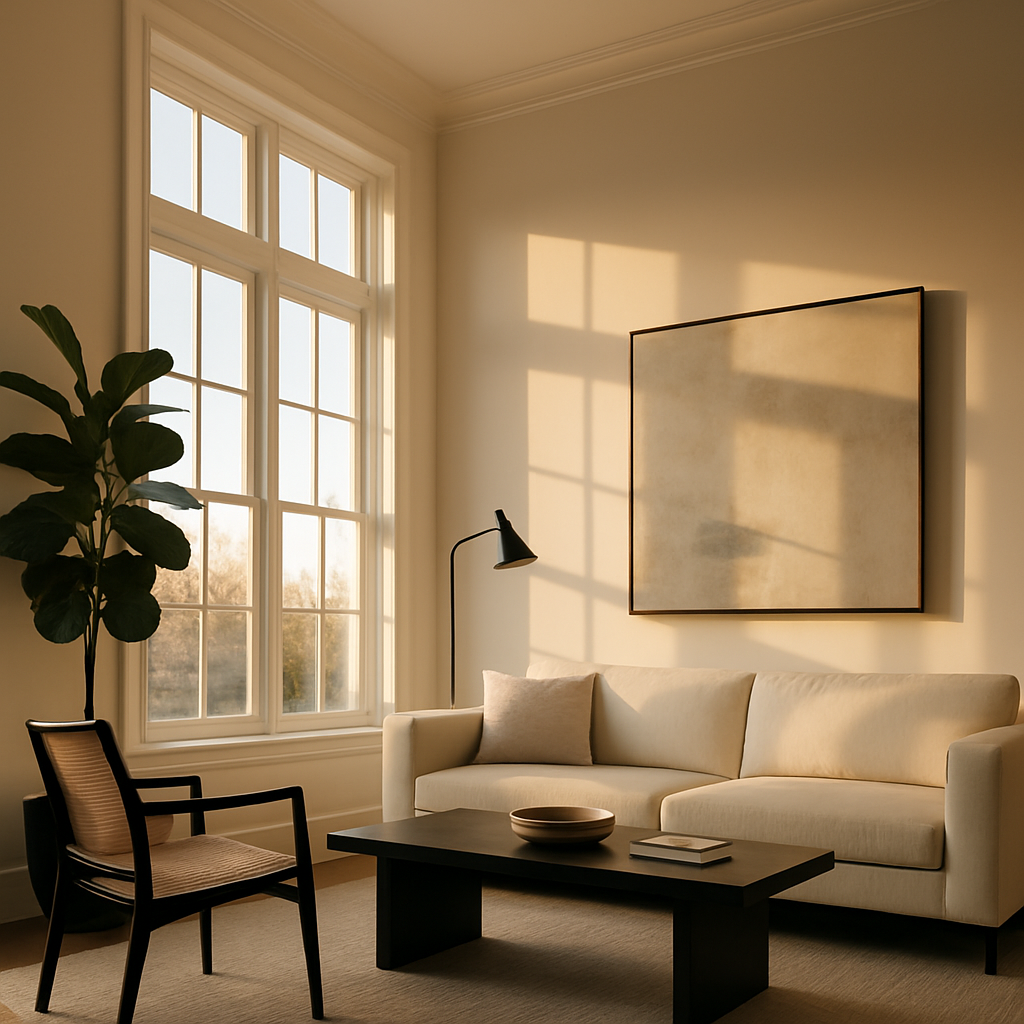
Imagine walking into a space that feels perfectly tuned to your style, as if it's been waiting for you all along. Achieving this level of interior harmony is no longer just a dream, thanks to the digital transformation of design tools. According to Houzz's annual survey, over 70% of homeowners are now using online tools to assist in home renovations and redesigns. This shift not only democratizes access to high-end design concepts but also empowers you to take charge of your home's aesthetic. In this article, we will explore five cutting-edge online interior design tools that can elevate your home aesthetics, offering foundational concepts, in-depth analysis, actionable strategies, expert insights, and additional depth to guide your design journey.
Understanding Online Interior Design Tools
Online interior design tools have revolutionized the way we approach home aesthetics. At their core, these tools are platforms that allow you to visualize, design, and sometimes even purchase elements for your interior spaces. They range from simple mood board creators to sophisticated 3D modeling software. The real draw here is the ability to experiment with colors, textures, and layouts without any physical commitment. Many of these tools, like SketchUp and Roomstyler, offer free versions that are robust enough for most users, making them accessible to anyone with an internet connection.
The rise of these tools correlates with an increase in DIY home projects. According to a 2024 survey by the American Society of Interior Designers (ASID), 60% of respondents reported using online tools to plan their home renovations. This trend reflects a growing desire for personalization and hands-on involvement in the design process. By using these platforms, you can test out design ideas, ensuring that your vision aligns with practical realities before making any costly purchases or renovations.
For those new to interior design, these tools provide a valuable learning curve. They help you understand the fundamentals of design, such as color theory, space planning, and furniture arrangement, without the pressure of making permanent decisions. Moreover, platforms like Houzz and Pinterest offer community support and inspiration through user-generated content, allowing you to see real-world applications of design principles. As we move into more detailed analyses, it's essential to grasp how these tools can serve as both a creative outlet and a practical guide for your projects.
Analyzing the Impact of Online Tools on Interior Design
The impact of online interior design tools extends beyond mere visualization. These platforms have fundamentally altered the design process, making it more efficient and collaborative. According to a study by the International Interior Design Association (IIDA), the integration of digital tools in design projects has increased client satisfaction by 30%. This is largely due to the enhanced communication and transparency these tools provide, allowing clients to see changes in real-time and offer feedback before implementation.
Another significant advantage is the ability to incorporate data-driven decision-making into the design process. Tools like Planner 5D and HomeByMe allow you to generate detailed reports on material usage, cost estimates, and even energy efficiency. This level of detail is crucial for those looking to balance aesthetics with sustainability - a growing concern among modern homeowners. For instance, biophilic design, which emphasizes natural materials and indoor-outdoor flow, can be effectively planned using these tools to optimize both beauty and ecological impact.
The industry's shift towards digital tools also opens doors for more inclusive design practices. With platforms available in multiple languages and catering to different cultural aesthetics, you can design spaces that reflect diverse identities and experiences. This democratization of design expertise enables anyone, regardless of background, to craft spaces that feel authentically theirs. As we delve into actionable strategies in the next section, consider how these tools allow you to align your personal values with your home's design.
Actionable Strategies for Using Design Tools
Leveraging online interior design tools effectively requires strategic planning. Start by clearly defining your goals. Are you looking to redesign a single room, or is a whole-house makeover in order? Once you have clarity, explore platforms like SketchUp for detailed 3D modeling or Canva for mood board creation. These tools can help you visualize the end result and fine-tune your ideas before execution.
When using these tools, be sure to take full advantage of their features. For instance, many platforms offer augmented reality (AR) capabilities, allowing you to superimpose digital models of furniture into your physical space. This feature is particularly useful for gauging scale and ensuring that new pieces will fit seamlessly into your existing layout. Additionally, tools like Modsy offer expert consultation services, where professional designers provide personalized advice based on your digital designs and preferences.
Don't overlook the power of community feedback. Platforms like Houzz and Pinterest allow you to share your designs and gather input from a community of design enthusiasts. This feedback can be invaluable, providing new perspectives and ideas that you might not have considered. As you incorporate these strategies, remember to stay flexible and open to experimentation - the digital design process is as much about discovery as it is about planning.
Expert Insights on Maximizing Tool Usage
Experienced professionals often note that the key to maximizing the benefits of online design tools lies in understanding their limitations as well as their strengths. While these platforms are powerful for visualization, they do not replace the nuanced eye of a certified interior designer. For complex projects, consider using these tools to draft initial concepts, then consulting with a designer holding the NCIDQ (National Council for Interior Design Qualification) certification for expert input.
Another piece of expert advice is to integrate these tools into a broader project management framework. Utilize platforms like Trello or Asana to track progress, manage tasks, and coordinate with contractors. This holistic approach ensures that your digital designs transition smoothly into reality, minimizing the risk of oversights that can lead to costly errors.
Finally, remember that the best design outcomes often come from blending technology with intuition. While data and analytics provide valuable insights, your personal style and emotional connection to your space are equally important. Use these tools as a foundation, but trust your instincts to guide the final decisions. In the following section, we'll explore additional ways to deepen your design practice using these tools.
Expanding Your Design Horizons
To truly elevate your home aesthetics, consider using online tools not just for their intended purpose, but as a springboard for creativity. For example, platforms like Pinterest can inspire you to explore unexpected color palettes or unconventional furniture arrangements that you might otherwise overlook. By curating boards and collections, you can create a personal design library that evolves with your taste.
Additionally, many tools now offer integration with smart home technologies, allowing you to plan lighting, climate control, and security features as part of your design process. This integration not only enhances functionality but also ensures that your home remains adaptable to future technological advancements. As smart home devices become more prevalent, designing with these considerations in mind can significantly enhance your living experience.
Another way to expand your design horizons is by engaging with online courses or webinars offered by platforms like Skillshare or Coursera. These resources can provide deeper insights into design principles and practical applications, empowering you to make informed decisions. As we conclude, consider how these expanded perspectives can enrich your design journey and lead to a more fulfilling home environment.
Final Thoughts on Digital Design Tools
As we have explored, online interior design tools are a powerful ally in transforming your home aesthetics. They provide the flexibility to experiment, the data to make informed decisions, and the community to inspire and support your creative journey. Yet, like any tool, their effectiveness depends on how you use them. By combining these digital resources with traditional design wisdom and personal intuition, you can create spaces that are not only visually stunning but also deeply personal.
Are you ready to take the leap and explore these digital design possibilities? Start by choosing one tool that resonates with your immediate needs and dive into its features. Whether it's mapping out a new living room layout or gathering inspiration for a kitchen redesign, the time you invest in learning and experimenting with these tools will pay dividends in the beauty and functionality of your home. In the conclusion, we will offer a clear next step to begin this transformative journey.
Conclusion: Begin Your Design Journey Today
In conclusion, the world of online interior design tools offers a wealth of opportunities to refine and elevate your home aesthetics. From foundational visualization to advanced smart home integration, these tools are designed to empower you in every step of the design process. By engaging with platforms like Houzz, SketchUp, and Modsy, you can not only explore innovative design ideas but also bring them to life with confidence and clarity.
Your next step is simple yet impactful: start by browsing portfolios on Houzz this week - even 20 minutes of research will sharpen your eye for what you want. As you explore, take notes on what resonates with you, and consider how these elements could enhance your own living spaces. Remember, your home is a reflection of who you are, and these tools are here to help you express that identity with style and precision. Embrace the journey, and watch your home transform into a space that truly feels like yours.



Comments
Post a Comment