Sustainable House Interior Design: Eco-Friendly Tips for a Stylish Home
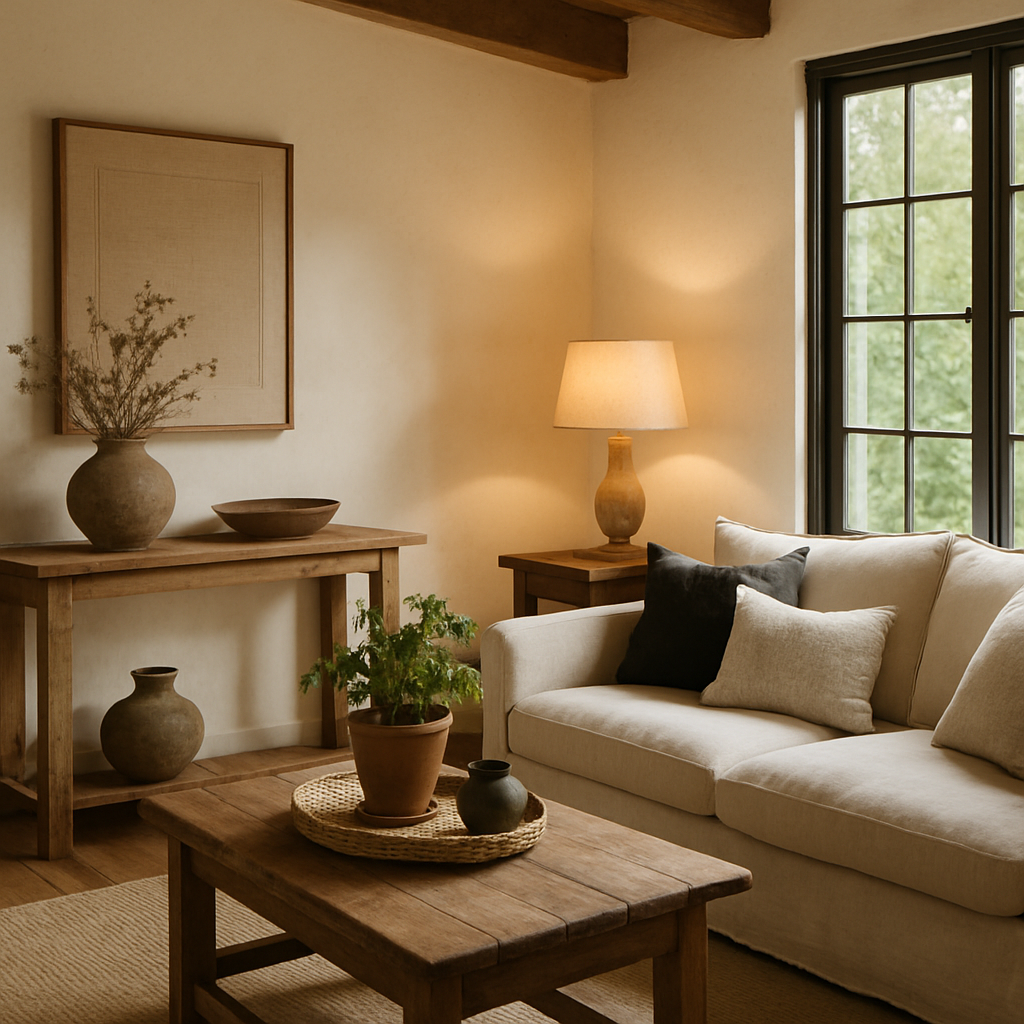
Are you aware that homes with eco-friendly designs can reduce energy costs by up to 30%? This statistic isn't just a number-it's a testament to the power of sustainable interior design. As more individuals become conscious of their environmental impact, integrating sustainability into home design has moved from a niche concern to a mainstream priority. This article explores foundational eco-friendly design concepts, provides data-backed insights, delves into actionable strategies, and offers expert-level guidance. Whether you're designing a new space or revamping an old one, these tips will ensure your home is both stylish and sustainable.
Understanding the Basics of Sustainable Interior Design
Sustainable interior design begins with thoughtful choices about materials and energy use. The goal is to create a home that minimizes environmental impact while maximizing comfort and style. This involves selecting materials that are sustainably sourced, such as bamboo or reclaimed wood. These materials not only reduce the need for virgin resources but also bring unique textures and warmth into a space. For instance, bamboo grows rapidly and can be harvested without causing deforestation, making it an excellent flooring option.
Beyond material choices, energy efficiency is a cornerstone of sustainable home design. Utilizing natural light, energy-efficient appliances, and smart home technology can significantly reduce a home's energy consumption. For example, smart thermostats and LED lighting can cut down energy usage while maintaining your home's aesthetic quality. According to a survey by the American Council for an Energy-Efficient Economy, homes that adopt such technologies report lower utility bills and enhanced comfort.
The design philosophy also considers the lifecycle of products. Choosing durable and timeless furniture over trendy, disposable items reduces waste and ensures longevity. This approach aligns with the principles of the circular economy, which aims to keep resources in use for as long as possible. By understanding these foundational concepts, you can begin to transform your home into a stylish, sustainable sanctuary.
With the basics covered, it's crucial to explore how these principles translate into measurable benefits and real-world applications. The following section will delve into the data and case studies that underscore the impact of sustainable design.
Data-Driven Insights on Eco-Friendly Home Design
Sustainable home design isn't just a trend; it's a movement backed by compelling data. According to a Houzz survey, homeowners who implement eco-friendly designs report higher satisfaction levels and a notable decrease in energy costs. The survey highlights that 65% of participants saw a reduction in their energy bills within the first year of implementing sustainable practices. This data underlines the financial and environmental benefits of investing in eco-friendly interiors.
Moreover, well-designed sustainable interiors have been shown to increase property value. Studies suggest that homes with green certifications can sell for up to 9% more than non-certified homes. This increase is attributed to the growing consumer awareness and demand for sustainable living spaces. The American Society of Interior Designers (ASID) emphasizes that sustainability is not only an ethical choice but also a smart financial investment for property owners.
Real-world examples abound. A case study by the International Interior Design Association (IIDA) showcases a residential project where the use of recycled materials and energy-efficient systems led to a 40% reduction in energy usage. This project not only highlights the potential savings but also demonstrates the aesthetic possibilities when creativity meets sustainability. These insights reveal that eco-friendly design is a viable and beneficial option for modern homeowners.
Having established the data-backed benefits, it's time to examine practical strategies for bringing these concepts to life in your home. The next section will provide actionable advice to help you start your sustainable design journey.
Practical Strategies for Implementing Eco-Friendly Design
Ready to transform your home with sustainable design? Start by conducting an energy audit to identify areas where you can improve efficiency. Many local utility companies offer free audits that can reveal opportunities for savings. Once you have a clearer picture, consider upgrading to energy-efficient appliances and incorporating smart home technologies. These changes can drastically reduce your carbon footprint while enhancing your home's functionality.
Next, focus on choosing sustainable materials. Look for certifications such as FSC (Forest Stewardship Council) for wood products or GOTS (Global Organic Textile Standard) for textiles. These labels ensure that the materials are sourced responsibly and processed with minimal environmental impact. In the kitchen, opt for recycled countertops or cabinets made from reclaimed wood to combine sustainability with style.
Don't underestimate the power of plants. Incorporating greenery into your home can improve air quality and add a touch of nature to your interiors. Biophilic design, which emphasizes the connection between humans and nature, can be achieved through living walls or strategically placed houseplants. Not only do they bring life to a space, but they also contribute to a healthier indoor environment.
With these practical strategies in mind, let's delve into expert-level insights that can elevate your sustainable design efforts even further.
Expert Insights on Sustainable Interior Design
Experienced professionals often note that successful sustainable design hinges on integrating elements seamlessly into your daily life. For instance, when selecting furniture, opt for pieces that serve multiple purposes, such as a coffee table with built-in storage. This approach not only reduces clutter but also minimizes the need for additional resources. Additionally, professionals recommend investing in high-quality, timeless pieces that won't need replacing every few years.
Another insider tip is to embrace local sourcing. By choosing locally made products, you reduce the carbon footprint associated with transportation. This practice supports the local economy and often results in unique, handcrafted pieces that add character to your home. Furthermore, local artisans can offer custom solutions that perfectly fit your space and aesthetic.
Lastly, consider the long-term benefits of investing in renewable energy sources. Installing solar panels or geothermal heating systems can lead to significant savings over time. While the initial investment may be substantial, the return on investment is often realized through lower utility costs and increased property value. The National Council for Interior Design Qualification (NCIDQ) suggests that integrating such systems can be a game-changer for sustainable living.
These expert insights provide valuable guidance for those serious about sustainable design. However, there's always more depth to explore. The following section will discuss additional details and considerations for achieving an eco-friendly home.
Delving Deeper: Advanced Considerations in Eco-Friendly Design
For those looking to push the boundaries of sustainable design, consider the role of technology in enhancing sustainability. Augmented reality (AR) and virtual reality (VR) tools are becoming popular for room visualization, allowing homeowners to experiment with designs before making physical changes. This technology can reduce waste by ensuring that design choices are both functional and aesthetically pleasing before implementation.
Another advanced consideration is the use of sustainable insulation materials. Options such as sheep's wool or recycled denim offer excellent thermal performance without the environmental drawbacks of traditional insulation. These materials are not only effective but also contribute to a healthier indoor air quality by reducing the presence of harmful VOCs (volatile organic compounds).
Finally, water conservation is a crucial aspect of sustainable home design. Implementing low-flow faucets and smart irrigation systems can drastically reduce water usage. Additionally, collecting rainwater for garden use is an eco-friendly practice that can be both practical and rewarding. These advanced strategies highlight the depth of possibilities available to homeowners committed to sustainability.
With these additional insights, we turn our attention to wrapping up our exploration of sustainable interior design. The final section will summarize key takeaways and prepare you to embark on your own design journey.
Final Perspectives on Sustainable Interior Design
Sustainable interior design offers a unique blend of style, functionality, and environmental responsibility. By understanding the foundational principles, leveraging data-driven insights, and implementing practical strategies, you can create a home that truly aligns with your values. The integration of expert insights and advanced considerations further enriches the design process, making it both rewarding and impactful.
Have you considered which strategies resonate most with your lifestyle? Whether you're drawn to energy-efficient upgrades, sustainable materials, or innovative technologies, the path to a greener home is both diverse and flexible. The journey towards sustainability is a continuous one, where small changes can lead to significant impacts over time.
Conclusion
In conclusion, adopting sustainable interior design principles is a powerful way to enhance your home's aesthetic and environmental footprint. By embracing eco-friendly practices, you contribute to a healthier planet while cultivating a space that reflects your personal style. As you embark on this journey, start by exploring designer portfolios on platforms like Houzz or consulting with certified professionals from ASID or IIDA. Even a brief session of research can inspire and inform your design decisions.
Don't wait to make your home more sustainable. Begin by implementing one small change today-perhaps upgrading to LED lighting or incorporating a few houseplants-and watch how it transforms your living space. The commitment to sustainability is not just for the environment; it's for a more fulfilling and responsible way of living.


Comments
Post a Comment