Sustainable House Interior Design: Eco-Friendly Trends for a Stylish Home
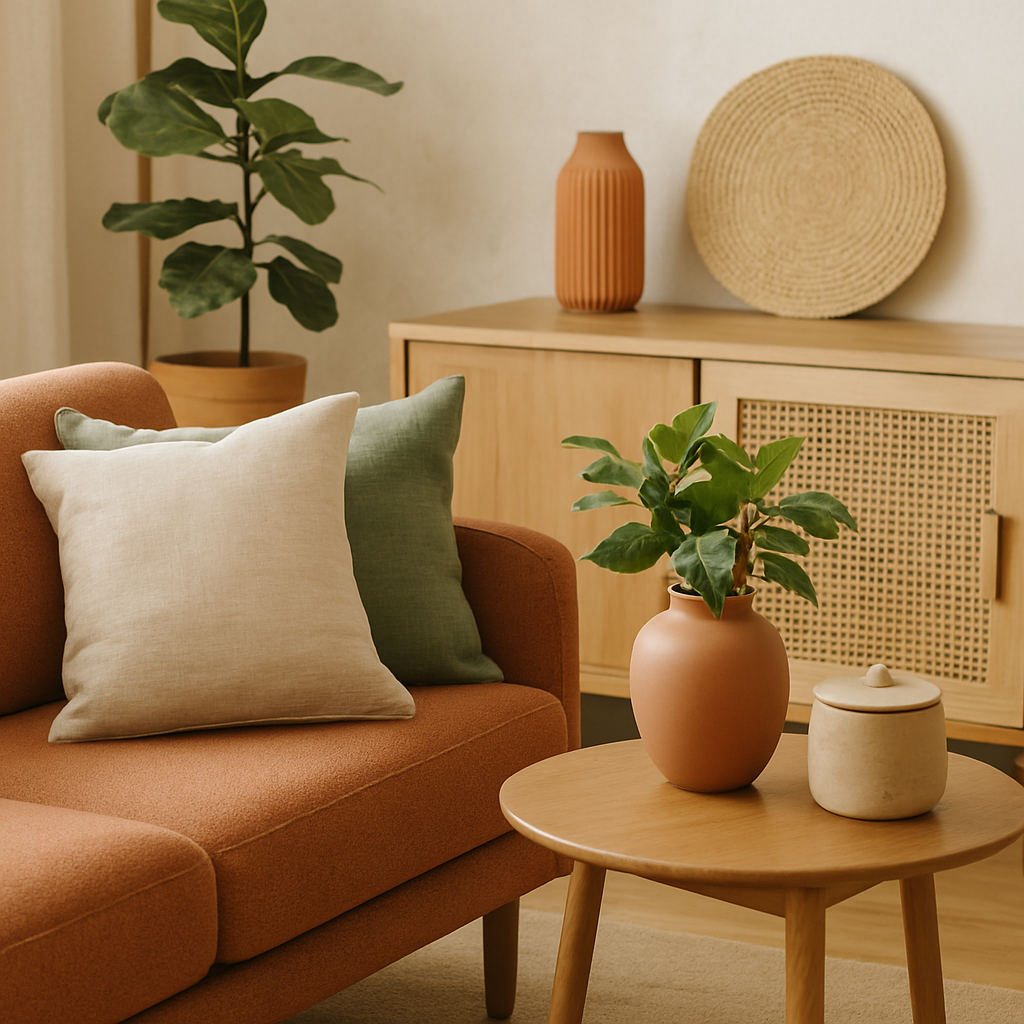
Sustainability in interior design is no longer a compromise between environmental responsibility and aesthetic ambition. The outdated assumption that eco-friendly homes must look rustic, rough-hewn, or somehow less polished than their conventional counterparts has been thoroughly dismantled by a generation of designers proving that the greenest interiors are often the most beautiful. Reclaimed timber with extraordinary grain patterns, recycled glass countertops that shimmer with embedded color, and low-VOC paints in every conceivable hue have expanded the sustainable design palette to match or exceed the options available through conventional materials. The American Society of Interior Designers (ASID) has placed sustainability at the center of its professional guidelines, recognizing that responsible material selection is not a specialty niche but a fundamental competency for every practicing designer. This guide explores the eco-friendly trends that are reshaping house interior design, demonstrating that style and sustainability are not merely compatible but inseparable in the most thoughtfully designed contemporary homes.
Reclaimed and Recycled Materials as Design Statements
Reclaimed materials carry something that new materials cannot replicate: history. A dining table crafted from salvaged barn wood bears the marks of decades of weathering, nail holes, and grain patterns shaped by forces no sawmill can reproduce. Recycled metal fixtures carry subtle patinas that manufacturers spend considerable effort trying to imitate artificially. These materials enter a home with character already established, providing an instant depth and authenticity that brand-new furnishings require years of use to develop. The environmental benefit is equally compelling: every reclaimed beam or recycled steel bracket represents raw materials that were not extracted from the earth and energy that was not expended in manufacturing.
The market for reclaimed and recycled design materials has matured significantly, making these options more accessible and reliable than ever before. Architectural salvage companies now maintain curated inventories of antique doors, vintage hardware, reclaimed flooring, and salvaged stone that can be browsed online and shipped nationally. Recycled glass surfaces, produced by companies that divert post-consumer glass from landfills, are available in dozens of colors and patterns suitable for countertops, backsplashes, and tabletops. The NCIDQ examination now includes sustainability competencies, ensuring that certified designers can guide clients through the sourcing and specification of reclaimed materials with the same confidence they bring to conventional product selection.
Incorporating reclaimed materials requires awareness of their unique characteristics. Salvaged wood may contain hidden fasteners that require careful milling. Antique fixtures may need rewiring to meet current electrical codes. Dimensional inconsistencies in reclaimed lumber demand more skilled carpentry than working with precision-milled new stock. These considerations are not obstacles but rather the cost of admission to a category of materials that delivers unmatched character and environmental integrity. A skilled contractor experienced with reclaimed materials can navigate these challenges efficiently, and the result, a kitchen island topped with century-old oak or a bathroom floor laid with salvaged subway tile, rewards the effort with a beauty that no showroom product can equal. Have you explored whether any local architectural salvage yards carry materials that could bring history and sustainability into your next renovation?
Low-VOC and Non-Toxic Finishes for Healthier Interiors
The air quality inside a home is directly influenced by the materials and finishes used in its construction and decoration, and the shift toward low-VOC and non-toxic products represents one of the most impactful sustainability trends in interior design. Volatile organic compounds, the chemicals released as gases from paints, adhesives, sealants, and manufactured wood products, can cause headaches, respiratory irritation, and long-term health effects when present in elevated concentrations. Traditional interior paints, stains, and varnishes were among the worst offenders, releasing significant amounts of VOCs for weeks or months after application. The development of high-performance low-VOC and zero-VOC alternatives has made it possible to achieve any color or finish quality without compromising indoor air quality.
Beyond paint, the low-toxicity movement extends to every material category in the modern interior. Formaldehyde-free engineered wood products, natural fiber carpeting with untreated backing, and water-based wood finishes that emit minimal odor during application all contribute to a healthier indoor environment. The International Interior Design Association (IIDA) has been instrumental in raising awareness about the health implications of material selection, advocating for transparency in product labeling and the adoption of third-party certifications such as GREENGUARD and Cradle to Cradle that verify low chemical emissions. These certifications provide homeowners with reliable indicators of product safety, removing the guesswork from material selection and enabling informed decisions about the products that will live inside their homes permanently.
The aesthetic quality of low-VOC and non-toxic finishes has improved to the point where performance is no longer a valid objection. Early generations of eco-friendly paints were criticized for poor coverage, limited color ranges, and inferior durability compared to their conventional counterparts. Contemporary formulations have closed these gaps entirely. Leading paint manufacturers now offer their complete color libraries in low-VOC versions with coverage, washability, and longevity that match or exceed traditional products. Natural wood oils and waxes, while requiring more frequent reapplication than polyurethane, produce a warmth and depth of finish that many designers and homeowners prefer aesthetically. The decision to use non-toxic finishes is no longer one of sacrifice but of alignment: choosing products that protect both the environment and the health of the people who will inhabit the finished space.
Energy-Efficient Design Integration
Energy efficiency in interior design extends well beyond the selection of LED light bulbs, encompassing a holistic approach to how a home manages thermal comfort, natural light, and electrical consumption through design decisions that are both functionally superior and aesthetically informed. Window treatments represent one of the most significant opportunities for energy-efficient interior design. Cellular shades, with their honeycomb structure that traps insulating air pockets, can reduce heat loss through windows substantially during cold months while blocking solar heat gain during warm seasons. When specified in colors and textures that complement the room's design scheme, these high-performance window treatments serve as attractive design elements while quietly reducing energy bills throughout their lifespan.
Passive solar design principles, when applied to interior planning, can dramatically reduce a home's reliance on mechanical heating and cooling systems. Positioning living spaces on the south-facing side of a home maximizes winter solar gain through large windows. Thermal mass materials such as concrete floors, stone feature walls, and tile surfaces absorb heat during sunny hours and release it gradually as temperatures drop, moderating indoor climate fluctuations without any energy input. The placement of interior walls, the specification of floor materials, and even the arrangement of furniture can influence how effectively a home captures and distributes natural thermal energy. Designers who understand these principles can create interiors that feel naturally comfortable across seasons while reducing the environmental footprint of daily habitation.
Smart home technology serves as a powerful amplifier of energy-efficient design decisions. Automated shading systems that respond to sun position and interior temperature readings optimize the balance between natural light and thermal management without requiring manual adjustment. Learning thermostats analyze occupancy patterns and weather forecasts to maintain comfort with minimal energy expenditure. Occupancy sensors in bathrooms, closets, and utility rooms ensure that lights operate only when spaces are actively in use. A report from the National Association of Home Builders found that homes incorporating smart energy management systems alongside passive design strategies can achieve energy reductions of up to forty percent compared to conventionally designed homes. The upfront investment in these integrated systems typically pays for itself within a few seasons through reduced utility costs, after which the savings accrue indefinitely.
Biophilic Sustainability: Living Elements in Design
Biophilic design and sustainability share a philosophical foundation: both recognize that human wellbeing is inseparable from the health of the natural world. In practice, this alignment manifests as living elements integrated into residential interiors, from indoor gardens and living walls to water features and natural ventilation systems that reduce the boundary between inside and outside. Living walls, vertical panels planted with varieties of ferns, mosses, and trailing plants, serve as both air purification systems and stunning visual features. These installations actively filter indoor pollutants while adding humidity to dry environments, creating measurable improvements in air quality that complement the aesthetic impact of a verdant wall within a contemporary interior.
Indoor gardens have evolved from collections of houseplants on windowsills to intentionally designed horticultural installations that function as integral components of a room's architecture. Built-in planters integrated into kitchen islands provide fresh herbs within arm's reach of the cooking surface. Bathroom installations featuring humidity-loving tropical species transform daily routines into spa-like experiences. Bedroom alcoves planted with jasmine or lavender contribute natural fragrance that promotes restful sleep. Houzz project galleries reveal an accelerating trend toward these integrated living elements, with featured projects demonstrating increasingly sophisticated relationships between planted areas and surrounding architecture.
The maintenance considerations of living interior elements are real but manageable with proper planning. Self-watering planter systems, drip irrigation lines concealed within walls, and grow lights integrated into architectural lighting schemes all reduce the daily maintenance burden to levels comparable with conventional houseplant care. The selection of plant species appropriate to each room's light conditions, humidity levels, and temperature ranges is critical to long-term success. A bathroom with ample natural light might support lush tropical foliage, while a north-facing living room would be better suited to shade-tolerant varieties like pothos, ZZ plants, or peace lilies. Does your home have a room where a living element, whether a modest collection of air plants or an ambitious living wall, could bring both beauty and improved air quality to your daily experience?
Sustainable Furniture: Durability Over Disposability
The environmental cost of disposable furniture is staggering: millions of tons of discarded sofas, tables, and storage units enter landfills annually, many after just a few seasons of use. Sustainable interior design confronts this waste crisis by prioritizing furniture built to last decades rather than years, crafted from responsibly sourced materials, and designed with eventual disassembly and recycling in mind. Solid hardwood furniture constructed with traditional joinery techniques, metal-framed pieces with replaceable upholstery, and modular systems designed to be reconfigured rather than replaced all represent alternatives to the buy-use-discard cycle that characterizes mainstream furniture consumption.
The economics of sustainable furniture challenge the perception that eco-friendly choices are inherently more expensive. While the purchase price of a solid oak bookshelf may exceed that of a particleboard alternative by a considerable margin, the cost-per-year calculation typically favors the sustainable option decisively. Particleboard furniture often begins to deteriorate within a few seasons as edge banding separates, laminate chips, and structural integrity degrades under normal use. Solid wood furniture, by contrast, can serve multiple generations, with refinishing rather than replacement restoring its appearance when desired. AD PRO has extensively covered this investment-grade approach to furniture, profiling makers and brands whose products are designed to become family heirlooms rather than landfill contributions.
For homeowners seeking sustainable furniture options, several markers indicate genuine quality and environmental responsibility. Forest Stewardship Council (FSC) certification verifies that wood products come from responsibly managed forests. Water-based finishes and natural upholstery fabrics reduce the chemical footprint of each piece. Transparent supply chains, where makers can identify the origin of their materials and the facilities where manufacturing occurs, indicate companies that take responsibility for their environmental and social impact. The secondhand and vintage furniture markets also represent profoundly sustainable choices, extending the useful life of existing pieces while offering aesthetic character that new production cannot match. Professional interior designers, whose consultation fees typically range from $150 to $500 per hour, can navigate these considerations efficiently, specifying sustainable furnishings that meet both environmental and aesthetic standards without requiring clients to become sustainability experts themselves.
Water Conservation Through Thoughtful Design
Water conservation in interior design encompasses both the visible fixtures that deliver water and the less obvious design decisions that influence how much water a household consumes daily. Low-flow faucets, dual-flush toilets, and water-efficient showerheads have become standard specifications in sustainable bathroom and kitchen design, reducing water consumption significantly without noticeably affecting user experience. Contemporary low-flow fixtures bear no resemblance to the trickle-producing devices of earlier generations; advances in aerator technology and valve engineering deliver satisfying water pressure and flow while using a fraction of the volume consumed by conventional fixtures.
Beyond fixture selection, interior design decisions influence water consumption in ways that are often overlooked. The specification of materials that require minimal water for cleaning, such as sealed stone countertops that wipe clean with a damp cloth rather than requiring regular mopping, reduces ongoing water use throughout the life of the home. Dishwasher-friendly dinnerware and cookware selections reduce the frequency of hand washing. The layout of kitchens, with sinks positioned centrally to minimize the distance between water source and primary work zones, reduces the habitual running of taps while waiting for tasks to begin. These design-level decisions compound over time, producing meaningful water savings that extend beyond what fixture upgrades alone can achieve.
Greywater recycling systems, which capture water from sinks, showers, and washing machines for reuse in toilet flushing and landscape irrigation, represent the frontier of water-conscious residential design. While the infrastructure for these systems is primarily an architectural and plumbing consideration, the interior designer's role in accommodating the necessary components, such as filtration units that require accessible utility closet space and dual plumbing lines that must be concealed within walls, is essential to successful implementation. The ASID has highlighted greywater recycling as a growing consideration in residential design projects, particularly in regions experiencing water scarcity. For homeowners in drought-prone areas, the combination of efficient fixtures, thoughtful design, and greywater recycling can reduce household water consumption by remarkable margins, proving that sustainability and comfortable living are not mutually exclusive goals.
Conclusion
Sustainable house interior design has matured from a fringe movement into the defining philosophy of contemporary residential practice, and the trends explored in this guide demonstrate that environmental responsibility enhances rather than constrains creative expression. Reclaimed materials bring irreplaceable character. Non-toxic finishes protect the health of inhabitants. Energy-efficient and water-conscious design decisions reduce operating costs while shrinking environmental footprints. Biophilic elements connect daily living to the natural world. Durable, responsibly sourced furniture transforms purchases from disposable transactions into lasting investments. Together, these approaches create homes that are not only beautiful and comfortable but also aligned with the ecological realities that demand our attention and action.
The transition to sustainable interior design need not be overwhelming or instantaneous. Every renovation, every furniture purchase, and every material selection presents an opportunity to make a more responsible choice without sacrificing the style, comfort, or functionality you expect from your home. Begin by identifying one area where a sustainable alternative could replace a conventional one: perhaps your next paint purchase, your next piece of furniture, or your next bathroom fixture. Research the options, consult with a sustainability-minded designer if the scope warrants professional guidance, and take that first step. The cumulative impact of many small, thoughtful decisions far exceeds the effect of any single grand gesture. Your home can be both a personal sanctuary and a positive contribution to the planet, and the path to that dual achievement starts with the very next design decision you make.
More Articles You May Like



Comments
Post a Comment