5 Interior Design Trends from Leading Designers That Will Elevate Your Space
Are you ready to transform your home into a stunning oasis that reflects both style and function? According to recent surveys by Houzz, homeowners are increasingly investing in interior design to enhance their living spaces not just for aesthetic pleasure but also to boost property value. With design trends continually evolving, it's crucial to stay updated with the latest innovations that can elevate your space. In this article, we will explore five interior design trends, backed by insights from leading designers, that promise to redefine modern living.
What You Need to Know First
Before diving into the latest trends, it's essential to understand the foundational principles that underpin great interior design. A well-designed space not only looks good but also functions seamlessly with your lifestyle. This involves considering the layout, flow, and purpose of each area within your home. According to the American Society of Interior Designers (ASID), a thoughtful design can increase a property's resale value by 5-15%, making it a wise investment.
One critical aspect to consider is the distinction between interior designers and decorators. While both play vital roles in creating beautiful spaces, certified interior designers typically hold credentials such as NCIDQ (National Council for Interior Design Qualification), which ensures they meet rigorous standards in design, safety, and ethics. These professionals bring a depth of expertise that can significantly impact the outcome of your project.
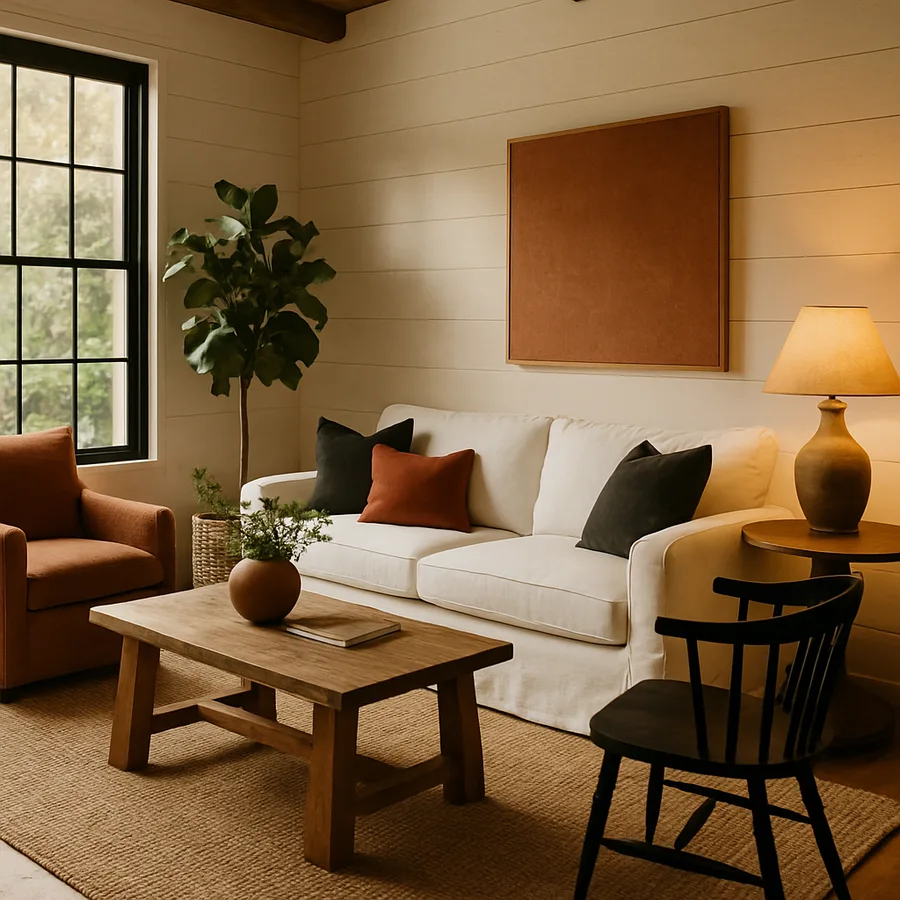
Additionally, understanding current market trends is crucial. Trends like biophilic design, which emphasizes natural materials and indoor-outdoor flow, are gaining popularity for their ability to create calming and sustainable environments. As you explore the upcoming trends, keep in mind how these elements can be tailored to your specific needs and preferences.
Step-by-Step Process
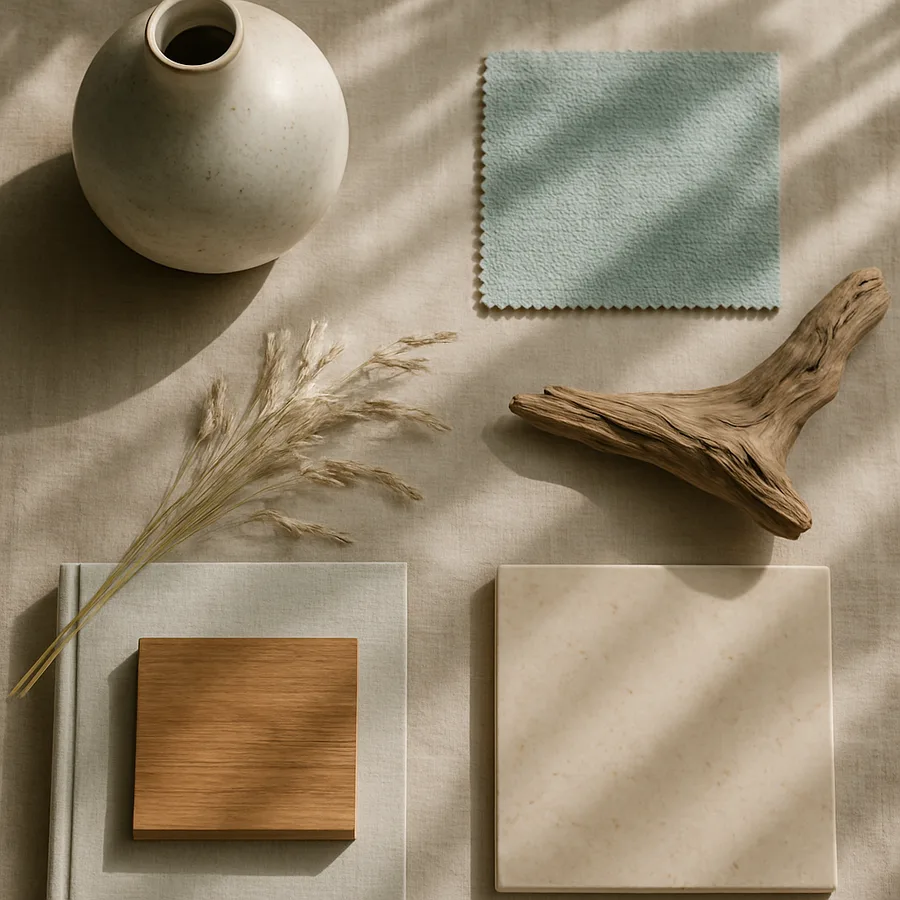
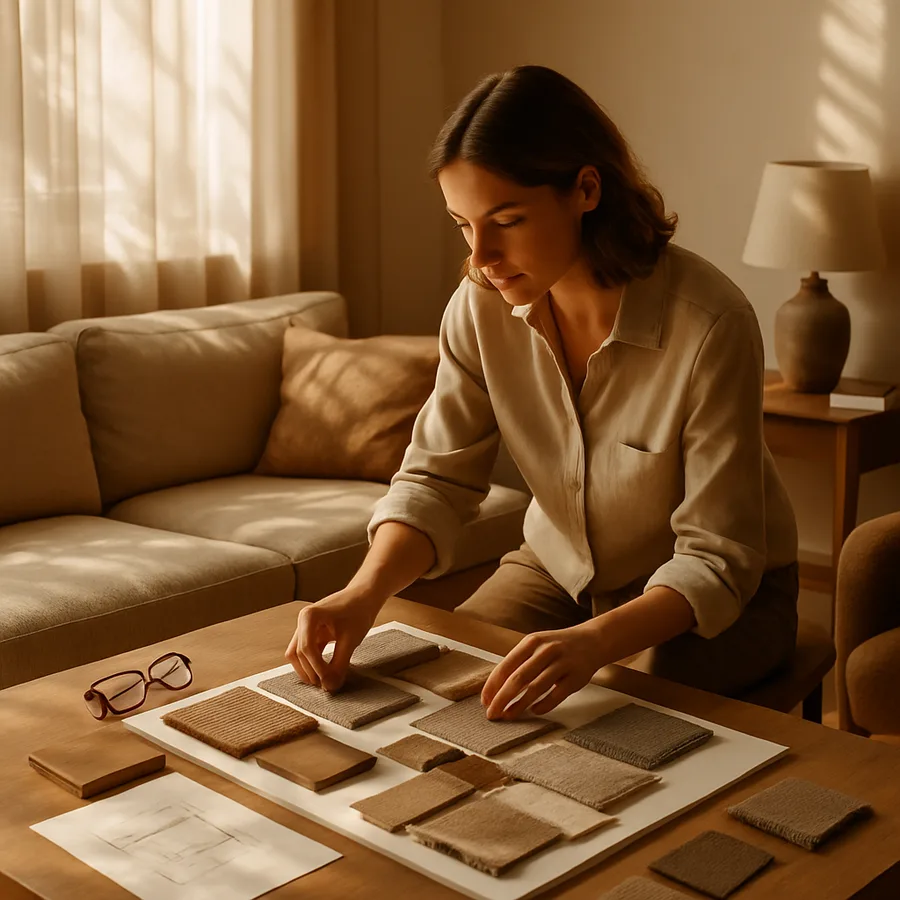
Transforming a space begins with a clear and detailed plan. The first step is concept development, where you and your designer brainstorm ideas that align with your vision and lifestyle. This phase involves mood boards, sketches, and possibly AR/VR room visualization tools, which are becoming increasingly common. These tools allow you to virtually walk through your new space before any physical changes occur.
Next, the design presentation stage offers a more concrete view of your project's potential. Here, you'll review detailed plans and select specific materials, colors, and furnishings. It's crucial to communicate openly with your designer during this phase to ensure that the designs align with your expectations and budget.
The procurement phase follows, where your designer sources the necessary materials and furnishings. This step is where having an experienced professional is invaluable, as they often have access to trade-only resources and can manage logistics efficiently. Finally, installation and styling bring your vision to life. This phase requires careful coordination to achieve the desired aesthetic and functionality.
Common Mistakes to Avoid
While embarking on a design project is exciting, it's easy to fall into common pitfalls. One prevalent mistake is underestimating the importance of scale and proportion. Choosing furniture and decor that are not appropriately sized for your space can lead to a cramped or awkward environment. Experienced professionals often note that a well-proportioned room is key to a harmonious design.
Another common error is neglecting lighting. Proper lighting is crucial for setting the mood and enhancing the functionality of a space. It's important to incorporate a mix of ambient, task, and accent lighting to achieve a balanced and inviting atmosphere. According to industry surveys, incorporating smart lighting solutions can also add a layer of convenience and energy efficiency.
Finally, avoid the temptation to follow fleeting trends without considering their long-term impact. While it's great to draw inspiration from current styles, it's essential to prioritize timeless elements that will endure. This approach not only ensures longevity but also helps maintain the resale value of your property.
Pro Tips from Industry Experts
What sets a standout design apart from the rest? Industry experts emphasize the importance of integrating personal touches into your space. This could mean showcasing a cherished collection, incorporating heirlooms, or using art that speaks to you. Such elements infuse personality and create a connection between the space and its inhabitants.
Another pro tip is to focus on creating cohesive narratives between rooms. A common thread-be it through color, texture, or theme-can unify different areas and contribute to a harmonious flow throughout your home. Renowned designers often recommend starting with a neutral base and layering in complementary colors and textures for depth.
Lastly, don't underestimate the power of textiles. High-quality fabrics can dramatically transform the look and feel of a room. From plush rugs to luxurious drapes, textiles add warmth and sophistication. The International Interior Design Association (IIDA) notes that selecting the right materials can significantly enhance both comfort and style.
Budget and Timeline Considerations
Budgeting is a critical aspect of any design project. It's essential to establish a realistic budget that aligns with your goals. On average, a single-room redesign can range from $5,000 to $15,000, while a full-home project might exceed $50,000 to $150,000. Being clear about your financial limits allows your designer to tailor solutions that fit your needs.
Timing is another vital consideration. The duration of a project can vary widely based on its complexity and scope. From initial consultation to final installation, a typical project might take several months. It's important to plan accordingly and be prepared for potential delays, especially when dealing with custom furnishings or international shipments.
Managing expectations regarding budget and timeline will help ensure a smooth process. Regular communication with your designer is key to addressing any concerns promptly. Remember, investing in quality design is not just about the immediate visual impact but also about creating a space that will stand the test of time.
Real-World Examples and Case Studies
To illustrate the transformative power of thoughtful design, consider the case of a mid-century bungalow revamped by a leading designer. By embracing the Japandi style, which blends Japanese minimalism with Scandinavian warmth, the home achieved a serene and uncluttered aesthetic. This approach not only modernized the space but also increased its value significantly.
Another compelling example involves a downtown loft that integrated biophilic design elements. With living walls and large windows to enhance natural light, the space became an urban oasis. The use of sustainable materials further underscored the homeowner's commitment to eco-friendly living, a trend that continues to gain traction.
A final case study highlights a family home that embraced smart home technology. Automated lighting, climate control, and window treatments not only added convenience but also improved energy efficiency. As a result, the home saw reduced utility costs and an increase in property appeal, proving the practical benefits of embracing modern technology.
Conclusion
Interior design is more than just aesthetics; it's about creating spaces that enhance your quality of life. By staying informed about the latest trends and working with qualified professionals, you can transform your home into a space that truly reflects your personality and meets your needs. Ready to start your design journey? Begin by exploring portfolios on platforms like Houzz-even a short session can provide valuable inspiration and help you define your style.
More Articles You May Like



Comments
Post a Comment