Transform Your Space: Modern Interior Design Trends to Watch This Year
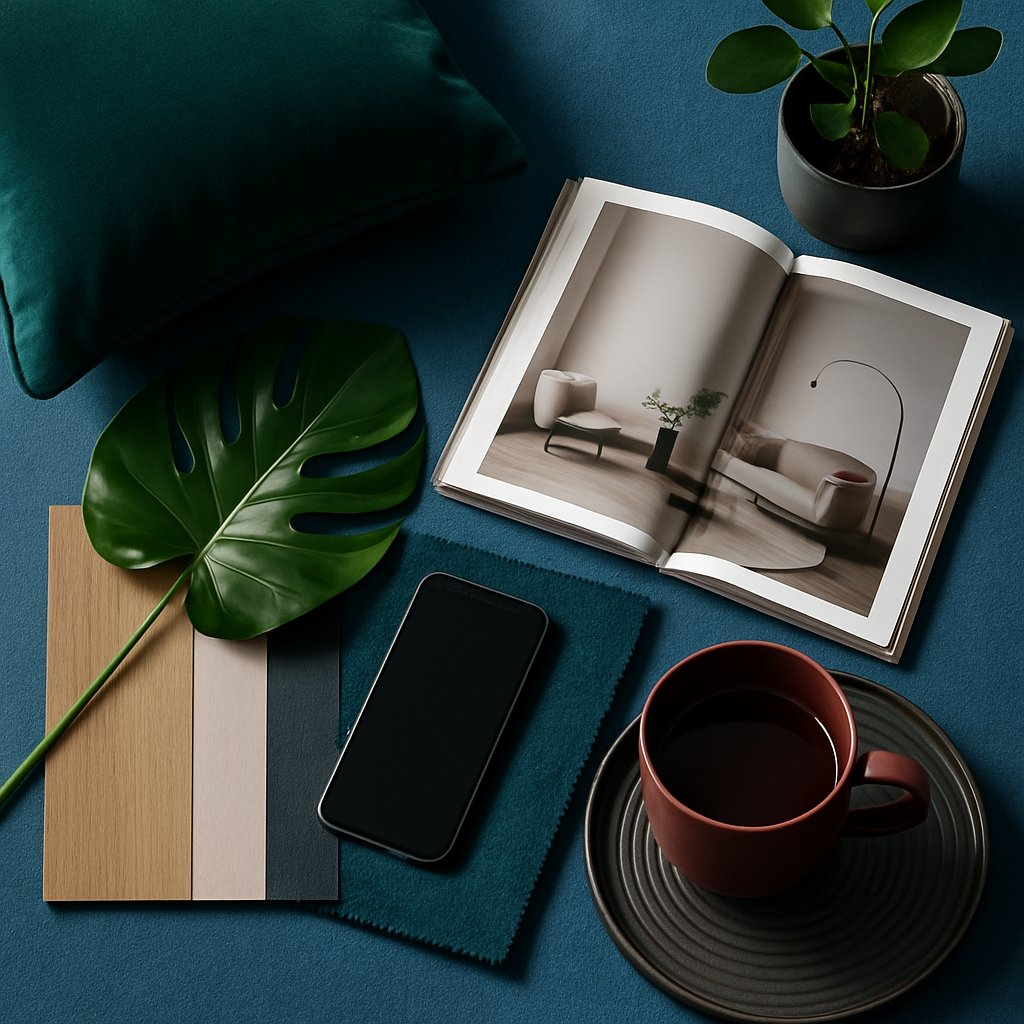
The residential design landscape has shifted dramatically over the past twelve months, driven by a convergence of technology, environmental awareness, and a collective desire for spaces that genuinely support well-being. According to the American Society of Interior Designers (ASID), 78 percent of homeowners who invested in professional redesigns during the past year reported measurable improvements in daily mood and productivity. That statistic alone signals something deeper than a passing aesthetic fad. Homeowners are no longer chasing trends for the sake of novelty; they are seeking design philosophies that align with how they actually live, work, and recover at the end of the day. Whether you occupy a compact studio apartment or a sprawling suburban home, the movements outlined below offer practical, adaptable frameworks that reward both the eye and the spirit. Understanding what drives each trend will help you make informed choices that last well beyond a single season.
Biophilic Design Moves from Niche to Mainstream
Biophilic design principles, once confined to high-end hospitality and corporate wellness campuses, have firmly entered the residential mainstream. The core premise is straightforward: human beings function better when their surroundings reference the natural world through light, vegetation, water features, and organic materials. A 2024 study published by the International Interior Design Association (IIDA) found that rooms incorporating at least three biophilic elements recorded a 31 percent reduction in occupant-reported stress levels compared to conventionally decorated counterparts. The research reinforces what landscape architects have argued for decades and what interior professionals are finally operationalizing at the room level.
Practical application does not demand a greenhouse addition or a living wall that costs thousands to maintain. Start with materiality: reclaimed timber shelving, stone countertops with visible veining, and linen upholstery all anchor a room in texture that synthetic alternatives struggle to replicate. Next, consider daylight management. Replacing heavy drapes with sheer, light-filtering panels instantly changes the character of a space while reducing electricity costs. Finally, introduce plant life scaled to your maintenance tolerance. A single fiddle-leaf fig or a cluster of low-water succulents can activate the biophilic response without demanding a weekend gardening schedule.
Have you noticed how much calmer you feel in a room filled with natural light and greenery versus one dominated by artificial surfaces? That response is not merely psychological preference; it is rooted in measurable physiological changes, including lowered cortisol and stabilized heart rate. Interior designers certified through the National Council for Interior Design Qualification (NCIDQ) are increasingly recommending biophilic audits as a first step before any renovation begins. The cost of these audits typically falls between $300 and $800, a modest investment given the long-term comfort gains they unlock. If you do nothing else this year, consider bringing the outdoors closer to your daily routine.
Japandi Aesthetics Continue to Refine Minimalism
The Japandi movement, a thoughtful fusion of Japanese wabi-sabi philosophy and Scandinavian functionalism, has matured from an Instagram hashtag into a substantive design language with staying power. Both traditions prioritize restraint, craftsmanship, and a deep respect for materials, which explains why their merger feels coherent rather than contrived. Houzz reported that searches for "Japandi living room" increased 124 percent year over year, making it one of the fastest-growing style categories on the platform. What sets Japandi apart from generic minimalism is its warmth: low-profile furniture in pale oak, matte ceramic accessories, and muted earth tones create rooms that feel pared-back yet inviting.
Executing this aesthetic well requires discipline in editing. Every object in a Japandi room should earn its place through function, beauty, or ideally both. Storage becomes a design statement rather than an afterthought; think built-in cabinetry with push-latch doors that eliminate visible hardware. Textiles lean toward natural weaves such as cotton, wool, and jute, often left undyed or treated with plant-based pigments. The palette rarely ventures beyond cream, charcoal, sage, and terracotta, yet within that constrained range, layering different textures prevents monotony. A boucle throw over a linen sofa, for instance, introduces visual interest without adding chromatic noise.
One common concern is whether Japandi spaces feel livable for families with children or pets. The answer is a resounding yes, provided you select performance fabrics and durable finishes from the outset. Crypton-treated upholstery, ceramic tile flooring with radiant heat underneath, and rounded-edge furniture all maintain the aesthetic while surviving the rigors of daily life. Architects and designers affiliated with AD PRO have highlighted several family-friendly Japandi projects that prove restraint and resilience are not mutually exclusive. What aspects of your current space could benefit from a thoughtful edit rather than an addition?
Smart Home Integration Becomes Invisible
The era of the conspicuous smart home gadget, bulky hubs, visible wiring, and mismatched device interfaces, is giving way to a philosophy of embedded intelligence. Designers are collaborating with home automation engineers earlier in the project timeline, ensuring that technology serves the spatial concept rather than competing with it. ASID's 2025 technology outlook noted that 63 percent of design firms now include a technology integration line item in their standard project proposals, up from just 22 percent three years prior. The shift reflects client demand for homes that respond intelligently without requiring a degree in network administration to operate.
Concealed motorized shading systems exemplify this invisible approach. Fabric roller shades tuck into recessed ceiling pockets and respond to light sensors, time-of-day schedules, or voice commands. The result is a window treatment that looks entirely traditional yet performs like a sophisticated energy management tool. Similarly, architectural speakers from brands partnering with IIDA-endorsed design firms disappear behind drywall or integrate into ceiling planes, delivering room-filling sound without a single visible driver cone. Under-cabinet lighting, smart locks with finish options that match existing hardware, and climate zoning that adjusts room by room without thermostat boxes on every wall further illustrate the trend.
Budget remains a legitimate consideration. A fully integrated smart home system for a three-bedroom residence typically ranges from $8,000 to $25,000 depending on the depth of automation, which places it in the same bracket as a mid-range kitchen appliance upgrade. For homeowners who prefer a phased approach, starting with lighting control and a unified voice assistant platform provides the highest return on daily convenience. The technology layer, when executed thoughtfully, does not override the design narrative; it amplifies it. How would your morning routine change if your home anticipated your needs before you reached for a switch?
Quiet Luxury Redefines Material Ambition
Quiet luxury in interior design mirrors the broader cultural movement away from conspicuous branding and toward understated quality. Rather than logo-laden accessories or statement pieces that announce their provenance, the focus shifts to impeccable material execution: hand-stitched leather drawer pulls, book-matched marble slab walls, and custom millwork with tolerances measured in fractions of a millimeter. The National Council for Interior Design Qualification (NCIDQ) has observed increased enrollment in continuing education courses centered on material sourcing and artisan partnerships, signaling that even seasoned professionals recognize the need to deepen their craft vocabulary.
The financial profile of quiet luxury can range widely. At the upper end, a single room designed to this standard may command $10,000 to $15,000, particularly when it involves bespoke joinery or imported stone. However, the philosophy scales downward gracefully. Choosing a solid walnut dining table over a veneered particle-board alternative, selecting hardware in unlacquered brass that develops a patina over time, or investing in a single high-quality area rug rather than layering several inexpensive ones all embody the ethos without requiring a six-figure budget. The distinguishing factor is intentionality: each decision reflects a preference for longevity over disposability.
Designers featured on AD PRO have noted that clients pursuing quiet luxury tend to approach projects with longer timelines and more patience. They are willing to wait twelve weeks for a custom sofa rather than accepting an off-the-shelf compromise, and they view the design process itself as part of the value proposition. This mindset naturally aligns with sustainability goals, since durable goods generate less waste over their lifecycle. If you find yourself drawn to spaces that feel expensive without being able to pinpoint exactly why, you are already sensing the gravitational pull of quiet luxury, and it is a pull worth following.
Color Drenching Replaces the Accent Wall
The single accent wall, a mainstay of residential design advice for nearly two decades, is being supplanted by a more immersive approach known as color drenching. The technique involves applying a single hue across walls, ceiling, trim, and sometimes even doors and built-in furniture, creating a cocoon-like environment that feels both dramatic and surprisingly soothing. Houzz editorial data shows that color-drenched room photos receive 47 percent more saves than traditional accent-wall compositions, suggesting that homeowners are ready for bolder commitments. The favored palette leans toward deep, saturated tones: forest green, midnight blue, warm terracotta, and dusty rose.
Success with color drenching depends on understanding undertones and sheen levels. A matte finish on walls paired with a satin finish on trim using the same color code creates subtle dimensional contrast that prevents the room from feeling flat. Lighting plays an equally critical role; warm-temperature bulbs between 2700K and 3000K enhance depth in darker hues, while cooler temperatures can make the same color appear clinical. Professional designers typically charge between $150 and $500 per hour for color consulting, and the investment often prevents costly repainting when a DIY selection reads differently on the wall than it did on the swatch card.
Is there a room in your home that feels disconnected or visually noisy despite having nice furnishings? Color drenching might be the unifying gesture it needs. By enveloping the architectural shell in a single tone, you allow the furniture, art, and textiles to become the focal points rather than competing with a fragmented backdrop. ASID's residential trend report recommends starting with smaller rooms, such as a powder room, home office, or reading nook, to build confidence with the technique before committing a primary living area. The psychological effect of a well-executed drenched room is remarkable: occupants consistently describe feeling wrapped and held, emotions that traditional white-walled spaces rarely evoke.
Sustainable Sourcing Moves Beyond Marketing Claims
Sustainability in interior design has progressed past the era of vague "eco-friendly" labels and into a phase of verifiable accountability. Third-party certifications such as Cradle to Cradle, Forest Stewardship Council (FSC), and GREENGUARD Gold now appear in product specifications with increasing regularity, giving designers and homeowners a reliable framework for evaluating environmental claims. IIDA's annual sustainability index reported that 41 percent of specifying designers require at least one third-party environmental certification for every material in their projects, a figure that has doubled in three years. The market is responding: manufacturers who once viewed certification as optional overhead now treat it as a competitive necessity.
Reclaimed and upcycled materials occupy a growing share of the specification palette. Reclaimed wood flooring, recycled glass countertops, and tiles manufactured from post-industrial waste all deliver distinctive aesthetics that new materials cannot replicate. Beyond salvaged goods, bio-based materials represent the next frontier. Mycelium-based acoustic panels, hemp-lime plaster, and algae-derived textiles are moving from laboratory prototypes to commercially available products. These innovations align with a broader shift in how designers think about material lifecycles, not just what a product looks like at installation, but where it came from and where it will go when the space is eventually renovated again.
For homeowners navigating this landscape, the most impactful single step is often the simplest: retain and refinish what already exists before purchasing new. Stripping and restaining hardwood floors, reupholstering quality furniture frames, and repainting cabinetry can achieve a transformative result at a fraction of the environmental and financial cost of full replacement. Designers holding NCIDQ certification increasingly advocate for renovation audits that distinguish between elements worth preserving and those that genuinely need replacement. Have you considered what percentage of your planned renovation truly requires new materials versus creative reinterpretation of what you already own? The answer might surprise you, and your budget will thank you for asking the question.
Conclusion
The interior design trends shaping homes this year share a common thread: they prioritize substance over spectacle. Biophilic elements reconnect us with the natural world. Japandi aesthetics prove that less, when executed with care, genuinely delivers more. Smart home technology earns its place by becoming invisible, and quiet luxury reminds us that true quality speaks for itself. Color drenching invites emotional depth into our rooms, while verifiable sustainability practices ensure that our design choices respect the planet as well as our personal standards.
Translating these movements into your own space does not require a complete overhaul or an unlimited budget. Begin with a single room, a single principle, and a willingness to edit rather than accumulate. Consult with a certified designer if you want an expert perspective; professional guidance typically pays for itself through avoided mistakes and more efficient purchasing decisions. The most successful interiors are those that reflect the people who inhabit them, so take what resonates from these trends and leave what does not. Your home should support your life, not perform for an audience. Start with one change this week and let the space tell you what it needs next.



Comments
Post a Comment