Innovative Trends from Interior Design Studios That Will Shape Your Space
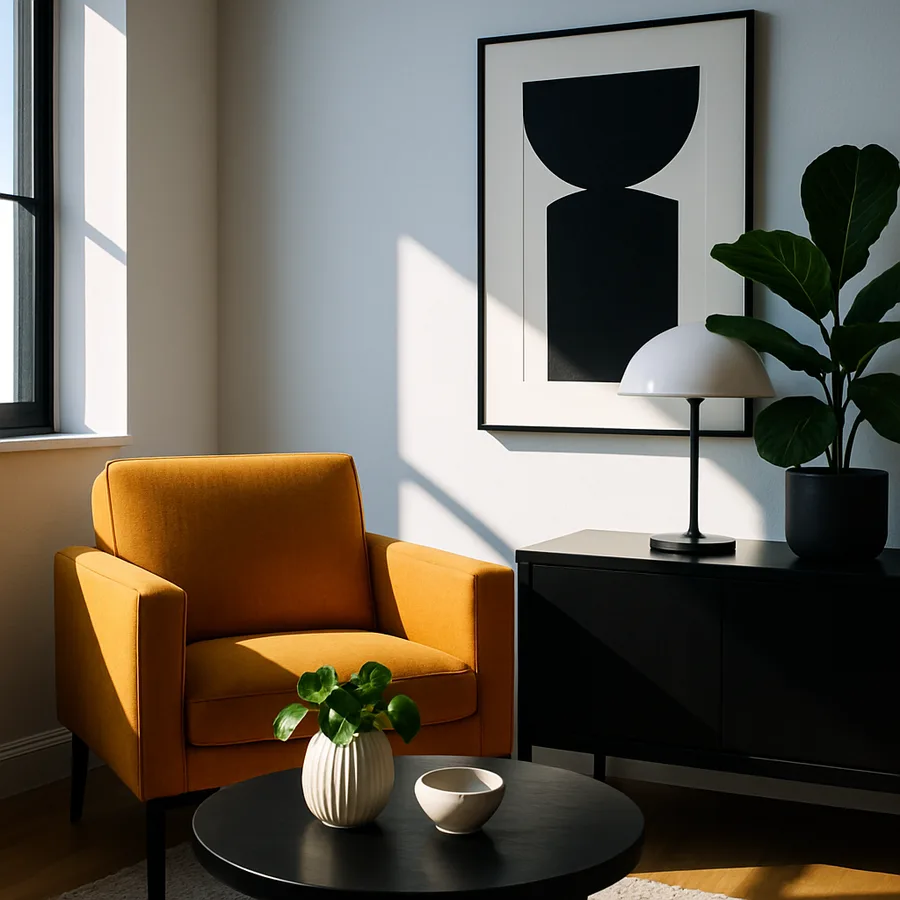
Biophilic Design Moves Beyond Potted Plants
Biophilic design, the practice of incorporating natural elements and patterns into built environments, has matured from a niche interest into a mainstream approach embraced by studios across every project type. What distinguishes the current wave of biophilic design from earlier iterations is its sophistication and depth. Studios are no longer simply placing potted plants on windowsills; they are fundamentally rethinking how nature can be woven into the architecture, materials, spatial organization, and sensory experience of interior spaces. Living walls that span entire rooms, water features that provide ambient sound, and material palettes dominated by stone, wood, and natural fibers are becoming standard elements in forward-thinking residential and commercial projects alike.
The scientific foundation supporting biophilic design has grown substantially, giving studios robust evidence to present when recommending these approaches to clients. Research published by the International WELL Building Institute demonstrates measurable improvements in occupant well-being, including reduced cortisol levels, improved cognitive performance, and faster recovery from mental fatigue, in environments that incorporate natural elements thoughtfully. These findings have been particularly influential in workplace design, where companies like Google, Amazon, and Salesforce have invested heavily in biophilic office environments to attract talent and support employee productivity.
Studios are also exploring biophilic design through the lens of regional identity, drawing on local ecosystems and natural landscapes to create spaces that feel connected to their specific geographic context. A design studio in the Pacific Northwest might emphasize moss, fern, and cedar elements that evoke the surrounding forests, while a firm in the Southwest might incorporate desert stone, warm earth tones, and the play of strong sunlight and deep shadow characteristic of arid landscapes. This regionally responsive approach to biophilic design produces spaces that feel rooted and authentic rather than generically "natural," and it resonates with clients who want their interiors to reflect a sense of place.
Gensler, which operates in dozens of cities worldwide, has integrated biophilic principles into its design framework as a standard practice rather than an optional add-on. Their approach treats biophilia not as a style but as a performance criterion, measurable through post-occupancy surveys and environmental monitoring. This shift from aesthetic preference to evidence-based practice is significant because it moves biophilic design from the category of "nice to have" into the category of "essential to good design." For homeowners, the practical takeaway is that incorporating natural elements into your living spaces is not merely a trend to follow but a well-documented strategy for creating environments that genuinely support your health and happiness.
Flexible and Adaptive Spaces Replace Fixed Rooms
The traditional model of the home as a collection of fixed-purpose rooms, a living room for living, a dining room for dining, a bedroom for sleeping, is giving way to more fluid and adaptive spatial concepts. Studios are responding to the reality that modern life demands spaces capable of serving multiple functions throughout the day and evolving over the years as household needs change. A room that functions as a home office during working hours might transform into a yoga studio in the evening and a guest room on weekends. This flexibility requires thoughtful design solutions that go far beyond simply placing a desk in a spare bedroom.
Movable partitions, sliding walls, and modular furniture systems are the physical tools that studios use to create adaptive spaces. Companies like Resource Furniture have built entire product lines around transforming pieces: wall beds that fold down to reveal a full sleeping surface, dining tables that expand from compact consoles to seats for eight, and desk systems that tuck away completely when not in use. Studios that specify these products are giving clients the functional equivalent of an additional room without the cost or footprint of actual construction. According to data from the National Association of Home Builders, the average size of newly constructed homes has begun to decrease after decades of growth, making spatial efficiency a practical necessity rather than merely an aesthetic choice.
The concept of adaptive space extends beyond individual rooms to encompass the home as a whole. Open floor plans, which dominated residential design for years, are being nuanced with zones that can be opened or enclosed depending on the activity at hand. Pocket doors, curtain tracks mounted in ceilings, and furniture arrangements that create visual boundaries without physical walls all contribute to this flexibility. Are you finding that the way you use your home has changed significantly from how you used it five years ago? If so, you are experiencing precisely the kind of lifestyle evolution that adaptive design is engineered to accommodate.
Studios working in commercial design are pioneering even more radical approaches to spatial flexibility. Activity-based workplaces, where employees choose their setting based on their current task rather than being assigned a fixed desk, require careful zoning, acoustic management, and furniture selection to function well. The International Interior Design Association (IIDA) has documented the rapid adoption of these flexible workplace models, noting that they demand a fundamentally different design approach than traditional office layouts. The lessons learned in commercial flexibility are filtering into residential design, influencing how studios think about the relationship between space, function, and time in every project type.
Smart Materials and Integrated Technology
The materials available to interior designers are undergoing a quiet revolution, with innovations that would have seemed like science fiction a decade ago becoming commercially viable options for real projects. Thermochromic materials that change color in response to temperature, self-healing surfaces that repair minor scratches automatically, and antimicrobial fabrics that inhibit bacterial growth without chemical treatments are all entering the designer's palette. Studios that stay current with material innovation can offer clients solutions that are not only beautiful but functionally superior to conventional alternatives.
Smart glass technology represents one of the most transformative material innovations for interior design. Electrochromic glass can transition from transparent to opaque at the touch of a button or through automated sensors, providing instant privacy without curtains or blinds. This technology is particularly valuable in open-plan spaces where visual privacy is sometimes needed but permanent walls would compromise the sense of openness. Conference rooms with smart glass walls can shift from transparent to private mode for confidential meetings, and residential bathrooms can feature windows that offer daylight and views when desired and complete privacy when needed.
Integrated technology is becoming less visible and more intuitive, a trend that studios welcome because it allows technology to enhance comfort without dominating the visual environment. Wireless charging surfaces embedded in countertops and tabletops eliminate the clutter of charging cables. Speakers hidden within walls or ceilings provide high-quality audio without the visual presence of speaker hardware. Lighting systems that automatically adjust color temperature throughout the day, mimicking the progression of natural daylight, support circadian rhythms without requiring any conscious intervention from occupants. The American Society of Interior Designers (ASID) has noted that the most successful technology integration is invisible technology: systems that improve the experience of a space without announcing their presence.
Sustainability is driving material innovation as forcefully as technology. Recycled and upcycled materials have moved far beyond their early reputation for looking rough or compromised. Companies like Caesarstone and IceStone produce stunning countertop surfaces from recycled materials that rival or exceed the beauty of natural stone. Recycled glass tiles, reclaimed wood flooring, and textiles made from recovered ocean plastic are all achieving quality levels that allow studios to specify them for the most demanding projects without any aesthetic compromise. This convergence of sustainability and beauty means that environmentally responsible material choices no longer require clients to accept visual trade-offs.
Wellness-Centered Design Becomes Standard Practice
The concept of wellness-centered design has expanded well beyond its origins in spa-like bathrooms and meditation rooms to encompass a holistic approach to how interior environments affect physical health, mental well-being, and emotional resilience. Studios are increasingly designing entire homes and workplaces as wellness systems, where lighting, air quality, acoustics, thermal comfort, and spatial organization work together to support occupant health. The International WELL Building Institute has formalized this approach through the WELL Building Standard, which provides measurable criteria for indoor environmental quality, and a growing number of studios are pursuing WELL certification for their projects.
Air quality has become a central concern in wellness-oriented design, driven by research showing that indoor air can be significantly more polluted than outdoor air due to off-gassing from building materials, furnishings, and household products. Studios are responding by specifying low-VOC paints and finishes, formaldehyde-free cabinetry and engineered wood products, and mechanical ventilation systems that ensure adequate fresh air exchange. Material selection has become a health decision as much as an aesthetic one, and the most conscientious studios evaluate every specified product not only for its visual and functional qualities but also for its impact on indoor air quality.
Acoustic design, long neglected in residential interiors, is receiving overdue attention from innovative studios. The proliferation of hard surfaces in contemporary design, including concrete floors, large windows, and minimal soft furnishings, has created acoustically harsh environments that contribute to stress and fatigue. Studios are addressing this through strategic placement of sound-absorbing materials: acoustic panels that double as artwork, textured ceiling treatments that reduce reverberation, and area rugs that absorb sound while defining spatial zones. The result is spaces that feel calm and comfortable rather than echoey and harsh, even when they maintain the clean, open aesthetic that many clients prefer.
How much thought have you given to the acoustic quality of your own home? Most people adapt unconsciously to noisy environments without realizing the toll that constant background noise or harsh reverberation takes on their comfort and concentration. A consultation with an acoustically aware designer can reveal simple interventions, such as adding a large upholstered headboard, hanging heavy curtains, or installing a bookshelf filled with books along a noisy wall, that dramatically improve the sonic quality of a room. These changes are often invisible in terms of visual design but transformative in terms of how the space feels to inhabit.
Artisanal Craftsmanship Meets Contemporary Design
In a market saturated with mass-produced furnishings and finishes, studios are leading a resurgence of interest in artisanal craftsmanship as a means of creating spaces with genuine character and uniqueness. Handmade tiles, custom metalwork, bespoke furniture, and hand-plastered walls bring a human quality to interiors that factory-produced alternatives simply cannot replicate. The slight irregularities inherent in handmade objects, a variation in glaze depth, a subtle tool mark in carved wood, the organic undulations of hand-troweled plaster, create surfaces and forms that feel alive and personal in a way that machine-perfect finishes do not.
This trend is not about nostalgia or rejecting modernity; it is about integrating traditional craft skills into contemporary design contexts. A clean-lined, minimalist kitchen becomes warmer and more distinctive when its backsplash features hand-glazed tiles from a local ceramicist. A modern living room gains depth and narrative when it includes a coffee table crafted by a woodworker from a single slab of locally sourced walnut. Studios like Roman and Williams in New York have built their entire aesthetic identity around this synthesis of craftsmanship and contemporary design, demonstrating that artisanal elements and modern sensibility are not only compatible but mutually enriching.
The Houzz platform has documented growing consumer interest in artisanal and locally sourced furnishings, with searches for handmade and custom items increasing year over year. This demand is creating economic opportunities for skilled artisans and small manufacturers while giving designers access to a broader range of unique materials and products than the standard trade showroom offerings provide. Studios that cultivate relationships with craftspeople can offer their clients truly one-of-a-kind elements that personalize a space in ways that no mass-market product can achieve.
Supporting artisanal production also aligns with sustainability values that matter to an increasing number of design clients. Handmade products are typically produced in smaller quantities, with less waste, using traditional techniques that have lower environmental impact than industrial manufacturing. When materials are sourced locally, transportation emissions are minimized as well. This convergence of aesthetic distinctiveness, personal meaning, and environmental responsibility makes artisanal craftsmanship one of the most compelling trends in contemporary interior design, and one that is likely to endure well beyond the typical trend cycle because it addresses fundamental human desires for authenticity and connection.
Color and Pattern Trends Moving Toward Boldness
After years dominated by neutral palettes and the ubiquitous "greige" that became shorthand for safe, saleable design, studios are embracing bolder, more expressive approaches to color and pattern. Rich jewel tones, saturated earth colors, and unexpected color combinations are appearing in the work of leading studios, reflecting a broader cultural shift toward personal expression and away from the homogenized aesthetic that characterized much of the previous decade's design output. This does not mean that restraint and subtlety have disappeared; rather, the definition of sophistication is expanding to include confident color use alongside the quieter palettes that remain appropriate for many projects.
Pattern is experiencing a parallel resurgence, with designers layering multiple patterns within a single room in ways that would have been considered maximalist or chaotic just a few years ago. The key to successful pattern mixing, as practiced by studios like Kit Kemp's Firmdale Hotels design team, lies in maintaining a cohesive color thread that ties diverse patterns together. A room might combine a large-scale floral on upholstered chairs, a geometric on throw pillows, and a stripe on curtains, all united by a shared palette of three or four related colors. This layered approach creates visual richness and energy that single-pattern or pattern-free rooms cannot match.
Wallpaper, which experienced a period of decline as painted walls dominated, has returned with remarkable vigor. Contemporary wallpapers range from digitally printed murals that transform entire walls into artistic statements to subtle textured papers that add depth without overt pattern. The quality and variety of available wallpapers have expanded dramatically, with options spanning every aesthetic from botanical to geometric to abstract. Studios are using wallpaper not only on walls but also on ceilings, inside closets, and as accent elements in unexpected locations, treating it as a versatile design tool rather than a conventional wall covering.
For homeowners who are drawn to bold color and pattern but uncertain about committing to large-scale applications, studios recommend starting with contained experiments. A powder room, which is small and not a space where you spend extended time, is an ideal laboratory for adventurous color or pattern choices. An accent wall in a bedroom, a vividly patterned rug in an otherwise neutral living room, or bold tiles in a laundry room all provide opportunities to explore expressive design without the risk of overwhelming a primary living space. These smaller experiments often build the confidence to incorporate bolder choices throughout the home over time.
Conclusion: Designing With Awareness and Intention
The trends emerging from leading interior design studios share a common thread: they all move toward greater intentionality in how spaces are conceived, constructed, and experienced. Whether through biophilic elements that connect occupants to nature, flexible layouts that adapt to changing needs, smart materials that improve comfort invisibly, wellness-centered approaches that prioritize health, artisanal craftsmanship that provides authenticity, or bold color choices that express personality, the direction of the profession is toward spaces that work harder and mean more than ever before.
These trends are not mutually exclusive, and the most innovative studios combine multiple approaches within single projects. A home might feature biophilic living walls alongside smart glass technology, artisanal tile work within a flexible open-plan layout, and bold color applied with wellness principles in mind. The skill of the designer lies in synthesizing these diverse influences into a coherent, unified environment that feels not like a collection of trends but like a space that has been designed thoughtfully for the specific people who will inhabit it.
What makes these trends particularly noteworthy is that they are driven by substance rather than surface. Unlike purely aesthetic trends that cycle predictably through popularity and obsolescence, the innovations described here respond to real human needs: for connection with nature, for spatial adaptability, for health-supporting environments, for authentic materials, and for personal expression. Spaces designed with these principles in mind will continue to feel relevant and satisfying long after the specific products and palettes of any given season have evolved, because they are grounded in enduring values rather than fleeting fashions.
Explore one of these trends in your own space this month. Whether you introduce a significant plant installation, experiment with a bold accent color, or research smart home technologies that could improve your daily comfort, taking a single step toward more intentional design will inspire the next one.
More Articles You May Like



Comments
Post a Comment