10 Stunning House Interior Design Trends to Elevate Your Space
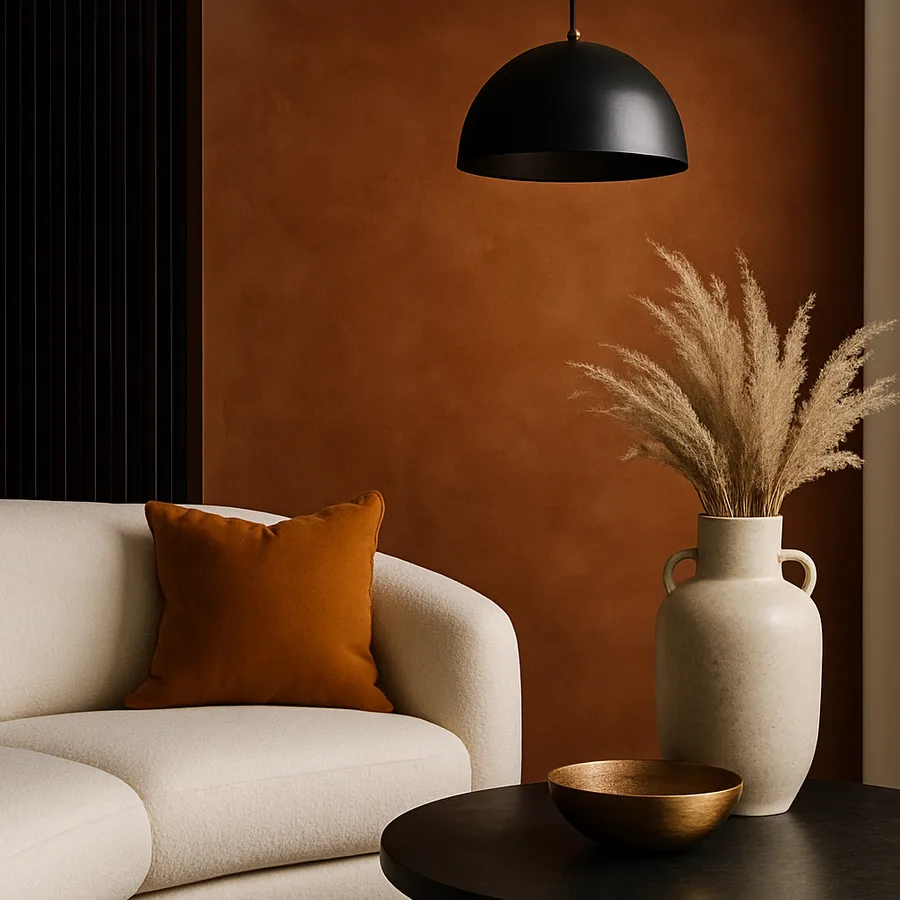
Interior design trends reflect the evolving relationship between people and the spaces they inhabit, capturing shifts in taste, technology, cultural values, and the fundamental understanding of what makes a home feel both beautiful and functional. The current landscape of house interior design is remarkably rich, offering a diverse array of directions that range from the dramatically bold to the quietly sophisticated, each providing distinct pathways for homeowners seeking to elevate their living environments. The American Society of Interior Designers (ASID) has observed that contemporary homeowners approach design with greater confidence and intentionality than previous generations, drawing inspiration from global sources while maintaining a strong sense of personal identity in their spaces. The ten trends explored in this guide represent the most compelling directions in house interior design, each offering practical, actionable ideas for transforming your home into a space that inspires and delights.
What makes these trends particularly valuable is their versatility -- they can be implemented at various scales, from a comprehensive whole-house renovation to subtle updates in a single room, and they harmonize effectively with a range of existing design styles. The International Interior Design Association (IIDA) emphasizes that the most successful trend adoption occurs when homeowners select directions that align with their genuine aesthetic preferences and lifestyle needs rather than adopting changes purely for novelty. As you explore these ten trends, consider which ones resonate with your vision for your home, and imagine how they might be adapted to your specific spaces, budget, and design sensibility. The goal is not to implement every trend simultaneously but to identify those that address real opportunities for improvement in your living environment and pursue them with commitment and care.
Statement Ceilings That Command Attention
The ceiling, long dismissed as the "forgotten fifth wall," has emerged as one of the most exciting canvases for creative expression in contemporary house interior design. Designers and homeowners are looking upward with fresh eyes, recognizing that the ceiling presents an enormous surface area that, when treated with intention, can dramatically transform a room's character and perceived proportions. Painted ceilings in bold or unexpected colors, exposed beam structures that add architectural character, wood planking that introduces warmth and texture, decorative molding that creates geometric patterns, and wallpapered ceilings that extend the room's design narrative overhead all represent variations of this trend. Houzz reports that projects incorporating statement ceiling treatments receive significantly higher engagement than those featuring conventional flat white ceilings, suggesting that this design element resonates strongly with homeowners seeking distinctive, memorable interiors.
The impact of a statement ceiling extends beyond pure aesthetics to influence how a room's proportions and atmosphere are perceived. A dark-painted ceiling in a room with light walls creates a cocooning, intimate effect that can make an otherwise ordinary space feel luxuriously enveloping. Conversely, a ceiling painted in a lighter tone than the walls draws the eye upward and creates a sense of expanded height, making the room feel more spacious and airy. Wood-paneled or beamed ceilings introduce architectural warmth and natural texture that ground the space and establish a design direction that the rest of the room's elements can follow. The National Council for Interior Design Qualification (NCIDQ) recognizes ceiling treatment as an integral aspect of spatial design, noting that the ceiling plane significantly influences acoustic properties, light distribution, and the overall sensory experience of a room.
Implementing a statement ceiling need not involve structural modification or professional installation -- many impactful ceiling treatments are accessible to confident homeowners willing to invest time and effort. Painting the ceiling a color, whether a subtle departure from the wall color or a dramatically contrasting hue, requires only standard painting supplies and technique. Peel-and-stick wood planks designed specifically for ceiling application offer the warmth and character of wood without the complexity of traditional installation. Lightweight decorative beams that mount directly to existing surfaces create the illusion of structural timber framing without actual structural modification. Have you considered what your rooms might feel like if the ceiling contributed as actively to the design narrative as the walls, floor, and furnishings? Even the simple act of painting a ceiling a warm white with a different undertone than the walls can subtly shift the room's atmosphere in ways that surprise and delight.
Warm Earth Tones Replacing Cool Neutrals
The color palette of contemporary house interior design has undergone a significant warming shift, moving away from the cool grays, stark whites, and blue-undertone neutrals that dominated the previous decade toward a richer, more grounded spectrum of earth tones. Terracotta, ochre, warm sand, olive green, deep clay, caramel, and rich chocolate browns are appearing on walls, furnishings, and accessories, creating interiors that feel connected to the natural world and emotionally nurturing. ASID color forecasters attribute this shift to a broader cultural desire for warmth, comfort, and groundedness in the home environment, a response to the perceived coldness and detachment that cool-toned interiors can convey. Earth-tone palettes work exceptionally well with natural materials -- wood, stone, leather, linen -- creating cohesive environments where colors and materials appear to belong together organically rather than being artificially assembled.
The transition from cool to warm neutrals has implications for every element of interior design, from paint selection and textile choices to flooring materials and lighting specifications. Warm-toned lighting in the 2700-3000 Kelvin range complements earth-tone palettes beautifully, while cooler lighting temperatures can make the same colors appear muddy or dull. Flooring materials in warm wood tones, terracotta tile, or warm-toned natural stone establish the foundation for earth-tone interiors, with cooler-toned floors such as gray-washed wood or blue-veined marble working against the palette's essential warmth. Textiles in organic fibers -- linen, wool, cotton, jute -- naturally present in warm earth tones, reinforcing the connection between color choice and material authenticity. The IIDA notes that earth-tone palettes tend to age more gracefully than trend-driven color schemes, as their connection to permanent natural references gives them a timeless quality that resists the dating effect that afflicts more fashion-forward color choices.
Implementing an earth-tone palette does not require painting every wall in terracotta or furnishing exclusively in brown -- the approach is most effective when it establishes a warm foundation through major elements and introduces depth through tonal variation and accent colors drawn from the natural spectrum. A warm white wall (with yellow, pink, or peach undertone rather than blue or gray) provides a light, neutral foundation that reads as warm without feeling dark. Furniture upholstery in camel, cognac, olive, or rust introduces saturated earth tones at a scale that anchors the room without overwhelming it. Decorative accents in deeper, richer tones -- a burgundy throw pillow, a forest green vase, a charcoal sculpture -- add depth and drama within the overall warm framework. The result is a layered, nuanced palette that feels both contemporary and timeless, warm without being heavy, and grounded without being monotonous.
Mixed Metals and Artisanal Hardware
The era of matching all metal finishes throughout a space has given way to a more relaxed, eclectic approach that embraces the deliberate mixing of metals as a design strategy for creating visual interest and depth. Brushed brass light fixtures alongside matte black cabinet hardware, polished nickel faucets complemented by antique bronze mirror frames, and warm copper accents juxtaposed with cool stainless steel appliances -- these combinations create a collected, layered aesthetic that feels more authentic and less formulaic than single-metal schemes. The key to successful metal mixing lies in establishing a dominant metal that appears most frequently, supported by one or two secondary metals that provide contrast and accent. Houzz design professionals recommend limiting a room to three metal finishes maximum, with the dominant metal comprising approximately 60-70% of the metal presence to maintain coherence while allowing for creative interplay.
Artisanal and hand-finished metal hardware has emerged as a particularly compelling subset of this trend, with homeowners seeking out cabinet pulls, door handles, towel bars, and decorative hooks that show evidence of human craftsmanship rather than machine uniformity. Hand-forged iron hardware with visible hammer marks, cast bronze pulls with organic textures, and hand-patinated brass fixtures that display the warm, irregular coloring of natural aging all contribute to interiors that feel more personal and characterful than those equipped with mass-produced alternatives. The NCIDQ acknowledges hardware selection as a significant design detail that contributes to the tactile experience of a space -- these are the elements that occupants physically touch dozens of times daily, making their form, finish, and quality matter in ways that transcend pure visual aesthetics.
The investment in quality hardware delivers disproportionate design impact relative to its cost, making it one of the most efficient upgrades available to homeowners seeking to elevate their interiors without major renovation. Replacing standard builder-grade cabinet pulls with artisanal alternatives can transform a kitchen or bathroom's character overnight, shifting it from generic to distinctive with minimal disruption. Similarly, upgrading light fixtures from basic designs to sculptural, mixed-metal pieces introduces the layered metal aesthetic at the room scale, creating focal points that draw the eye and establish the design direction. What would your kitchen, bathroom, or entryway feel like if the hardware and fixtures you touch and see daily were objects of genuine beauty and craftsmanship rather than anonymous functional components? This question captures the essence of the artisanal hardware trend -- the elevation of overlooked details into design opportunities.
Grandmillennial Style and Heritage Revival
The grandmillennial movement represents a fascinating cultural counter-current in interior design, with younger homeowners embracing design elements traditionally associated with their grandparents' homes -- chintz fabrics, needlepoint pillows, antique furniture, wallpaper in botanical and toile patterns, skirted tables, and collections of decorative porcelain. Far from nostalgic imitation, this trend reflects a sophisticated appreciation for craftsmanship, pattern, and decorative richness that responds to the perceived austerity of minimalist design. ASID has documented this generational shift extensively, noting that it represents not a rejection of modern design principles but an expansion of the design vocabulary to include elements that had been dismissed as unfashionable. The result is interiors that feel layered, personal, and warmly eclectic, combining heritage elements with contemporary pieces in ways that transcend period-specific decoration.
The appeal of grandmillennial style lies partly in its sustainability credentials, as it prioritizes inherited, vintage, and antique furnishings that require no new manufacturing and carry the accumulated character of previous lives. A grandmother's dining table surrounded by contemporary chairs, vintage botanical prints framed in modern metallic profiles, and antique lamps rewired and fitted with updated shades -- these combinations honor the past while maintaining a fresh, current sensibility. The trend also celebrates textile arts and decorative crafts that had been marginalized by minimalist aesthetics, including embroidery, needlepoint, quilting, and hand-painted ceramics, recognizing these as legitimate art forms worthy of prominent display in sophisticated interiors. How many family heirlooms or inherited pieces do you own that could be incorporated into your current living spaces, bridging generations through design and adding irreplaceable personal history to your home?
Implementing grandmillennial elements successfully requires a balancing act between heritage charm and contemporary relevance, avoiding the pitfall of creating spaces that feel frozen in a past era rather than dynamically engaging with tradition. The most effective approach pairs ornate or traditional elements with clean-lined, modern counterparts that provide visual relief and contemporary context. A boldly patterned wallpaper in a room with simple, modern furniture allows the pattern to shine without overwhelming the space. An antique wooden desk paired with a contemporary task chair combines heritage character with ergonomic modernity. Floral fabrics mixed with solid-colored textiles in a coordinated palette create pattern interest without visual chaos. The grandmillennial approach works best when it feels like a deliberate curatorial choice rather than a default acceptance of inherited furnishings, with each heritage element selected and placed with the same intentionality that modern design applies to every decision.
Sculptural and Oversized Lighting Fixtures
Lighting fixtures have transcended their functional role to become the statement jewelry of contemporary house interiors, with sculptural, oversized pieces commanding attention as primary design elements that define a room's character and set its aesthetic tone. Grand pendant lights that descend dramatically over dining tables, clusters of artisan-blown glass fixtures that create ethereal constellations in entryways, and floor lamps with bold geometric or organic forms that function as freestanding sculptures all reflect the elevation of lighting from utility to art. The IIDA has identified lighting design as one of the fastest-evolving areas of interior practice, with manufacturers, artisans, and designers pushing the boundaries of material, form, and technology to create fixtures that captivate whether illuminated or not.
Scale plays a critical role in the impact of sculptural lighting, with the current trend favoring fixtures that are proportionally larger than traditional guidelines would suggest -- creating a deliberate tension between the fixture's commanding presence and the room's containing architecture. An oversized pendant light in a modestly scaled dining room creates a sense of luxury and drama that a proportionally "correct" fixture could never achieve, provided the ceiling height can accommodate the fixture without crowding. The material palette for sculptural lighting has expanded dramatically, with contemporary fixtures incorporating handblown glass, woven rattan, hammered metal, turned wood, fabric, paper, and ceramic in combinations that would have seemed inconceivable a generation ago. According to ASID, lighting fixture selection has become one of the top three budget priorities for homeowners undertaking interior updates, reflecting the widespread recognition that the right fixture can transform a room more completely than almost any other single design change.
Selecting sculptural lighting requires consideration of both the fixture's aesthetic impact and its functional performance, as even the most beautiful fixture fails if it does not provide adequate and appropriate illumination for the space it serves. Evaluate the fixture's light output, color temperature, and distribution pattern to ensure it meets the room's functional needs, supplementing with additional light sources if the statement fixture alone cannot provide adequate illumination. Dimming capability is essential for sculptural lighting, allowing the fixture to operate at full brightness when task illumination is needed and at a reduced, atmospheric level when the fixture's sculptural presence is more important than its light output. Consider how the fixture interacts with the room's other design elements, ensuring that its style, material, and finish complement rather than compete with the furnishings, art, and architectural features that share the space. A sculptural light fixture should feel like the culmination of the room's design narrative, the element that ties everything together and elevates the whole above the sum of its parts.
Wellness-Centered Design and Sensory Spaces
The integration of wellness principles into house interior design reflects a growing understanding that the built environment profoundly influences physical health, mental well-being, and emotional equilibrium. This trend extends far beyond the creation of dedicated meditation rooms or home gyms to encompass a holistic approach to design that considers air quality, acoustics, lighting quality, material toxicity, and sensory experience throughout the home. The NCIDQ has incorporated wellness design competencies into its certification framework, recognizing that designers bear professional responsibility for creating environments that support rather than undermine occupant health. Research published through ASID initiatives demonstrates that well-designed interiors can reduce stress hormones by up to 25% and improve sleep quality by 15%, figures that underscore the tangible health implications of design decisions that might otherwise be considered purely aesthetic.
Sensory design, an emerging subset of wellness-centered practice, approaches interior spaces as multisensory environments that engage sight, sound, touch, smell, and even taste in creating holistic experiences. Acoustic design, often neglected in residential interiors, addresses the sound environment through strategic material selection -- soft furnishings that absorb sound, acoustic panels that reduce echo, and spatial arrangements that minimize noise transfer between functional zones. Aromatherapy integration through essential oil diffusers, naturally scented materials like cedar and lavender sachets, and fresh flowers and herbs introduces intentional scent into the home environment. Tactile variety, as discussed in the texture trend, engages the sense of touch through diverse materials that reward physical interaction. Circadian lighting systems that adjust color temperature throughout the day from cool, energizing morning light to warm, calming evening tones support natural sleep-wake cycles and hormone regulation.
Implementing wellness-centered design begins with an honest assessment of how your current home environment affects your physical and emotional state. Do you sleep well? Do you feel energized during the day and calm in the evening? Are there rooms that consistently feel uncomfortable, regardless of temperature or visual appearance? These questions can reveal environmental factors -- poor air quality, excessive noise, inadequate lighting, or the presence of toxic materials -- that may be affecting your well-being in ways you have not consciously identified. Address the most impactful factors first: ensure adequate ventilation, replace toxic cleaning products and air fresheners with natural alternatives, optimize lighting for circadian rhythm support, and introduce living plants for air purification and biophilic benefit. These foundational improvements create the healthy environmental baseline upon which more refined sensory design can be built, resulting in a home that actively supports your well-being rather than passively housing your activities.
Conclusion: Curating Trends That Reflect Your Life
The ten trends explored in this guide -- from statement ceilings and earth-tone palettes to wellness-centered design and artisanal hardware -- collectively represent the richest, most diverse, and most personally empowering moment in the history of house interior design. Never before have homeowners had access to such a wide array of materials, technologies, design philosophies, and expert guidance for creating living environments that genuinely reflect and support their individual lives. The IIDA encourages homeowners to approach trends not as mandates to follow but as invitations to explore, selecting the directions that resonate most authentically with their personal aesthetic, lifestyle needs, and emotional aspirations for their home environment.
The most elevated interiors are not those that implement every current trend but those that thoughtfully integrate selected trends into a cohesive, personal design vision that evolves organically over time. Begin by identifying the two or three trends from this guide that most directly address opportunities in your current living environment -- perhaps your space lacks textural depth, or your lighting fails to create the atmosphere you desire, or your color palette feels dated and emotionally flat. Focus your energy and resources on implementing those changes with care and commitment, allowing each improvement to inform and inspire the next. Your home is a living project, never truly finished but always becoming more fully an expression of who you are and how you want to live. Take the first step today by choosing one trend, one room, and one specific action that will begin the process of elevating your space from ordinary to extraordinary.
More Articles You May Like



Comments
Post a Comment