Top 5 Interior Design Apps That Will Elevate Your Home Aesthetics
Why Interior Design Apps Have Become Essential Tools for Homeowners
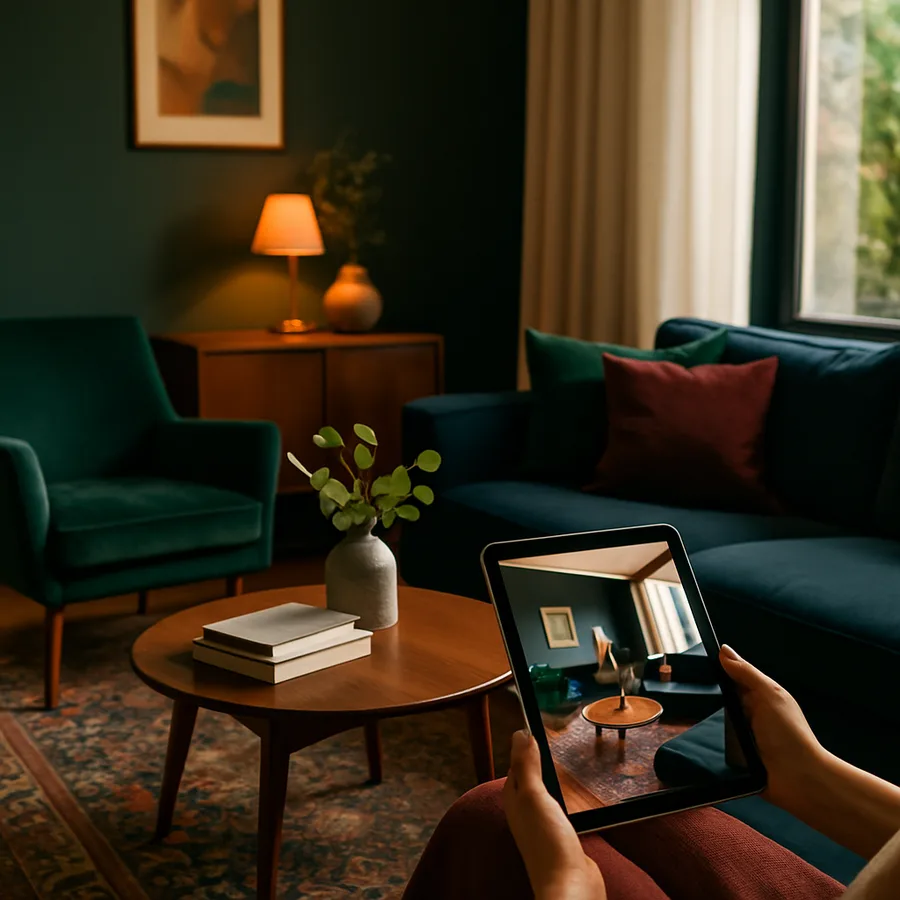
The way homeowners approach decorating and renovating their living spaces has shifted dramatically over the past decade. Where once you might have flipped through magazines or hired a consultant for even the smallest changes, interior design apps now put powerful visualization and planning tools directly into your hands. These applications bridge the gap between professional-grade design software and the intuitive simplicity that everyday users need. The result is a democratization of design that has empowered millions of people to take control of their spaces.
According to the American Society of Interior Designers (ASID), nearly 70% of homeowners who undertook renovation projects in recent surveys reported using at least one digital tool during their planning process. This statistic underscores just how deeply technology has integrated itself into the home improvement journey. Whether you are rearranging furniture in a studio apartment or planning a full kitchen remodel, having a digital assistant can save both time and money.
The appeal of these apps goes beyond mere convenience. They allow you to experiment with color palettes, test furniture arrangements, and even simulate lighting conditions before committing to a single purchase. Have you ever bought a sofa only to realize it completely overwhelms your living room? Design apps help prevent exactly that kind of costly mistake. They provide a sandbox where creativity can flourish without financial risk.
What makes the current generation of design apps particularly impressive is their use of augmented reality (AR) and artificial intelligence. These technologies allow you to point your phone camera at an empty room and see fully rendered furniture in place, scaled accurately to your actual space. The sophistication of these tools continues to grow, making professional-quality results accessible to anyone with a smartphone.
Houzz: The All-in-One Platform for Inspiration and Execution
Houzz has established itself as one of the most comprehensive platforms in the interior design space, combining a massive photo library with a marketplace and professional directory. With over 25 million high-resolution photos of designed interiors, the app serves as an endless wellspring of inspiration for every room in your home. You can browse by style, room type, color, or even specific products, making it remarkably easy to find exactly the look you are after. The platform has won multiple Webby Awards for its design and functionality.
Beyond inspiration, Houzz integrates a shopping experience that lets you purchase the exact items you see in photos or find similar alternatives within your budget. The "View in My Room" AR feature allows you to place furniture and decor items virtually in your own space using your phone's camera. This practical functionality transforms browsing from a passive activity into an active planning session. The seamlessness between discovering a piece and seeing how it fits in your home is what sets Houzz apart from simpler apps.
The professional directory within Houzz connects homeowners with local interior designers, architects, and contractors. User reviews and portfolio photos help you evaluate potential hires before making contact. This feature is particularly valuable for larger projects where professional guidance is necessary but finding the right expert can feel overwhelming. The platform essentially functions as a one-stop shop for the entire design and renovation journey.
Houzz also offers collaborative features that let you share idea boards with family members, partners, or your hired designer. This social dimension means everyone involved in a project can stay aligned on the vision without endless text message threads or email chains. The ability to annotate photos and leave comments on specific items creates a structured communication channel that keeps projects moving forward efficiently.
Planner 5D: Turning Floor Plans into Photorealistic Renderings
Planner 5D stands out for its ability to let users create detailed floor plans and then transform them into stunning three-dimensional renderings. The app starts with a simple drag-and-drop interface for building room layouts, where you can specify exact dimensions down to the centimeter. From there, you populate the space with furniture, fixtures, and finishes from an extensive catalog. The transition from a flat blueprint to a walkable 3D environment happens with a single tap.
What makes Planner 5D particularly powerful is its photorealistic rendering engine. Once you have arranged your room, you can generate images that look remarkably close to professional architectural photography. This capability was once exclusive to expensive software like V-Ray or Lumion, used by trained professionals. Now, a homeowner with no technical background can produce visuals that communicate their vision clearly to contractors, family members, or anyone else involved in the project.
The app supports entire home projects, not just individual rooms. You can design multi-story floor plans, outdoor spaces, and even landscaping elements within the same project file. This holistic approach is especially useful for new construction or major renovations where decisions in one area affect the entire property. Being able to see the full picture helps prevent the disjointed feeling that sometimes results from designing rooms in isolation.
The International Interior Design Association (IIDA) has noted the growing role of visualization tools in bridging communication gaps between clients and designers. Planner 5D embodies this trend by giving everyone a common visual language. When you can show someone exactly what you mean rather than trying to describe it in words, misunderstandings shrink and satisfaction with the final result improves dramatically.
Havenly: Personalized Design with a Human Touch
Havenly takes a different approach from purely self-service apps by pairing users with real interior designers who work with you through the app's interface. After completing a style quiz and setting your budget, you are matched with a designer whose aesthetic aligns with your preferences. This hybrid model combines the convenience of digital tools with the expertise and personal attention of a human professional. It is an excellent middle ground for people who want guidance but do not need or want a full-service design firm.
The design process through Havenly typically begins with a consultation where your assigned designer learns about your space, lifestyle, and goals. They then create a customized design concept complete with a mood board, product recommendations, and a layout plan. You review the proposals, provide feedback, and iterate until the design feels right. Every product recommended through the platform can be purchased directly, streamlining the path from concept to reality.
One of Havenly's strongest features is its transparent pricing structure. You know exactly what the design service costs upfront, and the product recommendations span a range of price points to accommodate different budgets. This transparency removes much of the anxiety that can accompany working with a designer, where costs can sometimes spiral unpredictably. The National Kitchen and Bath Association (NKBA) has emphasized the importance of clear budgeting in design projects, and Havenly delivers on that principle.
Have you ever felt paralyzed by too many choices when shopping for your home? Havenly's curated approach cuts through decision fatigue by narrowing options to pieces that work together cohesively. Rather than scrolling through thousands of sofas across dozens of retailers, you see a focused selection that your designer has vetted for your specific space. This curation is one of the most underrated benefits of the platform and one that users consistently praise in reviews.
RoomSketcher: Professional-Grade Floor Plans Made Simple
RoomSketcher focuses on what it does best: creating accurate, professional-looking floor plans that anyone can produce. The app is particularly popular among people who are moving into new homes, selling properties, or planning renovations that require precise spatial planning. Its interface is clean and intuitive, with a learning curve that most users conquer within their first session. The emphasis on accuracy makes it a practical tool rather than just a creative one.
The floor plan capabilities of RoomSketcher extend to both 2D and 3D views, with the ability to furnish and decorate rooms within the plans. What distinguishes it from competitors is the quality of its 2D output, which matches the professional standards that real estate agents and architects use in their marketing materials. According to the National Association of Realtors, listings with floor plans receive significantly more engagement than those without, which has made RoomSketcher popular in the real estate community as well.
For homeowners, the practical value of RoomSketcher becomes apparent during the furniture shopping process. By having an accurate floor plan with dimensions, you can confidently assess whether that sectional sofa you love will actually fit through your doorway and into your living room without blocking the window. This kind of practical spatial awareness prevents returns, saves money, and reduces the stress of major purchases. The app turns abstract spatial reasoning into a visual, concrete exercise.
RoomSketcher also supports collaboration through shared projects and exports in multiple formats including PDF, JPG, and PNG. If you are working with a contractor, you can hand them a clean, dimensioned floor plan that communicates your intentions without ambiguity. This documentation-focused approach complements the more visually creative apps on this list and serves a purpose that mood boards and 3D renderings cannot always fulfill.
Magicplan: Scan Your Room and Start Designing Instantly
Magicplan solves one of the most tedious parts of any design project: measuring your space. Using your smartphone's camera and LiDAR sensor (on compatible devices), the app can scan a room and generate an accurate floor plan in minutes. No tape measure required. This technology removes a significant barrier to entry for homeowners who want to plan their spaces but dread the manual measuring process. The speed and accuracy of the scanning feature have made Magicplan a favorite among both homeowners and professionals.
Once you have scanned your rooms, Magicplan lets you add objects, annotations, and design elements to your plans. The app has found particular success with contractors and renovation professionals who need to document existing conditions quickly. For homeowners, the scanned floor plan becomes the foundation for all subsequent design decisions, ensuring that everything is based on accurate real-world dimensions rather than rough estimates.
The integration capabilities of Magicplan are worth noting. The app connects with various project management and estimation tools, making it useful beyond pure design into the realm of project planning and budgeting. You can generate material lists and cost estimates directly from your floor plans, which is invaluable when comparing quotes from contractors or setting a realistic budget for a DIY project. This practical orientation sets it apart from apps that focus solely on aesthetics.
Magicplan has been recognized by the American Society of Interior Designers as a tool that represents the growing intersection of technology and spatial design. The ability to capture an existing space digitally and then modify it virtually before committing to physical changes is a workflow that professionals have used for years with expensive equipment. Magicplan brings that same workflow to anyone with a modern smartphone, effectively leveling the playing field between professionals and enthusiastic amateurs.
Conclusion: Finding the Right App for Your Design Journey
Each of the five apps discussed here serves a distinct purpose within the broader landscape of interior design technology. Houzz excels at inspiration and shopping, Planner 5D at creating photorealistic visualizations, Havenly at providing personalized professional guidance, RoomSketcher at producing accurate floor plans, and Magicplan at capturing existing spaces quickly. The best choice depends entirely on where you are in your design journey and what specific challenge you need to solve.
For many homeowners, using a combination of these tools yields the best results. You might start with Houzz for inspiration, scan your room with Magicplan, plan your layout in RoomSketcher, visualize the result in Planner 5D, and consult with a Havenly designer to refine your choices. The tools are complementary rather than competing, and understanding each one's strengths allows you to build a workflow that matches your project's complexity and your personal comfort level with technology.
The International Interior Design Association continues to track how technology reshapes the design profession and its accessibility to the general public. What is clear is that these apps have permanently changed the relationship between homeowners and their spaces. The ability to visualize, plan, and execute design projects with digital assistance means that well-designed homes are no longer the exclusive province of those who can afford professional services.
If you have been hesitating to start that room makeover or renovation you have been dreaming about, download one of these apps today and begin experimenting. The barrier between imagination and reality has never been thinner. Start with a single room, try different layouts and styles, and discover what resonates with you. The tools are free or affordable, the learning curve is gentle, and the satisfaction of creating a space that truly reflects your personality is well worth the effort.
More Articles You May Like



Comments
Post a Comment