Water Features Indoors: Feng Shui Fountain Placement Guide
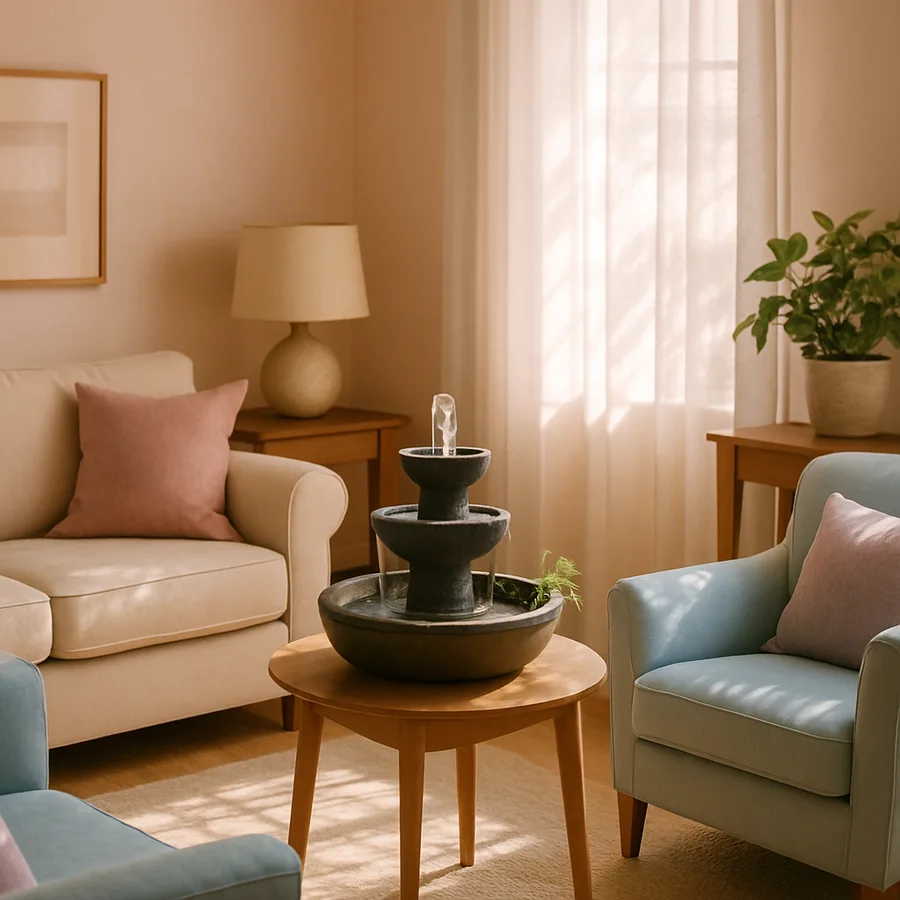
Water is the element of wealth, career momentum, and emotional depth in feng shui, and indoor fountains are one of the most direct ways to activate its energy within your home. The sound of flowing water creates an ambient calm that lowers cortisol levels and sharpens mental clarity, according to research published by the National Institutes of Health, which found that natural water sounds reduce stress responses by up to 25 percent compared to silence. But feng shui is specific about where that water should flow. A fountain in the right location attracts prosperity and opportunity. A fountain in the wrong spot can drain finances, disrupt relationships, or create emotional instability.
The International Feng Shui Guild reports that indoor water features rank among the top five most recommended feng shui adjustments for both residential and commercial spaces. Unlike many feng shui cures that are purely symbolic, a fountain introduces a literal moving element into the home. Water moves, sounds, and reflects light, making it one of the most active and powerful additions you can place in any room. This activity is precisely why placement matters so much: active energy in the wrong zone amplifies whatever is already going wrong.
This guide provides a comprehensive, room-by-room framework for positioning indoor fountains according to classical feng shui principles and the bagua map. You will learn which directions welcome water energy, which repel it, and how to select a fountain whose size, material, and water flow direction serve your specific goals. Whether you want to boost career prospects, improve cash flow, or simply create a more tranquil living space, the placement principles remain consistent and actionable.
Indoor fountains range from small tabletop models that sit on a shelf to floor-standing pieces that serve as room focal points. Every size carries feng shui significance, and the guidelines in this article apply equally to a six-inch desk fountain and a three-foot entryway feature. The common thread is intention: a fountain placed randomly is just decor, but a fountain placed deliberately becomes a feng shui tool that works continuously to shape the energy of your space.
Understanding Water Energy in Feng Shui
In the five-element cycle that underpins feng shui, water nourishes wood, is controlled by earth, and weakens fire. This elemental relationship determines where fountains thrive and where they create problems. Placing a fountain in a wood-element zone strengthens growth, creativity, and family health. Placing one in a fire-element zone creates a destructive clash that can manifest as arguments, failed projects, or reputational damage. Understanding this cycle is essential before choosing a fountain location.
Water also represents the flow of money in feng shui. The Chinese word for water, "shui," is linguistically connected to wealth and abundance. Moving water symbolizes money in circulation, which is why stagnant water features with no pump or flow are considered counterproductive. A fountain that runs dry, clogs, or grows algae does not just look neglected; in feng shui terms, it signals financial stagnation. Maintaining your fountain is as important as placing it correctly. The American Society of Interior Designers (ASID) recommends cleaning indoor water features weekly to prevent mineral buildup and maintain both aesthetic and air-quality standards.
The direction of water flow within the fountain itself carries meaning. Water should flow toward the center of your home, not toward a door or window, which symbolizes wealth flowing outward and away from you. If you are placing a fountain near the front entrance, ensure the water cascades inward, toward the interior of the house. Many feng shui-specific fountains are designed with directional flow in mind, but standard decorative fountains may need to be oriented manually during setup.
Sound level matters more than many practitioners initially realize. A fountain that is too loud overwhelms a space with water energy, which can cause emotional flooding, anxiety, or difficulty concentrating. A fountain that is barely audible does not generate enough active energy to serve as an effective feng shui tool. The ideal is a gentle, consistent trickling sound that registers as ambient background rather than a focal distraction. Most quality fountain pumps offer adjustable flow rates, allowing you to calibrate the sound to your room and your sensitivity.
Best Rooms and Directions for Indoor Fountains
The north sector of your home is the single best location for a water feature. North is governed by the water element in the bagua map and corresponds to the career and life path area. A fountain here directly activates professional opportunity, networking luck, and clarity about one's direction in life. If your north sector happens to fall in a hallway or entryway, a wall-mounted fountain or a slim console-top model fits beautifully without obstructing foot traffic.
The east and southeast sectors are the next best placements. The east governs family and health, and is a wood-element zone that is nourished by water. A fountain here supports physical vitality, family cohesion, and the successful launch of new projects. The southeast is the classical wealth corner, and placing a fountain here is one of the most direct feng shui methods for improving financial flow. According to Architectural Digest, indoor water features have seen a 40 percent increase in residential design interest over the past three years, driven partly by the wellness movement and partly by renewed interest in feng shui among younger homeowners.
The living room and home office are the most practical rooms for fountains because these are active, yang spaces where water energy integrates naturally. A living room fountain near the north, east, or southeast wall enhances social connections and family harmony. A home office fountain in the north or southeast supports career growth and income. The key is ensuring the fountain does not sit behind you while you work, as water energy behind your back creates instability in your professional position.
Have you considered how the ambient sound of a fountain might change the way you use a particular room? Many homeowners who install fountains in their home offices report improved concentration and a reduction in the temptation to check phones or browse distractions. The white-noise quality of flowing water creates a gentle auditory boundary that helps define the workspace psychologically, even in an open-plan home where the office shares space with other living functions.
Where Fountains Should Never Be Placed
The south sector is the most dangerous location for a water feature. South is governed by the fire element, and water directly extinguishes fire. A fountain in the south can damage reputation, reduce recognition for your work, and create obstacles in areas of life that require visibility and public-facing confidence. The Feng Shui Society identifies south-placed water features as one of the top three most common feng shui mistakes in Western homes, where practitioners often prioritize aesthetic symmetry over elemental compatibility.
The bedroom is almost universally off-limits for fountains. Bedrooms are yin spaces devoted to rest, intimacy, and recovery. The active, yang quality of moving water disrupts the stillness that sleep requires. Feng shui warns that water in the bedroom can lead to insomnia, respiratory issues, and emotional turbulence in relationships. The practical downsides are equally compelling: the sound of flowing water can interrupt sleep cycles, and the humidity generated by an indoor fountain in an enclosed bedroom can encourage mold growth in climates with limited ventilation.
The kitchen is another problematic location. Kitchens already contain both water (sink) and fire (stove) elements, and adding a decorative fountain tips the balance too far toward water. This imbalance can weaken the fire energy that governs nourishment and wealth in the kitchen context. If you want the calming sound of water in or near the kitchen, a small fountain in an adjacent dining area or hallway provides the acoustic benefit without the elemental conflict.
Directly beneath staircases is a placement that many homeowners consider because the space seems otherwise wasted. However, feng shui advises against this because staircases channel energy rapidly downward, and a fountain beneath them accelerates the downward flow of wealth energy out of the upper floors. A better use for under-staircase space is storage, a reading nook, or a display shelf with grounding earth-element objects like ceramics or stone sculptures.
Choosing the Right Fountain: Size, Material, and Style
Fountain size should be proportional to the room it occupies. A tabletop fountain works for apartments, home offices, and small living rooms where floor space is limited. Floor-standing fountains suit large living areas, foyers, and open-plan spaces where they can serve as a visual anchor. The general feng shui guideline is that the fountain should be noticeable without being overwhelming. If the fountain dominates the room, it introduces too much water energy. If it is so small that you forget it exists, it lacks the energetic presence to make an impact.
Material selection connects the fountain to specific elements in the five-element cycle. Ceramic and stone fountains combine water with earth energy, creating a grounding, stable wealth effect. Metal fountains in copper, brass, or stainless steel combine water with metal, which strengthens the water element because metal generates water in the productive cycle. Wooden fountains are less common but combine water with wood, which is beneficial for health and growth zones. Glass fountains amplify the reflective quality of water but can feel cold in spaces that need warmth.
The Houzz design community has documented hundreds of indoor fountain installations, and the most successful ones share common traits: clean lines, natural materials, and a water flow pattern that feels organic rather than mechanical. Avoid fountains with overly complex designs, multiple tiers, or LED color-changing lights unless they genuinely complement your decor. In feng shui, simplicity in water features communicates clarity of intention, while excessive ornamentation can scatter the energy the fountain is meant to focus.
Consider the water source carefully. Fountains with recirculating pumps are preferable to those requiring a plumbed connection because recirculating water symbolizes money returning to you rather than flowing away. The pump should be quiet and reliable. A fountain with a noisy or intermittently failing pump disrupts the calm it is meant to create and symbolizes inconsistent financial flow. Investing in a quality pump from a reputable manufacturer is a practical decision that also serves the feng shui intention behind the purchase.
Maintaining Your Fountain for Continuous Positive Energy
A feng shui fountain is not a set-and-forget installation. It requires regular maintenance to continue generating positive energy. The most critical rule is to keep the water clean and flowing. Stagnant, dirty, or algae-filled water reverses the fountain's effect entirely, transforming it from a wealth attractor into a symbol of decay and financial stagnation. Clean the basin and pump components at least once a week, and replace the water completely every two to four weeks depending on your local water quality and room temperature.
The water level must remain consistent. A fountain that runs low exposes the pump to air, which causes noise, wear, and potential burnout. More importantly in feng shui terms, a depleted fountain signals drying up, whether of finances, opportunities, or emotional reserves. Top off the water daily if your home is dry or the fountain is in a heated room. Many practitioners add a few drops of essential oil, such as citrus or eucalyptus, to the water to enhance the sensory experience, but use oils sparingly to avoid clogging the pump mechanism.
Turn the fountain off at night if it is in a common area adjacent to bedrooms. The sound that is calming during waking hours can become disruptive during sleep. However, feng shui does recommend running the fountain during all waking hours, not just when you happen to be in the room. Consistent activation signals continuous flow and availability, while an intermittently running fountain sends mixed energetic signals. A simple plug-in timer can automate this schedule so you do not need to remember each morning and evening.
Seasonal adjustments may be appropriate depending on your climate and the fountain's location. In dry winter months when indoor humidity drops, a fountain serves double duty as a humidifier and a feng shui tool. In humid summer months, running the fountain less frequently prevents excessive moisture in rooms that already struggle with humidity. The Environmental Protection Agency recommends keeping indoor humidity between 30 and 50 percent, and a fountain's contribution to humidity should be factored into your overall indoor air quality management.
Advanced Placement: Using the Bagua Map With Precision
For practitioners who want to go beyond general directional guidelines, the bagua map offers precise sector-by-sector placement logic. Overlay the bagua on your floor plan with the career sector (Kan) aligned to your front door, and identify which life area each room or zone represents. A fountain in the Kan sector (north, career) supports professional advancement. A fountain in the Xun sector (southeast, wealth) enhances financial accumulation. A fountain in the Zhen sector (east, family) promotes family health and harmony.
The bagua also reveals which sectors to avoid. The Li sector (south, fame and reputation) is fire-governed and must remain free of water features. The Kun sector (southwest, love and relationships) is earth-governed, and while earth is not destroyed by water, excessive water here can erode the stability of romantic partnerships. The Gen sector (northeast, knowledge and self-cultivation) can tolerate a very small water feature, such as a desktop fountain in a study, but larger installations risk overwhelming this contemplative zone with active energy.
When two favorable sectors overlap with a practical room location, the placement becomes especially powerful. For example, if your north sector falls in your home office, a fountain there simultaneously boosts career energy from the directional alignment and professional focus from the room's function. The International Interior Design Association has noted that multi-functional design elements, those that serve both aesthetic and wellness purposes, represent one of the strongest trends in residential interiors, and feng shui fountains fit this category precisely.
Do you know which bagua sector your front door activates? If not, standing at your front door facing inward and holding a compass gives you the orientation you need. The sector directly inside your entrance sets the energetic tone for the entire home. If this sector welcomes water energy, a fountain near the entrance becomes one of the most effective feng shui installations you can make. If it does not, move the fountain deeper into the home to a sector that benefits from water's activating presence.
Conclusion: Bringing Moving Water Into Your Home With Intention
Indoor fountains are among the most powerful and beautiful feng shui tools available to homeowners. They engage multiple senses simultaneously, providing visual beauty, ambient sound, and a tangible connection to the water element that governs wealth, career, and emotional flow. The placement principles are clear: favor the north, east, and southeast; avoid the south, bedroom, and kitchen; ensure water flows toward the interior of the home; and maintain the fountain with the same care you would give any other important feature of your living space.
The investment for a quality indoor fountain starts as low as forty dollars for a tabletop model and rarely exceeds a few hundred dollars for a statement floor piece. Compared to the cost of other home improvements, this is remarkably accessible. The ongoing cost is minimal: electricity for the pump and occasional cleaning supplies. What you receive in return is a continuously active feng shui adjustment that works around the clock to attract positive energy into the sectors of your life that matter most.
Begin by identifying the north, east, or southeast sector of your home using a compass. Visit that area and evaluate the available surface or floor space. Choose a fountain whose size and material complement both the room and the elemental character of the sector. Set it up with the water flowing inward, turn it on, and commit to a weekly cleaning schedule. Within a few weeks, notice whether the area of life governed by that sector shows any movement or improvement. Feng shui is experiential, and the best way to test it is to try it with intention and observe.
Which room in your home feels most in need of renewed energy? Place your fountain there, align it with the bagua, and let the water do its quiet, continuous work. Share your fountain placement choice and your observations over the coming weeks in the comments, and help build a community resource for anyone beginning their feng shui water-feature journey.
More Articles You May Like



Comments
Post a Comment