10 Innovative Interior Design Ideas to Transform Your Living Space
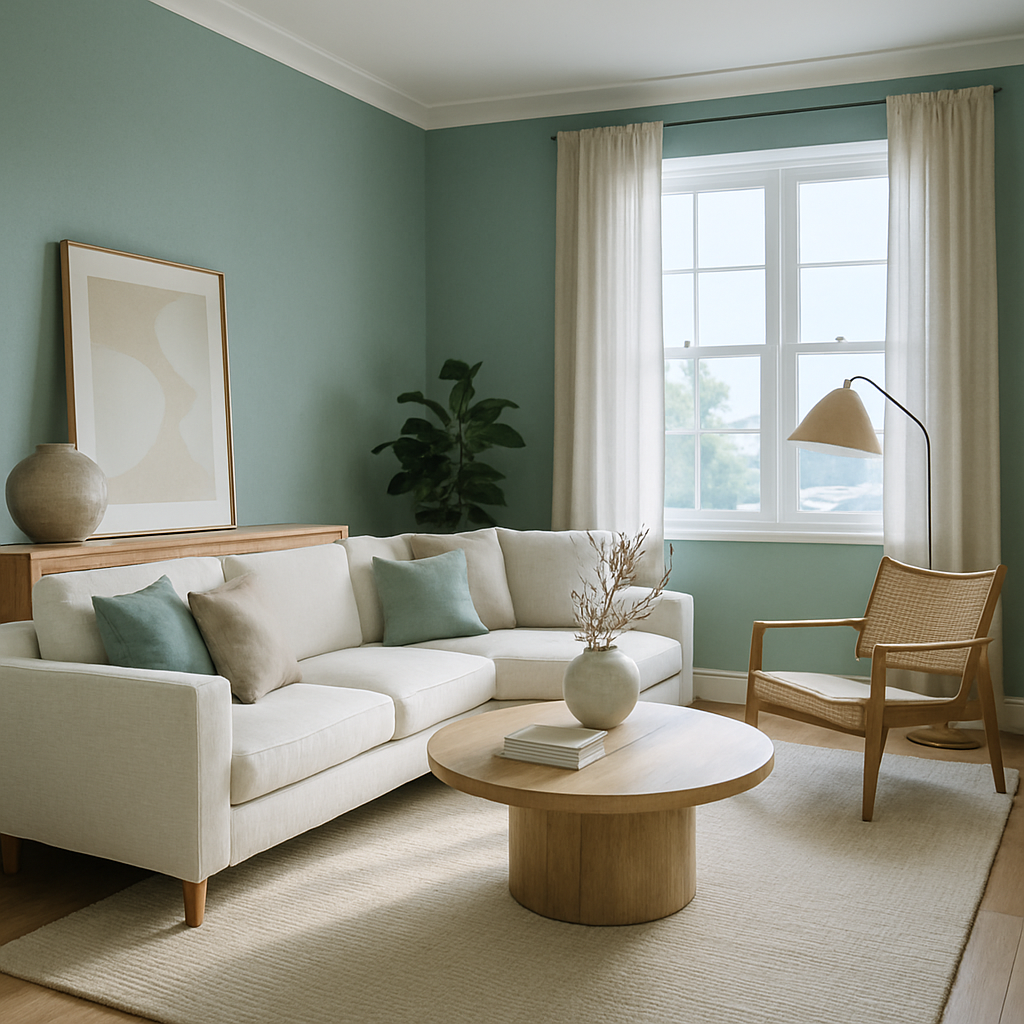
Is your living space feeling a bit outdated or uninspired? According to a 2023 Houzz survey, 73% of homeowners plan to update their interiors within the next year, seeking fresh ideas that blend functionality with aesthetics. Transforming your living space can not only enhance your daily life but also increase your property's resale value by 5-15%. This article will explore ten innovative interior design ideas that can revolutionize your living area. From foundational design principles to cutting-edge trends, these strategies provide a roadmap to create a home that is both beautiful and practical.
Foundational Concepts in Modern Interior Design
At the heart of innovative interior design is the principle of functionality. Before diving into colors and accessories, evaluate how your living space serves your daily needs. Consider where you spend most of your time, where clutter tends to accumulate, and how the space can better accommodate your lifestyle. Experienced professionals often note that a functional layout is the backbone of any successful design, ensuring that beauty and practicality coexist.
Another foundational concept is the use of space. In smaller homes, maximizing every square foot is crucial. Open floor plans remain popular as they allow for fluid movement and communication across spaces. According to the American Institute of Architects (AIA), open plans can increase the perceived size of a home, making even modest spaces feel airy and inviting. For larger homes, creating distinct zones for different activities can bring order and harmony.
Lighting is another critical element in foundational design. It not only affects the mood but also the functionality of a space. Incorporating a mix of natural and artificial lighting can transform a room. Designers frequently recommend layering three types of lighting: ambient, task, and accent. This approach ensures that each area is well-lit for its intended purpose, while also adding depth and interest to the overall design. As we move into exploring deeper trends, keep these foundational concepts in mind.
Emerging Trends in Interior Design
One of the most exciting trends in 2026 is the rise of biophilic design. This concept integrates natural elements like plants, water features, and natural light into interiors to create soothing, health-enhancing environments. Recent studies suggest that biophilic design can improve mental well-being and productivity, making it a popular choice in both residential and commercial spaces. Imagine a living room adorned with a living wall or strategically placed indoor plants that purify the air and add vibrant color.
Another trend gaining traction is the use of sustainable and reclaimed materials. In a world increasingly aware of environmental impacts, homeowners are opting for materials that reduce their carbon footprint. Reclaimed wood, recycled metals, and eco-friendly textiles are not only sustainable but also add unique character to a space. According to the International Interior Design Association (IIDA), sustainable design choices can significantly enhance a property's marketability to eco-conscious buyers.
Quiet luxury, characterized by understated elegance, is also making waves. This trend focuses on high-quality materials and craftsmanship without ostentation. Think of it as the interior design equivalent of a finely tailored suit. This approach emphasizes simplicity and timelessness, ensuring that your space feels luxurious yet inviting. As you consider these trends, think about how they align with your personal style and the needs of your living space.
Actionable Strategies for Transforming Your Space
To effectively transform your living space, start with a clear vision. Create a mood board using platforms like Pinterest or Houzz, where you can gather images that resonate with your desired style. Whether you're drawn to the minimalist appeal of Japandi-a blend of Japanese minimalism and Scandinavian warmth-or the vibrant colors of a more eclectic approach, a mood board can help you stay focused and inspired throughout the design process.
Next, consider hiring a certified interior designer. Professionals with credentials from the National Council for Interior Design Qualification (NCIDQ) or memberships with the American Society of Interior Designers (ASID) bring expertise and industry knowledge that can save you time and costly mistakes. They can provide insights into space planning, material selection, and current trends, ensuring your project not only looks good but also functions well.
Finally, set a realistic budget. According to industry standards, a single room redesign can range from $5,000 to $15,000, while a full-home transformation may cost $50,000 to $150,000 or more. Understanding the financial scope of your project allows you to allocate funds wisely, balancing splurges on statement pieces with savings on essentials. With these strategies in mind, you're well on your way to creating a living space that truly reflects your style and needs.
Expert Insights into Interior Design
Experienced designers emphasize the importance of understanding the design process. This typically involves several phases: concept development, design presentation, procurement, installation, and styling. During the concept development phase, you'll work with your designer to establish a vision and goals for your space. This is followed by the presentation phase, where designers use tools like AR/VR visualization to help you see potential outcomes.
Procurement, the next phase, involves selecting and acquiring furnishings and materials. This is where a designer's industry connections can be invaluable, often leading to exclusive pieces or discounts. Installation and styling bring your design to life, with your designer overseeing the placement of furniture and accessories to ensure everything aligns with the initial vision.
Designers also stress the importance of adaptability. While it's crucial to have a clear vision, being open to adjustments can lead to unexpected and delightful results. Whether it's an unexpected color that transforms a room or a piece of furniture that adds unexpected functionality, flexibility can enhance your final outcome. As you consider your design journey, remember that each phase contributes to the cohesive transformation of your living space.
Additional Depth: Technology in Design
Incorporating technology into interior design is no longer optional; it's essential. Smart home integration, including automated lighting, climate control, and window treatments, can dramatically enhance the comfort and efficiency of your living space. These technologies not only improve functionality but also offer energy-saving benefits, aligning with sustainable living goals.
Another technological advancement is the use of AR/VR tools in the design process. These tools allow you to visualize changes before they happen, providing a clearer understanding of how new layouts, colors, and furnishings will look in your space. According to Architectural Digest's AD PRO network, these visualization tools have become indispensable for both designers and clients, reducing the risk of costly missteps.
Finally, consider how technology can enhance your home's aesthetics. From sleek, hidden sound systems to charging stations integrated into furniture, technology can blend seamlessly into your design. As you embrace these innovations, remember that the goal is to enhance your lifestyle, not complicate it. With thoughtful integration, technology can be a powerful ally in your design journey.
Final Perspectives on Transforming Your Living Space
As you embark on the journey to transform your living space, keep in mind that design is both an art and a science. It requires careful planning, a clear vision, and an understanding of both foundational concepts and emerging trends. Whether you're updating a single room or undertaking a full-home renovation, each decision should reflect your personal style and enhance your daily life.
Consider the impact of your design choices on the overall atmosphere of your home. Are you creating a sanctuary that feels welcoming and inspiring? Are the materials and elements you choose sustainable and reflective of your values? By asking these questions, you ensure that your design is not only visually appealing but also meaningful.
Ultimately, the process of transforming your living space is about creating an environment that supports and enriches your life. As you apply the strategies and insights shared in this article, you'll be well-equipped to craft a space that is both innovative and timeless. Remember, your home is an extension of yourself-let it reflect your uniqueness and aspirations.
Conclusion
In conclusion, transforming your living space involves a blend of foundational design principles, emerging trends, and personal creativity. By understanding the process and engaging with professional resources, you can create a home that is not only stylish but also deeply functional. As you explore these ten innovative interior design ideas, consider how they align with your vision and lifestyle.
Your next step? Start by browsing designer portfolios on platforms like Houzz or Instagram. Spend just 20 minutes exploring different styles and gathering inspiration. This simple action will sharpen your eye for design and help you identify what resonates with you. Ready to transform your space? The journey begins with a single step-take it today.



Comments
Post a Comment