Vertical Wood Slat Walls as a Modern Shiplap Replacement
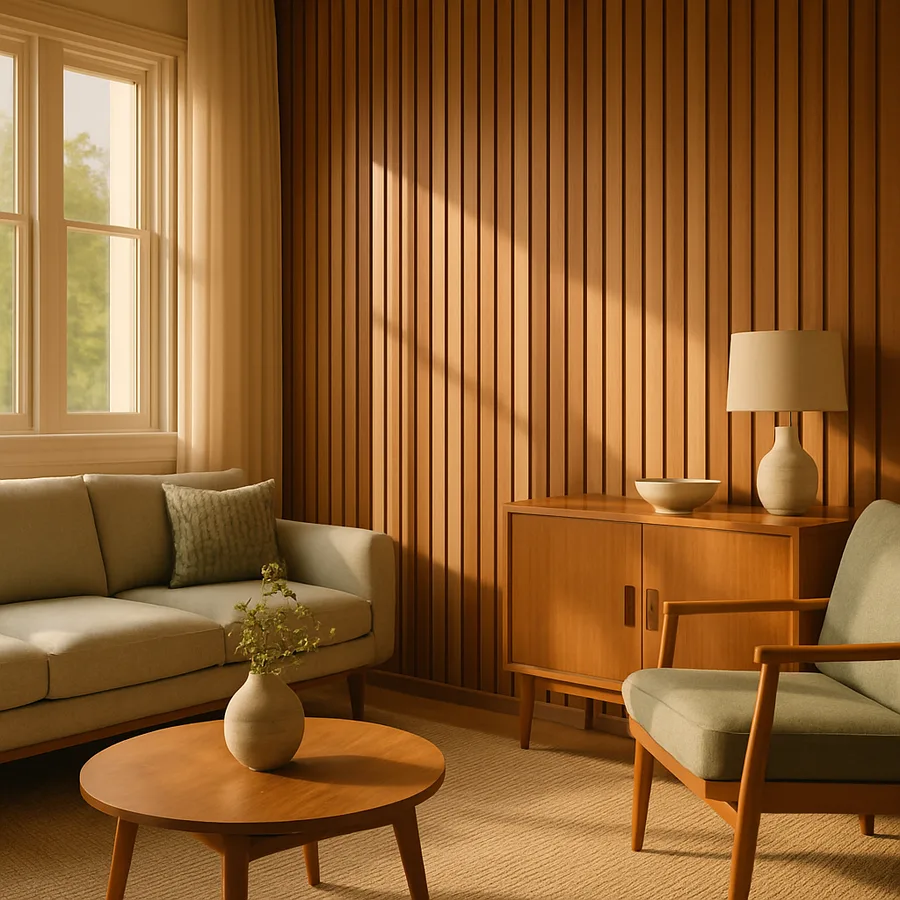
The design world moves in cycles, and while shiplap enjoyed a remarkable run as the dominant wall treatment of the past decade, a new contender has emerged that speaks more fluently to contemporary and mid-century modern sensibilities. Vertical wood slat walls, characterized by evenly spaced narrow wood strips mounted to a backing panel, create a rhythmic, three-dimensional surface that plays with light and shadow in ways that flat-profile treatments like shiplap fundamentally cannot. The effect is sculptural rather than textural, architectural rather than decorative, and it brings a gallery-like sophistication to residential interiors that immediately signals intentional, considered design. A report from the International Interior Design Association found that slatted wall and ceiling applications increased by 45 percent in commercial and high-end residential specifications between 2022 and 2025, making it one of the fastest-growing surface treatments in the industry. This guide explores why vertical slat walls have captured the attention of designers and homeowners alike, how they compare to shiplap across multiple dimensions, and what you need to know to plan and execute a slat wall installation that delivers lasting impact.
The Architectural Logic Behind Slat Walls
Vertical slat walls achieve their visual power through a principle that architects call light modulation, the way a three-dimensional surface interacts with both natural and artificial light to create changing patterns of shadow and illumination throughout the day. Each individual slat casts a shadow onto the gap behind it, and the width of that shadow changes as the angle of incoming light shifts from morning through evening. This means a slat wall is never truly static; it presents a subtly different face at every hour, creating visual interest that a flat surface, no matter how beautifully painted or textured, cannot generate. The depth of the shadow is determined by the projection of the slats from the wall, typically three-quarters of an inch to one and a half inches, which means the effect can be calibrated from gentle and understated to bold and dramatic depending on the design intent.
The vertical orientation of the slats contributes its own set of spatial effects that differentiate the treatment from horizontal alternatives like shiplap and V-groove paneling. Vertical lines draw the eye upward, making ceilings feel higher and rooms feel more open, which is why architects have used vertical elements like columns, pilasters, and fluting for millennia to create impressions of height and grandeur. In a residential setting, a vertical slat wall on an eight-foot wall can make the ceiling feel a foot taller than it actually is, a perceptual trick that is especially valuable in compact urban apartments and homes with standard ceiling heights. The American Institute of Architects recognizes this vertical emphasis as one of the most effective and economical spatial illusion techniques available to designers working within fixed architectural constraints.
Transparency is another quality that distinguishes slat walls from solid wall treatments. Depending on the spacing between slats, the wall behind or between the slats may be partially visible, creating a layered, depth-rich composition that feels more like a screen or a scrim than a conventional wall surface. This partial transparency can be used strategically to maintain visual connection between zones while still providing a sense of separation, making slat walls popular as room dividers, headboard features, and media wall surrounds where complete visual blocking is undesirable. The interplay between what is revealed and what is concealed through the slats produces a visual tension that engages the viewer and rewards observation from different angles and distances.
How does this compare to the visual experience of shiplap? Shiplap is fundamentally a flat treatment that creates visual texture through its horizontal joint lines but does not project meaningfully from the wall surface. It modifies the wall's appearance without modifying the wall's geometry. A slat wall, by contrast, physically extends the wall's surface into the room, creating actual three-dimensional depth that interacts with light, casts real shadows, and changes appearance throughout the day. This distinction matters because it determines the type of visual interest each treatment produces: shiplap offers consistent, predictable texture that looks the same in morning light as it does at midnight, while a slat wall offers dynamic, ever-changing shadow play that makes the surface feel alive and responsive to its environment.
Slat Dimensions, Spacing, and Proportional Guidelines
The proportional relationship between slat width, slat depth, and the gap between slats is the most critical design decision in any vertical slat wall project, and small changes in any of these dimensions produce significantly different visual effects. Standard slat widths range from one inch to three inches, with one-and-a-half-inch slats being the most commonly specified for residential applications. Narrower slats of one inch or less create a fine-grained, textile-like surface that reads as delicate and contemporary, ideal for intimate spaces like bedrooms and reading nooks. Wider slats of two and a half to three inches produce a bolder, more architectural effect that commands attention in large rooms and open-plan living areas where a finer scale would get lost.
The gap between slats controls the degree of visual transparency and shadow depth, and it should be considered in proportion to the slat width itself. A gap equal to the slat width (1:1 ratio) produces a balanced, rhythmic pattern where the solid elements and the voids receive equal visual weight. This ratio is the safest starting point for most residential projects because it avoids the extremes of either too much or too little openness. A gap narrower than the slat width (e.g., one-inch gap between one-and-a-half-inch slats) creates a more solid, screen-like appearance that provides more surface coverage and less transparency. A gap wider than the slat width (e.g., two-inch gap between one-inch slats) maximizes transparency and shadow effect but can feel sparse or unfinished if pushed too far. The ArchDaily architectural resource recommends maintaining gaps between 50 and 100 percent of slat width for residential applications, noting that proportions outside this range often produce results that read as either too dense or too skeletal.
Slat projection from the wall surface determines the depth and drama of the shadow patterns. A shallow projection of three-quarters of an inch produces subtle shadows that add gentle dimension without making the wall feel aggressively three-dimensional. This shallower profile is appropriate for rooms where the slat wall is one of several design elements competing for attention, and it keeps the treatment from overwhelming smaller spaces. A deeper projection of one and a quarter to one and a half inches creates bold, dramatic shadows that shift visibly as lighting conditions change, making the slat wall the undisputed focal point of the room. This deeper profile works best on large, prominent walls where the full theatrical effect can be appreciated from a comfortable viewing distance.
Do not overlook the visual impact of the backing surface visible through the gaps between slats. Painting the backing panel a dark color, such as charcoal, navy, or black, maximizes the perceived depth of the gaps and creates a strong figure-ground contrast between the light-colored slats and the dark voids. This high-contrast approach produces the most dramatic and contemporary effect. Painting the backing the same color as the slats, by contrast, creates a softer, more unified appearance where the slats read as a relief pattern carved from a single surface rather than individual elements mounted on a separate plane. Both approaches are valid; the choice depends on whether you want the slat wall to feel bold and graphic or subtle and sculptural.
Material Selection and Wood Species Comparison
The wood species you select for your slat wall determines its color, grain character, hardness, and cost, making it one of the most consequential aesthetic decisions in the project. White oak has emerged as the preferred species for high-end slat wall installations because its tight, prominent grain pattern, warm honey tones, and excellent hardness produce a surface that looks unmistakably natural and substantial. White oak takes clear finishes beautifully, allowing the grain to speak for itself, and its natural tannin content provides moderate resistance to moisture and insect damage. At approximately eight to twelve dollars per board foot for clear, straight-grained stock, white oak represents a significant material investment, but the visual payoff is commensurate with the cost.
For projects where budget consciousness is a priority, poplar offers a smooth, uniform grain at roughly three to five dollars per board foot, making it the most economical hardwood option for painted slat walls. Poplar's subtle, closed grain accepts paint without the grain-raising issues that plague softwoods, producing a finish so smooth and uniform that the wood's identity disappears entirely beneath the paint, leaving only the form and shadow of the slats to create the visual effect. Pine, at two to four dollars per board foot, is another affordable option that brings a warmer, knottier character when left natural but requires careful priming and multiple coats when painted to prevent tannin bleed-through from knots and resin pockets.
Walnut occupies the premium end of the spectrum, prized for its rich chocolate-brown tones, striking grain patterns, and the sophisticated, moody atmosphere it creates in a room. A walnut slat wall against a white or light gray backdrop produces one of the most striking material contrasts available in interior design, the warm darkness of the wood against the cool lightness of the wall creating a composition that feels both modern and timeless. At twelve to eighteen dollars per board foot, walnut is a significant investment that is typically reserved for feature walls in living rooms, master bedrooms, and home offices where its impact justifies the expenditure. According to the Hardwood Distributors Association, walnut has been the fastest-growing species in residential interior specification for three consecutive years, driven largely by its popularity in slat wall and millwork applications.
Engineered and composite alternatives have entered the slat wall market to address both cost and sustainability concerns. WPC (wood-plastic composite) slats, similar in composition to composite decking, offer the dimensional stability and moisture resistance that natural wood lacks, at a price point competitive with mid-range hardwoods. Bamboo slats provide a sustainable, rapidly renewable alternative with a unique, contemporary grain character that reads as distinctly different from traditional hardwood. For the most budget-friendly approach, MDF strips can be ripped to custom widths and painted for a fraction of the cost of solid wood, though MDF's susceptibility to moisture damage limits this option to dry interior environments. The environmental calculus also matters: the Forest Stewardship Council certifies sustainably harvested wood from responsibly managed forests, and specifying FSC-certified lumber ensures your design choices align with ecological responsibility.
Building and Mounting a Slat Wall System
The construction approach for a vertical slat wall varies from simple site-built installations to pre-fabricated panel systems, and the right method depends on the project's scale, budget, and the installer's skill level. The most accessible DIY approach involves mounting a backing panel, typically quarter-inch plywood or MDF, directly to the wall surface, and then attaching individual slats to the backing with construction adhesive and brad nails. The backing panel serves two purposes: it provides a continuous surface for adhesive bonding that is independent of stud locations, and it creates the recessed plane visible through the gaps that gives the installation its depth and dimension. Paint or stain the backing panel before installing the slats, as reaching the surface through narrow gaps with a brush after installation is frustrating and produces messy results.
Spacing the slats consistently is the most critical skill in the installation process, and a simple spacer jig made from scrap wood cut to the exact gap width transforms this potentially tedious task into a foolproof procedure. Cut the spacer to the desired gap dimension, place it against the last installed slat, butt the next slat against the spacer, fasten the slat, remove the spacer, and repeat. This mechanical repetition produces perfectly even spacing across the entire wall without measuring each gap individually, which is both faster and more accurate than working from layout marks alone. For long walls where even tiny cumulative spacing errors can become visible, check the overall spacing against your layout plan every ten to twelve slats and adjust the spacer by a paper-thin shim if needed to stay on track.
Pre-fabricated slat wall panels offer a faster, more controllable installation method that is particularly advantageous for large projects or situations where minimal on-site mess is important. These panels, available from manufacturers like Acupanel and numerous Etsy and specialty woodworking shops, consist of slats pre-mounted to a felt or MDF backing at factory-precise spacing, ready to be secured to the wall as complete units. Each panel typically covers eight to twelve square feet, and the panels are designed to butt together seamlessly so the slat pattern continues uninterrupted across the wall. Installation involves applying construction adhesive to the wall, pressing the panel into position, and securing it with screws driven through the backing between slats where they are hidden from view. The premium cost of pre-fab panels, typically 15 to 25 dollars per square foot installed, buys guaranteed consistency, minimal site waste, and installation times measured in hours rather than days.
Regardless of construction method, plan for electrical outlets, switches, and any wall-mounted fixtures before installation begins. Outlets can be handled by cutting a notch in the backing panel and trimming the slats adjacent to the outlet location to frame it cleanly. Some designers recess outlets into the gap between slats so the cover plate sits flush within the shadow line, creating an almost invisible integration that preserves the wall's clean rhythm. Light switches can be relocated to adjacent walls to avoid interrupting the slat pattern entirely, though this requires advance planning and electrical work before the panels go up. Whatever approach you take, resolve all penetrations and mounting locations during the planning phase rather than improvising solutions after the slats are installed.
Integrating Slat Walls into a Complete Room Design
A vertical slat wall is a strong design element that will dominate any room it occupies, which means the surrounding design choices must either support and amplify its presence or provide enough contrast to create a balanced composition. The most successful slat wall rooms maintain a relatively restrained palette and material selection beyond the feature wall, allowing the slats to be the primary source of visual texture and complexity. Clean-lined furniture with minimal ornamentation, solid-color textiles, and simple geometric accessories create a calm surround that lets the slat wall command attention without competition. This less-is-more approach aligns naturally with the contemporary and mid-century modern design styles where slat walls feel most at home.
Lighting design plays an outsized role in the experience of a slat wall because the entire visual effect depends on the interaction between light and the three-dimensional surface. Wall-mounted uplights or downlights positioned to graze the slat surface at a shallow angle produce the most dramatic shadow effects, with each slat casting a distinct shadow that deepens the wall's apparent dimensionality. Recessed ceiling lights directly in front of the slat wall can produce a similar raking effect if they are positioned close enough to the wall. Ambient room lighting from overhead fixtures produces flatter, less dramatic shadows because the light strikes the slats more perpendicular to their surface. Consider installing the slat wall lighting on a dimmer so you can adjust the shadow intensity for different moods and occasions, from dramatic accent lighting for entertaining to soft ambient glow for everyday relaxation.
The junction between the slat wall and adjacent surfaces, the floor, ceiling, and side walls, deserves careful detailing because these transitions are where craftsmanship is most visible and where sloppy execution is most conspicuous. At the floor, a slim reveal gap of a quarter to half an inch between the bottom of the slats and the floor surface, rather than tight contact, creates a clean floating effect that makes the wall feel lighter and more intentional. At the ceiling, the same reveal approach works equally well, or the slats can terminate into a ceiling channel or shadow gap that conceals the end cuts and creates a precision detail. Side transitions can be handled with a simple butt joint against the adjacent wall, finished with a slim trim piece that covers the end grain, or with a return where the slats wrap around the corner for a few inches before terminating.
What furniture and decor work best in front of a slat wall? The vertical rhythm of the slats creates a strong pattern that can either harmonize or clash with objects placed against it. Low, horizontal furniture pieces like credenzas, benches, and platform beds provide a grounding counterpoint to the vertical energy that feels balanced and composed. Artwork should be hung sparingly, if at all, on a slat wall because the dimensional surface competes with framed pieces for attention and the mounting logistics are complicated by the gaps between slats. If art is desired, floating shelves mounted between slats can display smaller pieces and objects without the visual conflict of frames overlapping the slat pattern. Plants, particularly tall specimens like fiddle leaf figs and snake plants that echo the vertical line of the slats, create a stunning pairing that brings organic life to the geometric precision of the wood surface. Begin your slat wall project by ordering sample pieces in your preferred species and finish, mounting them to a scrap backing panel at your planned spacing, and living with the sample in your room for a week to confirm the proportions, color, and shadow effect before committing to a full installation.
Embracing the Next Chapter in Wall Design
Vertical wood slat walls represent a natural evolution in residential wall treatments, building on the appetite for textured, dimensional surfaces that shiplap first awakened while pushing the concept forward into genuinely three-dimensional territory. Where shiplap added linear texture to flat walls, slat walls add actual sculptural depth that interacts dynamically with light, creating surfaces that change character throughout the day and respond to the shifting conditions of their environment. This quality of responsiveness, of a wall that is never quite the same twice, is what distinguishes a truly architectural surface treatment from a purely decorative one.
The versatility of the slat wall concept allows it to serve radically different design purposes depending on species selection, proportions, and finish. A fine-grained, painted white slat wall in a nursery feels completely different from a bold, natural walnut slat wall in a home office, yet both share the same underlying geometry and construction logic. This adaptability means the technique can follow you through changing tastes and different homes, expressing itself differently in each context while maintaining the core qualities of rhythm, depth, and light modulation that define the form. Few wall treatments offer this range of expression within a single concept.
The investment in a vertical slat wall, whether modest in painted pine or substantial in clear-grain walnut, pays returns in both daily living quality and long-term property value. The dimensional surface adds a layer of architectural sophistication that buyers recognize as custom and intentional, distinguishing the home from the sea of flat, featureless walls that characterize most residential construction. More importantly, it creates a surface that you will enjoy looking at and interacting with every day, a wall that rewards attention with its shifting shadows and warm material presence in a way that no painted surface, however beautifully colored, can match.
Take the first step by studying slat wall installations in design publications and online portfolios to identify the proportions, species, and finish treatments that resonate with your personal aesthetic. Then measure your target wall, calculate your material needs, and order samples to test in your actual space with your actual lighting. The gap between imagining a slat wall and building one is narrower than you might think, and the result will be a feature that transforms not just a single wall but the entire atmosphere of the room it inhabits.
More Articles You May Like



Comments
Post a Comment