The Art of Interior Design: How to Create a Harmonious Living Environment
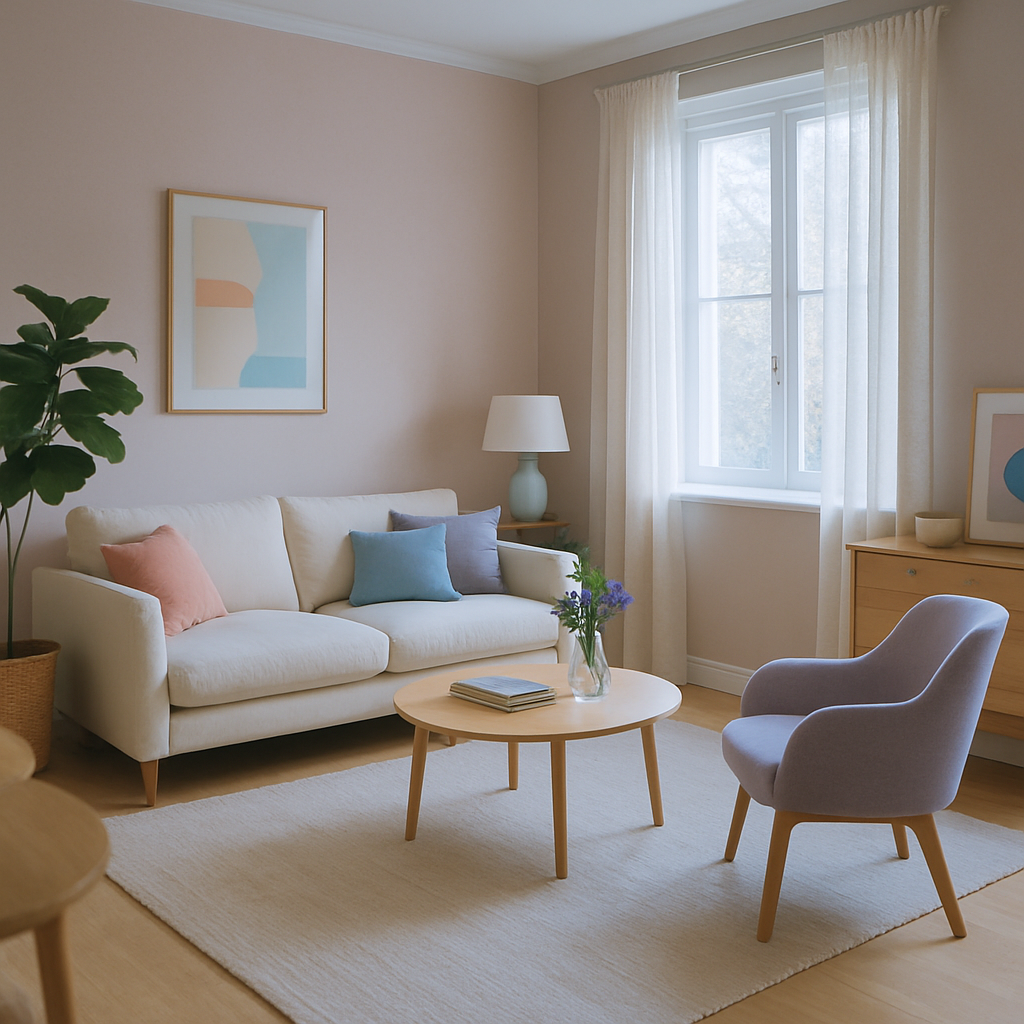
Have you ever walked into a room and felt instantly at ease, as though every piece of furniture and decor was perfectly placed? This isn't by chance; it's the result of expert interior design that creates a harmonious living environment. According to industry surveys, well-designed interiors can increase home resale value by 5-15%, highlighting the tangible benefits of thoughtful design. This article will explore foundational concepts, delve into deeper analysis with real data, and provide actionable strategies for achieving balance in your home. We'll also examine expert insights and discuss advanced techniques for those looking to elevate their living spaces further.
Understanding the Foundations of Interior Design
At the heart of interior design is the principle of harmony, where elements like color, texture, and space are carefully coordinated to create a cohesive whole. This involves more than just matching furniture or following the latest trends; it's about understanding how different elements interact. Experienced professionals often note that successful design incorporates both form and function, ensuring that a space is not only beautiful but also practical. The American Society of Interior Designers (ASID) emphasizes the importance of creating environments that improve the quality of life, a goal that begins with a strong foundational understanding.
One key aspect of foundational design is the use of color theory. Colors can influence mood and perception, and choosing the right palette is crucial for setting the desired tone. For instance, blues and greens are known for their calming effects, making them ideal for bedrooms and bathrooms. In contrast, warmer hues like reds and oranges can energize a space, often used in dining rooms or kitchens. By thoughtfully selecting color schemes, you can manipulate the ambiance of each room to fit its function.
Another essential component is layout planning. This involves considering how you use the space daily and arranging furniture to facilitate ease of movement and interaction. Tools like Houzz and Pinterest offer endless inspiration and practical examples of layout designs. Mapping out where you drop your keys, where kids do homework, and where you relax at the end of the day can help create a space that truly works for you. With a clear foundational understanding, we can now explore how these concepts translate into quantifiable data and deeper insights.
Analyzing Interior Design with Data and Insights
Data-driven design is transforming the way homeowners and professionals approach interior spaces. The annual Houzz survey provides valuable insights into how people are investing in their homes. Recent data indicates that 48% of homeowners prioritize functionality over aesthetics, showing a shift towards practical design solutions. This trend underscores the importance of balancing beauty with usability in interior design projects.
Furthermore, research by the National Council for Interior Design Qualification (NCIDQ) reveals that certified interior designers are increasingly using technology to enhance design processes. AR/VR tools, for instance, allow clients to visualize potential changes in their living spaces before any physical alterations are made. This technology is not just a novelty; it's a powerful decision-making tool that helps clients and designers align their visions more closely.
Industry data also shows an uptick in the use of sustainable materials. According to the International Interior Design Association (IIDA), sustainable design practices are now a priority for 70% of interior designers. This reflects a growing consumer demand for eco-friendly options, which often include reclaimed wood, low-VOC paints, and energy-efficient lighting solutions. As we move forward, consider how these data-driven insights can inform your personal design choices and strategies.
Actionable Strategies for Harmonious Design
Creating a harmonious living environment requires strategic planning and execution. Start by assessing your current space to identify areas of improvement. Are there rooms that feel cluttered or lack cohesion? Begin by decluttering and organizing these spaces, as a clean slate often provides the best foundation for redesign. Consider donating or repurposing items that no longer serve a purpose.
Once you've cleared the clutter, focus on integrating natural elements. Biophilic design, which emphasizes the connection between nature and indoor environments, is gaining popularity. Incorporating plants, natural light, and organic materials can significantly enhance the aesthetic and functional aspects of a room. For example, placing a few well-chosen plants in strategic locations can improve air quality and boost your mood.
Lighting is another crucial element. Layered lighting, which involves combining ambient, task, and accent lighting, can transform the mood of a space. Smart home integration, such as automated window treatments and adjustable lighting systems, allows for customizable ambiance that adapts throughout the day. By implementing these strategies, you can create a space that feels both welcoming and personalized. Let's delve deeper into expert-level details that can refine your approach.
Expert-Level Insights for Advanced Design
For those ready to elevate their interior design skills, understanding the nuances of style and proportion is key. Japandi, a fusion of Japanese minimalism and Scandinavian warmth, exemplifies how blending different styles can create a unique and harmonious environment. This approach focuses on simplicity, functionality, and the beauty of natural materials, providing a tranquil backdrop for daily life.
Experienced professionals often stress the importance of proportion in design. This involves ensuring that furniture and decor items are in balance with the size of the room. Oversized furniture in a small space can feel overwhelming, while undersized pieces may appear lost. The golden ratio, a mathematical principle often used in art and design, can guide you in achieving visually pleasing proportions.
Advanced technology also plays a role in expert design. Virtual reality tools allow designers and clients to collaborate more effectively, testing different layouts and design ideas in a virtual space before making any commitments. This reduces the risk of costly mistakes and ensures that the final design aligns with the client's vision. With these expert-level insights, we can explore additional depth and context for a well-rounded understanding.
Additional Depth: Cultural and Personal Influences
Interior design is not just about aesthetics; it's a reflection of personal and cultural identities. Understanding your personal style and how it aligns with cultural influences can add depth to your design choices. Whether you favor mid-century modern, industrial, or bohemian styles, each has unique characteristics that can be tailored to your preferences.
Personal storytelling through design is becoming increasingly popular. Displaying personal artifacts, artwork, or heirlooms can create a space that feels uniquely yours. This approach not only adds character but also fosters a sense of connection and history within your home. How do your personal experiences and stories shape your design choices?
Cultural influences also play a role in shaping design preferences. Global connectivity has made it easier than ever to draw inspiration from cultures around the world. This cross-cultural exchange can lead to innovative design solutions, blending traditional elements with modern functionality. As we conclude, let's consider how these influences come together in the final perspective.
Bringing It All Together: Final Perspectives
Creating a harmonious living environment is an art that blends personal taste with expert design principles. By understanding foundational concepts, utilizing data-driven insights, and implementing actionable strategies, you can transform your space into a sanctuary that reflects your lifestyle and values. Have you considered how the balance of form and function can improve your daily life?
As you embark on your design journey, remember the value of expert insights and advanced tools that can guide your decisions. Whether you're redesigning a single room or tackling a full-home renovation, the principles of harmony and balance remain at the core. These elements ensure that your space not only looks beautiful but also enhances your quality of life.
In the end, the art of interior design is about creating a living environment that resonates with you on a personal level. By incorporating the ideas discussed here, you can craft a space that is both stylish and functional. Ready to start your transformation? Begin by exploring designer portfolios on Houzz or Pinterest to gather ideas and refine your vision. Even a brief 20-minute session can provide the inspiration needed to begin your design journey.
Conclusion
In summary, interior design is a multifaceted discipline that combines art, science, and personal expression. By embracing foundational principles, leveraging data, and applying advanced strategies, you can create a living environment that is both harmonious and functional. As you reflect on the insights shared here, consider how they align with your goals and aspirations.
Now is the time to take action. Start by browsing portfolios on Houzz or Pinterest this week. Even 20 minutes of focused research can sharpen your eye for what you truly want in your home. Whether you're seeking inspiration or ready to hire a professional, these platforms provide valuable resources to guide your journey.
Remember, the art of interior design is not just about creating a beautiful space; it's about crafting a home that enhances your well-being and reflects your unique story. By following the expert strategies outlined in this article, you can achieve a harmonious living environment that you'll cherish for years to come.
More Articles You May Like



Comments
Post a Comment