Fluted Wood Panels as Headboard Walls in Modern Bedrooms
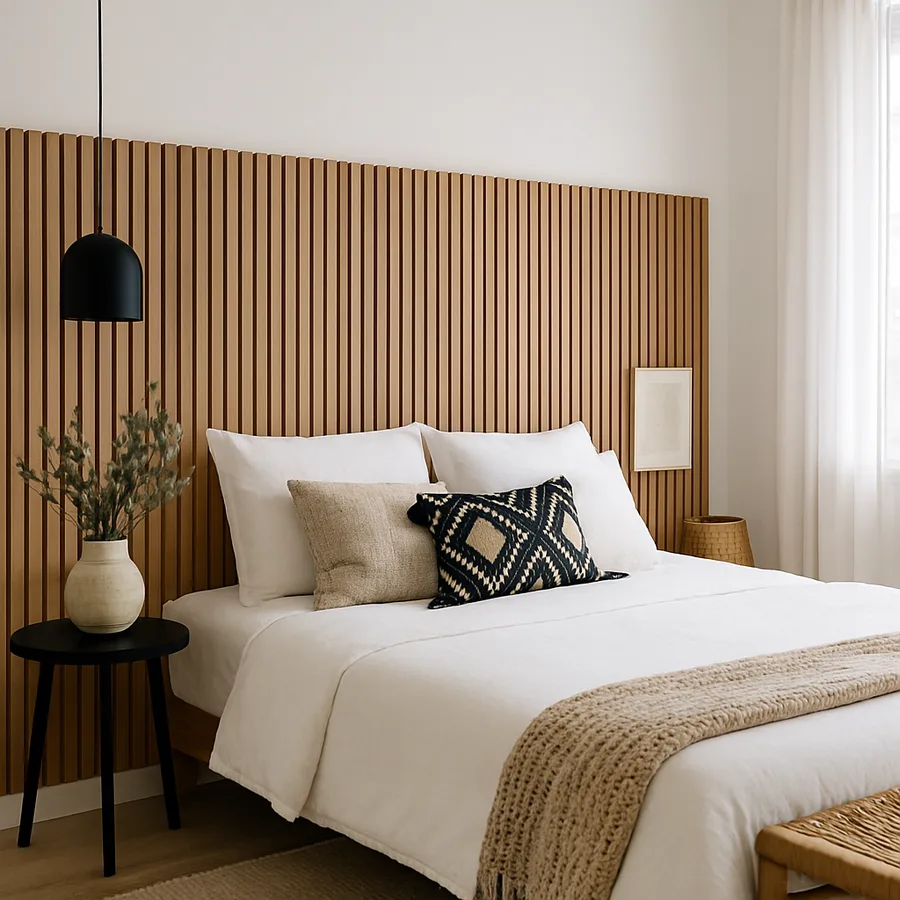
Why Fluted Wood Panels Are Reshaping Bedroom Design
The bedroom has always been the most personal room in any home, but the way designers approach the wall behind the bed has changed dramatically in recent years. Fluted wood panels -- vertical slat walls with rhythmic grooves and ridges -- have emerged as one of the most sought-after design elements for creating a statement headboard wall. Unlike flat accent walls that rely solely on paint or wallpaper, fluted panels introduce a tactile, three-dimensional quality that instantly anchors the room. Their appeal lies in the interplay of light and shadow across the ridged surface, a visual effect that shifts throughout the day as natural light moves across the wall.
According to the American Society of Interior Designers (ASID), textured wall treatments have seen a 34 percent increase in residential specification over the past three years, with fluted and ribbed panels leading the trend. This surge reflects a broader appetite for surfaces that engage more than one sense. Homeowners are moving beyond purely visual aesthetics and embracing materials that invite touch and create depth. The fluted panel headboard wall satisfies both of those desires while remaining architecturally clean and understated.
What makes this approach particularly compelling is its versatility. A fluted wood wall works equally well in a minimalist Scandinavian-inspired bedroom as it does in a moody, dark-toned retreat. The vertical lines draw the eye upward, making ceilings feel taller, while the warmth of natural wood softens spaces that might otherwise feel sterile. For anyone looking to add character to a builder-grade bedroom without a full renovation, this single wall treatment delivers outsized impact. Have you considered how the texture behind your bed might change the entire feeling of your bedroom?
Interior designers across the country have noted that fluted panels also solve a common design problem: the blank wall. Many bedrooms lack architectural interest, especially in newer construction where walls are uniformly flat and featureless. A fluted panel installation creates a built-in focal point that eliminates the need for oversized artwork or complicated gallery walls. The panel itself becomes the art, and the bed becomes a natural extension of the wall rather than a separate piece of furniture floating in the room.
Choosing the Right Wood Species and Finish
The species of wood you select for a fluted headboard wall determines not just the color but the grain pattern, hardness, and how the panels age over time. White oak remains the most popular choice among designers, prized for its tight grain, durability, and ability to accept a wide range of stains and finishes. Its natural honey tone pairs beautifully with both warm and cool palettes, making it a safe yet sophisticated option. Red oak, while less expensive, has a more pronounced grain that can read as traditional rather than modern, so it requires more careful finishing to maintain a contemporary look.
Walnut offers a rich, dark alternative that brings immediate drama to a bedroom. Its deep chocolate tones and subtle purplish undertones create a moody, enveloping atmosphere that works especially well in larger bedrooms where the darkness will not feel oppressive. For those who prefer a lighter, more coastal feel, maple and ash provide pale, fine-grained surfaces that brighten a room. Ash in particular has a beautiful straight grain that emphasizes the vertical lines of the fluting, creating an almost fabric-like texture on the wall.
Finish selection matters as much as wood species. A matte or satin clear coat preserves the natural look and feel of the wood while protecting it from dust and minor scuffs. High-gloss finishes, while occasionally used in ultra-modern settings, tend to compete with the shadow play that makes fluted panels so attractive. The National Wood Flooring Association (NWFA) recommends water-based polyurethane for interior wall applications, as it does not yellow over time and maintains the true color of the wood. Some designers also favor hardwax oil finishes, which penetrate the wood rather than sitting on top, giving the panels a more tactile, matte quality.
Engineered wood options and MDF-core panels with real wood veneers have made fluted walls accessible at lower price points without sacrificing the look. These manufactured alternatives are more dimensionally stable than solid wood, meaning they are less likely to warp or expand with humidity changes -- an important consideration for a bedroom wall that may sit near exterior-facing surfaces. The Houzz community forums consistently rank engineered fluted panels among the best value-for-impact upgrades in bedroom design.
Installation Methods: Full Wall vs. Partial Treatments
The scope of your fluted panel installation fundamentally changes the character of the room. A full floor-to-ceiling, wall-to-wall treatment creates the most dramatic effect, transforming the entire surface behind the bed into a unified textural statement. This approach works best when the wall is uninterrupted by windows or doors, allowing the vertical lines to run continuously from one corner to the other. The result is immersive and architectural, almost like stepping into a carefully designed hotel suite.
Partial treatments offer a more restrained option that still delivers significant visual impact. A popular configuration involves running fluted panels from the floor to approximately 60 percent of the wall height, then transitioning to a painted or plastered surface above. This creates a wainscot-like effect that feels intentional and layered. Another approach centers the fluted section directly behind the bed, extending it about 18 inches beyond each side of the headboard zone, with flat walls flanking the panel. This framed approach draws attention precisely where you want it -- on the sleeping area -- without overwhelming the room.
Mounting methods vary depending on the panel system. Many modern fluted panels use a tongue-and-groove interlocking system that attaches to a series of horizontal battens screwed into the wall studs. This creates a small air gap behind the panels, which can actually improve the room's acoustic properties by dampening sound reflections. Other systems use direct adhesive mounting, which sits flatter against the wall but requires a perfectly smooth substrate. The choice between these methods affects both the final appearance and the difficulty of future removal, so it is worth consulting a professional installer or doing thorough research before committing.
For DIY-inclined homeowners, pre-made fluted panel kits from companies like Stikwood and Timberchic have simplified the installation process considerably. These kits come with panels cut to standard sizes, all necessary mounting hardware, and detailed instructions. A reasonably skilled homeowner can complete a single accent wall in a weekend. However, for full wall-to-wall installations that involve cutting around outlets, light switches, and ceiling trim, professional installation ensures a clean, seamless result that looks built-in rather than added on.
Lighting Strategies That Highlight Fluted Texture
Lighting is arguably the most critical element in making a fluted wood wall perform at its best. The entire appeal of the ribbed surface depends on shadows falling into the grooves, and without thoughtful lighting, the texture can flatten out and lose its visual power. Grazing light -- light that washes across the surface at a sharp angle -- is the single most effective technique. Wall-mounted linear LED strips installed at the top or bottom of the panel wall cast light that rakes across the flutes, deepening every groove and making the texture pop with dramatic clarity.
Recessed ceiling fixtures positioned close to the wall (within 12 to 18 inches) also create effective grazing angles, though the effect is more subtle than dedicated wall washers. Adjustable recessed lights give you control over the angle and intensity, allowing you to fine-tune the shadow depth to your preference. The American Lighting Association (ALA) reports that LED wall-washing fixtures have become the most specified lighting category for accent walls in residential projects, with warm white temperatures between 2700K and 3000K being the most popular for bedroom applications.
Pendant lights and bedside sconces add a secondary layer that complements the fluted wall without competing with it. When selecting sconces for a fluted panel wall, choose fixtures that direct light upward or downward rather than outward, so they contribute to the grazing effect rather than creating flat, frontal illumination. The mounting surface presents a practical consideration as well -- sconces need to be attached through the fluted panel into the wall structure behind it, which may require longer mounting screws or blocking installed during the panel installation phase. Have you thought about how different lighting angles might completely transform the same wall surface?
Natural light deserves equal attention. A fluted wall opposite a window will change character throughout the day as the sun moves, creating a living surface that never looks exactly the same twice. Morning side light might emphasize every ridge with sharp precision, while diffused afternoon light softens the texture into a gentle undulation. This dynamic quality is one of the hidden advantages of fluted panels over flat surfaces -- they respond to light in ways that keep a bedroom feeling fresh and alive rather than static. Designers at Architectural Digest have frequently highlighted this quality as a key reason for the trend's staying power.
Color Palettes and Furniture Pairings
The color palette you build around a fluted wood headboard wall should respect the warmth and texture of the wood without trying to match it too closely. One of the most successful approaches pairs a medium-toned oak or walnut fluted wall with crisp white bedding and soft gray or charcoal upholstered furniture. The contrast between the organic texture of the wood and the clean simplicity of neutral fabrics creates a balanced, serene atmosphere. Avoid the temptation to introduce too many other wood tones, as competing grains and colors can make the room feel cluttered rather than cohesive.
For a moodier palette, consider painting the adjacent walls in a deep, muted tone -- think forest green, navy, or warm charcoal -- that lets the fluted wood wall stand forward as the lighter element. This inverted approach, where the accent wall is actually lighter than its surroundings, creates a striking depth effect. The National Kitchen and Bath Association (NKBA) has noted that this dark-surround, light-accent technique has been gaining traction in bedroom design, particularly in primary suites where a cocooning atmosphere is desirable.
Bed frame selection is particularly important when working with a fluted wall. Low-profile platform beds without traditional headboards are the natural partner, as they allow the fluted wall to serve as the headboard itself. Upholstered platform frames in bouclé, linen, or velvet add softness that contrasts beautifully with the linear rigidity of the wood. If you prefer a bed with a built-in headboard, choose one that sits below the midpoint of the panel wall so the fluting remains the dominant visual element above. Tall, ornate headboards will compete with the panel and diminish the impact of both.
Nightstands and side tables should complement rather than match the fluted wall. A pair of simple metal-and-stone nightstands introduces material contrast that keeps the space feeling modern and layered. Round or organic-shaped tables soften the strong vertical lines of the fluting, creating a pleasing tension between geometric and curved forms. Textile choices -- from the area rug beneath the bed to the curtains framing the windows -- should incorporate natural fibers like wool, linen, and cotton that echo the organic quality of the wood without introducing synthetic sheen that could feel at odds with the handcrafted character of the panels.
Acoustic and Practical Benefits Beyond Aesthetics
While most homeowners choose fluted panels for their visual appeal, the acoustic benefits are a significant practical bonus that often goes unmentioned. The grooved surface of a fluted wall breaks up sound waves rather than reflecting them directly back into the room, which reduces echo and creates a softer, more pleasant acoustic environment. According to the Acoustical Society of America, ribbed and textured wall surfaces can reduce mid-frequency sound reflections by 15 to 25 percent compared to flat drywall, depending on the depth of the grooves and the density of the wood. In a bedroom, where quiet and calm are paramount, this acoustic dampening contributes to better sleep quality.
The practical maintenance of a fluted wood wall is simpler than many homeowners expect. Regular dusting with a soft microfiber cloth or a vacuum with a brush attachment keeps the grooves clean. Unlike wallpaper, which can peel or stain, or painted accent walls that show scuffs and nail holes, wood panels are remarkably forgiving. Minor scratches can be buffed out or touched up with a matching wood marker, and the natural variation in wood grain tends to camouflage small imperfections. For households with pets or children, this durability is a meaningful advantage over more delicate wall treatments.
Fluted panels also offer a concealment opportunity for wiring and cable management. The air gap between the panels and the wall -- typically created by the mounting batten system -- provides a channel for running electrical wires, USB charging cables, or low-voltage lighting wires. This means you can install reading lights, charging stations, or even a wall-mounted television above the bed without visible wiring. It is a clean, integrated look that would require extensive in-wall work if you were dealing with a standard drywall surface.
From a resale perspective, a well-executed fluted wood headboard wall adds perceived value to a bedroom in a way that few other single upgrades can match. Real estate professionals consistently report that bedrooms with distinctive architectural features photograph better and generate more interest in listings. The Better Homes and Gardens design team has identified textured accent walls as one of the top five bedroom features that influence buyer perception, making this both an aesthetic and a financial investment in your home.
Bringing It All Together: Your Fluted Wall Bedroom
Creating a stunning fluted wood headboard wall is ultimately about making a series of thoughtful choices that work together harmoniously. Start with the wood species and finish that match your room's existing palette and the mood you want to create. Consider whether a full wall or partial treatment better suits the proportions of your bedroom and the architectural context of the space. Then plan your lighting carefully, because even the most beautiful panels will fall flat without proper illumination to reveal their texture.
The beauty of this design approach is that it works at nearly every budget level. Premium solid walnut panels installed by a professional represent a significant investment, but pre-finished engineered panels installed as a weekend DIY project can achieve a remarkably similar effect for a fraction of the cost. What matters most is the execution -- clean joints, careful cuts around outlets and trim, and a finish that protects the wood while letting its natural character shine through. The vertical rhythm of the flutes will do the heavy lifting in terms of visual impact.
As you plan your project, take the time to order samples of different wood species and finishes. Hold them against your existing wall color, your bedding, and your furniture to see how the tones interact in your specific light conditions. Visit showrooms where you can see full-scale fluted installations and observe how they respond to different lighting angles. The more informed your choices, the more confident you will be in the final result. A fluted wood headboard wall is not a trend that will feel dated in a few years -- it is an architectural element rooted in craft and materiality that will age gracefully alongside the wood itself.
Ready to transform your bedroom with a fluted wood headboard wall? Start by measuring your wall dimensions and requesting samples from at least three panel suppliers so you can compare species, groove depths, and finishes side by side in your own space.
More Articles You May Like



Comments
Post a Comment