Transform Your Space: 10 Essential Elements of Bauhaus Interior Design
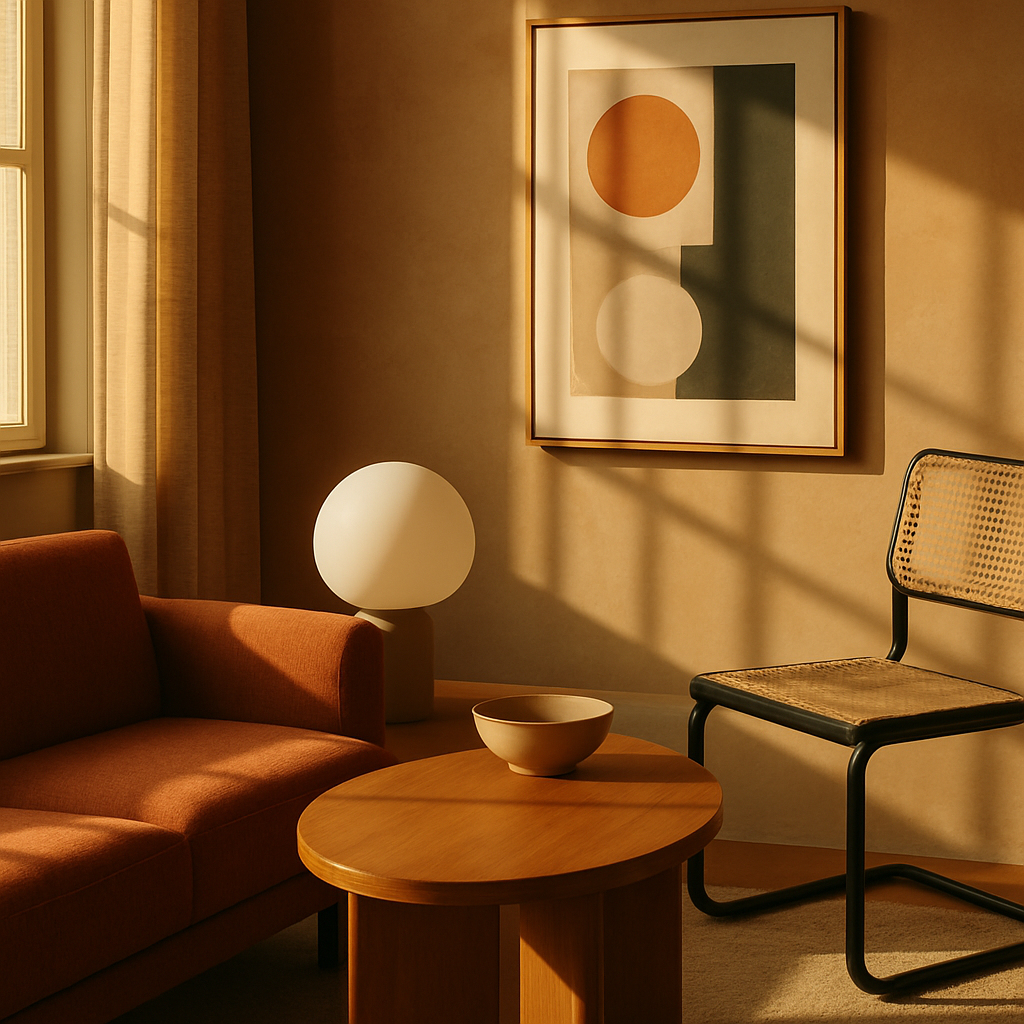
Imagine a space where form follows function, where sleek lines meet practical design, and where every piece of furniture serves a purpose. This is the essence of Bauhaus interior design. Originally born out of the German art school Staatliches Bauhaus in the early 20th century, this movement revolutionized the way we think about living spaces. With a focus on simplicity, functionality, and modern materials, Bauhaus design creates environments that are both stylish and livable. In this article, we will explore the ten essential elements of Bauhaus interior design, providing you with a roadmap to transform your space into a harmonious blend of art and utility.
Understanding the Foundation: Form Follows Function
Bauhaus design is grounded in the principle that design should be functional first and foremost. This means that every piece of furniture or decor is created to fulfill a specific purpose. The famous adage "form follows function" is not just a guideline but a philosophy that drives Bauhaus interiors. For instance, a chair is not merely a decorative piece; it is engineered for comfort and usability. This approach leads to simpler, more streamlined designs that are devoid of unnecessary ornamentation.
One of the defining characteristics of Bauhaus design is its use of industrial materials like steel, glass, and concrete. These materials were chosen for their strength, durability, and ability to be mass-produced. According to the International Interior Design Association (IIDA), these materials are not only practical but also contribute to the minimalist aesthetic that defines Bauhaus spaces. By utilizing materials that were once reserved for industrial purposes, Bauhaus designers were able to create a modern look that still feels fresh today.
Another foundational aspect of Bauhaus design is its emphasis on geometric shapes and clean lines. This can be seen in everything from the architecture of Bauhaus buildings to the furniture within them. Geometric forms provide visual clarity and order, which are key components of the Bauhaus aesthetic. When you look around your space, do the shapes and lines contribute to a sense of order and purpose, or do they feel chaotic? This question can help guide your design decisions as you incorporate Bauhaus elements into your home.
The Influence of Bauhaus on Modern Interior Design
The impact of Bauhaus design extends far beyond its origins in Germany. Today, its principles can be seen in modern interiors worldwide. A survey by Houzz found that minimalist design, a key characteristic of Bauhaus, remains one of the most popular styles among homeowners. This is largely due to its timeless appeal and ability to create spaces that feel both contemporary and comfortable. As you consider updating your home, think about how a minimalist approach might enhance your everyday experience.
Bauhaus design also emphasizes the integration of technology into the home. This is particularly relevant today, as smart home features like automated lighting and climate control systems become increasingly common. According to Architectural Digest, the incorporation of technology into home design is a natural extension of the Bauhaus principle that living spaces should be adaptable and efficient. How might smart technology enhance the functionality of your space while maintaining its aesthetic integrity?
Furthermore, Bauhaus design encourages the blending of indoor and outdoor spaces. This is achieved through large windows, open floor plans, and the use of natural materials. Biophilic design, which seeks to connect occupants with nature, is a direct descendant of this Bauhaus principle. The American Society of Interior Designers (ASID) notes that this connection with nature can improve mood and wellbeing. Consider how you might bring elements of the outdoors into your home to create a more harmonious living environment.
Implementing Bauhaus Design: Practical Steps
Ready to bring Bauhaus design into your home? Start by assessing your current space. Identify pieces that serve little functional purpose and consider replacing them with more practical alternatives. This doesn't mean sacrificing style for functionality. In fact, many Bauhaus-inspired pieces are both aesthetically pleasing and highly functional. Look for furniture that features clean lines and simple designs, such as a tubular steel chair or a glass coffee table.
Lighting plays a crucial role in Bauhaus design. Opt for fixtures that are both functional and sculptural, such as a pendant light with geometric shapes. Experienced professionals often note that lighting can dramatically affect the mood and usability of a space. Consider the different activities that take place in each room and choose lighting that enhances those functions. For example, task lighting in a kitchen or study can increase productivity, while ambient lighting in a living room can create a cozy atmosphere.
Color is another important element to consider. Bauhaus interiors typically feature a neutral color palette with pops of primary colors for contrast. This approach helps to keep spaces feeling open and airy, while the use of bold colors adds visual interest. When selecting colors, think about how they will interact with your space's natural light and existing materials. Are there opportunities to add a splash of color without overwhelming the simplicity of the design?
Advanced Insights: The Role of Texture and Material
While Bauhaus design is often associated with smooth, sleek surfaces, texture plays a vital role in adding depth and interest to a space. Incorporating a variety of textures, such as a wool rug or a leather chair, can prevent a minimalist space from feeling flat or sterile. According to the National Council for Interior Design Qualification (NCIDQ), which certifies interior designers, texture is essential in creating a balanced and inviting environment.
The choice of materials is equally important. While industrial materials like steel and glass are staples of Bauhaus design, you can also incorporate natural materials like wood and stone to add warmth. The juxtaposition of these materials can create a dynamic contrast that is visually appealing. Experienced designers often suggest using reclaimed materials to add character and sustainability to a space. This not only aligns with the Bauhaus ethos of functionality but also contributes to a more eco-friendly design.
Another advanced strategy is to focus on the craftsmanship of each piece. Bauhaus design values quality over quantity, meaning that every item should be well-made and durable. When selecting furniture or decor, pay attention to the construction and materials used. Investing in high-quality pieces can enhance the longevity and aesthetic of your space, ensuring that it remains both functional and beautiful for years to come.
Exploring Bauhaus Design in Different Rooms
Each room in your home can benefit from the principles of Bauhaus design. In the living room, focus on creating a comfortable yet functional gathering space. Choose seating that encourages conversation and relaxation, such as a modular sofa that can be rearranged as needed. A central coffee table with a simple design can serve as both a practical surface and a focal point for the room.
The kitchen, often considered the heart of the home, can also be enhanced by Bauhaus design. Streamlined cabinetry, built-in appliances, and efficient layouts are key to creating a functional cooking space. Consider open shelving to display everyday items and add a sense of openness. The use of durable materials, such as stainless steel countertops, can ensure that your kitchen stands up to daily use while maintaining its sleek appearance.
In the bedroom, aim for a tranquil, clutter-free environment. A platform bed with clean lines and ample storage can maximize space and minimize distractions. Use textiles to add warmth and comfort, and incorporate lighting that can be adjusted to suit different moods. The overall goal is to create a restful retreat that aligns with the Bauhaus principle of functional design.
Final Thoughts: Embracing Bauhaus in Your Home
Embracing Bauhaus interior design involves more than just choosing the right furniture or color palette. It's about adopting a mindset that values simplicity, functionality, and quality. As you consider incorporating Bauhaus elements into your home, remember that the ultimate goal is to create a space that enhances your daily life. What changes can you make today to bring your space closer to this ideal?
While Bauhaus design may appear minimalist at first glance, its impact is anything but simple. By focusing on the essentials and eliminating the superfluous, you can create a space that is both aesthetically pleasing and incredibly livable. This approach not only respects the past but also paves the way for innovative design solutions that are relevant today.
As we wrap up this exploration of Bauhaus interior design, consider how you might begin your transformation. Start by browsing portfolios on platforms like Houzz or Pinterest to gather inspiration and identify elements that resonate with you. Even a brief session of research can reveal new possibilities for your home.
Conclusion: Your Next Steps in Bauhaus Design
In summary, Bauhaus interior design offers a timeless approach to creating spaces that are both functional and beautiful. By focusing on elements like form, function, material, and simplicity, you can transform your home into a modern masterpiece. Whether you're redesigning a single room or your entire home, the principles of Bauhaus can guide your decisions and enhance your living environment.
Now that you're equipped with an understanding of Bauhaus design, it's time to take the next step. Start by evaluating your current space and identifying areas where you can incorporate Bauhaus elements. Consider reaching out to certified interior designers through the ASID or IIDA for expert guidance. Remember, even small changes can make a big difference. Begin your Bauhaus journey today and discover the transformative power of this iconic design style.
Start by browsing portfolios on Houzz this week - even 20 minutes of research will sharpen your eye for what you want.
More Articles You May Like



Comments
Post a Comment