Maximize Small Spaces: Innovative House Interior Design Ideas for Every Room
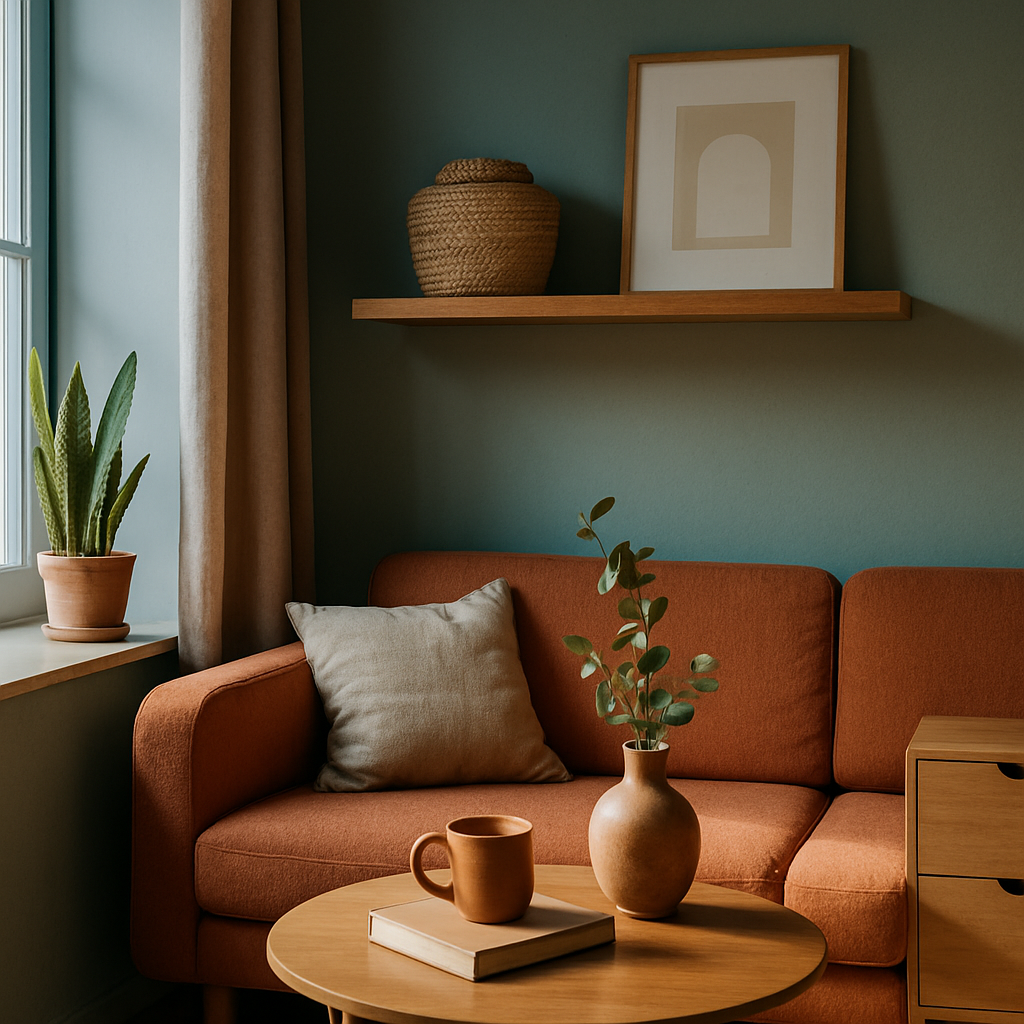
Have you ever felt confined by your home's small spaces, yearning for more room to breathe and move freely? You're not alone. According to recent surveys by Houzz, over 60% of homeowners are actively seeking ways to maximize their existing spaces. This growing trend highlights a key challenge in modern living. Luckily, interior design offers creative solutions that go beyond just making do with what you have. In this article, we'll explore innovative house interior design ideas that help you make the most of every inch. From foundational concepts and data-driven analysis to actionable strategies and expert insights, you'll find everything you need to transform your home into a more spacious, functional haven.
Understanding the Foundations of Small Space Design
Before diving into specific design strategies, it's essential to grasp the foundational concepts that guide small space transformations. One of the most critical aspects is understanding how to balance form and function. This means every piece of furniture and decor must serve a purpose beyond mere aesthetics. For instance, consider the use of multipurpose furniture, such as a sofa bed or an ottoman with storage. This approach not only saves space but also ensures that each item in the room contributes to its usability and visual appeal.
Another foundational principle is the strategic use of color and light. Light colors, such as whites, creams, and pastels, can make a room feel larger and more open. Meanwhile, natural light should be maximized wherever possible, as it creates a sense of depth and space. If your home lacks large windows, consider using mirrors to reflect light and create an illusion of a more expansive area. Mirrors can act as windows, doubling the perceived space and adding brightness to otherwise dim corners.
Finally, vertical space is often underutilized in small homes. Experienced professionals often note that elevating storage and decor can free up valuable floor space. Tall bookshelves, hanging planters, and high-mounted cabinets draw the eye upward, creating a sense of height and openness. By embracing these foundational concepts, you set the stage for more detailed and innovative design solutions.
Analyzing Small Space Design with Data
Statistics play a crucial role in understanding the effectiveness of small space design strategies. A study by the National Association of Home Builders (NAHB) reveals that well-designed small spaces can increase functionality by up to 30%. This statistic underscores the potential impact of thoughtful design on everyday living. By analyzing such data, designers can fine-tune their approaches to maximize space and utility.
Furthermore, research from the American Society of Interior Designers (ASID) shows a growing preference for open-concept layouts, even in smaller homes. This design choice allows for more natural light flow and communal living, which can make small spaces feel more inviting. The removal of non-essential walls and barriers is a practical application of this concept, promoting a sense of continuity and openness.
Another compelling data point comes from Houzz's annual survey, which indicates that 75% of homeowners who invest in small space design solutions report higher satisfaction levels. This statistic highlights the importance of design in enhancing not just physical space but also overall quality of life. By leveraging these data-driven insights, you can make informed decisions that align with both aesthetic desires and practical needs.
Actionable Strategies for Maximizing Every Room
When it comes to maximizing small spaces, the kitchen is often a primary focus. Consider incorporating pull-out pantry shelves and hanging pot racks to free up counter space. These simple yet effective solutions not only increase storage but also make everyday tasks more convenient. Another strategy is to use foldable or extendable dining tables that can adapt to different needs, whether you're hosting a dinner party or enjoying a quiet meal alone.
In the living room, think about integrating furniture that doubles as storage. Coffee tables with hidden compartments or sofas with built-in drawers can declutter your space while providing places to tuck away items. Additionally, wall-mounted desks are excellent for creating a functional home office without occupying valuable floor space, especially crucial for those working remotely.
For the bedroom, under-bed storage is a game-changer. Utilize rolling bins or drawers to store off-season clothing or extra linens. Meanwhile, consider vertical bed frames that incorporate shelves or bookcases, offering additional storage without sacrificing style. These strategies provide effective ways to maximize functionality without compromising on design.
Expert-Level Design Details
Delving deeper into expert-level design, biophilic design is a significant trend that enhances small spaces by integrating natural elements. This approach not only adds aesthetic appeal but also promotes well-being by connecting occupants with nature. Consider incorporating indoor plants, natural wood finishes, and stone elements to achieve this effect.
Another emerging trend is the use of AR/VR room visualization tools, which allows homeowners to experiment with different layouts before making permanent changes. Platforms like SketchUp and Virtual Architect empower you to visualize how new designs will look and function in your space, ensuring the best use of every square foot.
Moreover, the Japandi style-a fusion of Japanese minimalism and Scandinavian warmth-is gaining popularity for small space design. This style focuses on simplicity, functionality, and natural elements, making it ideal for compact areas. By embracing these expert-level details, you can create a space that is not only functional but also profoundly personal and calming.
Additional Depth: The Role of Technology
Technology plays an increasingly vital role in small space design. Smart home integration, such as automated lighting and climate control, contributes to a more efficient and adaptable living environment. These systems can be managed via smartphone apps, allowing you to modify your home's ambiance with a simple tap.
Additionally, the rise of smart furniture-like beds with built-in speakers or tables with wireless charging-demonstrates how technology can enhance functionality in small spaces. These innovations offer convenient solutions that cater to modern living demands, particularly in urban settings where space is at a premium.
Lastly, consider the benefits of modular furniture. This adaptable approach allows you to customize pieces according to your specific needs and room dimensions. For instance, modular sofas can be reconfigured to suit different occasions, providing flexibility in small living areas. Such technological advancements offer exciting possibilities for maximizing space while maintaining a contemporary aesthetic.
Final Perspectives on Small Space Design
As you consider the various strategies and trends for maximizing small spaces, it's essential to reflect on your personal lifestyle and preferences. What activities do you prioritize at home? How do you want your space to feel and function? Answering these questions will guide your design decisions and ensure that they align with your daily life.
Ultimately, successful small space design is about creating a home that feels spacious and accommodating, regardless of size. This involves not only making smart choices about furniture and layout but also embracing a mindset that values quality over quantity. As the industry continues to evolve, the possibilities for transforming small spaces into functional and beautiful environments are endless.
By applying these final perspectives, you can approach your small space design project with clarity and confidence.
Conclusion
In conclusion, maximizing small spaces requires a combination of foundational principles, data-driven insights, actionable strategies, and expert-level details. By understanding the role of color, light, and vertical space, you can create a more open and inviting home. Engaging with current trends and technology further enhances your ability to transform compact areas into functional and aesthetically pleasing spaces. As you embark on your design journey, start by browsing designer portfolios on Houzz or Instagram this week. Even 20 minutes of research will sharpen your eye for what you want. Your ideal home is just a few thoughtful choices away.



Comments
Post a Comment