Top Trends in Interior Design Services You Need to Know
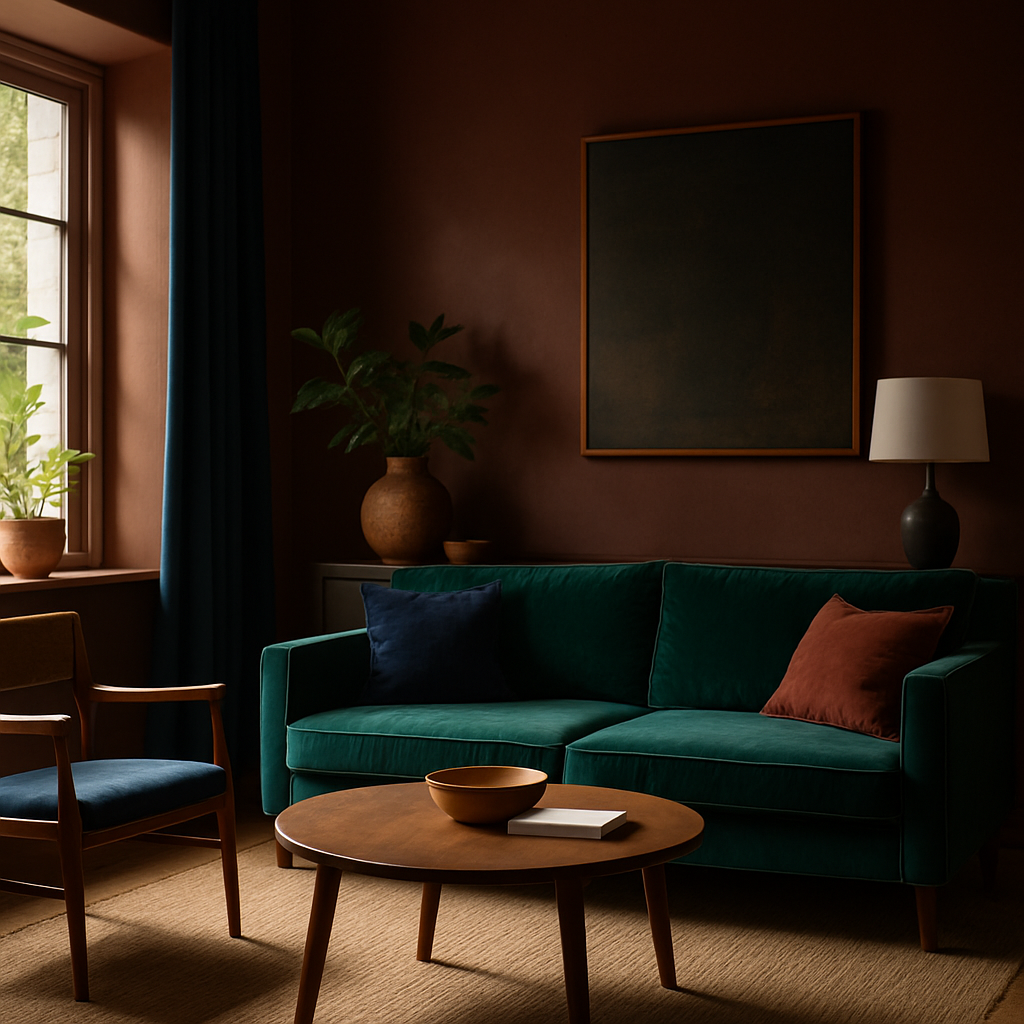
Is your home keeping pace with the way you actually live, or has it fallen behind the rapid changes in how we work, relax, and connect? The interior design industry is undergoing a significant transformation, driven by shifting lifestyle priorities, technological advances, and a growing body of research on how our environments affect our well-being. The International Interior Design Association (IIDA) notes that demand for design services has surged as homeowners recognize the gap between their evolving needs and their static living environments. From biophilic design that strengthens our bond with nature to smart home systems that anticipate our daily routines, the trends shaping interior design services today are not superficial aesthetic shifts; they represent fundamental changes in how professionals approach the creation of residential spaces. This guide examines the most impactful trends transforming the industry and explains how each one could reshape your home for the better.
Biophilic Design Goes Mainstream
Biophilic design has transitioned from an emerging concept to a core competency that clients increasingly expect from their interior design professionals. Rooted in the scientific understanding that humans possess an innate need to connect with nature, biophilic design encompasses far more than adding plants to a room. Professional designers now approach it as a systematic framework that addresses natural light optimization, organic material specification, living systems integration, and spatial configurations that echo natural environments. The American Society of Interior Designers (ASID) has expanded its professional development curriculum to include biophilic design principles, recognizing that practitioners need formal training to deliver these services at the level clients now demand.
The implementation of biophilic design at the professional level involves a layered approach that engages multiple senses simultaneously. Visual connections to nature through strategically placed windows, indoor gardens, and natural material finishes form the most obvious layer, but skilled designers go further by incorporating acoustic elements like water features and sound-absorbing natural materials, olfactory dimensions through living herb gardens and natural wood scents, and tactile experiences through varied surface textures ranging from rough stone to smooth timber. Research published in environmental health journals has demonstrated that multi-sensory biophilic environments can reduce stress markers by up to 25% compared to conventional interiors, providing a scientific foundation for what many homeowners intuitively feel when they enter a nature-connected space.
What makes this trend particularly significant for the design services industry is its technical complexity, which creates clear value for professional involvement. Installing a living green wall, for instance, requires expertise in structural engineering, irrigation system design, plant selection based on available light and climate conditions, and ongoing maintenance planning. A water feature demands plumbing infrastructure, waterproofing, acoustic engineering, and careful integration with surrounding finishes. These are not projects that lend themselves to weekend DIY efforts, and homeowners who attempt them without professional guidance frequently encounter problems that range from water damage to plant die-off. The NCIDQ examination now includes questions on biophilic design implementation, reflecting how central this specialty has become to professional practice. Have you noticed how differently you feel in spaces that feature natural elements compared to purely artificial environments?
The Rise of Japandi in Professional Design
Japandi continues to gain momentum as one of the defining aesthetic movements in residential design, and the demand for designers who can execute this style with authenticity has grown accordingly. The fusion of Japanese and Scandinavian design principles produces spaces that are simultaneously warm and refined, simple and sophisticated, functional and beautiful. Professional designers approaching Japandi must understand both design traditions deeply enough to create genuine synthesis rather than superficial pastiche. This requires knowledge of Japanese concepts like wabi-sabi, ma (negative space), and kanso (simplicity), alongside Scandinavian principles of hygge (coziness), lagom (balance), and functionalism that prioritizes democratic access to good design.
Sourcing authentic materials and furnishings for Japandi interiors has become a specialized skill within the design profession. Designers working in this style often maintain direct relationships with Japanese ceramics studios, Scandinavian furniture workshops, and timber suppliers who can provide the specific wood species and finishes that define the Japandi palette. Houzz data shows that homeowners seeking Japandi design overwhelmingly prefer to work with professionals rather than attempt the style independently, largely because the subtlety of the aesthetic makes it difficult to achieve without expert curation. The difference between a successfully executed Japandi interior and a room that simply looks sparse comes down to the quality, proportion, and intentional placement of every element, skills that professional designers develop through years of practice.
The Japandi trend has also influenced how design firms structure their service offerings. Many now include curated material libraries specific to this style, offer Japandi-focused consultation packages, and partner with artisan networks that can deliver custom pieces aligned with the aesthetic. Some design practices have developed proprietary sourcing channels in both Japan and Scandinavia, giving their clients access to objects and materials unavailable through domestic retail channels. AD PRO has profiled several firms that have built their entire practice around this intersection of cultures, demonstrating how a strong stylistic focus can differentiate a design business in a competitive market. For homeowners drawn to Japandi, seeking out designers with demonstrated expertise and established sourcing relationships in this specific style is the most reliable path to an authentic result.
Smart Home Integration Becomes Standard Practice
Smart home technology has matured to the point where it is no longer a specialty add-on but a standard component of professional interior design services. Clients across all budget levels now expect their designers to address technology integration as part of the design process, whether that means specifying a basic smart lighting system or orchestrating a whole-home automation platform that controls climate, security, entertainment, lighting, and window treatments from a unified interface. IIDA industry surveys indicate that over 60% of design firms now list smart home integration as a core service offering, up dramatically from previous reporting periods, and the trend continues to accelerate as technology becomes more reliable and affordable.
The design challenge with smart home technology lies in concealment and interface design rather than the technology itself. Clients want the benefits of automation without the visual presence of technology infrastructure cluttering their carefully designed spaces. Professional designers address this through architectural integration, specifying in-wall speaker systems that are invisible when installed, motorized shade mechanisms hidden within custom architraves, touchscreen controllers that blend into wall surfaces, and equipment closets that house networking and automation hardware out of sight. This concealment requires early coordination between the designer, architect, and technology installer, which is why smart home planning must begin during the design phase rather than being retrofitted after construction is complete.
For design service providers, smart home expertise has become a competitive differentiator that attracts a premium client demographic. Homeowners investing in whole-home automation typically have higher overall project budgets and are willing to pay designer rates of $300 to $500 per hour for professionals who demonstrate fluency in both aesthetics and technology. Many design firms have responded by adding certified technology consultants to their teams or establishing formal partnerships with smart home installation companies. ASID members with technology specialization report that this dual expertise leads to significantly higher client retention and referral rates, because the designer who can handle both the beautiful and the technical becomes indispensable. What would your ideal smart home do for you that your current home cannot?
Quiet Luxury Reshapes High-End Design Services
The quiet luxury movement has fundamentally altered the expectations of high-end design clients, creating demand for a service approach that prioritizes connoisseurship over spectacle. Where previous generations of affluent homeowners might have sought interiors that announced their wealth through bold statement pieces and recognizable designer labels, the current preference runs toward spaces where exceptional quality is felt through material richness, construction precision, and design restraint. Professional designers serving this market must possess deep knowledge of premium materials, artisan production methods, and the subtle details that distinguish extraordinary craftsmanship from merely expensive products. AD PRO has chronicled this shift extensively, noting how it has elevated the role of the designer from aesthetic advisor to trusted curator of quality.
The procurement process for quiet luxury interiors is substantially different from conventional design projects and represents one of the clearest areas where professional involvement adds irreplaceable value. Designers operating in this space source materials from quarries, tanneries, weaving studios, and woodworking ateliers that do not have retail presences or consumer-facing websites. A single dining table might involve commissioning a specific timber slab from a sawmill, engaging a master joiner to execute the design, and specifying a hand-applied finish that requires weeks to cure properly. This level of bespoke specification is impossible without the industry relationships that experienced designers cultivate over their careers. Clients investing at this level, where individual furniture pieces may cost five figures, need the assurance that every selection represents the finest available option for their specific application.
Design service fees in the quiet luxury segment reflect the additional time, expertise, and relationship management involved. While the hourly rates may sit at the upper end of the $150 to $500 range, the value delivered is proportionally greater because the designer's decisions involve larger financial commitments and longer lead times. A mistake in specifying a $50,000 custom sofa is far more consequential than an error in choosing a $2,000 retail piece, and clients rightly expect their designer to bring a level of knowledge and care commensurate with the stakes involved. NCIDQ certification and membership in professional organizations like ASID serve as baseline indicators that a designer possesses the foundational knowledge needed for this demanding work, though quiet luxury specialization requires additional expertise that typically comes from years of focused practice in the high-end residential market.
Wellness-Centered Design as a Service Category
Wellness-centered design has emerged as a distinct service category that synthesizes elements from biophilic design, ergonomic planning, air quality management, and circadian lighting into a holistic approach focused on supporting human health. This trend reflects growing consumer awareness that the built environment directly impacts physical and mental well-being, supported by a substantial body of research from organizations like the WELL Building Institute and the International WELL Building Institute. Professional designers offering wellness-centered services assess clients' health goals and translate them into spatial strategies: home gyms optimized for specific workout routines, meditation rooms designed for acoustic isolation and sensory calm, kitchens configured to encourage healthy cooking habits, and bedrooms engineered for optimal sleep quality.
Air quality management has become a particularly important component of wellness-centered design services. With people spending the vast majority of their time indoors, the quality of interior air directly affects respiratory health, cognitive performance, and overall well-being. Professional designers address this through material specification, choosing low-VOC paints, formaldehyde-free cabinetry, and natural fiber flooring that minimizes off-gassing. They also design ventilation strategies that ensure adequate fresh air exchange without compromising energy efficiency, and may specify air purification systems integrated into the HVAC infrastructure. These interventions require technical knowledge that extends beyond traditional design training, which is why ASID and IIDA have both introduced wellness-focused continuing education tracks for their members.
Circadian lighting represents another frontier in wellness-centered design where professional expertise delivers measurable health benefits. The human circadian rhythm, our internal clock that regulates sleep, hormone production, and metabolism, is profoundly influenced by the color temperature and intensity of light exposure throughout the day. Professional lighting designers create systems that mimic natural daylight progression, delivering cool, energizing blue-white light in the morning, transitioning to neutral midday tones, and shifting to warm amber hues in the evening that promote melatonin production and restful sleep. These systems require careful specification of light sources, control systems, and spatial placement to achieve the desired biological effects. Houzz reports that circadian lighting is among the fastest-growing client requests in the design services market, driven by homeowners who have experienced the sleep quality improvements these systems deliver. How would your daily energy and sleep patterns change if your home lighting worked with your biology rather than against it?
Sustainability and Circular Design Practices
Sustainability has evolved from a niche client concern to a mainstream expectation that influences nearly every decision within professional interior design services. Designers are responding by incorporating circular design principles, selecting materials that can be recycled, repurposed, or composted at the end of their useful life rather than contributing to landfill waste. This approach extends beyond material selection to encompass furniture specification, favoring manufacturers who offer take-back programs, use certified sustainable timber, and produce pieces designed for disassembly and component replacement rather than wholesale disposal. The IIDA has published comprehensive guidelines for sustainable design practice that many firms now use as operational frameworks for their project decision-making.
The sourcing of reclaimed and upcycled materials has become a specialized skill within the design profession, creating a new service dimension that clients find particularly compelling. Professional designers maintain networks of salvage yards, reclamation specialists, and artisan workshops that transform reclaimed timber, vintage hardware, and architectural salvage into stunning design elements with stories and character that new materials cannot match. A reclaimed barn wood accent wall, a dining table crafted from salvaged industrial machinery, or light fixtures fashioned from vintage glass, these elements add depth and narrative to a space while keeping materials out of the waste stream. Clients increasingly value these narratives, wanting to know the provenance of materials in their homes as part of a broader commitment to conscious consumption.
- Material certification awareness: Designers now routinely specify materials with FSC, Cradle to Cradle, or GREENGUARD certifications, ensuring that sustainability claims are independently verified rather than relying on manufacturer marketing
- Local sourcing strategies: Reducing transportation emissions by sourcing materials and furnishings from regional producers, which also supports local craft economies and shortens lead times
- Longevity-focused specification: Choosing materials and construction methods that maximize useful life, reducing the frequency of replacement cycles and their associated environmental impact
- Adaptive reuse design: Creating spaces with flexible layouts and modular furniture systems that can be reconfigured as needs change, extending the functional life of both the space and its furnishings without requiring complete renovation
The business case for sustainability in design services is strengthening as clients demonstrate willingness to invest in environmentally responsible choices. ASID member surveys indicate that sustainability considerations now rank among the top three decision factors for clients selecting a design professional, alongside aesthetic alignment and budget compatibility. Designers who can articulate the environmental impact of their material choices and demonstrate a systematic approach to sustainable specification are winning projects over competitors who treat sustainability as an afterthought. This trend shows no signs of reversing; if anything, the intersection of environmental consciousness and interior design will only deepen as climate awareness continues to grow and regulatory frameworks increasingly favor sustainable building practices.
Conclusion
The trends reshaping interior design services reflect a profession that is becoming more technical, more evidence-based, and more attuned to the holistic impact of built environments on human well-being. From the multi-sensory richness of biophilic design to the cultural sophistication of Japandi, from the material connoisseurship of quiet luxury to the intelligent automation of smart home systems, these movements demand professional expertise that extends well beyond traditional aesthetic advisory. Wellness-centered design and sustainable practice add further dimensions that require specialized knowledge in areas like circadian biology, air quality science, and circular material economics. For homeowners, these trends represent an extraordinary opportunity to create living spaces that are not merely beautiful but genuinely supportive of health, comfort, and environmental responsibility. Explore which trends resonate most with your values and lifestyle, then seek out credentialed professionals through ASID, IIDA, or NCIDQ directories who demonstrate proven expertise in those specific areas. The future of home design is here, and it is richer, smarter, and more meaningful than ever before.
More Articles You May Like



Comments
Post a Comment