Transform Your Space: Lessons from the Heritage School of Interior Design
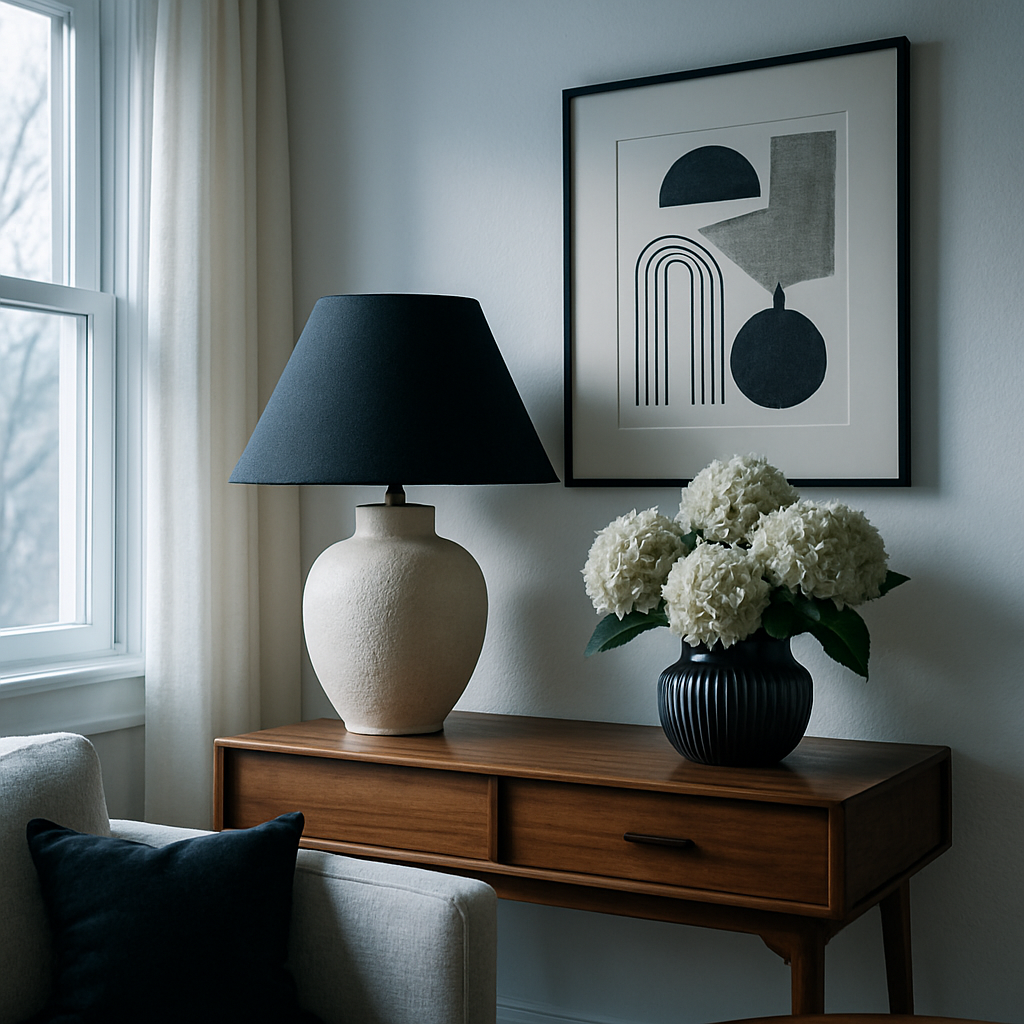
Did you know that well-designed interiors can increase a home's resale value by 5-15%? According to Houzz survey data, investing in professional interior design not only elevates your living space but also enhances your property's market appeal. The Heritage School of Interior Design teaches students to transform ordinary spaces into extraordinary environments through a blend of practical skills and creative insight. In this article, we'll explore key lessons from the Heritage School, offering you a roadmap to enhance your home using professional design principles. From foundational concepts to expert-level insights, join us on a journey to transform your space.
Understanding Foundational Design Concepts
The Heritage School of Interior Design emphasizes the importance of foundational design principles. These include balance, harmony, and proportion-concepts that are essential for creating aesthetically pleasing spaces. Balance, for instance, involves distributing visual weight evenly across a room, whether through symmetrical arrangements or strategic use of color and texture. An example could be the placement of matching chairs on either side of a focal point like a fireplace. This approach creates a sense of equilibrium that is both visually satisfying and functional.
Harmony involves the cohesive blending of different elements within a space. It's about ensuring that all components, from furniture to accessories, work together to create a unified look. Experienced professionals often note that successful harmony can be achieved by adhering to a consistent color palette or by selecting pieces that share similar design motifs. The result is a space that feels intentional and thoughtfully curated.
Proportion refers to the relationship between elements in a room in terms of size and scale. For instance, a large sofa in a small room can feel overwhelming, while a petite coffee table in a spacious living area might go unnoticed. Designers from the Heritage School teach students to carefully consider proportions to enhance the functionality and aesthetics of a space. Understanding these foundational concepts is crucial as we delve into more complex design strategies.
With a grasp of these basics, we can explore how these principles are applied in practice with real-world data and examples.
The Role of Data in Interior Design
Incorporating data into the design process is a key lesson from the Heritage School. According to ASID research, understanding client demographics and preferences can significantly influence project outcomes. For instance, designers who leverage data on homeowner preferences-such as desired room function or popular color palettes-can tailor their designs to meet client needs more effectively. This data-driven approach not only ensures client satisfaction but also enhances the designer's reputation.
Moreover, Houzz surveys reveal that 75% of homeowners prioritize functionality over aesthetics when redesigning a space. This insight prompts designers to focus on practical elements such as storage solutions and efficient layouts. For example, a designer might incorporate built-in shelving or multi-functional furniture to maximize space utility. By aligning design decisions with data, designers can create spaces that are both beautiful and functional.
The integration of technology also plays a crucial role. With tools like AR/VR room visualization, designers can offer clients a preview of the final result before any physical changes are made. This not only enhances client engagement but also minimizes the risk of costly design mistakes. As we move forward, let's look at actionable strategies you can apply to your own home.
By understanding how data influences design, you're better equipped to make informed decisions about your space.
Actionable Strategies for Your Home
Applying lessons from the Heritage School to your own space involves a mix of creative thinking and practical planning. Start by mapping out how you actually use each room in your home. Where do you drop your keys? Where do the kids do homework? Understanding these patterns will help you identify areas that need improvement. For example, if your entryway is cluttered, consider adding a console table with storage baskets to keep things organized.
Next, prioritize lighting as a transformative element. According to Architectural Digest, proper lighting can drastically change a room's ambiance. Experiment with a mix of overhead lighting, task lighting, and accent lighting to create layers of illumination. For instance, use pendant lights over a dining table for focused brightness, while adding floor lamps for softer, ambient light in living areas.
Finally, don't underestimate the power of color. The Heritage School teaches that color can influence mood and perception. Choose colors that align with the function of the room-calming blues for bedrooms, energizing yellows for kitchens, and so on. Paint is an affordable way to make a significant impact, so consider trying a new hue to refresh your space.
These actionable strategies provide a foundation for enhancing your home's design. Next, we'll explore expert-level techniques for more sophisticated transformations.
Expert-Level Design Techniques
For those seeking to elevate their design game, the Heritage School offers advanced techniques that can be applied to any space. One such approach is biophilic design, which integrates natural elements into the home. This trend focuses on connecting interiors with the natural world through the use of materials like wood and stone or by incorporating indoor plants and living walls. Biophilic design not only enhances aesthetics but also promotes well-being by reducing stress and increasing productivity.
Another expert technique is the integration of smart home technology. The International Interior Design Association (IIDA) notes that smart lighting, climate control, and automated window treatments are increasingly popular. These technologies offer convenience and efficiency, while also allowing for personalized settings that enhance comfort. Implementing smart technology can be as simple as installing a smart thermostat or as comprehensive as a fully integrated home automation system.
Japandi style, a blend of Japanese minimalism and Scandinavian warmth, is another sophisticated design trend. It emphasizes simplicity, functionality, and natural materials, creating serene and clutter-free spaces. To achieve this look, select furniture with clean lines, use a neutral color palette, and incorporate textures like woven fabrics and natural wood. This style not only looks elegant but also creates a calming environment.
With these expert techniques in mind, you can further refine your design approach, adding depth and sophistication to your home.
Delving Deeper into Design
Beyond aesthetics, the Heritage School encourages exploration of the deeper aspects of design. This includes understanding the cultural and historical context of design choices. For instance, the use of reclaimed materials not only supports sustainability but also connects a space to its historical roots. Experienced designers often source vintage or reclaimed pieces that tell a story, adding character and depth to modern interiors.
Another area of focus is the psychological impact of design. The NCIDQ (National Council for Interior Design Qualification) highlights the importance of designing spaces that cater to emotional well-being. This involves creating environments that reduce stress and promote relaxation. Techniques such as optimizing natural light, incorporating calming colors, and ensuring good ventilation all contribute to a healthier living space.
Finally, the Heritage School teaches the importance of personal expression in design. While professional guidance is invaluable, your home should reflect your personality and lifestyle. This might mean showcasing personal collections, selecting artwork that resonates with you, or designing a space that accommodates your hobbies. By combining professional techniques with personal touches, you create a space that is uniquely yours.
With these deeper insights, you're empowered to approach design with a holistic perspective, considering both form and function.
Final Perspectives on Space Transformation
As you embark on your journey to transform your space, remember that design is as much about self-expression as it is about aesthetics. The lessons from the Heritage School of Interior Design equip you with the knowledge to make thoughtful, informed decisions about your home. Whether you're integrating biophilic elements, embracing smart technology, or simply rethinking your room layouts, each step contributes to creating a space that reflects your values and enhances your daily life.
Consider how these design strategies align with your personal goals. Are you looking to create a more functional family area, or perhaps a serene personal retreat? By defining your objectives, you can tailor your design approach to meet your specific needs. This personalized strategy will not only enhance your living environment but also enrich your overall lifestyle.
As we conclude, let's summarize the transformative potential these strategies hold for your space.
Conclusion
Transforming your space is a journey that combines creativity, data, and personal expression. By applying the lessons from the Heritage School of Interior Design, you can create an environment that is both beautiful and functional. From foundational principles to expert-level techniques, each strategy offers unique opportunities to enhance your home. Now is the time to take action. Start by browsing portfolios on platforms like Houzz and Instagram this week-spending even 20 minutes will sharpen your eye for what you want. Remember, the perfect design is one that reflects who you are and how you live. Take the first step today and watch your space transform.



Comments
Post a Comment