The Ultimate Guide to Sustainable Home Interior Design: Tips and Ideas
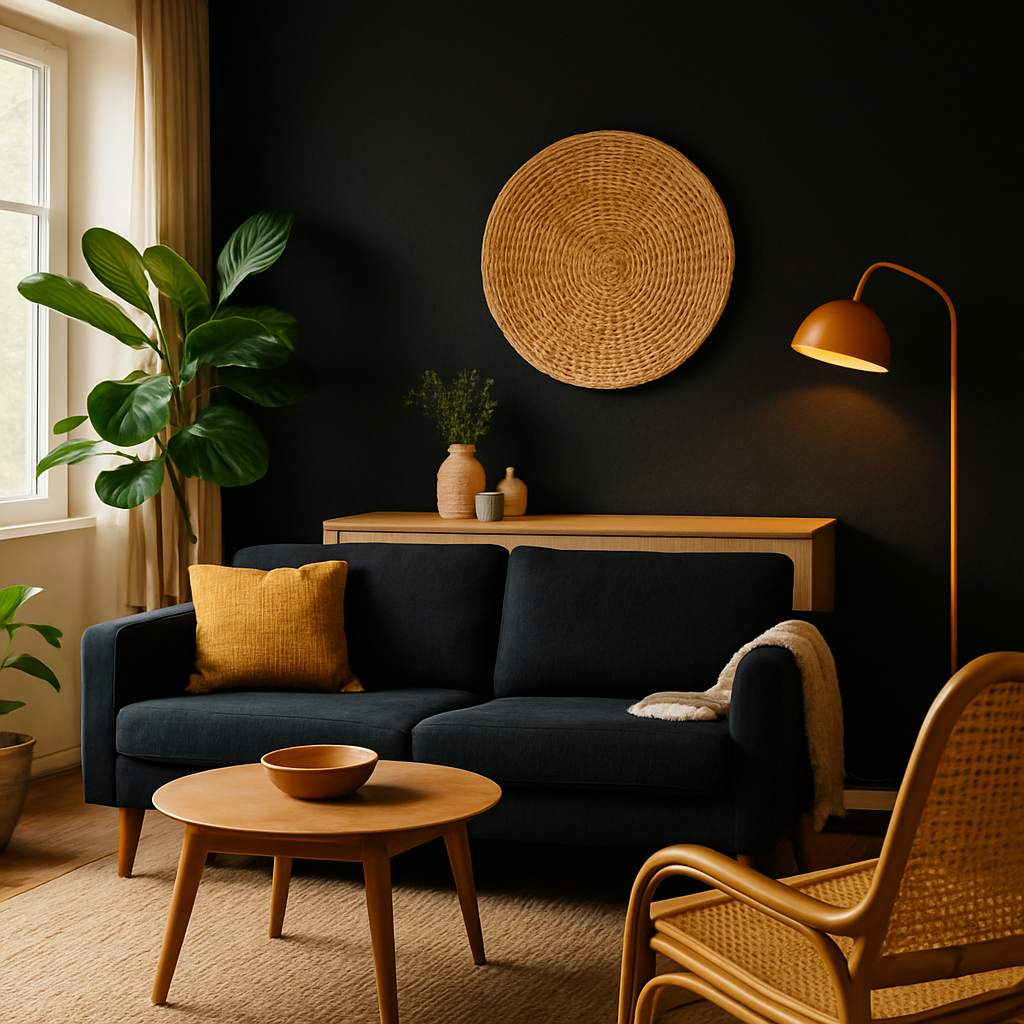
Imagine transforming your home into an eco-friendly sanctuary that not only reflects your personal style but also contributes positively to the environment. According to Houzz's annual survey, 48% of homeowners are integrating sustainable practices into their home designs. This growing trend underscores the importance of making informed choices. In this guide, we'll explore foundational concepts of sustainable interior design, delve into deeper analysis with real data, and provide you with actionable strategies to transform your living spaces. Furthermore, we'll share expert-level details and additional insights to ensure you have everything you need to craft a home that's both beautiful and sustainable.
Understanding the Foundations of Sustainable Interior Design
Sustainable interior design is rooted in the principles of reducing resource consumption, minimizing waste, and creating healthier indoor environments. At its core, it involves selecting materials and products that have a minimal impact on the environment throughout their lifecycle. This includes everything from how materials are sourced, to their durability, and ultimately, how they can be disposed of responsibly. The American Society of Interior Designers (ASID) emphasizes the importance of lifecycle assessments when choosing materials for your home.
One foundational concept is the use of sustainable materials such as bamboo, reclaimed wood, and recycled metals. These materials not only reduce environmental impact but also offer unique aesthetic qualities. For example, bamboo, which grows rapidly and requires minimal pesticides, can be used in flooring and furniture, providing a sleek, modern look. Similarly, reclaimed wood can add warmth and character to a space, while supporting the reduction of deforestation.
Another essential element of sustainable design is energy efficiency. This involves optimizing natural light, using energy-efficient lighting solutions, and incorporating smart home technology. By leveraging energy-efficient LED lighting and smart thermostats, you can significantly reduce energy consumption and costs. As we transition to the next section, consider how these foundational elements can be quantified to truly understand their impact.
Quantifying the Impact of Sustainable Design Choices
To truly grasp the benefits of sustainable interior design, it's important to examine the data. According to the U.S. Green Building Council, buildings account for approximately 39% of CO2 emissions in the United States. By integrating sustainable design practices, you can contribute to reducing this figure. For instance, homes designed with energy-efficient systems can see a reduction in energy usage by up to 30%, translating to significant cost savings over time.
Moreover, the use of sustainable materials can significantly impact your home's carbon footprint. A study by the International Interior Design Association (IIDA) found that using recycled materials can lower embodied carbon emissions by up to 40%. This not only supports environmental preservation but also enhances the overall value of your home. Real estate experts often note that sustainably designed homes can command 5-15% higher resale values, making them a smart investment.
Another important metric is indoor air quality, which can be vastly improved by selecting low-VOC (volatile organic compounds) paints and finishes. These products reduce the release of harmful chemicals, creating healthier living environments. As we move into the next section, think about how you might incorporate these impactful choices into your own home.
Actionable Strategies for a Sustainable Home
Now that we understand the impact of sustainable design, let's explore some actionable strategies you can implement. Start by conducting an energy audit of your home to identify areas where efficiency can be improved. This might involve installing more insulation, upgrading to energy-efficient appliances, or adding solar panels. Not only do these changes reduce energy consumption, but they also lower utility bills, offering a financial incentive.
Next, consider implementing biophilic design elements, which connect your home to the natural environment. This could involve incorporating indoor plants, water features, or natural textures like stone and wood. Experienced professionals often note that biophilic design can enhance mood and productivity, making it a worthwhile investment for both your personal well-being and the planet.
Finally, think about the furniture and decor in your home. Choose pieces made from sustainable materials and opt for durable, timeless designs that won't need replacing frequently. Platforms like Houzz offer a wide array of designer portfolios featuring sustainable choices. As you plan these updates, remember that even small changes can make a big difference. Next, we'll dive deeper into expert-level details to refine your approach.
Expert-Level Insights for Sustainable Design
For those looking to elevate their sustainable interior design efforts, consulting with certified professionals can provide invaluable guidance. Certified interior designers, holding credentials like the NCIDQ (National Council for Interior Design Qualification), bring a wealth of knowledge on sustainable practices and compliance with environmental standards. They can help you navigate complex decisions, such as selecting the right materials or optimizing space for energy efficiency.
Additionally, leveraging technology can enhance your design process. Augmented reality (AR) and virtual reality (VR) tools are becoming increasingly popular for visualizing room layouts and materials before making final decisions. This allows you to experiment with different sustainable options without committing to costly changes. Platforms like Architectural Digest's AD PRO offer insights and tools for integrating these technologies into your design process.
Moreover, expert designers often emphasize the importance of considering the long-term impact of your design choices. This means prioritizing durability and quality over trendy, short-lived solutions. Investing in high-quality, sustainably sourced materials may have a higher upfront cost, but it pays off in longevity and reduced environmental impact. As we delve into additional depth, think about how you can apply these insights to achieve your sustainable design goals.
Diving Deeper into Sustainable Design Practices
Another layer of sustainable design is incorporating water-saving fixtures and appliances. Low-flow faucets, showerheads, and dual-flush toilets can significantly reduce water usage, aligning with eco-friendly goals. The Environmental Protection Agency (EPA) estimates that by switching to WaterSense labeled products, homeowners can save up to 20% on water bills, which underscores the practical benefits of these sustainable choices.
Consider also the role of color and texture in sustainable design. Using natural dyes and finishes not only enhances the aesthetic appeal of your home but also aligns with eco-friendly practices. Textiles made from organic cotton, hemp, or linen are excellent choices, reducing reliance on synthetic materials and supporting sustainable agriculture. Platforms like Pinterest are excellent for sourcing creative ideas and inspirations for such designs.
Finally, community engagement can play a role in sustainable design. Supporting local artisans and businesses not only reduces the carbon footprint associated with long-distance shipping but also fosters sustainable economic practices. Many communities have local markets or exhibitions showcasing sustainable products and designs. As we approach the conclusion, think about how these additional practices can be incorporated into your sustainable design journey.
Final Perspectives on Sustainable Interior Design
As you embark on your sustainable interior design journey, it's essential to remember that every choice counts. From the materials you select to the way you arrange your spaces, each decision has an impact. The transition towards a more eco-friendly home may require time and investment, but the benefits-both environmental and personal-are significant.
Consider this: How can your home reflect not only your style but also your values? By integrating sustainable practices, you're not just designing a space; you're contributing to a larger movement towards sustainability. It's an opportunity to make a meaningful difference while creating a home that you love.
As we conclude, think about the actionable steps you can take today to begin this transformation. Whether it's upgrading to energy-efficient appliances, selecting sustainable materials, or consulting with a certified designer, every step brings you closer to a more sustainable future.
Conclusion: Taking the Next Step Towards Sustainability
Sustainable interior design offers a pathway to creating a home that is both beautiful and environmentally responsible. By understanding foundational concepts, analyzing the impacts of your choices, and implementing actionable strategies, you can craft a space that reflects your commitment to sustainability. The insights and expert advice shared here provide a comprehensive framework for making informed decisions.
Ready to start your sustainable design journey? Begin by browsing portfolios on platforms like Houzz this week- even dedicating 20 minutes to research can sharpen your eye for what you truly want. As you explore, consider reaching out to certified interior designers who can guide you through the process, ensuring that your choices align with both your aesthetic and sustainable goals.
Remember, every small change contributes to a larger impact. By taking these steps, you're not only enhancing the beauty of your home but also paving the way for a greener, more sustainable future.



Comments
Post a Comment