Transform Your Kitchen: Stylish Spaces for Healthy Recipe Creation
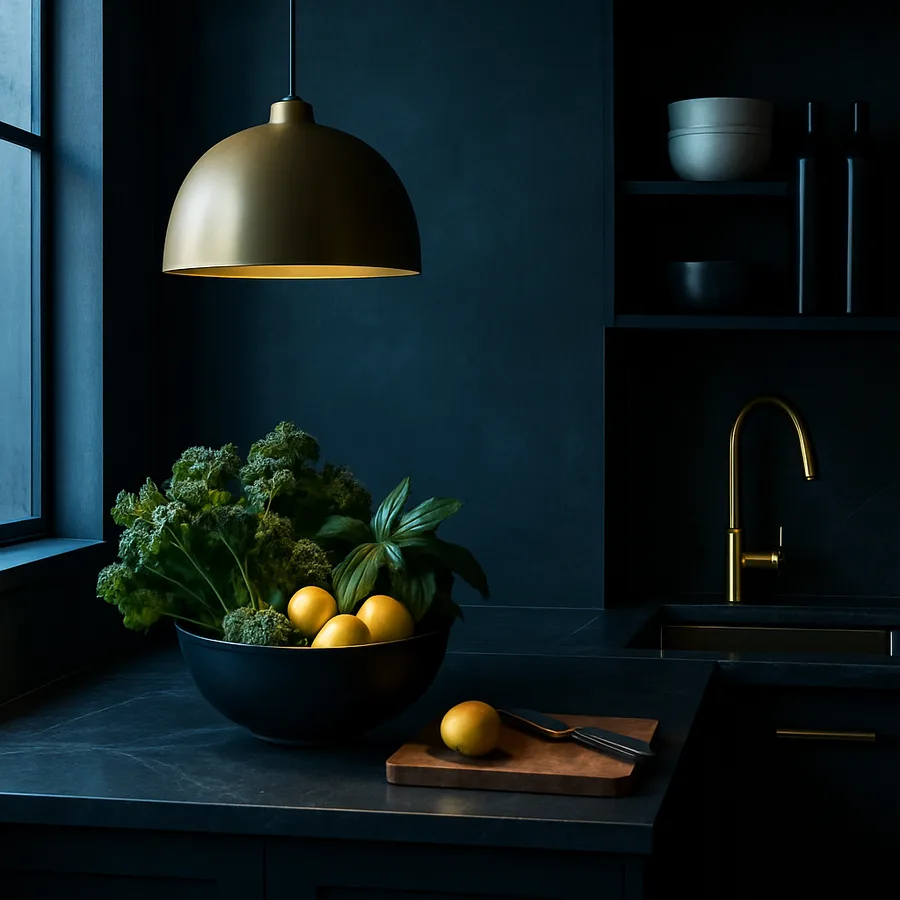
The Connection Between Kitchen Design and Nutritious Cooking
The relationship between a well-designed kitchen and healthy eating habits runs deeper than most homeowners realize. According to a study published by the American Society of Interior Designers (ASID), 87% of homeowners who invested in a kitchen redesign reported cooking at home more frequently within the first six months. This statistic underscores a fundamental truth about interior design: the spaces we inhabit directly shape the behaviors we adopt. When a kitchen feels inviting, organized, and aesthetically pleasing, it naturally draws us toward spending more time preparing wholesome meals rather than reaching for takeout menus. The psychology behind this phenomenon is well documented, and leading design professionals have long championed the idea that form and function must work in tandem to support a healthy lifestyle.
Interior designers affiliated with the International Interior Design Association (IIDA) emphasize that kitchen layouts should prioritize what they call the "wellness workflow." This concept involves arranging prep stations, storage, and cooking zones in a way that minimizes friction and maximizes efficiency. When you can move seamlessly from washing vegetables to chopping them on a spacious countertop, and then transferring them to a pan on a nearby range, the entire process of cooking healthy meals becomes less of a chore and more of a pleasure. A kitchen that fights against you with cramped counters, poor lighting, and disorganized storage will inevitably push you toward simpler, less nutritious options. The layout itself becomes either an enabler or a barrier to healthy eating.
Beyond layout, the visual atmosphere of a kitchen plays a surprisingly powerful role in influencing food choices. Research from Cornell University's Food and Brand Lab found that cluttered, chaotic kitchens led participants to consume 44% more snack food than those who spent time in organized, calm kitchen environments. This finding has profound implications for interior designers working with health-conscious clients. By creating serene, uncluttered spaces with thoughtful storage solutions, designers can actively support their clients' nutritional goals. The colors on the walls, the quality of the lighting, and even the textures of the countertop materials all contribute to a psychological environment that either encourages or discourages mindful cooking and eating.
Choosing Materials That Support a Healthy Kitchen Environment
Material selection in kitchen design extends far beyond aesthetics, though beauty certainly matters. The surfaces you choose for countertops, flooring, and cabinetry directly impact the hygiene, safety, and overall healthfulness of your cooking environment. Quartz countertops, for instance, have surged in popularity among health-conscious homeowners because they are nonporous, meaning bacteria and viruses cannot penetrate the surface. According to Houzz's annual Kitchen Trends Study, quartz has overtaken granite as the most popular countertop material, with 43% of renovating homeowners choosing it for both its aesthetic versatility and its hygienic properties. This shift reflects a broader trend in interior design where health considerations drive material choices.
Flooring is another area where health and style intersect in meaningful ways. Traditional vinyl flooring, while affordable, can release volatile organic compounds (VOCs) that compromise indoor air quality. Forward-thinking designers recommended by the National Council for Interior Design Qualification (NCIDQ) increasingly specify materials like porcelain tile, natural stone, or certified low-VOC hardwood for kitchen floors. These materials not only look stunning but also contribute to cleaner indoor air, which is especially important in a room where you prepare food and spend significant amounts of time. The investment in healthier flooring materials pays dividends in both the short and long term, supporting respiratory health while providing a durable, beautiful surface that withstands the demands of an active kitchen.
Cabinet materials and finishes deserve equal attention when designing a kitchen optimized for healthy living. Solid wood cabinets finished with water-based, low-VOC paints or stains represent the gold standard for health-conscious kitchen design. Particleboard and MDF cabinets, while less expensive, can off-gas formaldehyde for years after installation. Have you ever wondered why a newly renovated kitchen sometimes has a persistent chemical smell? That odor often comes from formaldehyde emissions from composite wood products. ASID-certified designers routinely advise clients to invest in FSC-certified solid wood or formaldehyde-free plywood for cabinetry, ensuring that the kitchen remains a safe environment for food preparation and family gathering for decades to come.
Lighting Design That Energizes Your Cooking Space
Lighting is arguably the single most transformative element in kitchen design, yet it remains one of the most frequently overlooked by homeowners undertaking renovations. A well-lit kitchen does more than simply illuminate your workspace; it sets the mood, enhances safety, and can even influence your energy levels and motivation to cook. The IIDA recommends a layered lighting approach for kitchens, combining ambient, task, and accent lighting to create a space that functions beautifully at every hour of the day. Ambient lighting provides overall illumination, task lighting focuses on work surfaces where you chop, mix, and cook, and accent lighting highlights architectural features or decorative elements that make the space feel special.
Under-cabinet LED lighting has become a cornerstone of modern kitchen design for good reason. These fixtures provide direct, shadow-free illumination of countertop work surfaces, making it easier and safer to handle sharp knives, read recipe instructions, and assess the freshness of ingredients. The color temperature of your lighting matters enormously as well. Designers specializing in wellness-oriented kitchens typically recommend LEDs in the 3000K to 3500K range for task lighting, which provides warm but clear illumination that renders food colors accurately. Cooler temperatures can make fresh produce look unappealing, while overly warm lighting can make it difficult to judge doneness when cooking. Getting this balance right is a subtle but impactful aspect of kitchen design that separates thoughtful professional work from generic renovations.
Natural light deserves special consideration in any kitchen designed to promote healthy cooking habits. Studies consistently show that exposure to natural light improves mood, boosts vitamin D levels, and increases energy throughout the day. If your kitchen has windows, maximizing their impact should be a top priority. Consider removing heavy window treatments in favor of light-filtering shades that provide privacy without blocking sunlight. If a major renovation is on the table, adding a skylight or enlarging existing windows can dramatically transform the quality of light in the space. What would it feel like to chop fresh vegetables in a kitchen flooded with golden afternoon light? That sensory experience alone can turn meal preparation from a mundane task into a genuinely enjoyable ritual that you look forward to each day.
Storage Solutions That Keep Healthy Ingredients Accessible
The way you organize and store ingredients in your kitchen has a direct impact on the meals you prepare. This principle, sometimes called the "convenience hypothesis" by behavioral researchers, suggests that people are more likely to consume foods that are easily visible and accessible. Applied to kitchen design, this means that healthy ingredients should occupy prime real estate in your storage layout. Open shelving has gained tremendous popularity in recent years, and for good reason. Displaying glass jars filled with whole grains, legumes, dried fruits, and nuts not only creates a beautiful visual display but also serves as a constant reminder to incorporate these nutritious staples into your meals. ASID professionals note that clients with visible pantry systems report using a wider variety of ingredients in their daily cooking.
Pull-out pantry systems represent one of the most significant innovations in kitchen storage design over the past decade. These tall, narrow cabinets fitted with sliding shelves allow homeowners to see every item at a glance, eliminating the common problem of healthy ingredients getting lost in the back of deep, dark cabinets. Houzz reports that pull-out pantry installations have increased by 35% year over year, reflecting a growing awareness that accessibility drives consumption. When you can see your quinoa, chia seeds, and specialty vinegars as easily as your pasta and canned goods, you are far more likely to reach for them when planning meals. The design principle at work here is simple but powerful: make the healthy choice the easy choice.
Refrigerator organization follows the same principles, and thoughtful kitchen design extends to specifying the right refrigerator configuration for health-conscious cooks. French-door refrigerators with wide shelves and clear-front drawers have become the preferred choice among designers working with clients who prioritize fresh, whole-food cooking. These units place fresh produce at eye level, making fruits and vegetables the first thing you see when opening the door. Dedicated herb-preservation drawers, adjustable humidity-controlled crispers, and built-in water filtration systems all contribute to a refrigerator setup that actively supports healthy eating habits. The kitchen designer's job is not just to make the space look beautiful; it is to engineer an environment where healthy choices feel effortless and natural.
Creating Dedicated Zones for Meal Preparation
Professional kitchen designers have long understood the value of zoning, the practice of dividing a kitchen into distinct functional areas that each serve a specific purpose. For a kitchen oriented toward healthy cooking, the most important zone is the preparation area. This zone should feature the largest uninterrupted stretch of countertop space in the kitchen, ideally at least four feet of continuous surface. It should be positioned near the sink for easy access to water, adjacent to the refrigerator for quick ingredient retrieval, and equipped with adequate task lighting. NCIDQ-certified designers recommend placing this zone along the perimeter of the kitchen rather than on an island, as perimeter placement provides the backing of upper cabinets and wall-mounted storage for tools, spices, and frequently used ingredients.
A dedicated smoothie and juice station has emerged as one of the most requested features in health-focused kitchen designs. This zone typically includes a small section of countertop with a recessed outlet strip, space for a high-powered blender and juicer, and nearby storage for protein powders, superfood supplements, and reusable containers. By designating a permanent home for these appliances rather than storing them in cabinets, homeowners remove the friction of setup and cleanup that often discourages daily use. Interior designers working with the IIDA's wellness design initiative have documented that clients with dedicated beverage stations report making smoothies or fresh juice three to four times more frequently than those who must retrieve and set up equipment each time.
The concept of a "landing zone" near the kitchen entrance has also gained traction among designers focused on supporting healthy lifestyles. This area serves as a transition point where groceries are unpacked, reusable bags are stored, and meal plans are displayed. A well-designed landing zone might include a small countertop for sorting groceries, hooks for bags, a bulletin board or digital display for weekly meal plans, and a bin for composting scraps. By thoughtfully designing this transitional space, you create a seamless flow from shopping to storage to preparation that supports the entire chain of healthy eating behaviors. Every touchpoint in the kitchen should serve the larger goal of making nutritious cooking feel easy, enjoyable, and rewarding.
Color Psychology and Its Impact on Kitchen Wellness
Color choices in kitchen design carry far more weight than most homeowners appreciate. The psychological effects of color on appetite, mood, and energy levels have been studied extensively, and the findings have direct applications to kitchen interiors. Green, for example, is strongly associated with freshness, health, and vitality. Incorporating green elements into a kitchen, whether through painted cabinetry, tile backsplashes, or living herb walls, creates a subliminal connection to nature and wholesome eating. ASID research indicates that kitchens incorporating natural green tones see increased usage compared to those dominated by neutral palettes alone. The effect is not dramatic, but it is measurable and consistent across multiple studies.
White and light neutral tones remain the most popular choices for kitchen walls and cabinetry, and their enduring appeal is not purely aesthetic. Light-colored surfaces reflect more light, making spaces feel larger and more open, which in turn reduces the feeling of being confined or cluttered while cooking. However, an all-white kitchen can feel clinical and uninspiring without thoughtful accent colors and textures. The most successful health-focused kitchen designs balance clean, light backgrounds with warm wood tones, touches of green from herbs or plants, and carefully selected pops of color in accessories or textiles. This layered approach creates a space that feels both clean and inviting, hygienic and warm, organized and personal.
Do you ever notice how certain restaurants make you feel energized and eager to eat, while others leave you feeling indifferent about the menu? Much of that effect comes down to color and lighting design. The same principles apply in residential kitchens. Warm terracotta or burnt sienna accents can stimulate appetite and create a sense of comfort, while cool blues and grays can promote calm and mindful eating. The key is to align your kitchen's color palette with your personal wellness goals. If you want a kitchen that motivates you to cook adventurous, nutrient-dense meals, lean toward warm, earthy tones with natural material accents. If your goal is a space that encourages slow, mindful meals, cooler tones and softer textures may better serve your needs.
Conclusion: Designing Your Kitchen as a Catalyst for Healthier Living
Transforming your kitchen into a stylish space that supports healthy recipe creation is not merely a matter of cosmetic improvement. It is a strategic investment in your daily habits, your physical health, and your overall quality of life. Every design decision, from the layout of your work zones to the materials on your countertops, from the color on your walls to the quality of your lighting, either supports or undermines your ability to cook nutritious meals consistently. The research from organizations like ASID, IIDA, and NCIDQ consistently demonstrates that thoughtful kitchen design drives measurable changes in cooking frequency, ingredient diversity, and overall dietary quality.
The path forward begins with an honest assessment of how your current kitchen supports or hinders your cooking habits. Identify the friction points, the dark corners where you avoid working, the cluttered countertops that discourage meal preparation, the poorly organized storage that hides healthy ingredients behind processed convenience foods. Then, armed with the principles outlined in this guide, begin making changes that align your kitchen environment with your health goals. Whether you undertake a full renovation or simply reorganize your existing space, every improvement that makes healthy cooking easier and more enjoyable is a step toward a better, more vibrant life. Start today by choosing one area of your kitchen to redesign with wellness in mind, and notice how that single change begins to ripple through your daily routine.
Ready to take the first step? Begin by photographing your current kitchen and identifying the three biggest obstacles to healthy cooking in your space. Then consult with an ASID-certified interior designer who specializes in kitchen wellness design. The transformation of your kitchen, and your health, starts with a single intentional design decision.
More Articles You May Like



Comments
Post a Comment