Transform Your Kitchen: 5 Stylish Chicken Recipe Displays for Interior Bliss
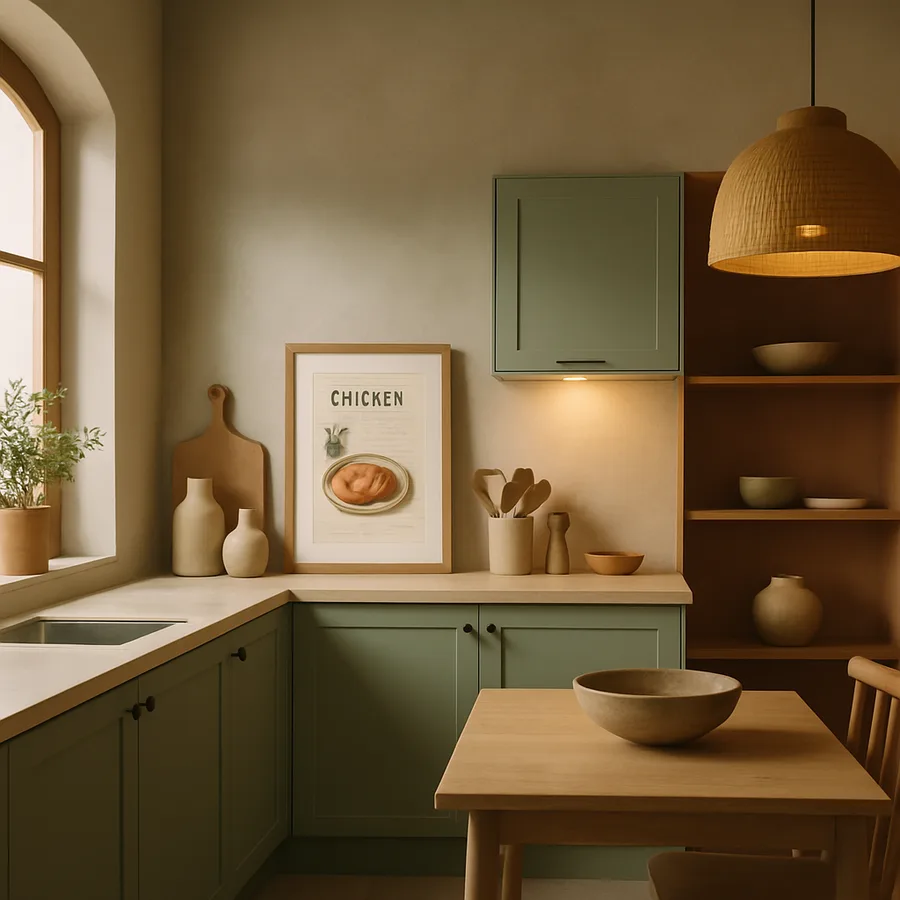
The kitchen has evolved far beyond its utilitarian origins to become the emotional and social center of the modern home. For design-conscious homeowners, the challenge is merging culinary functionality with interior sophistication -- creating spaces that perform beautifully during meal preparation and look stunning at every other moment. One overlooked opportunity lies in how we display and organize recipes, particularly beloved staples like chicken dishes that form the backbone of weekly meal planning. The American Society of Interior Designers (ASID) has documented the growing trend of kitchen personalization, where functional elements double as decorative features that reflect the homeowner's personality and values. According to the National Kitchen and Bath Association, kitchen renovations remain the highest-impact home improvement investment, with homeowners spending an average of $25,000 to $75,000 on major kitchen remodels. This guide explores five sophisticated approaches to displaying chicken recipes that transform everyday cooking resources into interior design features worthy of your kitchen's aesthetic ambitions.
Curated Recipe Gallery Walls That Celebrate Culinary Heritage
A gallery wall dedicated to cherished recipes transforms a blank kitchen surface into a narrative display of culinary heritage and personal history. Rather than hiding favorite chicken recipes in drawers or on cluttered digital devices, this approach frames them as artwork, using high-quality mats, coordinated frames, and intentional arrangement to create a visual feature that is both functional and decorative. Handwritten family recipes for dishes like grandmother's roast chicken or a treasured chicken tikka masala carry emotional weight that transcends their culinary content, and displaying them honors that significance. The International Interior Design Association (IIDA) has highlighted the value of personal narrative in residential design, noting that spaces which tell stories create deeper emotional connections for their inhabitants.
The execution of a recipe gallery wall requires the same design principles that guide any gallery installation. Frame styles should coordinate with the kitchen's existing hardware and fixture finishes -- black metal frames for kitchens with matte black fixtures, natural wood frames for spaces with warm timber elements, and gilded frames for kitchens embracing traditional or transitional aesthetics. The mat color should complement the wall paint, and the arrangement should follow a grid, salon-style cluster, or linear progression depending on the kitchen's overall design language. Designers holding NCIDQ certification understand that gallery walls succeed through deliberate compositional planning rather than casual arrangement, and applying this professional approach to recipe displays elevates the result significantly.
Practical considerations include protecting recipes from kitchen moisture and grease. UV-protective glass or acrylic glazing shields original documents from light damage, while sealed frames prevent moisture infiltration. For original handwritten recipes too precious to risk, high-quality archival reproductions can be framed for display while originals remain safely stored. The investment for a well-executed recipe gallery wall typically ranges from $200 to $800 depending on the number of frames, material quality, and whether professional installation is used. This is a modest addition to any kitchen budget that adds both visual interest and deeply personal character to the space.
Magnetic and Modular Display Systems for Rotating Menus
For cooks who regularly rotate through a repertoire of chicken recipes -- from weeknight lemon herb roast to elaborate weekend chicken Wellington -- a magnetic or modular display system offers flexibility that static framing cannot match. These systems typically feature a metal or magnetic panel mounted to the wall, paired with recipe cards attached to magnetic clips or holders that can be swapped, rearranged, and updated as the weekly menu changes. The visual effect is dynamic and inviting, suggesting an active, evolving kitchen rather than a static showpiece. Houzz kitchen design trends data indicates that modular organization systems are among the most requested features in contemporary kitchen renovations.
The design possibilities within modular systems are considerable. A brushed stainless steel panel coordinates naturally with stainless appliances and modern fixtures, while a powder-coated panel in matte black, deep green, or navy adds a bold color accent to the kitchen. Recipe cards themselves become design elements -- printed on high-quality cardstock with consistent typography, illustrated with simple watercolor food sketches, or formatted with clean graphic design that treats each recipe as a miniature poster. The ASID's resources on kitchen design emphasize that successful kitchens layer functional elements with decorative intent, and a modular recipe display exemplifies this principle perfectly.
The functional advantage of modular displays extends beyond aesthetics. A cook can mount the evening's chicken recipe at eye level while preparing the dish, eliminating the need to repeatedly check a cookbook or phone screen with flour-covered hands. After cooking, the card returns to a storage section of the display or gets swapped for tomorrow's selection. This active, hands-free utility makes the display a genuine kitchen tool rather than mere decoration. The typical cost for a quality magnetic display system ranges from $100 to $400 depending on size and material, making it accessible across kitchen renovation budgets from modest refreshes to comprehensive overhauls. Have you considered how a rotating recipe display could bring both beauty and functionality to your kitchen routine?
Artisan Cookbook Stands as Sculptural Kitchen Centerpieces
A beautifully crafted cookbook stand holding a volume open to a favorite chicken recipe creates a sculptural moment within the kitchen that bridges culinary function and interior design. Unlike mass-produced acrylic stands, artisan cookbook holders made from hand-forged iron, carved wood, cast bronze, or turned brass become statement pieces that command attention and spark conversation. Positioned on a kitchen island, a countertop, or a dedicated shelf, a quality cookbook stand transforms a utilitarian need into an opportunity for artistic expression. Architectural Digest has featured numerous kitchens where cookbook display is treated as a deliberate design element, with stands selected to complement the kitchen's material palette and stylistic direction.
The choice of cookbook stand material should echo the kitchen's dominant design vocabulary. A farmhouse kitchen with exposed beam ceilings and reclaimed wood shelving pairs naturally with a stand crafted from weathered oak or iron with a hammered finish. A contemporary kitchen featuring waterfall-edge stone countertops and flat-panel cabinetry calls for a stand in polished steel or minimal geometric wood. For kitchens designed around the Japandi aesthetic -- that harmonious fusion of Japanese minimalism and Scandinavian warmth -- a stand in light maple or ash with clean, organic curves reinforces the design intent. The AIA's principles of material continuity apply at every scale, and a cookbook stand that shares material DNA with its surrounding environment feels integrated rather than imposed.
Beyond displaying cookbooks, these stands accommodate printed recipe collections, laminated family recipe compilations, and even tablets with digital recipe apps when designed with appropriate dimensions and support angles. Several artisan furniture makers now produce cookbook stands as part of broader kitchen accessory collections, allowing homeowners to select matching cutting boards, utensil holders, and knife blocks that create a coordinated material story across the kitchen's working surfaces. The investment for an artisan cookbook stand typically ranges from $75 to $350, with exceptional hand-forged or carved pieces reaching $500 or more. For a kitchen renovation budgeted at $25,000 to $75,000, this represents a minor but impactful line item that elevates the daily cooking experience.
Integrated Shelf Displays That Blend Recipes With Kitchen Decor
Open shelving has become one of the defining features of contemporary kitchen design, and it creates a natural framework for integrating recipe displays with broader kitchen decor. Rather than dedicating a separate surface or wall to recipes, this approach weaves recipe elements into existing shelf compositions alongside ceramics, glassware, plants, and cooking essentials. A framed chicken pot pie recipe leaning against the backsplash between a ceramic crock and a trailing pothos plant becomes part of a layered, lived-in vignette that professional stylists call "shelfscaping." The IIDA has documented the popularity of open shelving as a design strategy that encourages homeowners to curate their kitchens with the same care they apply to living room displays.
The key to successful shelf integration is treating recipes as one component within a balanced composition rather than an isolated feature. Design rules of thumb apply: vary heights by leaning a framed recipe behind shorter objects, create depth by layering items in front of one another, maintain a cohesive color palette that includes the recipe display's frame and card colors, and leave breathing room between objects to prevent visual clutter. Designers working on kitchen projects budgeted at $50,000 to $150,000 or more often include shelf styling as part of their scope, recognizing that the arrangement of open shelving dramatically affects the kitchen's perceived quality. According to a Houzz survey, kitchens with styled open shelving receive 40% more positive engagement from visitors than those with closed cabinetry alone.
Seasonal rotation keeps shelf displays fresh and engaging. A summer arrangement might feature a light, bright chicken salad recipe card alongside fresh herbs in glass jars and white ceramic dishes, while a winter composition could showcase a hearty chicken stew recipe framed in warm wood, flanked by stoneware crocks and candleholders. This seasonal evolution prevents visual fatigue and gives homeowners regular opportunities to refresh their kitchen's character without significant investment. Each rotation takes thirty minutes or less but produces a meaningfully different aesthetic experience. How often do you refresh the displayed elements in your kitchen to keep the space feeling current and intentional?
Digital Display Frames That Merge Technology With Traditional Kitchen Charm
Digital display frames designed for kitchen environments represent the most technologically sophisticated approach to recipe display, offering unlimited recipe storage with the visual warmth of a traditional framed piece. These devices, which range from minimalist e-ink screens that mimic the look of printed paper to high-resolution color displays that showcase vivid food photography, can cycle through an entire collection of chicken recipes while appearing as elegant as a conventional picture frame. The National Kitchen and Bath Association has recognized digital integration as one of the fastest-growing categories in kitchen design, with smart displays increasingly specified in professional kitchen plans.
The design challenge with digital frames is avoiding the "screen in the kitchen" appearance that can feel sterile or overly technological in warm, traditional, or organic kitchen environments. The most successful implementations use frames with substantial physical surrounds -- real wood, metal, or even ceramic -- that give the digital element the visual weight and material quality of a conventional framed piece. Mounting the frame flush with the wall or recessing it into a backsplash creates an integrated look that avoids the propped-up tablet appearance. NCIDQ-certified designers working on smart home integration projects frequently specify recessed display installations that maintain the kitchen's material integrity while providing digital functionality. The cost for a quality kitchen-rated digital frame ranges from $150 to $600, with professional recessed installation adding $200 to $500 depending on the wall construction.
The content flexibility of digital displays extends their value well beyond recipe presentation. When not displaying the evening's chicken recipe, the frame can show family photographs, artwork reproductions, daily schedules, or grocery lists. This multi-functionality means the display serves the kitchen throughout the day rather than remaining static. Voice control integration allows hands-free recipe navigation during cooking, and some models offer step-by-step cooking modes that highlight the current instruction while keeping the full recipe visible. For families who cook together, a well-positioned digital display becomes a shared focal point that coordinates the cooking process while adding a warm, personalized glow to the kitchen atmosphere.
Chalkboard and Handwritten Recipe Installations for Artisanal Character
Chalkboard surfaces dedicated to recipe display bring an artisanal, handcrafted quality to kitchens that digital screens and printed frames cannot replicate. A chalkboard panel -- whether a full wall section, a framed board, or a cabinet door painted with chalkboard paint -- invites the cook to hand-write the day's chicken recipe in their own script, creating a display that is both functional and deeply personal. The impermanence of chalk adds charm: each recipe exists temporarily before being wiped clean for the next, creating a living, breathing display that evolves with the household's culinary rhythm. The ASID has noted the enduring popularity of chalkboard elements in kitchen design, attributing their appeal to the warmth and authenticity they bring to increasingly technology-saturated environments.
The design implementation of a chalkboard recipe display requires thoughtful integration with the kitchen's overall style. In rustic or farmhouse kitchens, a large chalkboard wall with a substantial wooden frame feels natural and grounding. In transitional kitchens, a smaller framed chalkboard panel positioned among other wall elements provides the handwritten character without dominating the space. In contemporary kitchens, magnetic chalkboard surfaces in dark gray or deep green provide a modern take on the traditional black chalkboard while adding a magnetic functionality layer for attaching recipe cards, shopping lists, or family notes. The Architectural Digest style guide has recommended chalkboard elements as one of the few decorative kitchen features that genuinely improves with use, developing a seasoned patina of ghost text and chalk residue that adds character over time.
For those hesitant about their handwriting, chalkboard recipe displays offer opportunities for creative expression that range from simple to elaborate. Basic block lettering in white chalk produces a clean, readable display suitable for any kitchen style. More confident artists can incorporate colored chalk illustrations of herbs, vegetables, or the finished dish alongside the recipe text. Chalk markers provide crisper lines and more vibrant colors than traditional chalk, and stencils are available for those who want consistent, professional-looking letterforms. The investment for a chalkboard recipe installation ranges from $20 for a can of chalkboard paint applied to an existing surface to $200 to $500 for a custom-framed magnetic chalkboard with a quality chalk tray. This accessibility makes chalkboard displays one of the most budget-friendly design upgrades that delivers outsized visual impact in any kitchen renovation.
Conclusion
Displaying chicken recipes as intentional design elements transforms a mundane kitchen necessity into an opportunity for creativity, personalization, and aesthetic enrichment. Whether through a gallery wall of framed family recipes, a magnetic system for rotating weekly menus, an artisan cookbook stand, integrated shelf styling, a digital display frame, or a handwritten chalkboard installation, each approach brings its own character to the kitchen while keeping beloved recipes accessible and celebrated. The common thread is intentionality -- treating recipe display as a design decision rather than an afterthought, and selecting an approach that harmonizes with the kitchen's broader material and stylistic vocabulary.
As you consider which approach best suits your kitchen, evaluate both the practical requirements of your cooking routine and the aesthetic priorities of your space. Consult with an NCIDQ-certified kitchen designer or explore resources from the ASID and Houzz for professional guidance on integrating functional displays into your kitchen design. Whether your kitchen budget is $5,000 for a targeted refresh or $75,000 for a comprehensive remodel, recipe display is one of those rare design opportunities where a modest investment produces disproportionate impact on both the beauty and the daily enjoyment of your most important room. Start with your favorite chicken recipe and let it inspire a display that brings you joy every time you walk into the kitchen.
More Articles You May Like



Comments
Post a Comment