Creating a Balanced Workspace: Office Interior Design Ideas for Well-being
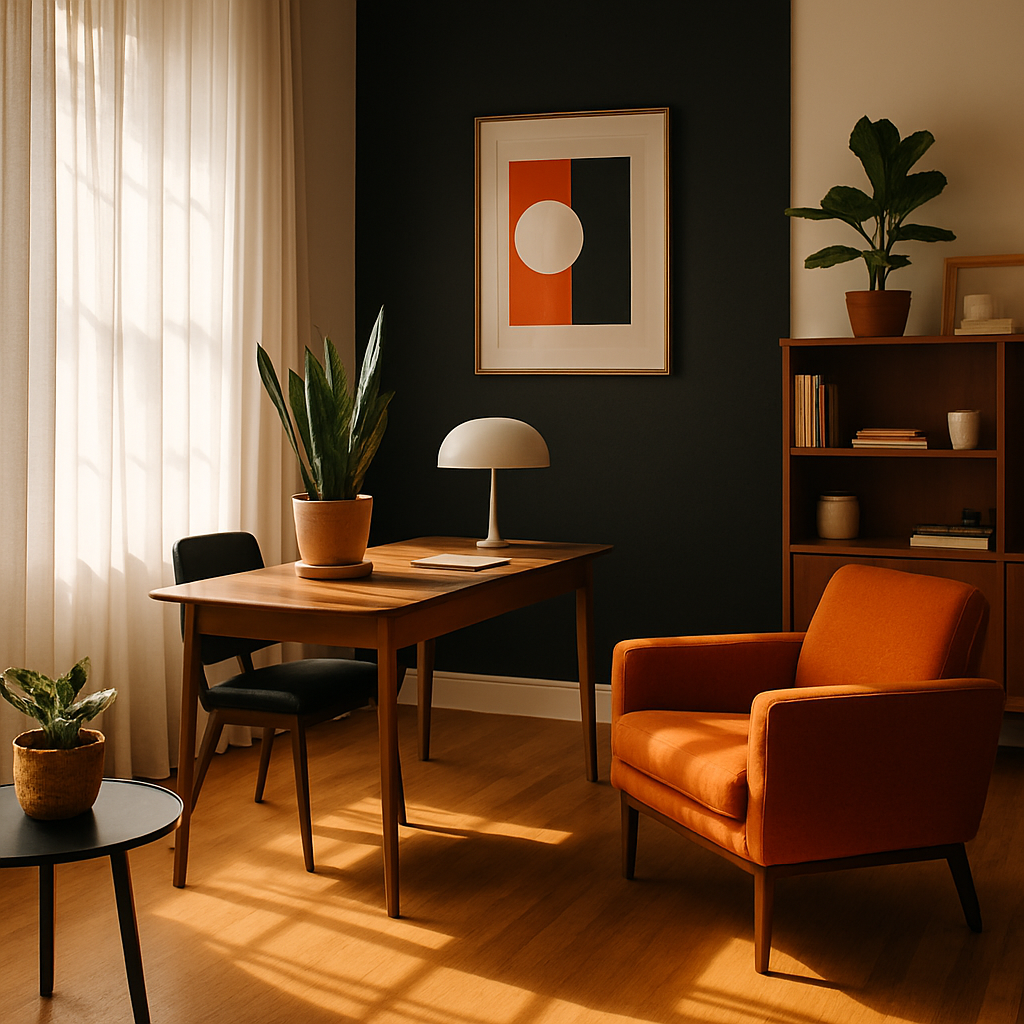
Imagine stepping into your office each morning and feeling an immediate sense of calm and focus. This isn't just an ideal; it's achievable with the right interior design. In today's fast-paced work environment, creating a balanced workspace is key to maintaining well-being and productivity. According to the American Society of Interior Designers (ASID), 68% of employees report that the design of their workspace affects their performance. This article will explore foundational concepts in office design, delve into data-backed strategies, and offer actionable tips for designing a space that enhances well-being. We'll also examine expert insights on achieving balance in workspace design and conclude with ways to transform theory into practice.
Understanding the Foundations of Office Design
Creating a balanced workspace begins with understanding the foundational principles of design. At its core, office interior design should focus on functionality and aesthetics. The layout of a space influences workflow and productivity. For instance, open-plan layouts, while popular, can sometimes lead to distractions. The International Interior Design Association (IIDA) suggests incorporating quiet zones within open spaces to mitigate noise and increase concentration. Lighting also plays a crucial role. Natural light is shown to boost mood and energy levels, so positioning desks near windows can be beneficial.
Beyond layout and lighting, color psychology is a fundamental aspect of office design. Different colors can evoke various emotions and responses. Blue, for example, is often associated with calmness and focus, making it ideal for high-concentration tasks. Conversely, vibrant hues like yellow can stimulate creativity but may also cause overstimulation if overused. Balancing these color choices is essential for creating an environment conducive to both productivity and relaxation.
Furniture selection further underpins a well-designed office. Ergonomic furniture supports physical well-being by reducing strain and promoting proper posture. The National Council for Interior Design Qualification (NCIDQ) emphasizes the importance of adjustable chairs and desks that cater to individual preferences. When choosing office furniture, consider how each piece contributes to the overall ergonomic and aesthetic goals of your space. The next section will explore how these foundational elements translate into measurable outcomes in workplace performance.
The Impact of Design on Workplace Performance
Data-driven insights reveal the profound impact of interior design on workplace performance. According to a Houzz annual survey, 78% of homeowners who invested in office redesigns reported increased productivity. This statistic underscores the tangible benefits of investing in a thoughtfully designed workspace. Moreover, studies indicate that well-designed offices can lead to a 5-15% increase in employee efficiency, translating into significant business gains.
One critical aspect of design that affects performance is acoustics. Poor sound management can lead to increased stress and decreased focus. Implementing sound-absorbing materials, such as acoustic panels or carpets, can significantly mitigate noise pollution. The ASID highlights that noise reduction in offices correlates with a 20% increase in work efficiency. Thus, addressing acoustics isn't just about comfort; it's about enhancing the ability to concentrate and work effectively.
Another key factor is the use of biophilic design principles, which integrate natural elements into interior spaces. This approach has gained traction as employees' desire for connection to nature grows. Incorporating plants or natural materials like wood and stone can reduce stress and improve mood. A study by the University of Exeter found that introducing plants into an office environment can increase productivity by 15%. As we delve deeper into actionable strategies, consider how these data points might influence your design decisions.
Actionable Strategies for Enhancing Well-being
With foundational concepts and their impacts in mind, it's time to explore actionable strategies for enhancing well-being in the workspace. Start by conducting a needs assessment of your space. Consider how you and your team use the area daily. Where do you spend the most time? What activities require the most focus, and what spaces encourage collaboration? Mapping these aspects will help inform your design choices.
Next, prioritize ergonomics by selecting furniture that supports both comfort and productivity. Adjustable desks and chairs are critical investments. They not only promote physical health but also enhance concentration by reducing discomfort. Remember that ergonomic furniture can range from $150 to $500 per hour in design fees, but the investment often pays off in improved performance and reduced absenteeism.
Lastly, consider integrating technology for a modern, efficient workspace. Smart home integration, such as automated lighting and climate control, can enhance comfort and reduce energy costs. These systems allow you to customize settings to align with daily rhythms, promoting a seamless work experience. Experienced professionals often note that technology integration should be intuitive and user-friendly to maximize adoption and effectiveness. Transitioning into expert-level insights, let's explore how these strategies can be refined and tailored to specific office needs.
Expert Insights on Achieving Balance
Achieving a balanced workspace requires attention to detail and a nuanced understanding of design principles. Certified interior designers, such as those holding NCIDQ credentials, often emphasize the importance of tailoring design to individual organizational cultures and workflows. This tailored approach ensures that the space supports employees' unique working styles and needs.
The concept of "quiet luxury," or understated elegance, is a growing trend in office design. This involves selecting high-quality materials and finishes that convey sophistication without ostentation. Quiet luxury can be achieved through subtle color palettes, refined textures, and thoughtful accessory choices. Designer portfolios on platforms like Houzz showcase how this trend is being implemented in various corporate settings.
Additionally, sustainability is becoming a crucial element in office design. Choosing eco-friendly materials not only benefits the environment but also aligns with the values of many modern businesses. Reclaimed wood, recycled materials, and energy-efficient lighting are just a few examples of sustainable choices that contribute to a balanced and responsible workspace. As we explore further, consider how these expert insights can be adapted to enhance your office environment.
Diving Deeper into Design Techniques
For those seeking to delve deeper into the intricacies of office design, consider exploring advanced techniques that seasoned designers use. One such technique is the use of AR/VR room visualization tools. These technologies allow designers and clients to visualize potential layouts and make informed decisions before any physical changes occur. According to Architectural Digest's AD PRO network, these tools have revolutionized how designers communicate and execute their visions.
Another technique involves the strategic use of light and shadow. Designers manipulate artificial lighting to complement natural light, creating dynamic and inviting spaces. This approach not only enhances aesthetics but also affects how employees perceive and interact with their environment. The careful placement of lighting fixtures can highlight architectural features or create zones within open spaces.
Finally, consider incorporating elements of Japandi design, a fusion of Japanese minimalism and Scandinavian warmth. This style emphasizes simplicity, functionality, and a connection to nature, making it ideal for creating tranquil and balanced workspaces. By focusing on clean lines, neutral colors, and natural materials, Japandi design fosters a sense of calm and purpose. As we move towards wrapping up, reflect on which techniques resonate most with your vision for a balanced workspace.
Final Perspectives on Office Design for Well-being
As we conclude our exploration of office interior design ideas for well-being, it's essential to remember that a balanced workspace is an evolving entity. It requires regular evaluation and adjustment to continue meeting the needs of its occupants. Engaging employees in the design process can offer valuable insights into how the space functions and what improvements can be made.
Moreover, consider how personal and organizational values align with design choices. Does your workspace reflect your commitment to sustainability? Does it support both focused work and collaboration? These questions are crucial for ensuring that your design not only looks good but also serves its intended purpose effectively.
Ultimately, creating a balanced workspace is about more than aesthetics-it's about fostering an environment that nurtures well-being and productivity. In the conclusion, we'll discuss how to take actionable steps towards transforming your office design vision into reality.
Conclusion: Transforming Vision into Reality
In summary, designing a balanced workspace that promotes well-being involves a thoughtful blend of foundational principles, data-driven insights, and expert strategies. From selecting ergonomic furniture to incorporating biophilic elements and advanced design techniques, each choice contributes to creating an environment where employees can thrive. As you embark on this journey, consider which aspects of your current space align with these concepts and where improvements can be made.
Ready to start transforming your workspace? Begin by browsing designer portfolios on Houzz this week-even just 20 minutes of research will sharpen your eye for what you want. Engage with certified professionals to tailor the design to your specific needs and values. Remember, a well-designed workspace is an investment in your team's well-being and productivity. What changes will you make to create a more balanced and effective office environment?



Comments
Post a Comment