Elevate Your Kitchen Aesthetics with These Healthy Recipe Ideas
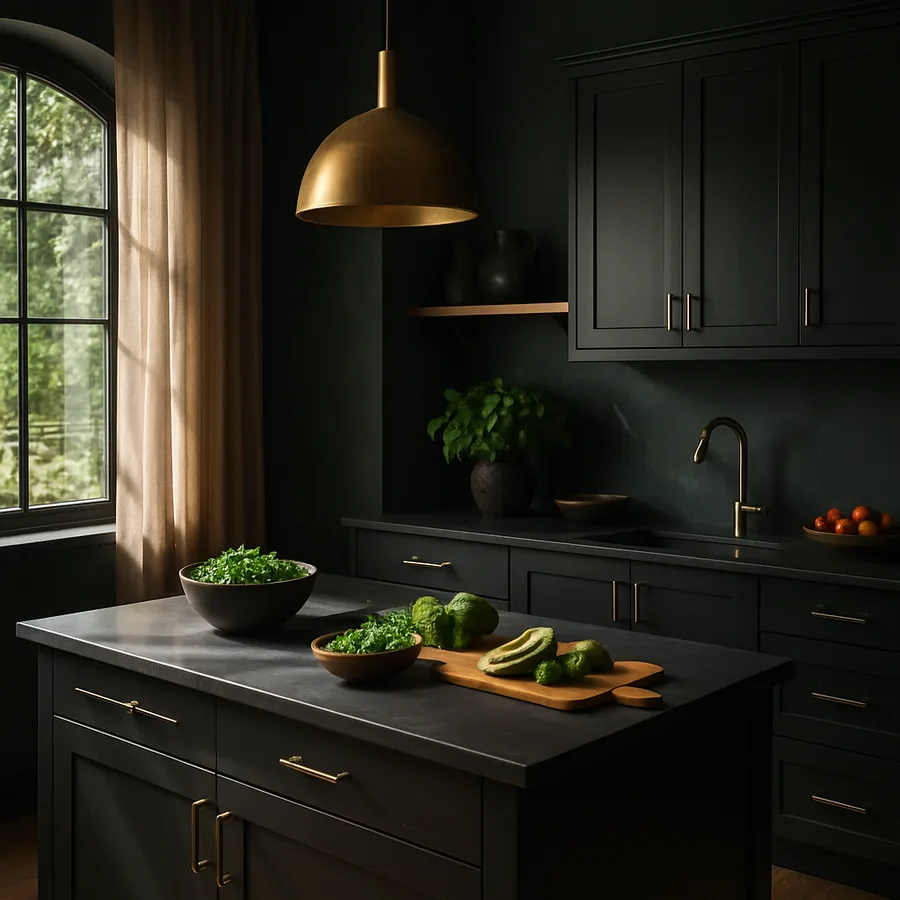
The kitchen has evolved far beyond its utilitarian roots to become the emotional and visual centerpiece of the modern home. According to the American Society of Interior Designers (ASID), over 70% of homeowners now consider the kitchen the most important room for design investment. When you combine thoughtful interior design with a commitment to healthy cooking, you create a space that nourishes both body and soul. The intersection of culinary artistry and design philosophy is where truly elevated living begins. This convergence is not merely about aesthetics on one hand and nutrition on the other, but about a holistic approach to how we experience our homes. Embracing this dual focus transforms ordinary kitchens into extraordinary living environments.
Healthy recipes inherently demand fresh, vibrant ingredients that bring natural color, texture, and life into the kitchen. Think of a countertop adorned with bright citrus fruits, deep green kale, and rich purple eggplants arranged alongside hand-thrown ceramic bowls and artisan cutting boards. These elements function as both culinary tools and design accents, merging the practical and the beautiful in a seamless expression of taste. The National Kitchen and Bath Association reports that 65% of kitchen renovations now prioritize both functionality and visual appeal, reflecting a cultural shift toward spaces that serve multiple purposes. Interior designers increasingly collaborate with nutritionists and chefs to create kitchen environments that support wellness routines while delivering the quiet luxury that defines contemporary residential design. The result is a kitchen that tells a story through its ingredients, tools, and carefully curated surfaces.
This article explores how specific healthy recipe practices can inform and elevate your kitchen design, drawing on principles from biophilic design, Japandi minimalism, and smart home integration. Whether you are a seasoned home cook or someone just beginning to explore the connection between food and space, these ideas will help you reimagine your kitchen as a place of beauty, health, and intentional living. We will examine how the act of preparing nutritious meals naturally guides design choices, from material selection to spatial arrangement. Have you ever considered how the recipes you cook might actually shape the way your kitchen looks and feels? Let us explore that question together across six key dimensions of kitchen design and culinary practice.
The Biophilic Kitchen: Bringing Nature Indoors Through Fresh Ingredients
Biophilic design, which seeks to connect building occupants with nature, has become one of the most influential movements in contemporary interior design. The International Interior Design Association (IIDA) has identified biophilic elements as a top priority for residential projects, noting that spaces incorporating natural materials and living elements report a 15% increase in occupant well-being. In the kitchen, biophilic principles manifest naturally when you commit to cooking with fresh, whole ingredients. Herb gardens mounted on windowsills, bowls of seasonal produce on open shelving, and arrangements of edible flowers near prep areas all serve the dual purpose of culinary utility and organic decoration. These living elements introduce the irregular patterns, natural textures, and earthy tones that biophilic design celebrates. When your cooking practice demands fresh basil, rosemary, and thyme, your kitchen naturally acquires the verdant character that designers spend thousands trying to achieve.
Consider the visual impact of a weekly meal prep routine centered on colorful, nutrient-dense salads and grain bowls. The ingredients themselves become a palette: golden turmeric, crimson beets, emerald spinach, and ivory cauliflower arranged in glass storage containers on open shelving create a living mosaic that changes with the seasons. Houzz research indicates that open shelving in kitchens has increased in popularity by 30% over the past five years, driven largely by homeowners who want to display both beautiful dishware and the raw materials of healthy cooking. This approach aligns perfectly with the Japandi aesthetic, which values the beauty of natural objects displayed with intention and restraint. A professional interior designer typically charges between $150 and $300 per hour for kitchen consultations, but the simple act of organizing your healthy ingredients with care can achieve comparable visual results at a fraction of the cost.
The biophilic kitchen also embraces natural materials in its surfaces and fixtures, creating harmony between the organic ingredients you cook with and the environment in which you prepare them. Butcher block countertops, stone backsplashes, and woven pendant lights complement the fresh produce and herbs that populate the workspace. When you prepare a recipe calling for hand-torn lettuce, freshly cracked pepper, and sliced avocado, you want the surrounding materials to echo that natural, unprocessed quality. The National Council for Interior Design Qualification (NCIDQ) emphasizes that material coherence between functional objects and architectural surfaces is a hallmark of sophisticated design. By letting your healthy cooking habits guide your material choices, you create a kitchen where everything belongs together in a unified expression of natural beauty.
Color Theory in the Kitchen: How Nutritious Foods Create Visual Harmony
Professional interior designers rely on color theory to create spaces that feel balanced, energizing, or calming depending on the desired mood. The same principles that guide wall paint selection and textile coordination apply directly to the colors of the food you prepare and display. A kitchen designed around healthy cooking naturally incorporates a rich, varied color palette drawn from fruits, vegetables, grains, and spices. ASID research shows that kitchens incorporating warm, natural color accents see a 25% higher satisfaction rating from homeowners compared to monochromatic schemes. The deep greens of kale and spinach, the warm oranges of sweet potatoes and carrots, and the vivid reds of tomatoes and strawberries create complementary color relationships that professional designers deliberately engineer in other rooms.
When you plan a week of healthy meals, you are essentially curating a rotating color installation for your kitchen. Monday's smoothie station might feature deep purple acai berries and bright yellow mango, while Wednesday's stir-fry prep brings together jade green bok choy, scarlet bell peppers, and golden tofu arranged on a cutting board. These combinations function as deliberate design moments that shift and evolve with your menu. The key is to invest in neutral, high-quality vessels and surfaces that allow the food colors to take center stage. Matte white ceramic bowls, natural wood cutting boards, and clear glass containers create a gallery-like backdrop against which your ingredients become the artwork. This quiet luxury approach lets the inherent beauty of wholesome food speak for itself without competing with busy patterns or garish fixtures.
What colors dominate your kitchen right now, and how might your recipe choices shift that palette? Interior designers often recommend the 60-30-10 rule for room color distribution: 60% dominant neutral, 30% secondary tone, and 10% accent color. In a kitchen built around healthy cooking, your cabinetry and walls might provide the 60% neutral base, your dishware and textiles the 30% secondary layer, and your fresh ingredients the dynamic 10% accent that changes daily. This living approach to color keeps your kitchen feeling fresh and intentional without requiring any renovation. Budget-conscious homeowners can achieve this effect for under $500 by investing in quality neutral vessels and letting their grocery selections do the decorating. A full kitchen color consultation from a certified designer might run $1,000 to $3,000, but understanding these principles lets you apply them yourself every time you unpack your farmers market haul.
Japandi Minimalism and the Art of Intentional Meal Preparation
The Japandi design movement, blending Japanese minimalism with Scandinavian functionality, has reshaped how designers approach kitchen spaces. This aesthetic values simplicity, natural materials, and the beauty of everyday rituals, making it a perfect philosophical match for mindful healthy cooking. IIDA trend reports highlight Japandi as one of the most requested residential styles, with particular strength in kitchen and dining applications. When you approach meal preparation as a meditative practice rather than a rushed chore, the kitchen transforms into a space of calm intention. Each tool occupies its designated place, each ingredient receives careful attention, and the overall environment reflects the purposeful simplicity that defines Japandi at its best.
Healthy recipes that emphasize whole, unprocessed ingredients align naturally with Japandi principles of honoring raw materials in their most authentic form. A simple dish of miso-glazed salmon with steamed edamame and brown rice requires only a few high-quality ingredients, prepared with care and presented with restraint. This culinary philosophy translates directly into kitchen design: rather than filling drawers with dozens of single-use gadgets, you invest in a few exceptional tools that serve multiple purposes beautifully. A hand-forged Japanese chef's knife, a well-seasoned cast iron skillet, and a set of nested mixing bowls in warm stoneware become both functional essentials and design objects. The NCIDQ certification exam specifically tests designers on the principles of space planning and object curation that Japandi embodies so well.
The practice of mise en place, the culinary technique of organizing all ingredients before cooking begins, is essentially Japandi design applied to the cooking process. Small dishes of measured spices, neatly sliced vegetables, and carefully portioned proteins arranged on a clean counter create a tableau of ordered beauty that would satisfy any minimalist designer. This approach not only improves cooking outcomes by ensuring nothing is forgotten, but also reduces the visual chaos that makes kitchens feel stressful. How might your cooking experience change if you treated every meal preparation as a design exercise in simplicity and order? Adopting this mindset often leads homeowners to declutter their kitchens organically, removing excess gadgets and mismatched containers in favor of a curated collection that serves both culinary and aesthetic purposes.
Smart Home Integration: Where Technology Meets Nutritious Living
Smart home technology has moved from novelty to necessity in contemporary kitchen design, and its integration with healthy cooking routines creates powerful synergies. According to Houzz, 42% of kitchen renovations now include at least one smart device, with smart refrigerators, voice-controlled lighting, and app-connected appliances leading the category. These technologies enhance both the cooking experience and the visual environment when deployed thoughtfully. A smart refrigerator with an internal camera helps you track fresh produce inventory, reducing food waste while eliminating the need to open the door repeatedly and disrupt the kitchen's visual calm. Voice-controlled lighting allows you to shift from bright task lighting during food preparation to warm ambient tones during dining without touching a switch.
The intersection of smart technology and healthy cooking extends to devices that actively support nutritional goals while maintaining clean design aesthetics. A countertop smart garden growing herbs and microgreens provides both a conversation-starting design element and a constant supply of nutrient-dense garnishes. Connected kitchen scales that display nutritional information on embedded screens help portion control while serving as sleek, minimalist objects on the counter. These devices succeed as design elements because they replace cluttered alternatives with streamlined, purposeful forms. A typical smart kitchen upgrade ranges from $2,000 to $15,000 depending on scope, but individual smart devices that support healthy cooking can be added incrementally for $100 to $500 each, making the transformation accessible to most budgets.
The design challenge with smart home technology in the kitchen is integration without visual disruption. The best implementations hide wiring, use built-in charging stations concealed in drawers, and select devices whose forms complement the overall design language of the space. ASID guidelines recommend that technology in residential spaces should enhance rather than dominate the sensory experience. A voice assistant that can read recipe steps aloud eliminates the need for a tablet propped against the backsplash, reducing visual clutter. Automated ventilation systems that activate when cooking temperatures rise keep the air fresh without requiring prominent hood designs that dominate the kitchen's visual profile. When smart technology works in service of both healthy cooking and clean design, the result is a kitchen that feels effortlessly modern.
The Social Kitchen: Designing for Healthy Communal Cooking
The open-plan kitchen designed for social interaction has become the dominant residential layout in contemporary homes, and healthy cooking practices are particularly well-suited to communal preparation. IIDA research demonstrates that kitchens designed for multiple simultaneous users report 40% higher homeowner satisfaction compared to single-cook layouts. When you prepare healthy meals collaboratively, with one person washing greens, another slicing vegetables, and a third managing the stove, you need a kitchen designed with multiple workstations, generous counter space, and clear circulation paths. This functional requirement naturally produces the open, inviting kitchen layouts that designers prize.
Healthy cooking often involves more preparation steps than convenience food assembly, making it inherently more social and interactive. A meal of hand-rolled sushi with fresh fish and vegetables, a build-your-own grain bowl station, or a collaborative salad assembly line all require space, coordination, and conversation. These activities demand a kitchen island or peninsula large enough for multiple people to work comfortably, with accessible storage for the many ingredients involved. The design of these social cooking zones must balance openness with sufficient task lighting, durable work surfaces, and easy cleanup access. Interior designers typically allocate $10,000 to $30,000 for a kitchen island installation, but even modest upgrades like a portable butcher block island or a well-placed bar cart can create the additional workspace that communal healthy cooking demands.
The social kitchen also needs to accommodate the visual transition from cooking to dining, particularly when healthy meals are the focus. Unlike takeout containers stacked on a counter, a healthy home-cooked meal unfolds gradually as dishes are completed and arranged for serving. The kitchen design should facilitate this reveal, with serving surfaces that bridge the cooking and dining zones, display areas for finished dishes, and lighting that shifts to highlight the completed meal. Do your current kitchen zones support this natural progression from preparation to presentation, or does the transition feel abrupt and disconnected? Addressing this flow is one of the most impactful design improvements you can make, and it costs nothing more than thoughtful arrangement of your existing furniture and fixtures.
Sustainable Design: How Eco-Conscious Recipes Shape Material Choices
Sustainability in interior design is no longer a niche concern but a mainstream expectation, and healthy cooking naturally reinforces eco-conscious design decisions. The NCIDQ now includes sustainability knowledge in its certification requirements, reflecting the profession's commitment to environmentally responsible practice. When you cook with organic, locally sourced ingredients, you naturally gravitate toward kitchen materials that share those values: reclaimed wood countertops, recycled glass tile backsplashes, bamboo flooring, and low-VOC finishes. This philosophical alignment between what you eat and the space in which you eat it creates a coherent lifestyle narrative that feels authentic rather than performative. Houzz data indicates that 58% of homeowners cite sustainability as a factor in kitchen material selection, up from just 30% a decade ago.
Healthy cooking practices also reduce the need for certain kitchen features while increasing the importance of others, directly shaping design priorities. A commitment to fresh, unprocessed ingredients reduces reliance on microwave ovens, deep fryers, and extensive pantry storage for packaged foods. In their place, you prioritize generous refrigeration for fresh produce, ample counter space for preparation, and dedicated storage for reusable containers, cloth bags, and composting supplies. This shift in functional requirements naturally produces a cleaner, more streamlined kitchen design with fewer built-in appliances and more open workspace. The cost savings from eliminating unnecessary appliances can be redirected toward higher-quality sustainable materials for the surfaces and fixtures you do install, typically yielding a net-zero budget impact on overall renovation costs.
The sustainable kitchen also embraces the concept of visible systems, where composting stations, herb gardens, water filtration, and reusable storage are displayed rather than hidden. This transparency aligns with both environmental values and contemporary design trends that celebrate authenticity and process. A wall-mounted drying rack for hand-washed dishes, a glass-fronted cabinet showing neatly stacked mason jars of dried legumes and grains, and an open shelf displaying seasonal preserves all serve as both functional elements and design features. These visible systems tell the story of a household that values health, sustainability, and beauty equally, creating a kitchen environment that inspires and educates everyone who enters it.
Conclusion
The connection between healthy cooking and beautiful kitchen design is not coincidental but deeply structural. Every choice you make about what to cook influences what your kitchen looks like, how it functions, and how it feels to inhabit. From the biophilic beauty of fresh ingredients to the Japandi discipline of intentional preparation, from smart technology that supports nutritional goals to sustainable materials that reflect eco-conscious values, healthy recipes and thoughtful design reinforce each other at every turn. The organizations that shape professional practice, including ASID, IIDA, NCIDQ, and the insights aggregated by Houzz, all point toward the same conclusion: the best kitchens are those where form and function, beauty and nutrition, design and daily life are inseparable.
You do not need a massive renovation budget to begin this transformation. Start with one principle that resonates, whether it is displaying your fresh ingredients with intention, investing in a few beautiful multi-purpose tools, or rethinking your kitchen's color story through the lens of what you cook. Each small change builds toward a kitchen that is not merely a room where food is prepared but a space that actively supports your health, delights your senses, and expresses your values. The most powerful design tool in your kitchen might not be a paint swatch or a material sample but the grocery list you write this week.
Take a moment this weekend to prepare one healthy meal with deliberate attention to how the process looks and feels in your kitchen. Notice where the light falls, which colors dominate the counter, and whether your tools and ingredients feel harmonious or chaotic. That observation is the beginning of a kitchen transformation that starts not with a contractor but with a cutting board, a sharp knife, and a beautiful head of fresh produce. Visit the ASID website to find a certified kitchen designer in your area if you are ready to take the next step toward a space that truly reflects the way you want to live and eat.
More Articles You May Like



Comments
Post a Comment