The Ultimate Guide to Eco-Friendly House Interior Design
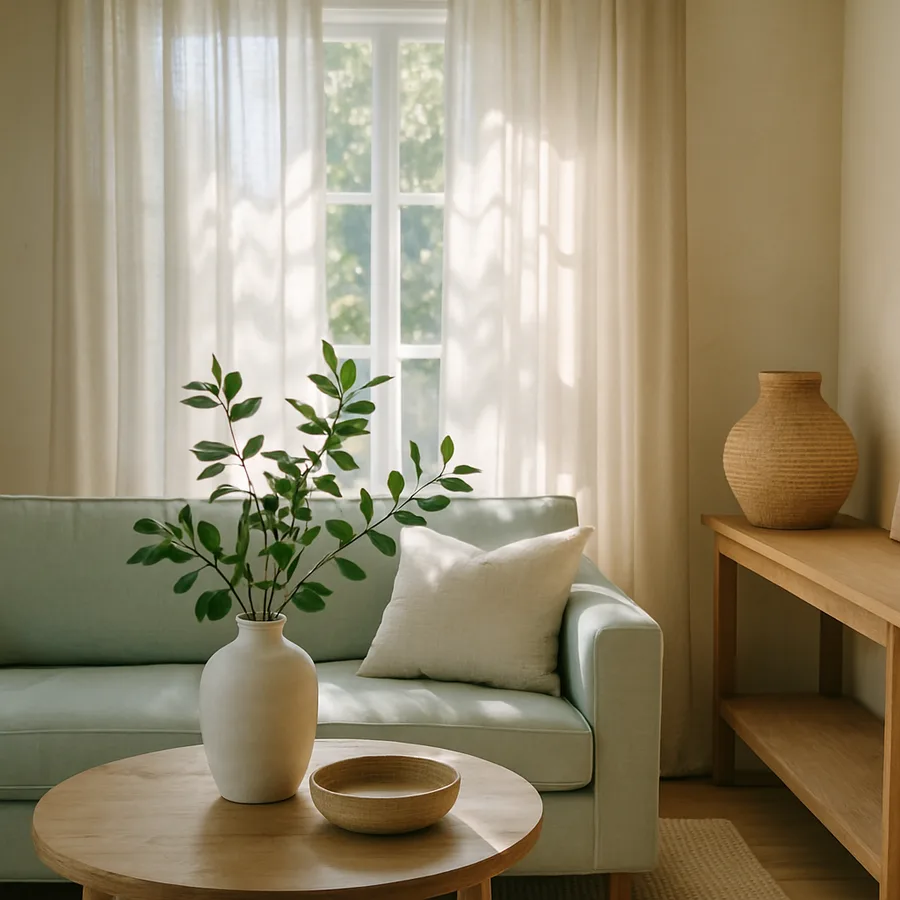
For decades, interior design prioritized aesthetics above all else, often relying on materials and processes that carried a heavy environmental toll. Volatile organic compound paints, synthetic fabrics derived from petroleum, and furniture shipped across oceans in carbon-intensive supply chains became the norm rather than the exception. But a seismic shift is now underway. Homeowners, designers, and manufacturers alike are embracing a philosophy that marries visual beauty with ecological responsibility, proving that stunning interiors and environmental stewardship are not mutually exclusive goals.
According to the American Society of Interior Designers (ASID), more than 68 percent of design firms now report that clients specifically request sustainable or eco-friendly options during the initial consultation. This statistic alone signals a fundamental change in consumer priorities, one that is reshaping every corner of the interior design industry from material sourcing to project delivery.
Understanding the Foundations of Sustainable Interior Design
Eco-friendly interior design is not simply a trend label applied to a few token green products. It represents a comprehensive approach to creating living spaces that minimize environmental impact across their entire lifecycle. This means considering the extraction of raw materials, the manufacturing process, transportation logistics, the product lifespan, and ultimately what happens at the end of that life. A truly sustainable interior examines every layer of a room, from the subfloor adhesive to the ceiling finish, through the lens of environmental responsibility.
The International Interior Design Association (IIDA) defines sustainable design as a practice that seeks to reduce negative impacts on the environment and the health of occupants, thereby improving building performance. This definition underscores an important point: eco-friendly design is not just about saving the planet in an abstract sense. It directly affects the air quality, thermal comfort, and overall well-being of the people who inhabit these spaces. When you choose low-VOC paint for your bedroom walls, you are making a decision that protects both the atmosphere and your respiratory health.
Have you ever considered how many hours you spend indoors each day? The Environmental Protection Agency estimates that the average person spends approximately 90 percent of their time inside buildings. Given that staggering figure, the materials and finishes surrounding us have a profound influence on our daily health and comfort. Eco-friendly interior design addresses this reality head-on, creating environments that actively support human wellness rather than quietly undermining it.
The National Council for Interior Design Qualification (NCIDQ) has increasingly incorporated sustainability competencies into its certification framework, reflecting the profession-wide recognition that ecological literacy is no longer optional for practicing designers. This institutional commitment ensures that the next generation of interior designers enters the field equipped with the knowledge to make environmentally sound decisions from day one.
Choosing Sustainable Materials That Elevate Your Space
Material selection forms the backbone of any eco-friendly interior design project. The choices available today are remarkably diverse, ranging from rapidly renewable resources like bamboo and cork to reclaimed materials that carry the patina of previous lives. Bamboo flooring, for instance, reaches harvest maturity in just three to five years compared to the decades required for traditional hardwoods. Cork, harvested from the bark of cork oak trees without felling them, regenerates naturally and offers exceptional acoustic and thermal insulation properties.
Reclaimed wood has emerged as one of the most sought-after sustainable materials in residential design. Salvaged from old barns, factories, warehouses, and even decommissioned ships, reclaimed timber brings character, history, and warmth to interiors that no newly milled board can replicate. Each plank tells a story through its grain patterns, nail holes, and weathered surfaces. Beyond its aesthetic appeal, using reclaimed wood diverts material from landfills and eliminates the need to harvest living trees, making it a doubly beneficial choice.
Recycled glass countertops represent another exciting frontier in sustainable surface design. These countertops incorporate post-consumer glass fragments embedded in a binder, creating surfaces that shimmer with color and texture while diverting glass waste from municipal waste streams. Companies like Vetrazzo and IceStone have pioneered this category, producing countertops that rival the beauty of natural stone while carrying a significantly lighter environmental footprint. Houzz reports that searches for recycled material countertops have increased by over 40 percent in recent years, confirming strong consumer interest in these alternatives.
Natural stone, when sourced responsibly, remains a viable sustainable option. Local quarrying reduces transportation emissions, and stone is extraordinarily durable, often outlasting the buildings it adorns. The key lies in choosing suppliers who practice responsible extraction methods and prioritize minimizing quarry waste. Terrazzo, which combines stone chips with a cement or resin binder, offers an elegant way to use stone fragments that might otherwise be discarded, resulting in floors and surfaces with distinctive speckled beauty.
Energy-Efficient Lighting and Smart Home Integration
Lighting accounts for a significant portion of residential energy consumption, making it one of the most impactful areas for eco-friendly improvement. The transition from incandescent bulbs to LED technology has been nothing short of revolutionary. LED fixtures consume up to 75 percent less energy than their incandescent predecessors and last dramatically longer, reducing both electricity bills and the waste generated by frequent bulb replacements. But energy-efficient lighting extends far beyond simply swapping bulb types.
Thoughtful lighting design maximizes the use of natural daylight, reducing the need for artificial illumination during daytime hours. Strategic window placement, skylights, light tubes, and reflective surfaces can channel sunlight deep into interior spaces, creating bright and inviting rooms without drawing a single watt from the electrical grid. Designers working with the ASID sustainability guidelines often conduct daylight studies early in the design process, mapping how sunlight moves through a space across different seasons to optimize fixture placement and window treatments.
Smart home technology introduces another layer of energy optimization. Automated lighting systems equipped with occupancy sensors, daylight harvesting capabilities, and programmable schedules ensure that lights operate only when and where they are needed. These systems learn household patterns over time, adjusting output to match actual usage rather than running at full capacity regardless of conditions. The integration of smart thermostats, automated window shades, and energy monitoring dashboards creates a holistic approach to residential energy management that complements the sustainable material choices throughout the home.
What if your lighting could respond to the time of day, the weather outside, and the activity in each room, all without you lifting a finger? That vision is not futuristic speculation. It is available technology that forward-thinking homeowners are already deploying to dramatic effect, reducing their energy footprints while enhancing the comfort and ambiance of their living spaces.
Biophilic Design and Indoor Air Quality
Biophilic design, the practice of integrating natural elements into built environments, has gained tremendous momentum as research continues to validate its benefits. Studies published by the International Living Future Institute demonstrate that exposure to natural elements within interior spaces reduces stress hormones, lowers blood pressure, and improves cognitive function. This is not simply about scattering a few potted plants around a room. True biophilic design creates systematic connections to the natural world through living walls, water features, natural material palettes, and views to the outdoors.
Living walls, also known as vertical gardens, bring large-scale greenery into interiors where floor space is limited. These installations host dozens or even hundreds of plant species, creating dynamic living artworks that purify the air, regulate humidity, and provide acoustic dampening. The IIDA has highlighted living walls as one of the most impactful biophilic interventions in commercial and residential settings alike, noting their ability to transform sterile spaces into vibrant, health-promoting environments.
Indoor air quality deserves particular attention in any eco-friendly design discussion. Conventional building materials and furnishings can off-gas a cocktail of volatile organic compounds, formaldehyde, and other pollutants for months or even years after installation. Choosing low-VOC and zero-VOC paints, finishes, adhesives, and sealants dramatically reduces this chemical burden. Natural fiber carpets, untreated solid wood furniture, and plant-based insulation materials further contribute to a cleaner indoor atmosphere. The cumulative effect of these choices is a home that smells fresher, feels healthier, and supports the long-term well-being of everyone living within its walls.
Adequate ventilation is equally critical. Energy recovery ventilators allow fresh outdoor air to enter the home while capturing heat energy from outgoing stale air, maintaining thermal efficiency without sealing occupants inside a closed environment. This balance between energy conservation and air quality is a hallmark of sophisticated sustainable design thinking.
Furniture Selection and the Circular Economy
The furniture industry is undergoing its own sustainability transformation, driven by growing awareness of the environmental costs associated with fast furniture. Cheaply made pieces designed for short lifespans generate enormous waste, with millions of tons of furniture ending up in landfills every year. The antidote to this cycle is a commitment to quality, longevity, and circularity. Investing in well-crafted furniture built from sustainable materials and designed to last for decades is one of the most meaningful eco-friendly choices a homeowner can make.
The circular economy model offers a compelling framework for sustainable furniture consumption. Rather than the traditional linear path of manufacture, use, and discard, circular principles emphasize repair, refurbishment, resale, and eventual recycling. Vintage and antique furniture embodies this philosophy perfectly. A mid-century modern dresser or a Victorian armchair has already proven its durability across decades of use, and giving it continued life prevents the manufacture of a new replacement. The NCIDQ-certified designers who specialize in sustainable interiors frequently incorporate vintage pieces into their projects, blending them with contemporary elements for spaces that feel both timeless and current.
When purchasing new furniture, seek out manufacturers who demonstrate genuine commitment to sustainable practices. Look for certifications such as the Forest Stewardship Council label for wood products, GREENGUARD certification for low chemical emissions, and Global Organic Textile Standard for upholstered pieces. These third-party certifications provide verifiable assurance that products meet rigorous environmental and health standards, cutting through the noise of vague marketing claims.
Modular furniture systems deserve special mention for their inherent sustainability advantage. Pieces designed to be reconfigured, expanded, or repaired extend their useful life dramatically. A modular shelving system can evolve with your needs over many years, adapting to different rooms and purposes without requiring wholesale replacement. This flexibility aligns perfectly with the reduce and reuse principles that underpin genuine sustainability.
Taking the First Steps Toward Your Eco-Friendly Home
Transitioning to an eco-friendly interior does not require a complete renovation overnight. The most sustainable approach is often incremental, addressing one room or one category of products at a time. Start with the changes that deliver the highest impact relative to their cost and effort. Replacing conventional cleaning and maintenance products with plant-based alternatives, for example, immediately improves indoor air quality at minimal expense. Swapping out old light bulbs for LEDs is another quick win that begins paying dividends on your electricity bill right away.
When larger projects arise, whether replacing flooring, repainting walls, or purchasing furniture, use each occasion as an opportunity to make a more sustainable choice than you might have previously. Over time, these individual decisions accumulate into a home that reflects your environmental values in every detail. The journey toward a fully eco-friendly interior is a marathon, not a sprint, and every step forward counts.
Consider consulting with an NCIDQ-certified interior designer who specializes in sustainable residential projects. These professionals bring expertise in material sourcing, energy systems, and healthy building practices that can save you time, money, and frustration. Many firms listed through ASID and IIDA directories offer sustainability-focused services and can help you develop a phased plan tailored to your budget and priorities.
Ready to transform your home into a healthier, more sustainable sanctuary? Begin by auditing your current spaces with fresh eyes. Identify the materials and products that concern you most, whether due to their environmental origins or their impact on your indoor air quality. Research alternatives using resources from trusted organizations such as Houzz, ASID, and the IIDA. Then take that first deliberate step, knowing that every eco-friendly choice you make contributes to a larger movement reshaping how we inhabit our world.
More Articles You May Like



Comments
Post a Comment