The Ultimate Guide to Sustainable House Interior Design: Eco-Friendly Tips and Tricks
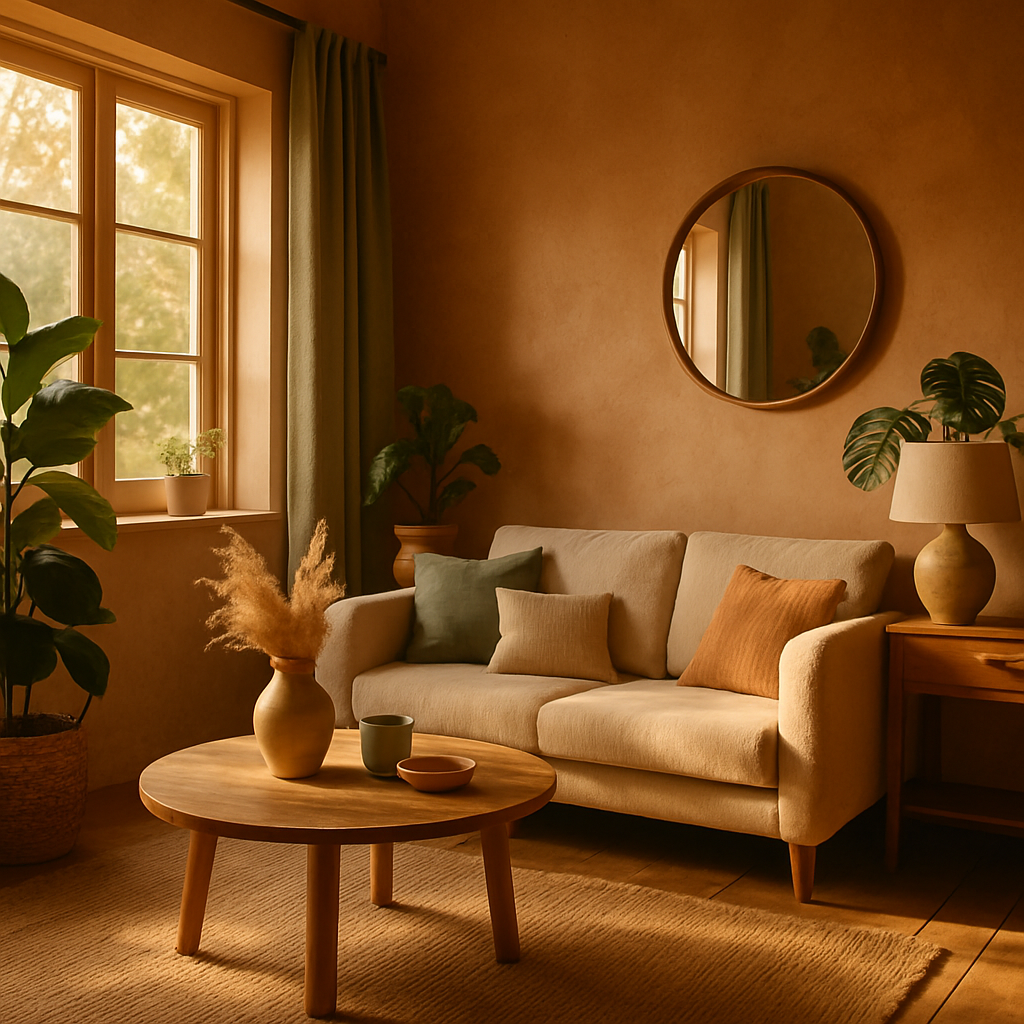
Imagine walking into a home where every element is not only stylish but also kind to the planet. According to a report by the American Society of Interior Designers (ASID), sustainable design has seen a significant rise in demand, with over 70% of homeowners considering eco-friendly materials in their renovations. The allure of sustainable house interior design lies in its ability to blend aesthetics with environmental responsibility. In this guide, we'll explore foundational concepts, delve into data-backed insights, and provide actionable strategies to help you transform your home into an eco-friendly haven. We'll also offer expert insights and additional depth on creating a space that respects our planet while reflecting your personal style.
Understanding Sustainable Design Principles
Sustainable design is more than a trend; it's a commitment to minimizing environmental impact through thoughtful choices. At its core, sustainable interior design prioritizes the use of materials that are renewable, recycled, or sourced responsibly. This means opting for bamboo flooring instead of traditional hardwood or selecting furniture crafted from reclaimed wood. These choices not only reduce the strain on natural resources but also bring a unique character and warmth to your space.
Biophilic design, a key aspect of sustainability, emphasizes incorporating natural elements like plants and natural light into interiors. This approach not only enhances aesthetic appeal but also improves indoor air quality and boosts mental well-being. By integrating living walls or placing plants strategically around your home, you can create a healthier, more inviting environment. Have you considered how plants could transform the mood and air quality of your living space?
Furthermore, sustainable design encourages energy efficiency. From using LED lighting to installing energy-efficient appliances, every decision contributes to a lower carbon footprint and reduced utility bills. Smart home technology can further enhance efficiency, allowing you to control lighting, heating, and cooling remotely. As you plan your interior design, think about how each component can serve both your aesthetic desires and sustainability goals. This foundational understanding sets the stage for deeper exploration into sustainable design strategies.
The Impact of Sustainable Design: Data and Trends
According to Houzz's annual survey, homeowners are increasingly investing in eco-friendly renovations, with a 15% annual increase in sustainable projects noted over the past five years. This trend is driven by a growing awareness of environmental issues and the potential for cost savings. Sustainable design not only helps the planet but also adds value to your home, often yielding a 5-15% higher resale value. Such financial incentives underscore the practicality of sustainable choices.
The 2026 design trends highlight the integration of smart home technologies and sustainable materials. For instance, the use of recycled and reclaimed materials is becoming more prevalent, offering a dual benefit of aesthetics and environmental responsibility. These materials often tell a story of their own, adding a layer of history and character to modern interiors. Are you ready to embrace the stories that sustainable materials can bring to your home?
Moreover, the concept of "quiet luxury," which emphasizes understated elegance with sustainable materials, is gaining traction among interior designers and homeowners alike. This approach values quality and craftsmanship over quantity, encouraging investments in timeless pieces rather than trend-driven items. Such trends indicate a shift towards more mindful and environmentally responsible living, making it crucial for those embarking on interior design projects to stay informed and aligned with these evolving preferences.
Implementing Sustainable Strategies in Your Home
One of the most effective strategies for sustainable house interior design is to start with a comprehensive plan. Begin by assessing your current space and identifying areas where sustainable practices can be applied. Whether it's switching to low-VOC (volatile organic compound) paints or installing energy-efficient windows, every small change contributes to a larger impact. Mapping out how you use each room can help prioritize these changes effectively.
Consider integrating smart home technology to enhance energy efficiency. Automated lighting systems, smart thermostats, and motorized window treatments can significantly reduce energy consumption. These technologies not only save resources but also offer convenience and control over your home's environment. How might smart technology play a role in your sustainable design vision?
Additionally, sourcing locally made or vintage furniture can reduce the carbon footprint associated with shipping and production. Shopping at local flea markets or exploring online vintage platforms like Chairish can uncover unique, sustainable finds that complement your design aesthetic. By choosing pre-owned or locally crafted pieces, you support sustainable practices while adding distinctive character to your home. This actionable approach to sourcing and technology integration sets the stage for delving into expert-level design insights.
Expert Insights on Sustainable Interior Design
Experienced professionals often note that the most successful sustainable designs are those that seamlessly integrate eco-friendly elements with the homeowner's lifestyle. According to NCIDQ (National Council for Interior Design Qualification) certified designers, a crucial aspect of sustainable design is personalization. Every choice, from materials to layout, should reflect the way you live and interact with your space.
Consulting with an accredited designer from the ASID or IIDA (International Interior Design Association) can provide expert guidance tailored to your needs. These professionals have access to resources and networks that can simplify the sustainable design process, ensuring that your project aligns with industry standards and personal aspirations. Their expertise can help navigate complexities such as sourcing sustainable materials or incorporating cutting-edge technologies.
Moreover, the integration of AR/VR room visualization tools now allows designers to present sustainable design concepts in a tangible way. These tools enable homeowners to see potential changes before implementation, fostering informed decision-making. As you consider engaging a professional, think about how these technologies might enhance your design journey. This expert-level insight prepares you to explore additional dimensions of sustainable design.
Additional Dimensions of Sustainable Design
Sustainable design extends beyond aesthetics and functionality, encompassing aspects like health and well-being. Choosing materials that improve indoor air quality, such as natural fiber rugs or organic cotton textiles, can reduce allergens and toxins in your home. The result is a healthier living environment that supports your overall well-being.
Lighting plays a pivotal role in sustainable design. Natural light not only reduces energy consumption but also enhances mood and productivity. Design strategies that prioritize daylighting-using windows, skylights, and reflective surfaces-can transform a space. For areas where natural light is limited, high-quality LED fixtures are a sustainable alternative, offering long-lasting illumination with minimal energy use.
Lastly, water conservation is a crucial component of sustainable interior design. Installing low-flow fixtures and appliances can significantly decrease water usage without sacrificing performance. These small adjustments contribute to a more sustainable lifestyle and lower utility bills. As you enhance your home's sustainability, consider how these additional dimensions can enrich your living experience. This depth of exploration leads to final perspectives on sustainable design.
Final Perspectives on Sustainable Interior Design
The journey to sustainable house interior design is an ongoing process that evolves with new technologies and materials. It's about making informed choices that prioritize both design and environmental impact. As more homeowners embrace sustainable living, the design industry continues to innovate, offering increasingly sophisticated solutions that marry form with eco-consciousness.
Reflecting on the trends and strategies discussed, consider how you can incorporate these elements into your design plans. Whether you're embarking on a full renovation or making incremental changes, every decision can contribute to a more sustainable future. Have you identified the first step you'll take towards a greener home?
Ultimately, sustainable interior design is about creating spaces that are as kind to the Earth as they are to those who inhabit them. As you consider your next project, remember that sustainability is not just an option-it's a responsibility and an opportunity to make a positive impact. This reflection leads naturally to a call to action for those ready to begin their sustainable design journey.
Conclusion
In conclusion, sustainable house interior design offers a pathway to creating beautiful, environmentally responsible spaces. By understanding foundational principles, leveraging data-driven insights, and implementing expert strategies, you can transform your home into a model of sustainability. With trends like biophilic design and smart home integration leading the way, the possibilities are both exciting and impactful.
Now is the time to take concrete steps towards embracing sustainability in your home. Start by browsing designer portfolios on platforms like Houzz or consulting with an NCIDQ-certified professional. Even dedicating 20 minutes a week to research can sharpen your understanding and guide your decisions. Will you take this first step towards a sustainable and stylish home? The future of interior design is sustainable, and it starts with you.



Comments
Post a Comment