The Ultimate Guide to Eco-Friendly Home Interior Design Ideas
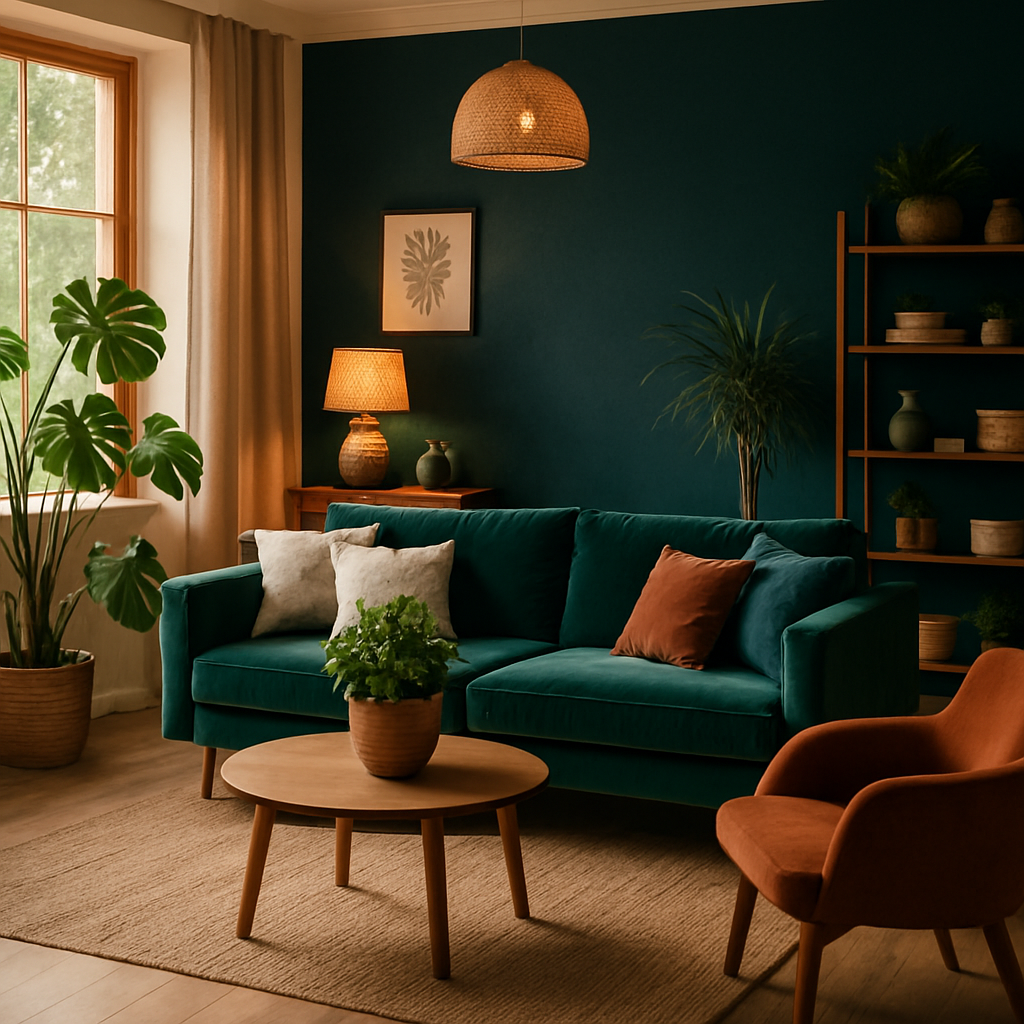
Imagine walking into a home that not only reflects your personal style but also contributes positively to the environment. This dream is becoming a reality for many as the demand for eco-friendly home interior design ideas grows. According to a 2023 survey by Houzz, over 70% of homeowners are now considering sustainability in their renovation plans. This comprehensive guide will delve into the importance of sustainable design, explore cutting-edge trends, and provide actionable strategies you can implement. From foundational concepts to expert insights, you'll find everything you need to transform your space into a haven of eco-friendly elegance.
Understanding Eco-Friendly Design
Eco-friendly interior design is more than just a trend; it's a lifestyle choice that prioritizes sustainability and reduced environmental impact. At its core, this approach involves using materials and methods that are environmentally responsible and resource-efficient throughout a building's life-cycle. This includes everything from the raw material extraction to the product's end-of-life disposal. The American Society of Interior Designers (ASID) emphasizes that sustainable design not only benefits the planet but also enhances the health and well-being of the occupants.
One of the key principles of eco-friendly design is the use of sustainable materials. These materials, such as bamboo, reclaimed wood, and recycled metal, are not only durable but also have a minimal impact on the environment. For instance, bamboo grows rapidly and regenerates without the need for replanting, making it a highly renewable resource. Reclaimed wood, on the other hand, reduces the demand for new lumber and prevents deforestation.
Another vital aspect is energy efficiency. This can be achieved through the use of energy-efficient appliances, LED lighting, and innovative insulation techniques. The National Council for Interior Design Qualification (NCIDQ) suggests that integrating smart home technology, such as automated lighting and climate control, can significantly reduce energy consumption. As you consider these foundational concepts, think about how they might fit into your home and lifestyle.
Analyzing the Impact of Sustainable Choices
Making eco-friendly choices in your home design can have a significant impact on both the environment and your wallet. According to the U.S. Green Building Council, eco-friendly homes can save homeowners an average of $100 to $200 annually on energy bills. Additionally, sustainable design can increase a property's resale value by 5-15%, as noted in industry surveys. These financial incentives are driving more people to consider sustainable options seriously.
Beyond the financial aspect, sustainable design contributes to a healthier living environment. Many traditional building materials and finishes emit volatile organic compounds (VOCs) that can affect indoor air quality. By choosing low-VOC paints, finishes, and materials, you can improve air quality and reduce health risks. For example, products certified by GREENGUARD are rigorously tested to meet strict chemical emissions limits, contributing to healthier interiors.
Moreover, sustainable design supports the global effort to combat climate change by reducing carbon footprints. The International Interior Design Association (IIDA) highlights that the construction industry is responsible for nearly 40% of global carbon emissions. By opting for eco-friendly materials and energy-efficient solutions, you contribute to the reduction of these emissions. As you consider these impacts, reflect on the long-term benefits for both your home and the planet.
Implementing Eco-Friendly Strategies in Your Home
Ready to make your home more sustainable? Start by assessing your space and identifying areas where you can incorporate eco-friendly elements. Map out how you actually use each room: where you drop your keys, where the kids do homework, where you collapse at the end of the day. This practical approach will help you prioritize changes that will have the greatest impact.
Consider integrating biophilic design elements, which focus on bringing nature indoors. This could include adding indoor plants, using natural materials like stone and wood, and maximizing natural light. Not only do these elements enhance aesthetic appeal, but they also improve mental well-being and air quality. The trend of biophilic design aligns with the 2026 interior design trend of indoor-outdoor flow, creating harmonious environments.
Another effective strategy is to repurpose and upcycle existing furniture. Before discarding old pieces, think about how they could be refreshed with a coat of low-VOC paint or reupholstered with sustainable fabrics. Platforms like Pinterest and Instagram abound with creative inspiration for such projects. By breathing new life into old items, you reduce waste and add unique character to your home. As you explore these strategies, consider how small changes can lead to substantial improvements in sustainability.
Expert Insights on Sustainable Design
Experienced professionals often note that collaboration with certified interior designers can elevate your eco-friendly design project. Designers with NCIDQ credentials have the expertise to navigate complex design challenges and implement sustainable solutions effectively. They can guide you through every phase of the project, from concept development to installation, ensuring that each decision aligns with eco-friendly principles.
One of the most significant advantages of working with professionals is access to cutting-edge technologies. Many designers now use AR/VR room visualization tools to help clients envision their sustainable designs before implementation. This technology allows you to experiment with different layouts, materials, and finishes, ensuring that your final design meets both aesthetic and functional goals.
Additionally, professional designers have established relationships with suppliers of sustainable materials, often securing better prices and availability. They can help you source everything from recycled tiles to energy-efficient windows, ensuring that your project stays within budget without compromising on quality. As you consider seeking expert assistance, reflect on how their insights can help you achieve a truly sustainable home.
Exploring Further Eco-Friendly Ideas
Beyond the basics, there are numerous innovative ideas to explore for enhancing sustainability in your home. One such concept is the use of sustainable textiles, such as organic cotton and linen, for upholstery and window treatments. These materials are not only environmentally friendly but also durable and aesthetically pleasing. Consider how these textiles can add warmth and texture to your space.
Another emerging trend is the incorporation of smart home technology to maximize energy efficiency. Automated systems for lighting, climate control, and window treatments can significantly reduce energy consumption while enhancing comfort and convenience. Imagine controlling your home environment from your smartphone, optimizing energy use based on your schedule and preferences.
Finally, consider the potential of solar energy for powering your home. While the initial investment may be substantial, the long-term savings and environmental benefits are compelling. Solar panels can reduce reliance on non-renewable energy sources, lowering your carbon footprint and contributing to a more sustainable future. As you explore these ideas, think about the long-term impact on your lifestyle and the environment.
Final Perspectives on Eco-Friendly Design
Transitioning to an eco-friendly home may seem daunting, but it's a journey that offers numerous rewards. Not only can you reduce your environmental impact, but you also create a healthier living space and potentially increase your property's value. As more homeowners embrace sustainability, the design industry continues to innovate, offering new solutions and possibilities.
Reflect on the eco-friendly strategies and ideas discussed in this guide. Which ones resonate with you and your lifestyle? Whether you're considering a complete overhaul or starting with small changes, every step towards sustainability counts. Remember, the choices you make today can have a lasting impact on the future.
Conclusion
Eco-friendly home interior design is more than a passing trend; it's a commitment to a sustainable and responsible way of living. By understanding foundational concepts, analyzing the impact of sustainable choices, and implementing practical strategies, you can transform your home into an eco-conscious sanctuary. Consider reaching out to certified designers for expert guidance and explore innovative technologies to enhance your design process. Start by browsing portfolios on platforms like Houzz this week - even 20 minutes of research will sharpen your eye for what you want. Your journey to a sustainable home begins with a single step, so why not take it today?



Comments
Post a Comment