Top 10 Interior Design Jobs Right Now: Find Your Dream Career
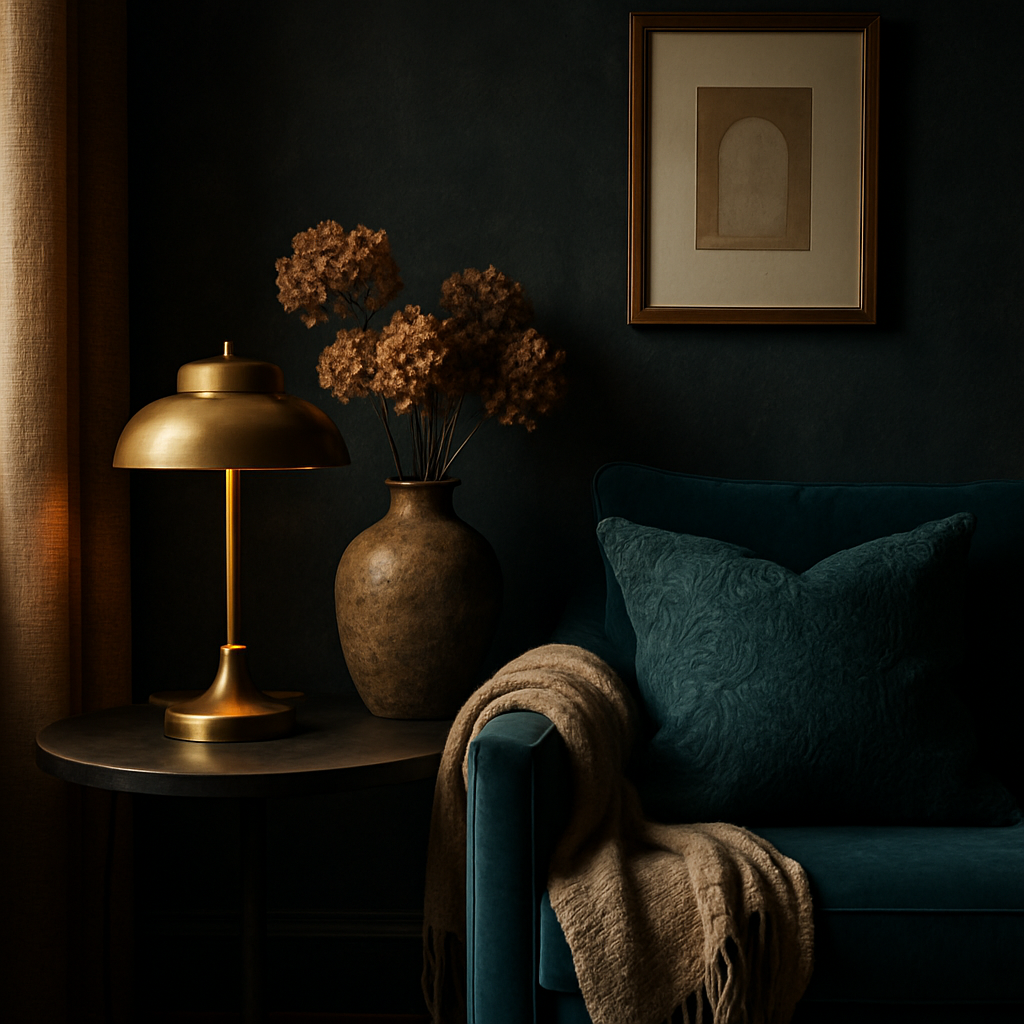
Are you captivated by the transformative power of color palettes and furniture arrangements? If so, a career in interior design might be calling your name. This field offers a broad spectrum of roles that cater to various interests and strengths. With the rise of sustainable design and smart home innovations, the demand for talented designers is more dynamic than ever. In this article, we will uncover the top 10 interior design jobs available today. We'll explore the qualifications needed, the potential income, and emerging trends reshaping these roles. Get ready to discover a career path that aligns with your passion for creating beautiful and functional spaces.
Understanding the Interior Design Landscape
Before diving into the specific roles, it's essential to grasp the diverse nature of the interior design industry. Interior designers can specialize in various niches, ranging from residential projects to commercial spaces and hospitality environments. While some professionals hold certifications such as the NCIDQ (National Council for Interior Design Qualification), others may focus on specific aspects of design without formal credentials. The choice largely depends on the individual's career goals and the market demand.
An interior designer's responsibilities often span concept development, material selection, and client consultations. According to the American Society of Interior Designers (ASID), a well-designed space can increase property value by 5-15%. This statistic highlights the critical role designers play in real estate and property development. Many designers also collaborate with architects and contractors, making teamwork an essential skill in this field.
Do you have a knack for visualizing spaces? If so, you might find interior design particularly fulfilling. With the advent of technology, designers can now use AR/VR room visualization tools to offer clients an immersive experience. These advancements not only enhance the design process but also allow for more precise planning and client satisfaction. Understanding these foundational concepts is crucial as we explore the specific job roles within the industry.
Exploring Key Interior Design Roles
One of the most sought-after roles in the industry is that of a residential interior designer. These professionals focus on creating personalized living spaces that reflect the client's tastes and lifestyle. According to Houzz, a leading platform for home renovation and design, residential projects often have budgets ranging from $5,000 to $15,000 for a single room redesign. This role requires a keen eye for detail and excellent communication skills to understand and execute the client's vision.
Commercial interior designers, on the other hand, work on spaces like offices, retail stores, and restaurants. The International Interior Design Association (IIDA) notes that commercial projects typically demand a deeper understanding of building codes and regulations. These designers are tasked with creating functional and aesthetically pleasing environments that enhance productivity and customer experience. Commercial projects often involve higher budgets, sometimes exceeding $150,000, due to the complexity and scale.
Another exciting role is that of a sustainable interior designer. With growing awareness of environmental issues, many clients seek designers who can incorporate eco-friendly materials and energy-efficient solutions into their projects. Experienced professionals often note that sustainable design can significantly reduce long-term operational costs, making it a viable choice for budget-conscious clients. As you consider which path to pursue, think about where your interests and strengths lie. Are you drawn to the intricacies of sustainable design, or do you prefer the personal touch of residential projects?
Actionable Strategies for Aspiring Designers
Breaking into the interior design industry requires a blend of education, experience, and networking. Many successful designers start by pursuing a degree in interior design or a related field. Accredited programs often include coursework in design theory, computer-aided design (CAD), and space planning. Aspiring designers can also benefit from internships, which provide hands-on experience and professional connections.
Networking is another crucial element in building a successful career in interior design. Engaging with platforms such as Houzz and Instagram allows designers to showcase their portfolios and connect with potential clients. Attending industry events and joining professional organizations like the AIA (American Institute of Architects) can also open doors to new opportunities. Remember, building a robust professional network takes time and persistence.
Are you ready to take the next step in your interior design career? Consider seeking mentorship from established designers in your area. Mentorship provides valuable insights into the industry and can offer guidance as you navigate your career path. By following these actionable strategies, you can position yourself for success in the competitive world of interior design.
Expert-Level Insights into Interior Design Careers
Experienced professionals often note the importance of specialization in distinguishing oneself in the interior design industry. As trends evolve, so does the need for designers with niche expertise. For instance, the rise of Japandi design, which blends Japanese minimalism with Scandinavian warmth, has created a demand for designers well-versed in this style. By specializing in a particular design trend or style, you can attract a specific clientele and command higher fees.
Additionally, understanding the business side of interior design is crucial for those looking to run their own practice. Fee structures can vary widely, with some designers opting for flat fees while others charge by the hour. According to industry insights, hourly rates typically range from $150 to $500, depending on experience and location. Designers may also charge a percentage of the total project cost, often between 10-25%, to cover procurement and management services.
Finally, staying current with industry trends and technological advancements is vital for long-term success. Many designers now integrate smart home technologies into their projects, offering clients automated lighting, climate control, and window treatments. Keeping abreast of such innovations ensures that your designs remain relevant and competitive in the market. As you continue to explore interior design careers, consider how these expert insights can shape your professional journey.
Additional Depth on Career Paths
Beyond the traditional roles, there are emerging opportunities in the interior design field that cater to specific market demands. For instance, event space designers focus on creating temporary installations for events like weddings, corporate functions, and trade shows. This niche requires a unique skill set that includes logistical planning and creative problem-solving.
Another burgeoning area is virtual interior design, where professionals offer remote consultations and design services. This approach has gained popularity due to its convenience and cost-effectiveness. Virtual designers can reach a broader client base by offering their expertise online, often using 3D visualization tools to present their ideas.
As you consider different career paths, think about the lifestyle and work environment you envision for yourself. Do you thrive in fast-paced settings with tight deadlines, or do you prefer a more structured and traditional work environment? Understanding your preferences will help you find a career path that suits your strengths and aspirations. Keep these additional career options in mind as you navigate the vibrant world of interior design.
Final Perspectives on Interior Design Careers
The interior design industry offers a plethora of career paths, each with its own set of challenges and rewards. As the industry continues to evolve, designers must remain adaptable and open to new ideas. Whether you're drawn to traditional roles or interested in emerging opportunities, the key to success lies in continuous learning and professional growth.
As you embark on your interior design journey, remember that your career path is unique to you. Embrace the challenges and celebrate the successes as they come. With dedication and passion, you can carve out a fulfilling career in this dynamic field. Consider your next steps carefully, and take the time to explore all options available to you.
Conclusion: Taking the First Step Toward Your Dream Career
In this exploration of the top 10 interior design jobs, we've delved into the diverse roles available in this thriving industry. From residential to commercial, sustainable to virtual design, each path offers unique opportunities for creativity and innovation. As you contemplate your career options, consider which roles align with your skills and passions.
Are you ready to take the first step toward your dream career in interior design? Start by browsing portfolios on platforms like Houzz this week-even 20 minutes of research can sharpen your eye for what you want. Consider reaching out to professionals in your area for advice and mentorship. With the right approach, you can turn your passion for design into a rewarding and successful career.



Comments
Post a Comment