The Ultimate Guide to Mixing Modern and Vintage in House Interior Design
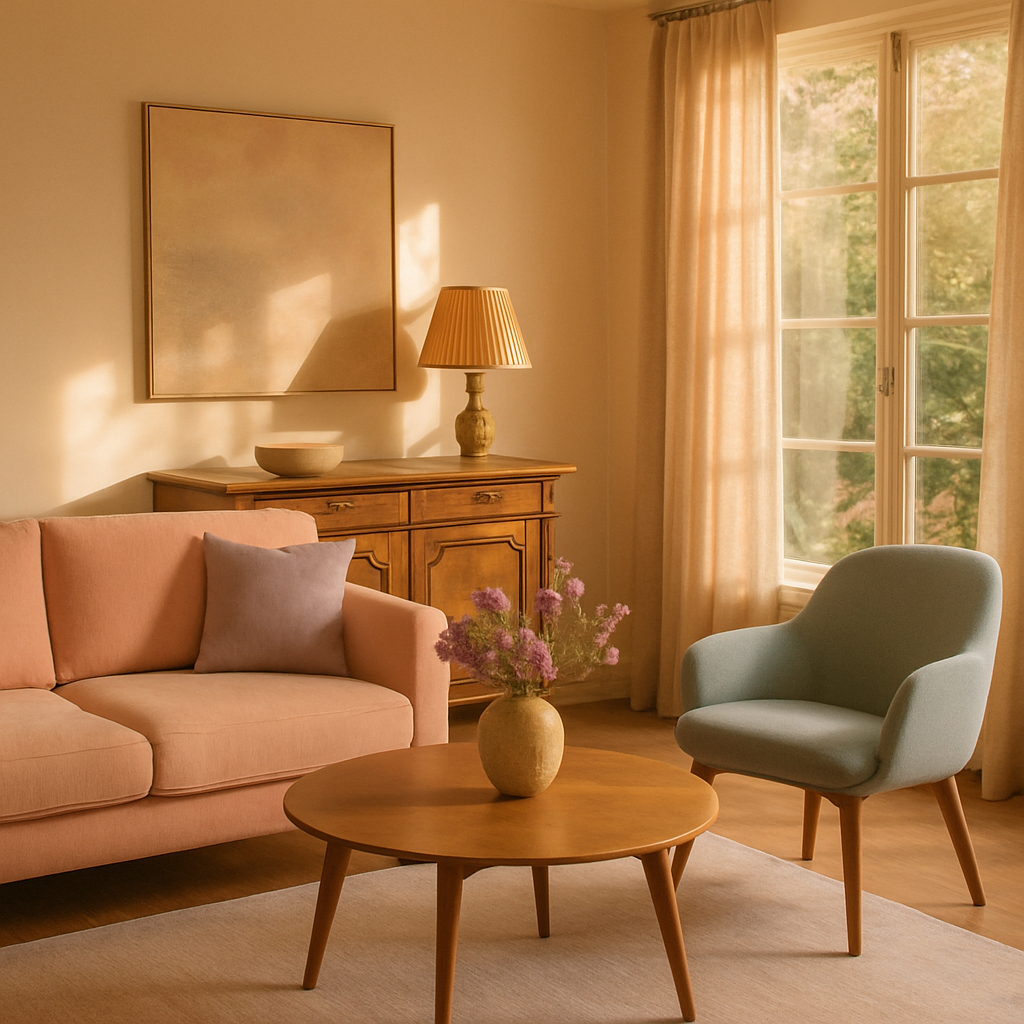
Imagine walking into a room where sleek modern lines coexist harmoniously with the charm of vintage pieces, creating a space that feels both timeless and contemporary. This is the beauty of mixing modern and vintage in interior design-a trend that has captivated homeowners and designers alike. According to a Houzz survey, over 30% of homeowners are eager to incorporate vintage elements into their modern spaces. This guide will explore how to master this blend, covering foundational concepts, providing actionable strategies, and delving into expert insights. Whether you're redecorating a single room or revamping your entire home, understanding how to balance these styles can transform your living space into a unique reflection of your personality.
Understanding the Foundations: Modern and Vintage Defined
Before you can effectively combine modern and vintage styles, it's essential to understand what characterizes each. Modern design is known for its minimalist aesthetic, clean lines, and a preference for functionality. It often incorporates new materials such as glass, metal, and concrete, creating a sleek and sophisticated appearance. In contrast, vintage design draws from the past, encompassing a range of styles and periods. It celebrates the craftsmanship and detail of yesteryears, often featuring ornate woodwork, distressed finishes, and rich fabrics.
To successfully mix these styles, consider the emotional impact that each evokes. Modern design tends to foster a sense of calm and simplicity, often used in spaces meant for relaxation or productivity. Vintage elements, however, introduce warmth, nostalgia, and personality. By understanding these core attributes, you can select pieces that complement rather than compete with each other. Mixing these styles is not about creating a hybrid look but rather highlighting the strengths of both.
Are you wondering how to begin this journey of blending styles? Start by identifying the dominant style you want for your space. This will serve as the foundation upon which you can layer elements from the contrasting style. For instance, if you prefer a modern base, you might introduce vintage elements through accessories or statement pieces. This foundational approach lays the groundwork for deeper exploration into the practical aspects of design fusion.
Why the Mix Works: Insights and Data
Combining modern and vintage elements is not just a fleeting trend. There is a growing body of evidence supporting the aesthetic and functional benefits of this approach. According to the American Society of Interior Designers (ASID), spaces that integrate diverse design styles can enhance emotional well-being and increase creativity. These environments stimulate the senses by juxtaposing the familiar with the unexpected, encouraging residents to interact with their surroundings in new ways.
Moreover, from a financial perspective, homes designed with a mix of styles often see a higher resale value. The National Association of Realtors notes that homes with well-executed design elements tend to sell for 5-15% more than those with more conventional interiors. The blend of modern and vintage is particularly appealing to buyers looking for a unique home that stands out in the market. This appreciation for mixed-style interiors is reflected in the increasing popularity of platforms like Houzz and Pinterest, where users frequently seek inspiration for combining different design eras.
Have you considered how this mix could impact your home's value? In addition to aesthetic appeal, blending styles can make a space more adaptable to changing tastes and trends. This flexibility is essential in a world where design preferences can shift rapidly. By integrating elements from different eras, you create a timeless space that remains relevant and desirable, both now and in the future.
Strategies for Seamlessly Integrating Modern and Vintage
When it comes to merging modern and vintage styles, balance is key. One effective strategy is to use a neutral color palette as a unifying backdrop. Neutral tones provide a versatile canvas that highlights both modern and vintage pieces without allowing one to overshadow the other. Consider using shades like white, gray, or beige to maintain harmony and cohesion throughout your space.
Another tactic is to layer textures and materials. By combining smooth modern surfaces with the rich textures of vintage elements, you create visual interest and depth. For instance, pair a sleek leather sofa with a distressed wooden coffee table. This contrast draws the eye and adds dimension to the room. Incorporating textiles like rugs, throws, and pillows in varied materials can further enhance this layered effect.
Lighting is also a powerful tool in blending these styles. Modern lighting fixtures, such as pendant lights with clean lines, can be complemented by vintage lamps with intricate detailing. This mix not only provides functional lighting but also serves as a focal point that ties the room together. As you consider these strategies, think about how they can be applied to your own home. What textures and colors speak to you? How can you use lighting to enhance your design? These questions will guide you in creating a cohesive and inviting space.
Expert Insights: What Professionals Recommend
Experienced professionals often note that the secret to a successful mix lies in the details. According to NCIDQ-certified designers (National Council for Interior Design Qualification), thoughtful curation of accessories and art plays a crucial role. Rather than cluttering your space with too many items from either style, focus on a few standout pieces that resonate with you. This curated approach ensures that each item has a purpose and contributes to the overall aesthetic.
Additionally, professionals recommend considering the scale and proportion of your furniture. Modern furniture tends to be more streamlined and may require vintage items to be resized or repurposed to maintain balance. For example, a large vintage armoire might overwhelm a room with low-profile modern furnishings. Instead, opt for smaller vintage accents like a mid-century modern chair or an antique side table to complement your modern pieces.
Finally, collaboration with a professional interior designer can offer invaluable insights. Platforms like the AD PRO network by Architectural Digest provide access to a wide array of design professionals who specialize in style integration. These experts can help you navigate the complexities of mixing modern and vintage elements, ensuring that your vision is executed flawlessly. As you seek guidance, remember that your home should ultimately reflect your tastes and lifestyle, even as you incorporate expert advice.
Deep Dive: Incorporating Trends and Timelessness
One of the most appealing aspects of mixing modern and vintage styles is the ability to incorporate current design trends without sacrificing timeless appeal. For instance, the Japandi trend-an amalgamation of Japanese minimalism and Scandinavian warmth-pairs perfectly with vintage elements that echo simplicity and craftsmanship. Consider integrating natural materials like wood and stone, which feature prominently in both vintage and Japandi styles.
Furthermore, sustainable and reclaimed materials are increasingly popular in both modern and vintage design. These materials not only reduce environmental impact but also add character and history to a space. Incorporating items like reclaimed wood beams or vintage textiles aligns with the growing consumer demand for eco-friendly design solutions. This approach not only enhances your home's aesthetic but also aligns with broader sustainability goals.
As you explore these trends, consider how they can be uniquely expressed in your space. Which elements of Japandi or sustainable design resonate with your personal style? How can you incorporate them alongside your existing pieces? By focusing on trends that complement the timeless nature of vintage design, you ensure that your space remains fresh and relevant. This thoughtful consideration forms the basis for the final perspectives on crafting a harmonious home.
Final Perspectives: Crafting Your Unique Style
Ultimately, mixing modern and vintage styles is about creating a home that feels uniquely yours. It's an opportunity to showcase your personality and interests through a carefully curated selection of pieces. Embrace the imperfections and stories that vintage items bring, while appreciating the sleek functionality of modern design. This blend results in a space that is not only visually appealing but also deeply personal.
As you continue your design journey, regularly assess how each element contributes to your overall vision. Does your space feel balanced and harmonious? Are there areas that need adjustment or enhancement? By maintaining an ongoing dialogue with your home, you can make informed decisions that evolve with your tastes and needs.
Remember, the process of mixing styles is not about achieving a specific look, but about creating a space that supports and inspires you. With this perspective in mind, you're ready to take the next steps in your design journey. The conclusion will offer a practical call to action to guide you as you move forward.
Conclusion: Taking the Next Steps
In blending modern and vintage styles, you have the opportunity to craft a home that is both beautiful and meaningful. By understanding the foundational concepts, exploring expert insights, and applying practical strategies, you can create a space that reflects your personal style while remaining functional and inviting. As you embark on this design adventure, consider beginning with a single room to test your ideas and refine your approach.
Start by browsing portfolios on platforms like Houzz or Instagram to gather inspiration and identify pieces that resonate with you. Even spending 20 minutes a day on research can significantly sharpen your eye for design. As you gather ideas, keep in mind the questions and insights discussed throughout this guide. How will you incorporate both modern and vintage elements into your home? What steps will you take to ensure a cohesive and personalized look?
Embrace the process and take action today. Your journey towards a uniquely styled home begins with small, deliberate steps. By focusing on your vision and values, you create a living space that is not only aesthetically pleasing but also deeply satisfying. Happy decorating!



Comments
Post a Comment