The Ultimate Guide to Color Schemes for Stunning Room Interior Design
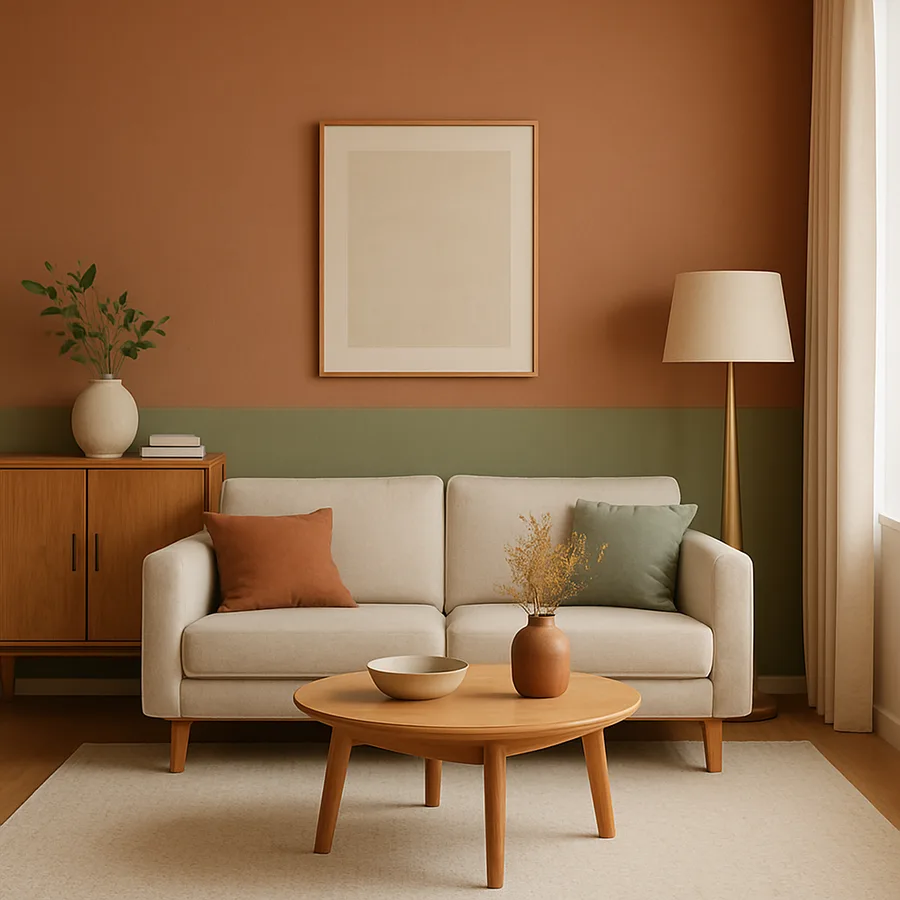
Color schemes are the invisible architecture of room interior design, providing the framework that unifies every element in a space into a coherent visual experience. While furniture, lighting, and accessories are the tangible components that fill a room, it is the color scheme that determines whether those components feel harmonious or discordant, energizing or calming, sophisticated or chaotic. The American Society of Interior Designers (ASID) identifies color scheme selection as the single design decision with the greatest impact on occupant satisfaction, yet it remains the area where homeowners most frequently report feeling uncertain and overwhelmed.
The science behind effective color schemes is well-established, drawing on centuries of color theory and decades of environmental psychology research. The International Interior Design Association (IIDA) has published extensive findings demonstrating that rooms with intentionally designed color schemes are rated as more comfortable, more visually appealing, and more conducive to their intended activities than rooms where colors were selected individually without reference to an overarching scheme. A 2023 survey by Houzz found that 63% of homeowners who expressed dissatisfaction with a completed room renovation cited color-related regrets as their primary concern, underscoring the importance of getting color right from the outset.
This comprehensive guide equips you with the knowledge and techniques to create stunning color schemes for every room in your home, regardless of your prior design experience or budget. From the fundamental types of color schemes to advanced professional techniques for achieving visual harmony, each section builds your understanding and confidence systematically. By the time you finish reading, you will possess the same conceptual toolkit that professional designers use to create the color schemes you admire in magazines and showrooms. Are you ready to transform your relationship with color in your home?
Understanding the Core Types of Color Schemes
Professional interior designers work with a defined set of color scheme types, each producing a distinct visual effect suited to different design goals. Monochromatic schemes use variations of a single hue -- different values (light to dark) and saturations (bright to muted) of one color -- to create sophisticated, serene spaces that feel unified and restful. A monochromatic blue bedroom might combine pale ice blue walls, medium slate blue bedding, and deep navy accent pillows, achieving visual richness through tonal variation alone. The NCIDQ certification examination tests candidates' ability to create effective monochromatic schemes because this seemingly simple approach demands nuanced understanding of value and saturation relationships.
Analogous schemes employ colors that sit adjacent to each other on the color wheel, such as blue-green, green, and yellow-green, creating naturally harmonious combinations that mimic the color relationships found in nature. These schemes feel organic and soothing because our eyes encounter analogous color groupings constantly in the natural world -- think of a forest scene where yellow-green sunlight filters through emerald leaves onto blue-green moss. The ASID recommends analogous schemes for bedrooms, meditation spaces, and any room where relaxation is the primary goal, as the gentle color transitions avoid the visual tension that high-contrast schemes introduce.
Complementary schemes pair colors from opposite sides of the color wheel -- blue with orange, purple with yellow, red with green -- to create vibrant, energetic spaces with maximum color contrast. These schemes demand careful handling because the high contrast between complementary colors can feel jarring if not modulated through value and saturation adjustments. The professional approach is to select one complementary color as the dominant shade in a muted, relaxed version and use its complement in smaller, more saturated doses as an accent. A room with muted sage green walls and burnt terracotta accent pillows demonstrates this principle -- the colors are technically complementary but the value and saturation choices prevent them from competing aggressively for attention.
The Role of Neutrals in Grounding Color Schemes
Neutrals are the unsung heroes of every successful color scheme, providing the visual breathing room that allows featured colors to shine without exhausting the eye. True neutrals -- black, white, and pure gray -- contain no color bias, while near-neutrals like beige, taupe, greige, and cream carry subtle warm or cool undertones that influence their behavior within a scheme. The IIDA emphasizes that neutral selection is one of the most consequential decisions in color scheme development because the wrong neutral can undermine an otherwise beautiful palette. A warm color scheme paired with a cool gray neutral will always feel slightly discordant, while the same warm scheme grounded in a warm taupe will feel naturally cohesive.
The proportion of neutral to color in a room's scheme dramatically affects its overall feeling. Rooms with a high neutral proportion -- 70% or more -- feel calm, spacious, and sophisticated, with featured colors serving as controlled punctuation marks. Rooms with lower neutral proportions -- 50% or less -- feel more dynamic, expressive, and personality-driven, with color playing a starring rather than supporting role. Neither approach is inherently superior; the right balance depends on the room's function, the occupant's personality, and the desired emotional atmosphere. Houzz portfolio analysis reveals that the most-saved room images consistently feature neutral proportions between 55% and 70%, suggesting this range represents the sweet spot where color is present but not overwhelming for most viewers.
Layering multiple neutrals within a single scheme adds depth and sophistication that a single neutral cannot achieve. A room with white walls, cream curtains, warm gray upholstery, and natural oak floors contains four distinct neutrals that create a rich tonal landscape even before any featured colors are introduced. The key to successful neutral layering is ensuring all chosen neutrals share compatible undertones -- mixing warm and cool neutrals creates subtle visual conflict that registers as uneasiness even when the viewer cannot identify its source. Test your neutral selections by placing samples side by side in natural daylight; undertone compatibility or conflict becomes immediately apparent when neutrals are viewed in direct contact.
Professional Techniques for Achieving Color Harmony
Professional designers employ several specific techniques to ensure their color schemes achieve the harmony that distinguishes expert design from amateur attempts. The "thread color" technique involves selecting one color that appears in every major element of the room -- walls, furniture, textiles, and accessories -- in varying proportions and applications. This shared thread creates subliminal unity even when other colors in the scheme are quite different from each other. The ASID teaches this technique in its continuing education programs as one of the most reliable methods for creating cohesive interiors, noting that the thread color can be as subtle as a warm undertone shared across all neutrals or as visible as a specific hue repeated in several elements.
Value mapping is another professional technique that ensures visual balance across a room's color scheme. Map the distribution of light, medium, and dark values across the room, ensuring that no single value dominates overwhelmingly and that transitions between values feel graduated rather than abrupt. Dark floors grounding medium-toned furniture against light walls, for example, creates a stable value structure that feels naturally balanced. Rooms where the darkest and lightest values are placed next to each other without transitional medium tones feel jarring and unstable. The NCIDQ tests color value distribution as a core design competency because it affects spatial perception -- dark values advance visually (making walls feel closer), while light values recede (making walls feel further away).
The "nature test" is an intuitive technique that leverages our innate response to natural color combinations. When evaluating a proposed color scheme, ask whether the combination exists anywhere in the natural world. Terracotta, sage green, and warm cream appear together in Mediterranean landscapes. Navy blue, sandy beige, and white evoke coastal environments. Forest green, warm brown, and golden yellow recall woodland settings. If your proposed scheme passes the nature test -- if you can imagine encountering those colors together in a natural setting -- it is almost certainly harmonious, because our visual systems have evolved to find natural color combinations inherently pleasing. Does your current room's color scheme pass this test?
Applying Color Schemes Room by Room
Living rooms benefit from color schemes that balance warmth with sophistication, creating spaces that welcome guests while reflecting the homeowner's personality. The ASID recommends starting with a warm neutral base and layering in two to three accent colors drawn from an analogous or split-complementary scheme. Split-complementary schemes -- which pair a base color with the two colors adjacent to its complement -- offer the visual interest of complementary schemes with less risk of harsh contrast. For example, a living room anchored in warm gray might feature accents of dusty blue (base color) with touches of coral and soft gold (the split complements of blue's direct complement, orange). This approach creates sophisticated visual interest without the aggressiveness of a direct blue-orange pairing.
Bedrooms demand the most restful color schemes in the home, prioritizing colors that lower heart rate, reduce cortisol levels, and promote sleep readiness. The IIDA recommends cool-toned monochromatic or analogous schemes for bedrooms, with particular emphasis on blues, greens, and lavenders, which research consistently associates with improved sleep quality. Muted, desaturated versions of these colors -- dusty blue rather than royal blue, sage rather than emerald, mauve rather than violet -- create the soft, enveloping atmosphere that supports relaxation. Warm accent tones can be introduced sparingly through bedside lamps, throw pillows, or a single piece of artwork to prevent the cool scheme from feeling clinical.
Kitchens and dining spaces traditionally favor color schemes that stimulate appetite and social energy, though the trend toward open-plan living has required these spaces to harmonize with adjacent living areas. Warm whites, creamy yellows, terracotta reds, and warm greens have long been associated with culinary spaces because they enhance the visual appeal of food and create an atmosphere of nourishment and gathering. The challenge in open-plan homes is maintaining the kitchen's warm, appetizing scheme while transitioning smoothly into the potentially cooler living room scheme. The thread color technique excels here -- identify a color that bridges both spaces, such as a warm neutral that appears in both the kitchen's backsplash and the living room's rug, creating continuity without uniformity. How does the color scheme in your kitchen make you feel about spending time cooking and eating there?
Common Color Scheme Mistakes and How to Avoid Them
- Ignoring undertones: Every color carries an undertone that interacts with surrounding colors. A "gray" paint with blue undertones will clash with warm-toned wood flooring, while a gray with taupe undertones will harmonize. Always test paint samples against fixed elements like flooring and countertops before committing.
- Using too many colors: Schemes with more than five colors (including neutrals) risk feeling chaotic and unfocused. Limit your palette and introduce variety through value and saturation changes within those colors rather than adding new ones.
- Matching everything perfectly: Rooms where every element matches exactly feel staged and lifeless. Intentional variation -- a sofa in sage green beside curtains in a slightly different shade of green -- creates natural-looking harmony that perfect matching cannot achieve.
- Neglecting the ceiling: The ceiling represents approximately 40% of a room's visible surface area, yet many homeowners default to flat white without consideration. A ceiling painted in a slightly lighter version of the wall color creates a cohesive, enveloping feeling. Houzz experts note that ceiling color is the most frequently overlooked element in residential color schemes, and addressing it can dramatically improve a room's overall feeling.
- Following trends blindly: Trendy colors that look stunning in magazine photographs may not suit your space's light, your existing furnishings, or your personal color responses. The ASID advises treating trend colors as inspiration rather than prescription, adapting them to work within your established palette rather than replacing your palette entirely.
Building Confidence Through Practice and Experimentation
Developing color scheme confidence is a skill that improves with practice, and low-risk experimentation is the fastest path to competence. Start with small, reversible changes -- new throw pillows, a painted accent wall, a colorful rug -- that allow you to experience your chosen colors in your actual space without major commitment. These small-scale tests reveal how colors behave under your specific lighting conditions, alongside your existing furnishings, and in the proportions your room demands. The NCIDQ recommends that even professional designers test color schemes in situ before specifying for installation, acknowledging that no amount of theoretical knowledge can fully predict how colors will interact in a unique physical space.
Create physical mood boards using actual material samples rather than relying solely on digital color pickers and screen-based previews. Collect paint chips, fabric swatches, tile samples, and wood veneer samples, then arrange them on a board in proportions that approximate their intended distribution in the room. The dominant color should occupy the largest area on the board, secondary colors should be proportionally smaller, and accent colors should appear in the smallest amounts. Hold this physical mood board in the room where the scheme will be implemented and evaluate it at different times of day. Physical samples under real lighting conditions provide information that no screen can replicate, because screens emit light while physical materials reflect it.
Study rooms you admire -- in design publications, on Houzz, in homes you visit -- and analyze their color schemes by identifying the specific roles each color plays. Which color is dominant? What is the secondary color? Where are the accents? What neutrals ground the scheme? What is the thread color that ties everything together? This analytical habit trains your eye to recognize the structures underlying successful color design and builds an internal library of proven combinations you can adapt for your own spaces. Over time, you will find that color scheme decisions become increasingly intuitive, as your accumulated experience provides a foundation of reference that guides your choices without conscious effort. The journey from uncertainty to confidence is shorter than most people expect, and every experiment -- even the imperfect ones -- brings you closer to mastery.
Conclusion
Creating stunning color schemes for room interior design is a learnable skill grounded in established principles of color theory, environmental psychology, and professional practice. By understanding the core scheme types, appreciating the essential role of neutrals, applying professional techniques like thread colors and value mapping, tailoring schemes to specific room functions, avoiding common pitfalls, and building confidence through hands-on experimentation, you can achieve the kind of color harmony that transforms ordinary rooms into extraordinary spaces. The expertise of organizations like ASID, IIDA, NCIDQ, and platforms like Houzz consistently demonstrates that successful color design follows predictable principles accessible to anyone willing to learn them.
Take action today by photographing your most-used room and identifying its current color scheme -- or lack thereof. Count the colors present, assess the proportions, check for undertone consistency, and evaluate whether the scheme supports the room's intended function. Then apply the principles from this guide to develop an improved scheme: choose a scheme type, select your dominant and secondary colors, identify your neutrals and accents, and test with samples before committing. Share your color scheme journey with friends or online communities to gain fresh perspectives, and remember that the most beautiful rooms in the world were designed by people who once felt exactly as uncertain as you might feel right now. Start with one room, one scheme, and one weekend -- your stunning, harmonious interior awaits.
More Articles You May Like



Comments
Post a Comment